



Water Chemistry Force
Definition
Water Chemistry Force is the environmental pressure created by the chemical and mineral composition of the water moving through the plumbing system.
Some water slowly clogs plumbing systems.
Some water slowly dissolves plumbing systems.
Some water accelerates corrosion, restriction, scale buildup, sediment accumulation, and fixture deterioration at the same time.
Unlike sudden plumbing events, water chemistry failures usually develop slowly and quietly over many years.
The plumbing system often continues operating while internal damage steadily increases.
How Water Attacks Plumbing
Water continuously interacts with:
- pipe walls
- fittings
- valves
- drains
- fixtures
- water heaters
- recirculation systems
- appliances
- solder joints
- pressure regulators
- filtration systems
Water Chemistry Force includes:
- hard water
- calcium buildup
- magnesium deposits
- silica accumulation
- acidic water
- low pH conditions
- aggressive well water
- iron
- manganese
- chloride exposure
- copper pitting
- galvanized restriction
- sediment accumulation
- dissolved mineral loading
- high TDS environments
Different water conditions create different failure patterns.
Hard water usually restricts systems over time.
Aggressive water usually corrodes systems over time.
Some regions experience both simultaneously.
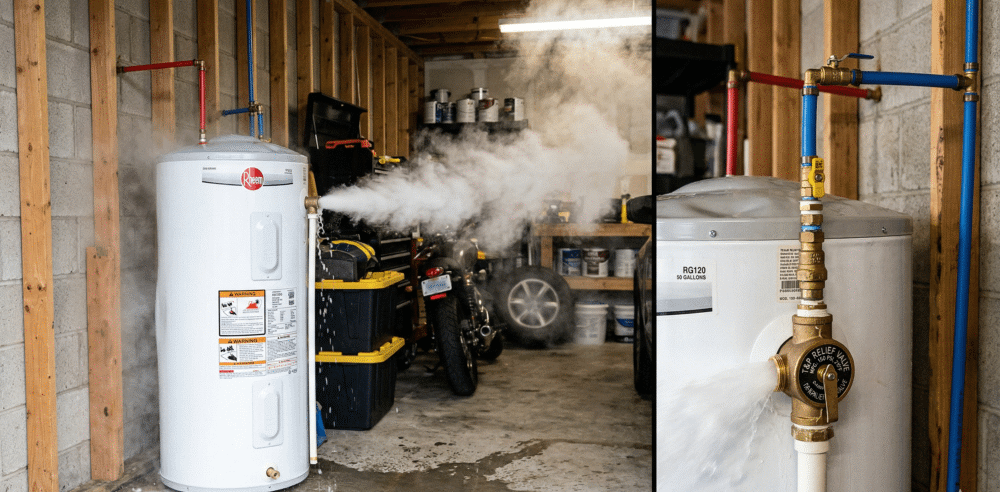
Why Water Chemistry Force Matters
Most homeowners think plumbing systems fail because pipes become “old.”
Many systems fail because the water itself continuously attacks the plumbing from inside the system every day.
This is why two homes with the same plumbing materials can age completely differently depending on regional water conditions.
The plumbing system is not only affected by the environment outside the home.
It is also affected by the chemistry flowing inside the pipes every day.
Strong Water Chemistry States
Arizona
Nevada
Utah
Texas
Colorado
Florida
California inland
Ohio
Illinois
Indiana
Kansas
Nebraska
Wyoming
Montana
Idaho
Maine
New Hampshire
Vermont
Pennsylvania
Oregon
Washington
Arizona / Nevada Version
Hard water combines with extreme heat and high mineral concentration.
Water heaters, fixtures, recirculation systems, valves, and appliances often accumulate scale rapidly.
Closed systems experience increased pressure stress as mineral restriction develops over time.
Texas Version
Texas water chemistry problems often combine hard water, heat, slab systems, and high-demand suburban plumbing layouts.
Scale buildup frequently layers onto already stressed plumbing systems.
Florida Version
Florida plumbing systems may experience both hardness and corrosion exposure simultaneously.
Humidity, slab moisture, high-demand systems, and aggressive coastal environments often increase system stress.
Maine / New England Version
Many New England regions experience acidic or chemically aggressive water conditions.
Copper pinholes, brass deterioration, metallic taste, and recurring corrosion-related failures are common long-term symptoms.
Pacific Northwest Version
Oregon and Washington often combine aggressive water conditions, rainfall exposure, older infrastructure, and private well variability.
The plumbing system may deteriorate internally while remaining visually normal for years.
Midwest Version
Ohio, Illinois, Indiana, and surrounding Midwest states frequently combine hard water with aging plumbing materials and freeze exposure.
Older galvanized systems often experience severe internal restriction over time.
Water Chemistry Failure Signature
Common Water Chemistry symptoms include:
- reduced water pressure
- fixture restriction
- recurring valve failure
- water heater sediment
- tankless heater scaling
- appliance damage
- pinhole copper leaks
- metallic taste
- blue-green staining
- rust-colored water
- shortened water heater lifespan
- recurring plumbing noise
- mineral buildup on fixtures
- inconsistent hot water performance
Water Chemistry Timeline
Stage 1 — Chemical Exposure
The water chemistry begins interacting with the plumbing system.
Examples:
- hard water
- acidic water
- dissolved minerals
- sediment loading
- corrosive well conditions
No visible plumbing failure exists yet.
Stage 2 — Internal Material Stress
The plumbing system begins deteriorating internally.
Examples:
- scale buildup
- copper thinning
- galvanized restriction
- sediment accumulation
- valve wear
- heater stress
Stage 3 — Symptom Phase
The homeowner notices small performance changes.
Examples:
- lower water pressure
- noisy water heater
- fixture buildup
- changing water color
- inconsistent hot water
- appliance problems
Stage 4 — Recurring Failure
Repairs occur.
The water chemistry remains active.
Examples:
“The water heater failed again.”
“The pressure keeps getting worse.”
“Another valve started leaking.”
Stage 5 — Damage Event
The chemistry-related pattern becomes visible system failure.
Examples:
- pinhole leak
- failed water heater
- severe pipe restriction
- fixture corrosion
- appliance damage
- recurring plumbing replacement
- full repipe conditions
Pipe Material Interaction
Water chemistry affects every plumbing material differently.
Copper
Most vulnerable to:
- acidic water
- pitting corrosion
- aggressive well conditions
- galvanic interaction
Galvanized Steel
Most vulnerable to:
- mineral restriction
- rust buildup
- sediment accumulation
- low-flow conditions
Brass Components
Most vulnerable to:
- chemical corrosion
- mineral wear
- aggressive water exposure
Water Heaters
Most vulnerable to:
- sediment accumulation
- heating inefficiency
- scale buildup
- shortened lifespan
Tankless Systems
Most vulnerable to:
- mineral restriction
- scale accumulation
- heat exchanger stress

Detection Difficulty Score
Water chemistry failures are often difficult to detect because the damage develops slowly inside the system.
Easy to Detect:
- fixture scale
- visible buildup
- rusty water
- staining
Medium Detection:
- pressure reduction
- water heater sediment
- appliance inefficiency
- valve deterioration
Hard to Detect:
- internal copper thinning
- early-stage pitting
- hidden restriction
- internal corrosion progression
Most Vulnerable Homes
- homes with hard water
- private well systems
- older copper systems
- aging galvanized systems
- high-demand homes
- tankless-heavy systems
- recirculation systems
- large suburban homes
- older homes with original plumbing
- homes without water treatment
Homeowner Translation
The plumbing system may not be failing because of a single plumbing event.
The water itself may be slowly damaging the system every day from the inside out.
Contractor Translation
Water Chemistry Force failures occur when mineral loading, aggressive chemistry, sediment accumulation, or corrosive water conditions continuously interact with plumbing materials over long periods of time.
The visible plumbing problem is often the final stage of long-term internal deterioration.
Failure Visibility
Water chemistry failures are often hidden because the damage develops internally before visible symptoms appear.
Many systems continue operating while restriction, corrosion, and scale accumulation quietly increase.
The homeowner usually notices the system after efficiency, pressure, or equipment performance has already changed.
Final Positioning Line
Water chemistry failures rarely begin with a sudden plumbing emergency. Most systems are slowly being restricted, corroded, or chemically stressed long before the first visible leak appears.