
DIY Repipe Fails
Most plumbing failures do not begin with catastrophic damage.
Many begin with incomplete understanding.
A pipe gets replaced without evaluating pressure behavior.
One section gets upgraded while older materials remain connected nearby.
A homeowner solves the visible leak while hidden system stress continues developing behind walls or beneath the slab.
DIY repipe failures often emerge from partial evaluation rather than isolated workmanship alone.
Modern residential plumbing systems behave as interconnected infrastructure networks.
Pressure affects the entire system.
Water chemistry affects the entire system.
Thermal expansion affects the entire system.
Movement beneath the property affects the entire system.
Because of this, isolated repairs sometimes accelerate larger problems elsewhere.
Why DIY Repipe Failures Happen
Most homeowners are trying to reduce cost.
That decision is understandable.
However, many residential plumbing systems contain conditions that are not immediately visible during surface-level repairs.
Environmental pressure accumulates slowly.
Pipe deterioration develops unevenly.
Mixed materials create compatibility issues.
Older shutoff systems may already be near failure.
Underground sections may remain unstable even after visible leaks are repaired.
In many cases, the plumbing issue extends beyond the pipe that originally failed.
The surrounding infrastructure condition matters too.

Partial Replacement Failures
One of the most common DIY repipe problems involves replacing isolated sections while older systems remain active nearby.
This often creates uneven stress behavior across the plumbing network.
Newer piping may handle pressure differently than aging materials connected beside it.
Flow characteristics change.
Pressure distribution shifts.
Older fittings sometimes become the next weak point after surrounding sections are upgraded.
Homeowners may temporarily stop one leak only to trigger another failure elsewhere months later.
These conditions commonly appear in homes containing:
- aging copper systems
- galvanized steel remnants
- mixed-material retrofits
- older manifolds
- partially upgraded supply lines
- layered repair histories
Repeated partial replacement can eventually create a fragmented plumbing system with inconsistent long-term behavior.
Pressure Miscalculation Failures
Pressure behavior is frequently underestimated during DIY repipe projects.
Many homeowners focus on visible pipe replacement while overlooking the conditions creating system stress.
High pressure environments often involve:
- failing pressure regulators
- thermal expansion buildup
- oversized booster systems
- recirculation imbalance
- municipal pressure fluctuation
- mineral restriction inside older piping
Without evaluating those factors, replacement sections may continue operating under damaging pressure conditions.
As a result, leaks sometimes reappear despite substantial repair work already being completed.
The pipe itself may not have been the original root cause.
Improper Material Mixing
Different plumbing materials expand, contract, and deteriorate differently over time.
DIY projects sometimes combine materials without accounting for long-term compatibility behavior.
These conditions may include:
- copper connected to incompatible metals
- mixed expansion rates
- incorrect transition fittings
- improper crimp systems
- unsupported pipe sections
- inconsistent pressure tolerances
Certain combinations perform adequately in the short term but deteriorate under long-cycle environmental stress.
Freeze regions create different expansion behavior than desert climates.
Coastal humidity environments accelerate different forms of corrosion than dry inland regions.
Regional conditions influence material performance more than many homeowners realize.
Hidden Water Damage After DIY Repairs
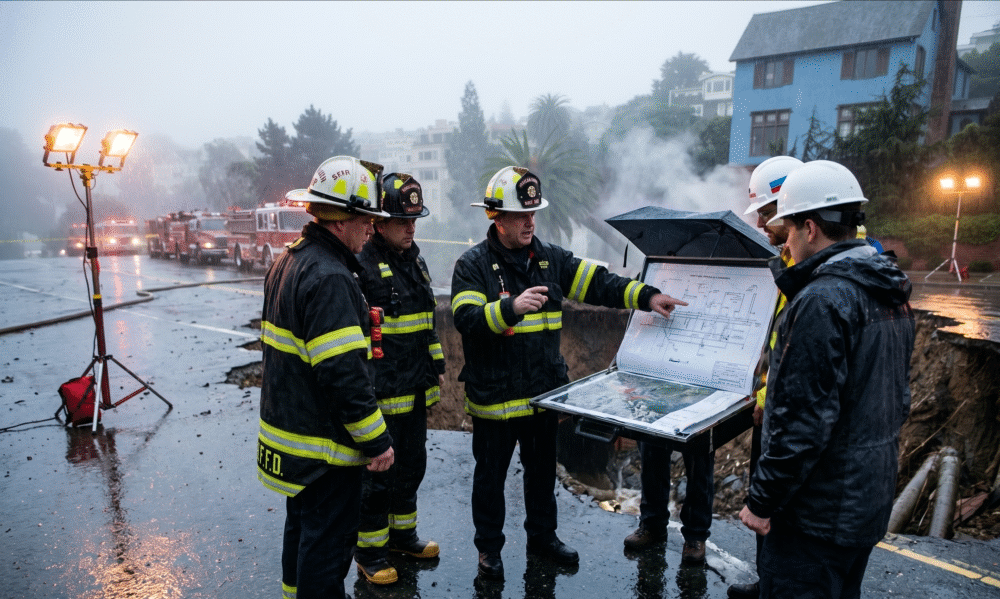
Visible leaks rarely show the full extent of moisture migration.
Water often travels behind surfaces long before damage becomes obvious.
DIY repairs sometimes stop active leakage while hidden moisture remains trapped inside:
- wall cavities
- flooring systems
- insulation
- subfloors
- crawlspaces
- slab environments
Over time, those conditions may contribute to:
- mold growth
- wood deterioration
- structural staining
- recurring moisture readings
- flooring instability
- hidden framing damage
The plumbing repair may appear successful initially while secondary damage continues developing elsewhere.
Regional DIY Failure Patterns
Different parts of the country produce different DIY repipe risks.
Texas, Arizona, and Nevada frequently experience:
- slab movement stress
- thermal expansion pressure
- hard water deterioration
- underground instability
Midwestern freeze regions often encounter:
- expansion cracking
- winter pressure fatigue
- burst-line recurrence
- aging shutoff failures
Coastal states commonly experience:
- corrosion acceleration
- humidity-related deterioration
- saturation exposure
- hidden moisture migration
Older northeastern housing stock presents additional complexity through:
- layered retrofits
- mixed piping generations
- aging infrastructure systems
- undocumented modifications
Because of this, DIY plumbing outcomes vary significantly depending on regional environmental conditions.
The Psychology Behind DIY Repipe Decisions
Most homeowners are not trying to ignore infrastructure risk.
Many simply underestimate system complexity.
Online tutorials often reduce plumbing evaluation into isolated repair tasks.
Visible symptoms become the primary focus.
Hidden environmental conditions remain unaddressed.
Meanwhile, modern plumbing systems operate under years of accumulated pressure exposure, material aging, environmental movement, and regional stress behavior.
A single leak does not always represent a single problem.
In many homes, it represents the visible stage of a broader deterioration pattern already underway.

When DIY Repairs Become Repetitive
Certain patterns often signal that larger evaluation may be necessary.
These conditions may include:
- recurring leaks in different areas
- repeated slab leak history
- pressure inconsistency
- multiple pipe materials throughout the home
- corrosion appearing in several locations
- repeated patchwork repairs
- underground moisture concerns
- ongoing insurance claims
- recurring drywall openings
- visible pipe deterioration across multiple fixtures
At that stage, the decision often shifts from isolated repair toward long-term infrastructure planning.
Why Specialist Evaluation Matters
Not every plumbing system fails for the same reason.
Regional specialists often evaluate:
- environmental movement exposure
- pressure behavior
- whole-system deterioration
- freeze expansion stress
- corrosion progression
- slab instability
- water chemistry conditions
- infrastructure age
- housing-era plumbing behavior
Those evaluations frequently extend beyond the visible leak itself.
The long-term goal is not simply stopping one failure.
The objective is understanding the conditions creating repeated failures over time.
Infrastructure Problems Often Escalate Quietly
Most residential plumbing systems deteriorate gradually.
Pressure accumulates slowly.
Movement develops beneath the property over years.
Material fatigue builds long before rupture occurs.
DIY repairs sometimes solve the visible symptom while larger environmental stress remains active throughout the system.
That is why recurring plumbing problems often require broader infrastructure evaluation rather than isolated repair decisions alone.