



Utah — Repipe Decision Infrastructure

Across Utah and Salt Lake City, plumbing systems operate under extreme mineral and elevation stress.
High hardness levels intersect with aging infrastructure across multiple regions.
Meanwhile, rapid population growth increases pressure on older systems.
Digital visibility expands, yet evaluation frameworks remain incomplete.
As a result, homeowners often make decisions without full system clarity.
Salt Lake City reflects dense historic infrastructure reaching failure thresholds.
Ogden introduces rail-era housing with severely restricted original piping.
Provo reveals aging systems across mid-century residential expansion.
Draper highlights aggressive mineral scaling across high-value homes.
Each region behaves differently, yet outcomes follow the same pattern.
System behavior determines outcome, not visible condition.
Top 10 Plumbing & Water Disasters in Utah
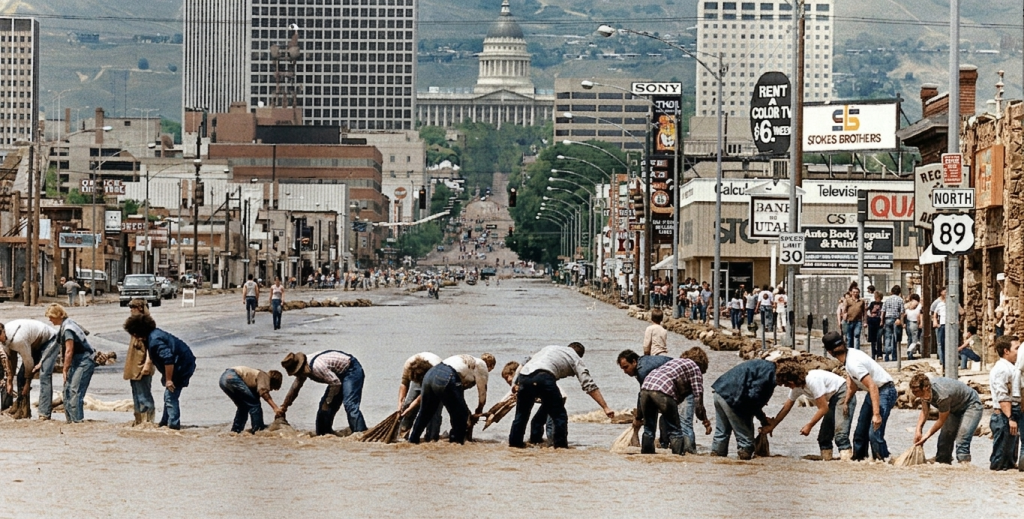
1. The Great Salt Lake Flood Threat (1983–1987)
Utah’s most significant modern water crisis occurred when record snowpack caused the Great Salt Lake to rise more than 11 feet, flooding highways, rail lines, and infrastructure across Salt Lake City.
Emergency pumps were installed to divert water west into the desert
State Street was temporarily turned into a flowing canal
Millions in infrastructure damage
Why This Matters:
System overload from upstream volume mirrors residential plumbing failures where pressure and flow exceed system capacity.
2. The Thistle Landslide & Flood (1983)
A massive landslide blocked the Spanish Fork River, creating a natural dam that flooded and destroyed the town of Thistle.
Entire town abandoned
Major rail and highway systems shut down
One of the costliest landslides in U.S. history
Why This Matters:
Blocked flow leads to pressure buildup and catastrophic release—the same mechanism behind sewer backups and drainage failures.
3. The Logan River Flood (2009)
Rapid snowmelt overwhelmed the Logan River, flooding neighborhoods in Logan and surrounding Cache Valley.
Residential flooding across multiple neighborhoods
Irrigation and drainage systems exceeded capacity
Why This Matters:
Seasonal surge events expose undersized systems—common in both municipal infrastructure and home plumbing.
4. The Weber River Flooding (Ogden Area, Recurring)
Seasonal runoff along the Weber River continues to flood areas in and around Ogden.
Repeated floodplain damage
Ongoing stress on levees and diversion systems
Why This Matters:
Repeated stress cycles accelerate system fatigue—just like pressure fluctuations in aging pipe systems.
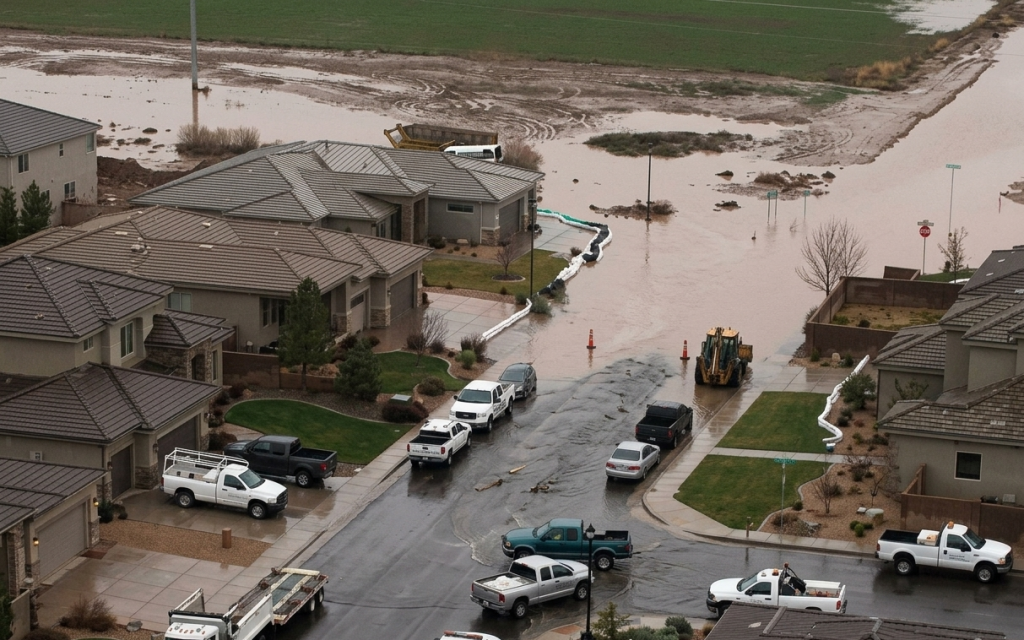
5. The Magna Sewer Line Collapse (2010)
A major sewer infrastructure failure in Magna released wastewater and damaged surrounding systems.
Sewage spills into surrounding areas
Emergency excavation and repair required
Why This Matters:
Underground system failures are invisible until they become catastrophic—mirroring hidden residential pipe deterioration.
6. The 2017 Spring Runoff Flood Risk (Statewide)
Record snowpack created widespread flood threats across Utah, especially along the Provo River and Wasatch Front.
Thousands of sandbags deployed
Emergency reservoir releases triggered
Why This Matters:
Controlled overflow is the difference between prevention and disaster—same concept as pressure regulation inside a home.
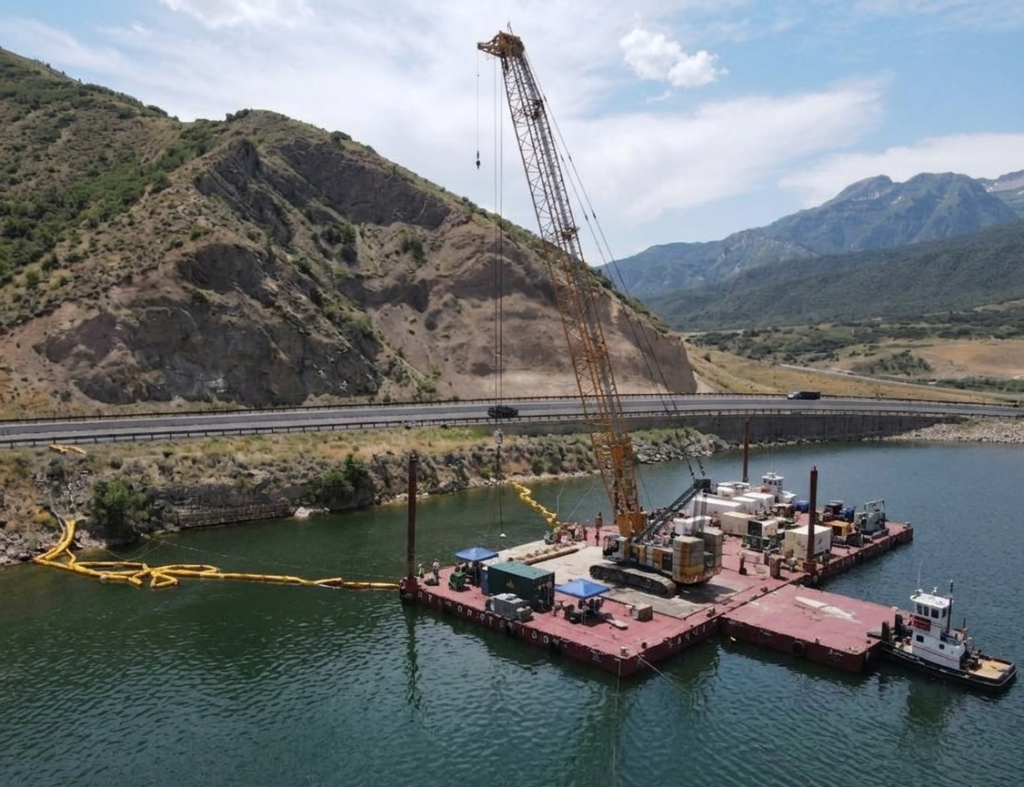
7. Deer Creek Dam High-Flow Events
High water years push Deer Creek Dam to critical release levels, increasing downstream flood risk.
Managed releases to prevent structural overload
Downstream systems pushed to capacity
Why This Matters:
System regulation prevents collapse—just like pressure regulators and shutoffs in residential plumbing systems.
8. The Great Salt Lake Volatility (2023–2024)
After years of drought, rapid inflow caused water levels at the Great Salt Lake to rise again, stressing shoreline infrastructure.
Infrastructure caught between drought and flood extremes
Systems not designed for volatility
Why This Matters:
Systems built for one condition often fail under variability—similar to mixed-material or outdated plumbing systems.
9. St. George Flash Flood Events (Recurring)
Desert storms around St. George create rapid flash flooding with little warning.
Dry channels turn into high-speed flood zones
Stormwater systems overwhelmed instantly
Why This Matters:
Sudden system shock mirrors pipe bursts—fast, destructive, and with minimal response time.
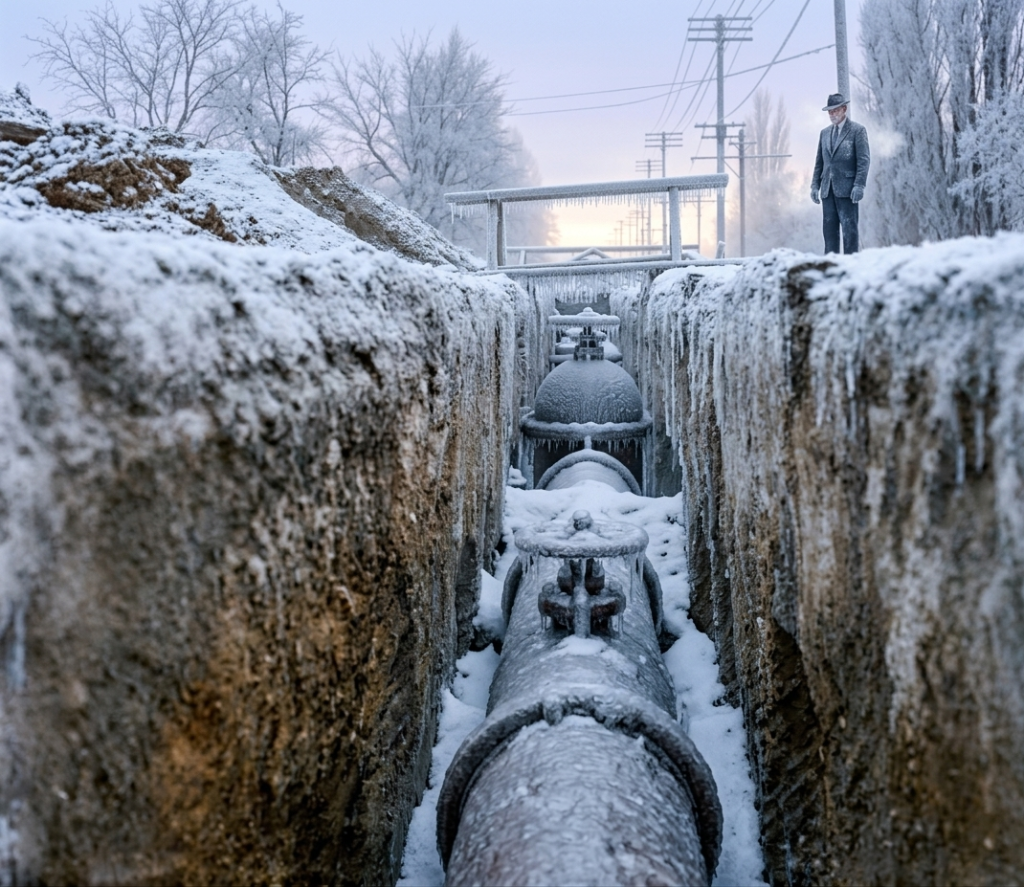
10. The 1962–1963 Utah Freeze & Pipe Failures
Extreme cold temperatures caused widespread pipe freezing and bursting across northern Utah.
Thousands of residential plumbing failures
Significant water damage across homes
Why This Matters:
Temperature stress is one of the most underestimated causes of plumbing failure.
These failures happen at city scale.
Inside homes, they happen smaller, slower—and harder to detect.
Pressure overload
Hidden leaks
Material breakdown
Temperature stress
If your home was built before modern plumbing standards, these risks already exist—just not visible yet.
👉 Full system evaluation
👉 Repipe planning based on failure patterns
👉 Contractor alignment based on verified standards
Explore your area:
(Internal links to Utah city pages: Salt Lake City, Provo, Ogden, St. George)
Aging Infrastructure and Material Breakdown Across Utah
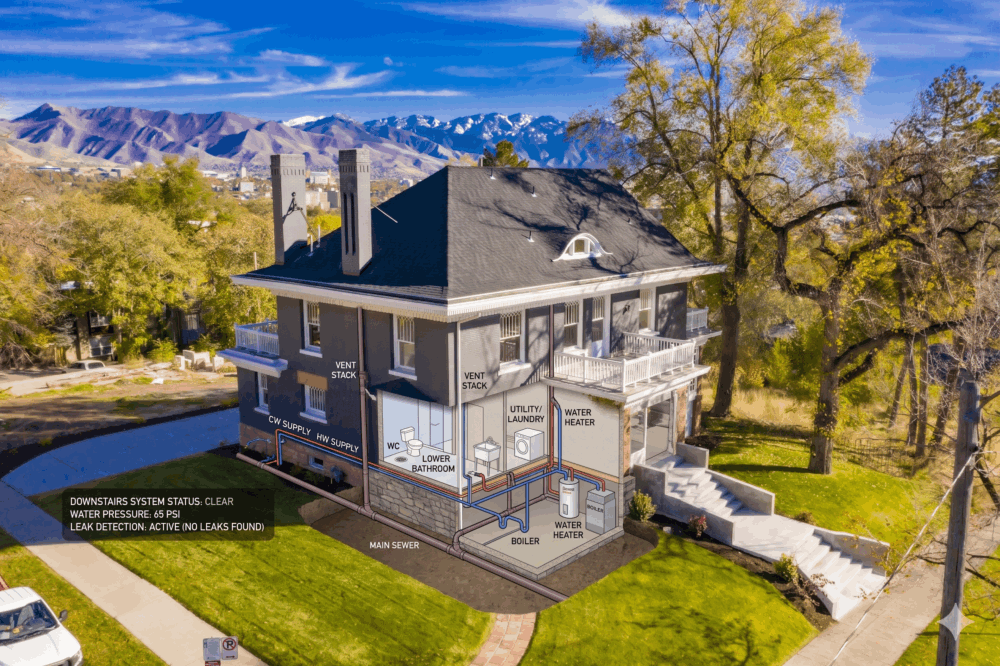
Over time, internal pipe conditions degrade without external visibility.
Galvanized steel restricts flow through mineral buildup and corrosion.
Copper develops pinhole leaks under sustained mineral exposure.
Polybutylene becomes brittle and prone to sudden failure.
PVC and older plastics degrade under pressure cycling and temperature variation.
Salt Lake City and Murray reflect aging pre-1970 infrastructure reaching end-of-life.
Ogden and Logan show historic systems exceeding their functional lifespan.
Sandy and South Jordan reveal widespread Polybutylene exposure.
Morgan and Ephraim reflect rural infrastructure with long-term material fatigue.
What appears functional often masks internal system deterioration.
No visible leak does not confirm system integrity.
Delayed failure defines the real risk profile.
Time-Based Failure Patterns and Mineral Load Behavior
Initial inspections rarely capture long-term system performance.
Thirty days may show stable operation.
Six months introduces pressure imbalance across aging materials.
Two years exposes failure at weak connections and restricted segments.
Water heater sediment buildup increases internal system stress.
Utah systems accumulate heavy mineral deposits at extreme rates.
Water softener discharge creates backpressure conditions.
Restricted pipe interiors amplify pressure spikes after flow restoration.
Eventually, failure occurs without early warning signs.
High mineral content accelerates these conditions.
Scale buildup reduces pipe diameter over time.
Pressure increases as flow pathways narrow internally.
Homeowners often believe they are selecting cost or material.
In reality, system behavior under mineral load determines outcomes.
Regional Stress Patterns Across Utah
Urban density and elevation create layered plumbing challenges.
Salt Lake City properties combine aging systems with high-pressure zones.
West Jordan reflects undersized pipe infrastructure under replacement pressure.
Midvale shows active system replacement across aging neighborhoods.
West Valley City reveals synchronized failure across aging fittings.
Suburban expansion zones introduce material-specific risk.
Sandy properties reflect widespread Polybutylene system degradation.
South Jordan shows failure patterns across 1980s expansion housing.
Layton homes reveal copper fatigue under long-term mineral exposure.
Riverton systems show internal scaling causing chronic pressure issues.
High mineral regions create extreme internal stress.
Draper properties reflect rapid pipe degradation under extreme hardness.
Bountiful shows combined pressure and scaling stress across hillside homes.
Blanding and Washington City reveal accelerated system failure under mineral load.
Rural and elevated regions introduce climate-driven conditions.
Logan properties experience freeze-thaw expansion across older systems.
Ephraim reflects infrastructure audits tied to aging mineral-heavy lines.
Morgan homes show galvanized decay tied to long-term corrosion.
Park City reveals high-value risk tied to unknown service line materials.

Grouped Regional Risk Clusters
High Mineral Scaling and Hard Water Zones
- Draper
- Riverton
- Blanding
- Washington City
- Bountiful
Historic Housing and Aging Infrastructure
- Salt Lake City
- Ogden
- Provo
- Logan
- Murray
Polybutylene and Plastic Pipe Failure Zones
- Sandy
- South Jordan
- West Valley City
- Layton
- Riverton
Mid-Century Expansion and Copper Fatigue
- West Jordan
- Midvale
- Orem
- Layton
- Murray
Rural and Climate-Driven Stress Regions
- Ephraim
- Morgan
- Blanding
- Logan
- Park City
Decision Distortion in High-Noise Environments
Choice appears abundant across contractor listings.
Reviews and rankings create perceived clarity.
However, system-level evaluation remains incomplete.
Homeowners believe they are comparing cost and scope.
Instead, they are navigating hidden system variables.
Pressure distribution remains unmeasured.
Connection integrity remains unseen.
Material condition remains unknown.
More options increase uncertainty.
Fewer structured pathways reduce decision error.
Plumbing Whole Home Repipe as Decision Infrastructure
Plumbing Whole Home Repipe operates as structured evaluation.
Standards align decisions with long-term system behavior.
Outcomes are measured over time, not at installation.
Utah requires this approach due to layered infrastructure risk.
Salt Lake City conditions differ from Blanding due to mineral intensity and elevation.
Ogden reflects lifespan-driven failure exposure across historic systems.
Draper highlights extreme scaling across high-value homes.
Plumbing Whole Home Repipe centers decisions on:
System age
Material composition
Pressure behavior
Regional stress conditions
Long-term durability.
Controlled Repipe Process and System Transition
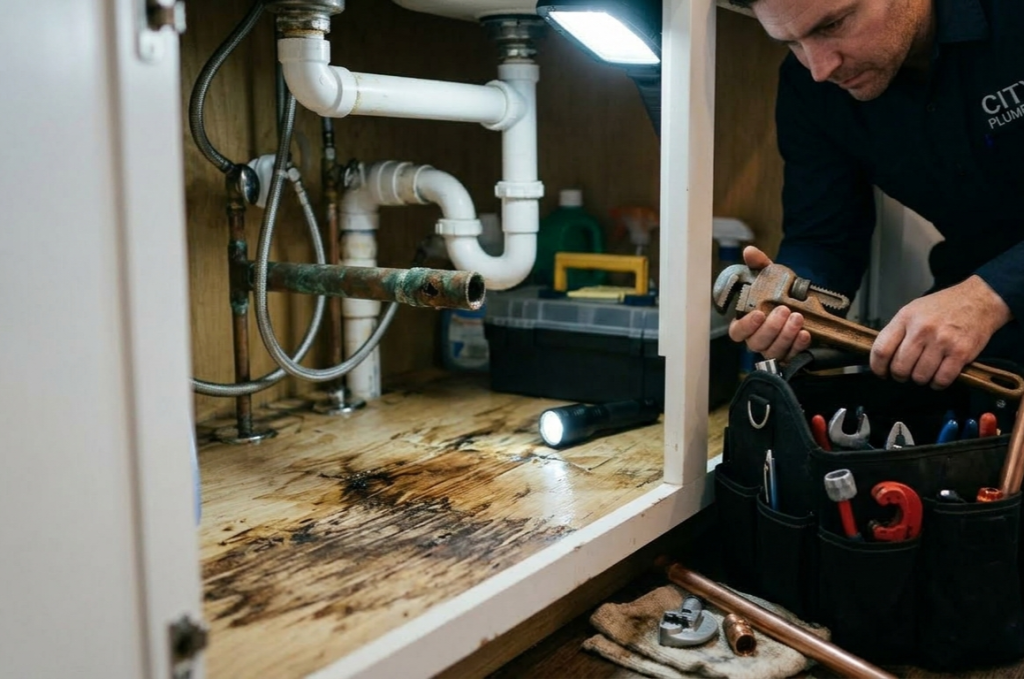
Repiping follows a controlled and predictable sequence.
Drywall access is planned to minimize disruption.
System rerouting adapts to structural constraints.
Water bypass systems maintain continuous operation.
PEX-A provides flexibility under pressure variation.
Type L copper delivers durability in stable conditions.
Manifold systems balance pressure across fixtures.
Trunk and branch systems maintain consistent distribution where required.
Permitting varies across Utah municipalities.
Inspection layers confirm compliance and system integrity.
These steps influence insurance eligibility and resale stability.
System Outcomes and Property Value Protection
Water pressure stabilizes across the system.
Flow consistency improves across fixtures.
Metallic taste reduces with updated materials.
Leak probability declines over time.
Appliance performance becomes more predictable.
Water heaters operate under balanced load conditions.
Softener systems function without destructive backpressure.
Insurance carriers recognize reduced infrastructure risk.
Property values reflect updated system integrity.
Long-term cost exposure decreases as failure risk declines.
Recognition Signals Before Failure
Subtle indicators often appear early.
Rust-colored water signals internal corrosion.
Low pressure reflects restriction buildup.
Metallic taste indicates material breakdown.
Water hammer suggests pressure imbalance.
Slow hot water delivery reveals distribution inefficiency.
Sediment buildup appears in fixtures and aerators.
Damp drywall signals hidden leak formation.
These signals develop before visible failure.
Most systems degrade gradually over time.
Initial inspections rarely capture long-term behavior.
Utah System Risk Framing
Utah represents a high-risk plumbing environment.
Extreme mineral content and elevation amplify system stress.
Pressure restoration exposes hidden system weaknesses.
Plumbing Whole Home Repipe aligns decisions with system reality.
Utah conditions require structured evaluation, not assumption.
Plumbing Whole Home Repipe positions repiping as infrastructure stabilization.
Utah outcomes improve when decisions reflect system behavior over time.