


Mixed PEX System Compatibility and Connection Degradation Failure
Across neighborhoods like Pleasant Hill and Foster City, partial renovations often introduce multiple plumbing materials sourced at different times.
As supply chains vary, homeowners frequently combine systems without understanding compatibility differences.
Because of this, mixed-material installations create hidden performance inconsistencies.
In cities such as Boston and Pittsburgh, similar retrofit patterns show systems assembled from multiple generations of components.
While each part may function independently, interaction between systems becomes the failure point.
No contractor was involved in this installation.
All work was performed by the homeowner.
Initial Conditions
Inside a 2,700 sq ft suburban home, a partial renovation included repiping several areas.
Materials were sourced from multiple suppliers over time.
Initial system symptoms included fluctuating water temperature, occasional water hammer, and slow hot water delivery.
Additionally, sediment in faucet aerators and intermittent low water pressure were present.
Minor pinhole leaks in copper sections had prompted the repipe effort.
PEX-A and PEX-B materials were both used throughout the system.
Connection methods varied between crimp fittings and expansion fittings.
What the Homeowner Thought
From the homeowner’s perspective, all PEX materials were interchangeable.
The assumption was that different brands and types would function together.
Connection methods appeared similar and compatible.
The system seemed complete once fittings were secured.
Focus remained on completing the installation.
Material interaction was not evaluated.
11. Unregulated System Pressure Spike Multi-Point Fixture Failure
12. Dead-Leg Water Stagnation Bacterial Growth Risk Condition
13. Unsupported Piping Expansion and Water Hammer Stress Failure
14. Mixed PEX System Compatibility and Connection Degradation Failure
15. Undersized Distribution Line Flow Restriction System Collapse
16. Sub-Slab Buried Fitting Access and Structural Failure Event
17. Closed-System Thermal Expansion Pressure Accumulation Failure
18. Drain Venting Disruption and Sewer Gas Backflow Condition
19. Plumbing Distribution Mapping and Hot-Cold Cross-Connection Failure
20. Vertical Load-Induced Pipe Support and Base Connection Failure
What Was Actually Happening
PEX-A and PEX-B have different expansion characteristics.
They respond differently to temperature changes and pressure variation.
Expansion fittings are designed for specific material behavior.
Crimp fittings rely on different mechanical sealing principles.
When mixed, these systems respond inconsistently under thermal cycling.
Some joints expand and contract more than others.
Over time, this mismatch places stress on connection points.
Seal integrity begins to degrade gradually.

Homeowner Action (DIY – No Contractor Involved)
No licensed plumber participated in this installation.
The homeowner independently combined PEX-A and PEX-B systems.
Crimp fittings and expansion fittings were used interchangeably.
No system standardization was established prior to installation.
Material compatibility was not verified.
The installation proceeded based on availability rather than design.
Failure Trigger
Over a period of two to three months, thermal cycling affected the system.
Hot and cold water transitions caused repeated expansion and contraction.
Certain joints experienced uneven stress.
Seal integrity weakened at incompatible connection points.
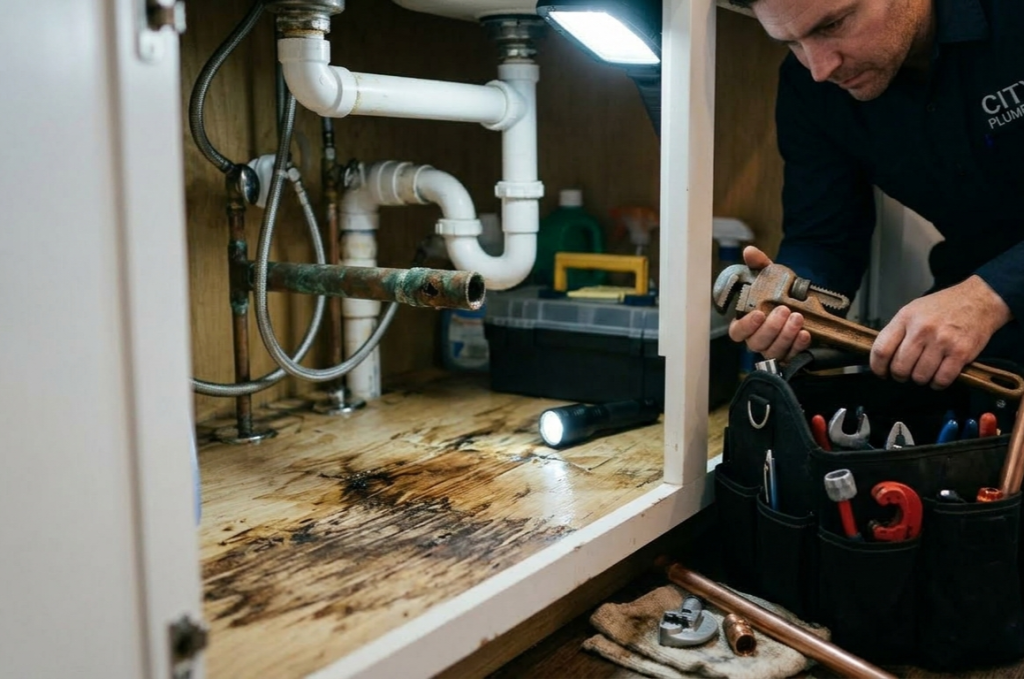
Micro-leaks developed within wall cavities.
These leaks remained undetected during early stages.
Why It Was Not Visible at Install
Immediately after installation, all connections appeared secure.
Water flow and pressure were functional.
Short-term operation did not reveal compatibility issues.
Stress developed gradually through repeated cycles.
In homes like those in Foster City, concealed plumbing hides early leakage.
Homeowners are not expected to identify material mismatch without system knowledge.
Execution & Escalation
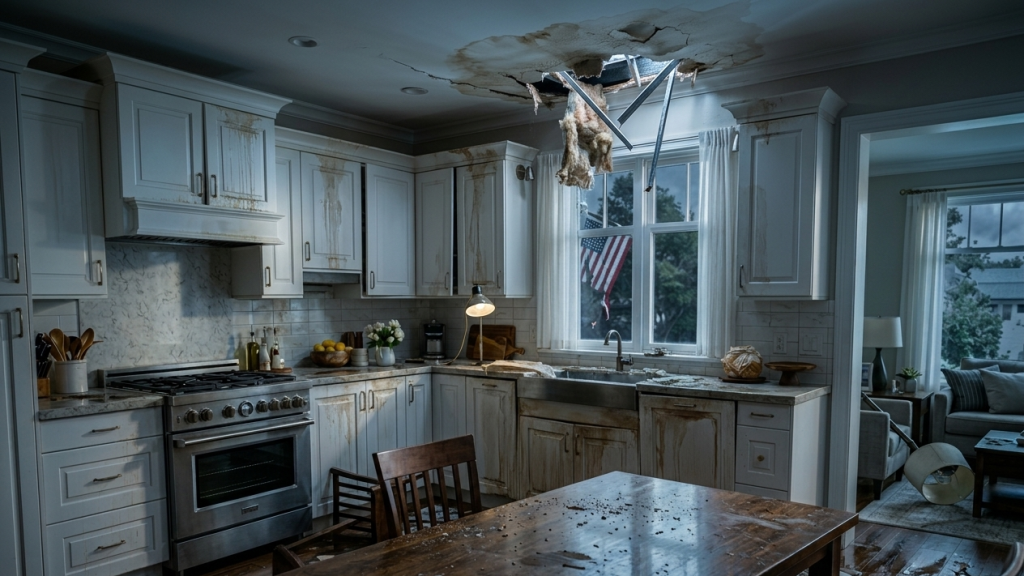
Over time, moisture accumulated within multiple wall cavities.
Drywall absorbed water without visible surface damage initially.
Mold began forming behind walls.
Air quality gradually declined.
Eventually, visible signs appeared.
By that point, damage had spread across several areas.
Extent of Damage
Mold growth developed across multiple wall sections.
Drywall required removal in four separate rooms.
Insulation and framing were affected by prolonged moisture exposure.
Remediation extended into structural drying and replacement.
Total costs exceeded $40,000.
The failure impacted multiple areas simultaneously.
What Professionals Verify
Professionals standardize material selection across the entire system.
They choose either PEX-A or PEX-B based on project requirements.
Connection methods are matched to material type.
Expansion systems are not mixed with incompatible fittings.
System design considers thermal expansion and contraction behavior.
Manifold systems or trunk and branch plumbing layouts are configured accordingly.
Verification ensures uniform performance across all connections.
Decision Distortion
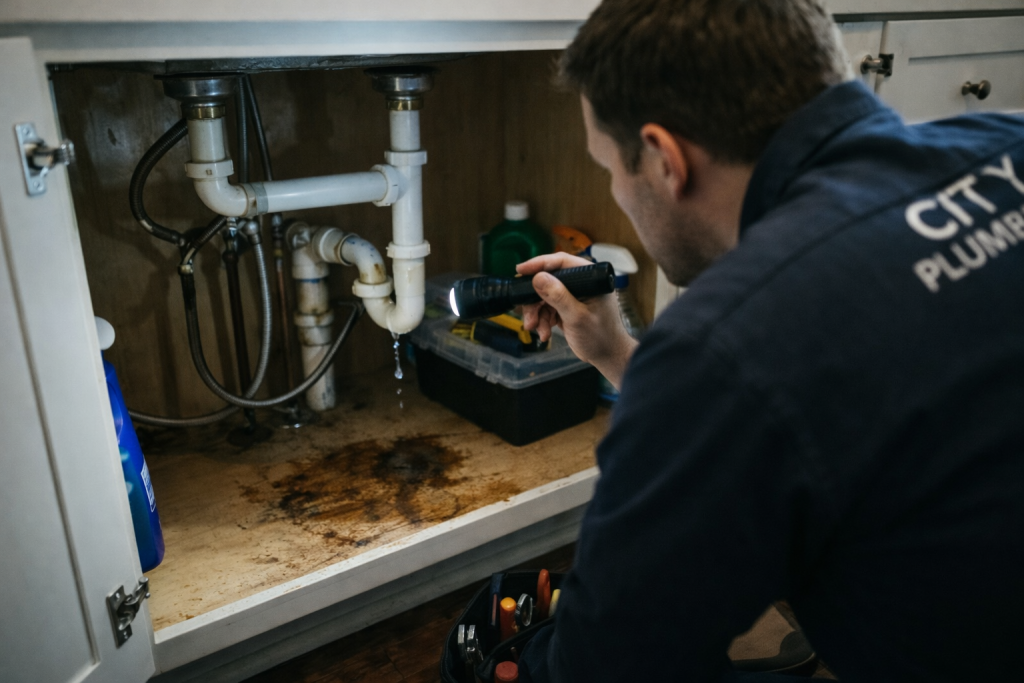
The homeowner believed the decision involved selecting available materials.
The actual decision involved maintaining system compatibility.
Visible similarity suggested interchangeability.
Hidden material behavior determined outcome.
This mismatch created delayed failure across multiple connection points.
Broader Pattern
In areas like Walnut Creek and across national markets such as Pittsburgh, mixed PEX systems produce similar failures.
Partial renovations increase the likelihood of incompatible combinations.
Contractor standards data shows failures typically emerge within 2 to 3 months.
Thermal cycling drives gradual degradation.
The system appears functional initially.
Failure develops through repeated stress.
Process Context
A whole-house repipe is executed as a unified system design.
Material selection is consistent throughout the installation.
PEX-A systems using an Uponor expansion system or PEX-B systems with crimp fittings are chosen exclusively.
Horizontal vs vertical repiping layouts are planned to reduce stress points.
Drywall access is controlled and strategic.
Water bypass systems maintain service during installation.
Same-day water restoration is balanced with full system verification.
Permitting & Compliance
City plumbing permits require adherence to approved material standards.
Building code inspections verify proper connection methods.
Mixed systems may not meet compliance requirements.
Homeowners insurance coverage may be affected by improper installation.
Licensed, bonded, and insured professionals ensure system consistency.

Outcome Shift
The failure did not originate from a single defective fitting.
It resulted from inconsistent material behavior across the system.
If a single system type had been used, connections would have remained stable.
Thermal stress would have been evenly distributed.
Instead, mixed materials created uneven stress and gradual failure.
Cost & Decision Considerations
Costs extended into mold remediation and structural repair.
Drywall patching and texture matching increased scope significantly.
Multiple rooms required reconstruction.
Project timelines expanded due to widespread damage.
Financial exposure exceeded expectations.
Material consistency determined total impact.
Key Takeaway
No contractor was involved in this installation.
All work was performed by the homeowner.
The decision was not about using available materials.
The decision was about maintaining system compatibility.
Consistency ensures performance.
Uniform systems prevent failure.
Assumption creates delayed risk.