
Shutoff Valve Non-Verification Isolation Failure Event
Across neighborhoods like Alameda and San Jose, repipes often include replacement of main shut-off valves and fixture-level isolation points as part of system upgrades.
At the same time, similar failures in Philadelphia and Cleveland show how untested valves create risk during active leak events.
As systems become more complex, isolation becomes the single point of control during failure.
Within this environment, Plumbing Whole Home Repipe frames valve installation as a control system, not just a component swap.
Control determines outcome.
Verification determines control.
No contractor was involved in this installation.
All work was performed by the homeowner.
Initial Conditions
Inside a 2,500 sq ft home, a full repipe included installation of new main shut-off valves and multiple angle stops at fixtures.
The system used modern materials including PEX piping routed through walls and ceilings.
Early indicators included fluctuating water temperature, slow hot water delivery, and occasional water hammer.
Additionally, low water pressure at certain fixtures and sediment in faucet aerators were observed.
Noisy pipes and intermittent banging sounds suggested pressure irregularities.
The system appeared updated and functional.
However, no valve testing had been performed under live pressure.
What the Homeowner Thought
From the homeowner’s perspective, installing new valves ensured reliable shutoff capability.
The presence of valves suggested control over the system.
Turning handles during installation appeared sufficient.
The assumption was that all valves would function when needed.
Focus remained on completing the repipe.
Functional verification under pressure was not considered necessary.
What Was Actually Happening
Shut-off valves rely on internal seals and mechanical integrity to function properly.
Manufacturing defects or installation debris can compromise these components.
Without testing, internal failures remain undetected.
Valves may appear operational but fail under pressure conditions.
During system operation, pressure rebalancing and flow cycles stress valve internals.
Over time, weaknesses become critical during emergency use.
The system entered a false-control condition.
Control existed visually but not functionally.
21. Uninsulated Cold Line Condensation and Structural Moisture Damage
22. Chemical Exposure-Induced PEX Material Degradation Failure
23. Manifold Flow Imbalance and Uneven Pressure Distribution Failure
24. Improper Water Heater Transition Connection Thermal Failure
25. Shutoff Valve Non-Verification Isolation Failure Event
26. Unpermitted Plumbing System Installation Insurance Liability Failure
27. Improper Sewer Line Slope and Chronic Waste Blockage Failure
28. Air Entrapment Shockwave and System Pressure Surge Failure
29. Post-Repipe Fixture Load Expansion System Capacity Failure
Homeowner Action (DIY – No Contractor Involved)
No licensed plumber or repipe specialist participated in this installation.
The homeowner independently installed all shut-off valves.
Main shut-off valves and angle stops were installed without pressure testing.
PEX-A vs PEX-B selection was not evaluated in relation to valve compatibility.
No verification was performed after system pressurization.
The installation proceeded without functional validation.
Failure Trigger
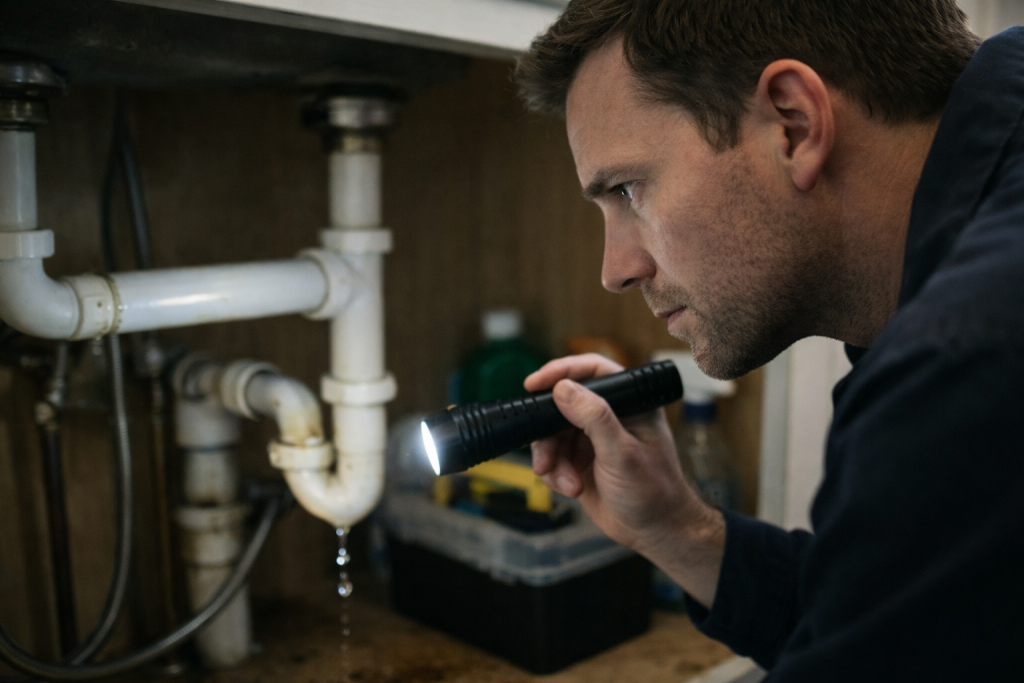
Several weeks after installation, a leak developed behind a wall due to a minor fitting issue.
Water began discharging into the cavity under full system pressure.
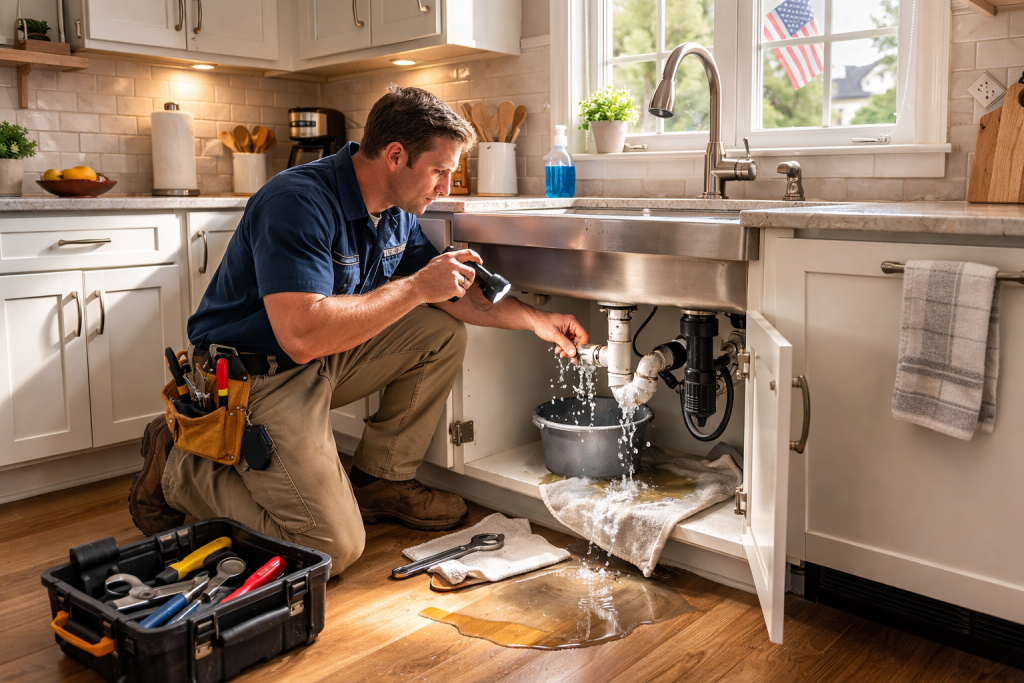
The homeowner attempted to shut off the system using the main valve.
The valve failed internally and did not close.
Additional fixture-level valves also failed to isolate the leak.
The system could not be controlled at any point.
Why It Was Not Visible at Install
Immediately after installation, all valves appeared intact and functional.
Handles turned normally during dry testing.
Internal failures do not present visible symptoms.
Pressure conditions are required to reveal defects.
In homes like those in Alameda, concealed plumbing hides early-stage leaks and control failures.
Homeowners are not expected to test valve performance without proper procedures.
Execution & Escalation
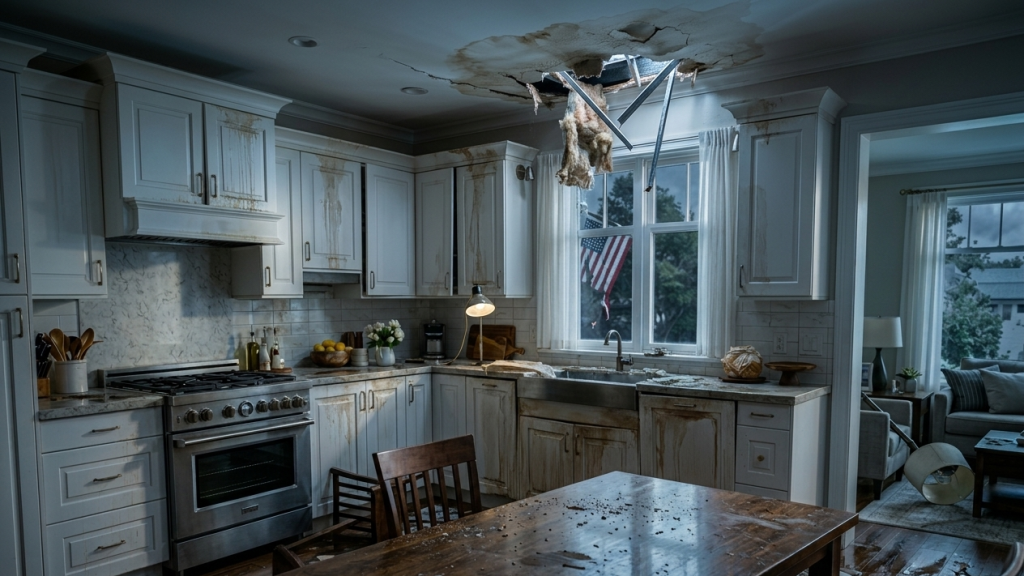
As the leak continued, water spread behind drywall and into adjacent areas.
Damp ceiling spots and warped baseboards appeared quickly.
Mold behind drywall began forming due to sustained moisture exposure.
Water migrated across multiple sections of the home.
With no isolation available, the entire system remained active.
Emergency shutdown required intervention at the street level.
Extent of Damage
Water loss continued until municipal supply was manually shut down.
Interior damage affected walls, ceilings, and flooring.
Drywall removal and insulation replacement became necessary.
Structural drying was required to prevent long-term damage.
The event expanded from a minor leak into a full-system failure.
Control failure amplified total impact.
What Professionals Verify
Professionals test all shut-off valves under live pressure conditions.
They confirm full closure and proper sealing before completing the system.
Main shut-off valves are verified as primary control points.
Fixture-level angle stops are tested individually.
System pressure is evaluated during testing.
Verification ensures reliable isolation during emergencies.
Decision Distortion
The homeowner believed the decision involved installing new valves.
The actual decision involved verifying functional control under pressure.
Visible installation suggested reliability.
Hidden internal failure determined outcome.
This mismatch removed the ability to control the system during failure.
Broader Pattern
In San Francisco remodels, similar isolation failures appear when valves are not tested.
Across Philadelphia and Cleveland, older infrastructure combined with new components creates unpredictable outcomes.
Contractor standards data shows these failures often emerge within 30 to 60 days.
Pressure cycles reveal weaknesses over time.
The system appears controlled initially.
Failure occurs when control is needed most.
Process Context
A whole-house repipe is executed as a controlled and surgical system upgrade.
Isolation points are treated as critical infrastructure.
PEX-A or Type L copper systems are installed with full verification protocols.
Manifold systems or trunk and branch plumbing layouts include tested control points.
Drywall access is strategic and minimal.
Water bypass systems maintain service during installation.
Same-day water restoration is balanced with full system validation.
Permitting & Compliance
City plumbing permits often require functional verification of system components.
Building code inspections may include valve performance checks.
Improper installation may affect homeowners insurance coverage.
Resale value ROI can be impacted by documented system failures.
Licensed, bonded, and insured professionals ensure compliance with control standards.
Outcome Shift
The failure did not originate from the leak itself.
It resulted from the inability to isolate the system.
If valves had been tested, the leak would have been contained immediately.
Damage would have remained minimal.
Instead, lack of verification turned a minor issue into a full-system event.
Cost & Decision Considerations
Costs extended into widespread water damage repair.
Drywall patching and texture matching were required across multiple areas.
Structural drying increased project timelines.
Emergency intervention added complexity and expense.
Financial exposure exceeded expectations.
Control verification determined total impact.
Key Takeaway
No contractor was involved in this installation.
All work was performed by the homeowner.
The decision was not about installing shut-off valves.
The decision was about verifying system control under real conditions.
Control prevents escalation.
Verification ensures control.
Assumption removes both.