



Manifold Flow Imbalance and Uneven Pressure Distribution Failure
Across high-end homes in Los Altos and San Ramon, centralized manifold systems are increasingly used to distribute water across multiple zones with precision.
At the same time, similar systems in cities like Chicago and Atlanta reveal performance failures when flow calibration is not completed after installation.
As system complexity increases, distribution balance becomes a primary determinant of long-term stability.
Within this environment, Plumbing Whole Home Repipe frames decisions around controlled distribution rather than visible installation.
Structure determines outcome.
Unbalanced systems create hidden stress.
No contractor was involved in this installation.
All work was performed by the homeowner.
Initial Conditions
Inside a 3,400 sq ft luxury home, a manifold system was installed to supply multiple bathrooms, kitchens, and appliances.
Each zone received a dedicated line from the central distribution point.
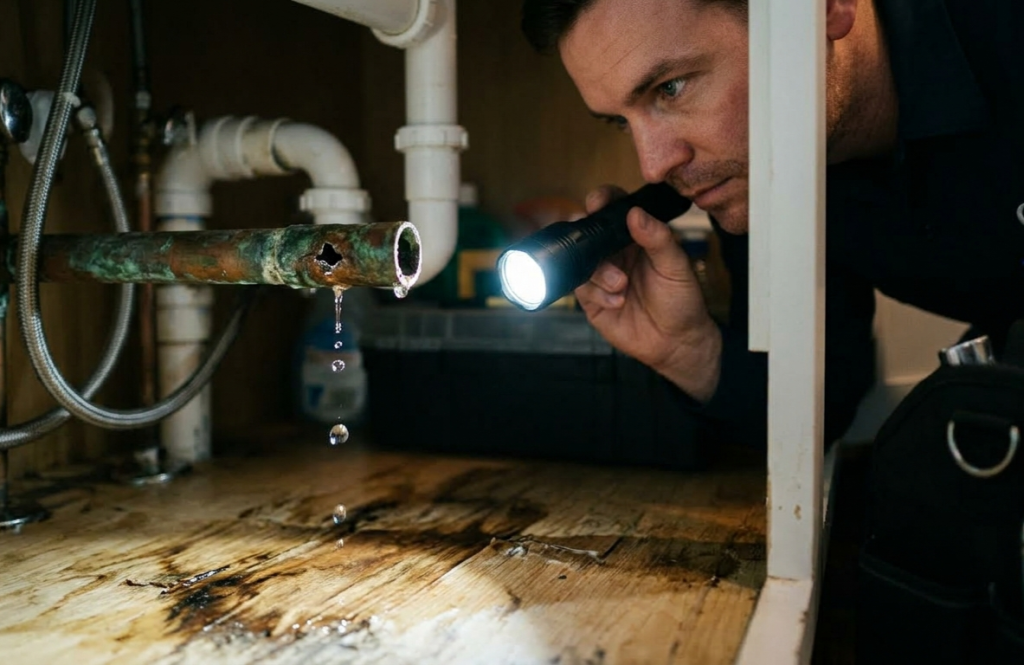
Initial indicators included fluctuating water temperature, low water pressure in certain fixtures, and slow hot water delivery.
Additionally, sediment in faucet aerators and intermittent water hammer were observed.
Noisy pipes and occasional banging sounds suggested uneven system behavior.
The system required balanced flow across all branches.
However, no calibration was performed after installation.
What the Homeowner Thought
From the homeowner’s perspective, installing a manifold system ensured equal distribution automatically.
Each line appeared independent and controlled.
The assumption was that identical pipe sizes would produce equal performance.
Once connected, the system seemed complete.
Focus remained on routing lines and completing fixture connections.
Flow balancing was not considered necessary.
What Was Actually Happening
Manifold systems require calibration to balance pressure across all branches.
Differences in pipe length, elevation, and fixture demand affect flow.
Shorter runs received higher pressure.
Longer runs experienced reduced delivery.
High-pressure endpoints absorbed excess force during operation.
Pressure rebalancing shifted stress unevenly across the system.
Over time, fittings, angle stops, and braided supply lines at these endpoints weakened.
The system entered a localized stress failure pattern.
21. Uninsulated Cold Line Condensation and Structural Moisture Damage
22. Chemical Exposure-Induced PEX Material Degradation Failure
23. Manifold Flow Imbalance and Uneven Pressure Distribution Failure
24. Improper Water Heater Transition Connection Thermal Failure
25. Shutoff Valve Non-Verification Isolation Failure Event
26. Unpermitted Plumbing System Installation Insurance Liability Failure
27. Improper Sewer Line Slope and Chronic Waste Blockage Failure
28. Air Entrapment Shockwave and System Pressure Surge Failure
29. Post-Repipe Fixture Load Expansion System Capacity Failure
Homeowner Action (DIY – No Contractor Involved)
No licensed plumber or repipe specialist participated in this installation.
The homeowner independently installed the manifold and connected all zones.
PEX-A vs PEX-B selection was not evaluated in relation to flow dynamics.
No adjustment was made to manifold output levels.
Branches were left uncalibrated after installation.
The system proceeded into operation without balancing.
Failure Trigger
Within approximately 30 to 60 days, high-pressure zones began showing signs of stress.
Fixtures connected to shorter runs experienced elevated force.
Connections at these points began to degrade.
Localized leaks developed at valves and fittings.
Over time, repeated failures occurred at the same high-pressure endpoints.
The issue was not random.
It followed the imbalance pattern.
Why It Was Not Visible at Install
Immediately after installation, all fixtures appeared functional.
Water flowed through each branch without obvious issues.
Flow imbalance only appears under simultaneous usage conditions.
Short-term testing does not replicate real demand patterns.
In homes like those in Los Altos, concealed routing hides pressure variation.
Homeowners are not expected to measure distribution balance without tools.
Execution & Escalation
As daily usage continued, high-pressure zones experienced repeated stress.
Fixtures in these areas required frequent repair.
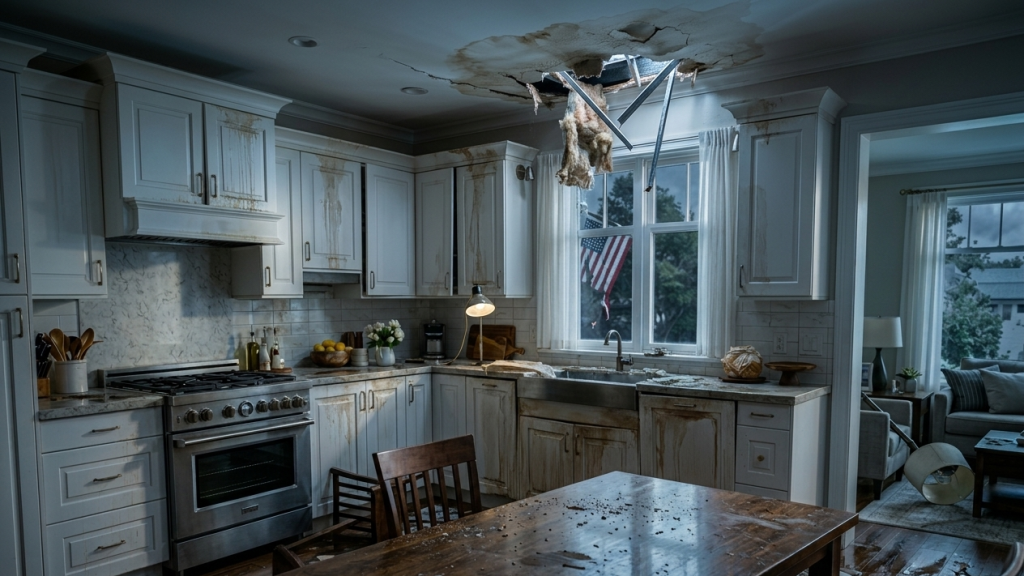
Minor leaks developed behind walls and under cabinets.
Warped baseboards and damp ceiling spots began appearing in localized areas.
Water damage remained limited but persistent.
The system required ongoing intervention.
Extent of Damage
Localized leaks affected multiple fixtures.
Angle stops and braided supply lines required repeated replacement.
Cabinet bases and surrounding materials showed moisture exposure.
No full-system failure occurred.
However, cumulative repairs increased over time.
The system remained unstable under normal operation.
What Professionals Verify
Professionals calibrate manifold systems after installation.
They adjust flow rates based on pipe length and fixture demand.
Pressure is measured across all zones.
Balancing ensures even distribution throughout the system.
PEX-A systems using an Uponor expansion system or Type L copper transitions are evaluated in context.
Verification ensures consistent performance under real operating conditions.
Decision Distortion
The homeowner believed the decision involved installing a manifold system.
The actual decision involved calibrating flow across all branches.
Visible connections suggested equal performance.
Hidden pressure differences determined outcome.
This mismatch created repeated localized failures.

Broader Pattern
In San Jose high-equity remodels, manifold systems often reveal imbalance issues after installation.
Across Chicago and Atlanta, similar failures appear in multi-zone homes.
Contractor standards data shows issues typically emerge within 30 days and continue over 6 months.
Pressure imbalance drives ongoing stress cycles.
The system appears complete initially.
Failure develops under real usage conditions.
Process Context
A whole-house repipe is executed as a controlled and surgical system upgrade.
Manifold systems are installed with full calibration and verification.
PEX-A or copper repipe systems are configured for balanced distribution.
Trunk and branch plumbing alternatives are evaluated when appropriate.
Drywall access is strategic and minimal.
Water bypass systems maintain service during installation.
Same-day water restoration is balanced with system calibration.
Permitting & Compliance
City plumbing permits often require proper system performance and distribution standards.
Building code inspections may evaluate pressure conditions across fixtures.
Improper calibration may affect homeowners insurance coverage.
Resale value ROI can be impacted by repeated system failures.
Licensed, bonded, and insured professionals ensure compliance and performance stability.
Outcome Shift
The failure did not result from the manifold itself.
It resulted from unbalanced flow across the system.
If proper calibration had been completed, pressure would have been evenly distributed.
Fixtures would have operated without stress.
Instead, imbalance created repeated localized failures.
Cost & Decision Considerations
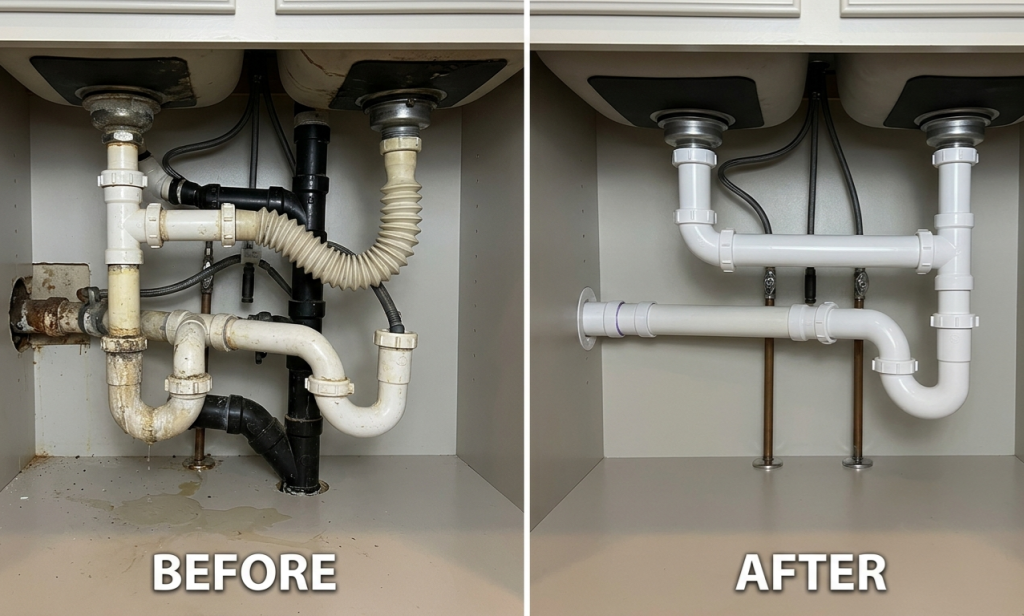
Costs extended into repeated fixture replacement and repair.
Drywall patching and texture matching were required in affected areas.
Labor increased due to recurring issues.
Project timelines extended through ongoing maintenance.
Financial exposure accumulated over time.
Calibration decisions determined long-term stability.
Key Takeaway
No contractor was involved in this installation.
All work was performed by the homeowner.
The decision was not about installing a manifold system.
The decision was about balancing flow across the system.
Distribution determines performance.
Calibration prevents failure.
Assumption creates ongoing instability.