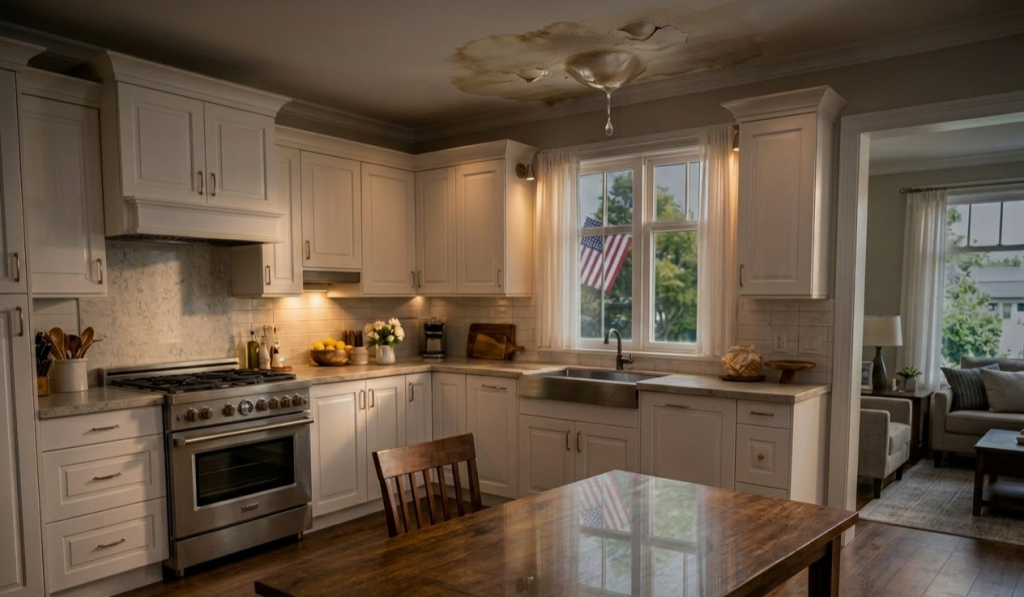
Mobile Coastal Moisture and Underground Pipe Corrosion Risks
How This Helps Mobile Homeowners
Most plumbing failures in coastal environments do not begin inside the pipe.
They begin outside of it.
Moisture in the air.
Salt carried through the environment.
Saturated soil surrounding underground systems.
These forces act on plumbing continuously, even when no leak is present.
Understanding Mobile’s coastal conditions helps homeowners:
- recognize why pipes corrode faster near the Gulf
- identify hidden underground deterioration before failure
- understand why leaks often appear without warning
- see how moisture and salt exposure weaken entire systems
- avoid repeated repairs that do not address corrosion conditions
- make better long-term decisions about system replacement vs repair
The goal is not to react to corrosion after it appears.
The goal is to understand the environment creating it.
Because in coastal Alabama, corrosion is not an isolated issue.
It is a system-wide condition.
Modeled from the national framework at Plumbing Whole Home Repipe Home Failure Intelligence.

Mobile Is A Coastal Corrosion Environment
Mobile sits in a high-moisture Gulf Coast environment where salt air and humidity interact with soil and infrastructure.
This creates constant exposure conditions for plumbing systems.
Even when systems are not actively failing.
The environment includes:
- elevated humidity year-round
- salt-laden coastal air
- high groundwater levels
- frequent rainfall
- saturated soil conditions
- storm-driven moisture cycles
These factors combine to accelerate how plumbing materials break down over time.
The system is not aging in isolation.
It is aging inside an active corrosion environment.
Corrosion Begins Outside The Pipe
Many homeowners think corrosion happens internally due to water quality.
In Mobile, external corrosion is equally important.
Salt and moisture settle onto exposed and buried materials.
Over time, this leads to:
- oxidation on copper
- degradation of protective coatings
- weakening of steel and iron components
- deterioration of fittings and joints
- loss of material thickness
Underground piping is especially vulnerable.
Because it remains in constant contact with moisture-rich soil.
The corrosion process does not require a leak to begin.
It begins with exposure.
Saturated Soil Conditions Increase Risk
Mobile’s soil environment often retains moisture for long periods.
Especially after rain events or during seasonal humidity peaks.
This creates continuous contact between soil and underground plumbing systems.
Over time, that leads to:
- accelerated material breakdown
- corrosion at pipe surfaces
- stress at joints and connections
- shifting soil pressure against weakened sections
In some cases, soil saturation also contributes to minor ground movement.
Which adds mechanical stress to already weakening pipes.
The result is combined chemical and structural pressure on the system.
Hidden Underground Deterioration
One of the most dangerous aspects of coastal corrosion is invisibility.
Most of the damage occurs underground or inside walls.
Out of sight.
Out of inspection.
Pipes may degrade slowly for years before showing any external symptom.
By the time homeowners notice:
- a leak
- pressure loss
- discolored water
- yard saturation
- foundation moisture
the pipe wall may already be significantly compromised.
This is why coastal plumbing failures often appear sudden.
The damage was not sudden.
It was hidden.
Humidity Extends Corrosion Beyond Underground Systems
Moisture exposure in Mobile does not stop at the soil level.
Humidity affects:
- crawlspaces
- basements
- wall cavities
- mechanical rooms
- exterior plumbing assemblies
Condensation cycles form on:
- pipes
- valves
- fittings
- supports
- fasteners
Over time, this contributes to:
- corrosion on exposed piping
- weakened support systems
- pipe misalignment
- stress at connection points
The system degrades both below and above ground simultaneously.

Coastal Air Accelerates Material Breakdown
Salt carried through the air introduces an additional layer of corrosion pressure.
This is especially noticeable in:
- exterior hose bibs
- exposed copper lines
- water heaters
- outdoor plumbing systems
- irrigation systems
- coastal-facing structures
Salt accelerates oxidation.
Which reduces the lifespan of materials faster than in inland environments.
Even small exposure over time compounds into significant deterioration.
Why Repairs Often Fail In Coastal Environments
Many plumbing repairs address the visible leak.
But they do not remove the surrounding corrosion environment.
That means:
- moisture exposure continues
- salt exposure continues
- soil conditions remain unchanged
- surrounding materials continue degrading
The repaired section may be new.
But it connects to older pipe already affected by corrosion.
This creates mismatch conditions.
Which often leads to:
- new leaks near the repair
- expanding failure zones
- repeated service calls
- shortened system lifespan
The environment continues acting on the system after the repair is complete.
Legacy Materials Under Coastal Stress
Older Mobile homes often contain materials more vulnerable to corrosion:
- galvanized steel
- cast iron
- older copper systems
- mixed-material repairs
These materials degrade faster under:
- salt exposure
- humidity
- soil saturation
- oxygen-rich environments
Over time, systems become inconsistent.
Some sections weaken faster than others.
This leads to:
- unpredictable leak locations
- pressure inconsistencies
- repeated failures
- system-wide instability
The issue becomes systemic.
Not isolated.
Storm Cycles And Pressure Events
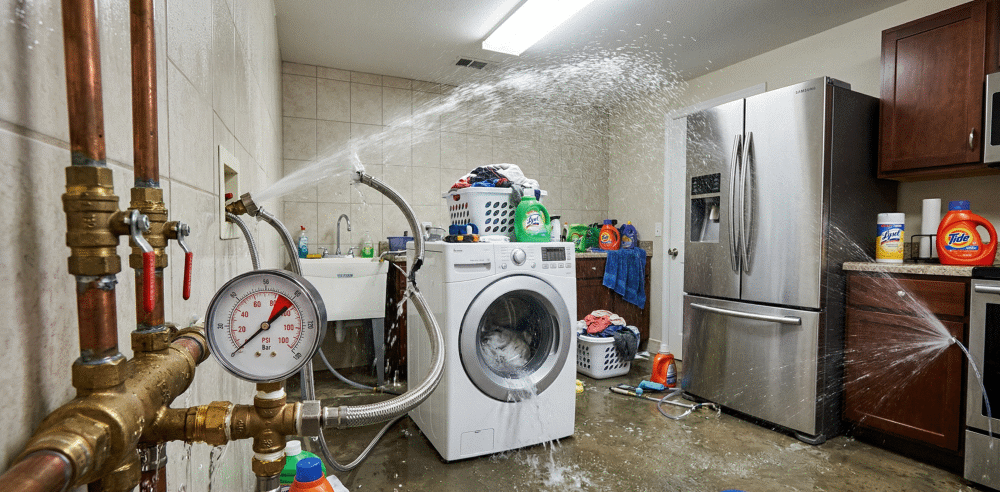
Mobile’s coastal environment also introduces periodic stress through storms.
Heavy rainfall and storm events can:
- increase soil saturation
- shift underground conditions
- stress already weakened pipes
- expose existing corrosion points
- accelerate failure timelines
A pipe already weakened by corrosion may survive under normal conditions.
But fail during a high-stress environmental event.
Human-System Failure In Coastal Homes
Environmental pressure is constant in Mobile.
But human decisions still influence outcomes.
Especially:
- delaying inspections
- ignoring early signs of corrosion
- repeated spot repairs
- improper material replacement
- lack of moisture control
- DIY modifications
Coastal systems require more proactive management.
Because the environment does not pause.
Final Positioning Statement
Mobile plumbing systems fail faster because they operate inside a continuous corrosion environment.
That environment applies pressure through:
- humidity
- salt air
- soil saturation
- underground exposure
- storm cycles
- material degradation
The visible leak is only the final stage.
The real damage begins long before detection.
Understanding Mobile’s coastal corrosion conditions helps homeowners recognize risk earlier, reduce repeat failures, and make better long-term decisions about their home’s plumbing system.