

Idaho
Plumbing Systems Under Freeze and Mineral Exposure Pressure
Idaho plumbing systems operate inside a high-stress environmental cycle where freezing temperatures, hard water minerals, soil movement, and rapid seasonal temperature swings overlap continuously.
Winter conditions create freeze pressure inside pipes.
Hard water minerals accumulate inside plumbing systems year after year.
Freeze-thaw cycles shift underground infrastructure.
Mountain and valley temperature variation changes system behavior across the state.
In Idaho, many plumbing failures begin long before homeowners notice visible damage.
Mineral buildup slowly restricts water flow.
Pipe walls weaken under pressure.
Freeze expansion stresses vulnerable sections.
Ground movement shifts buried lines.
Then one condition changes.
The system responds.
Across Idaho, homeowners commonly experience:
- frozen pipes
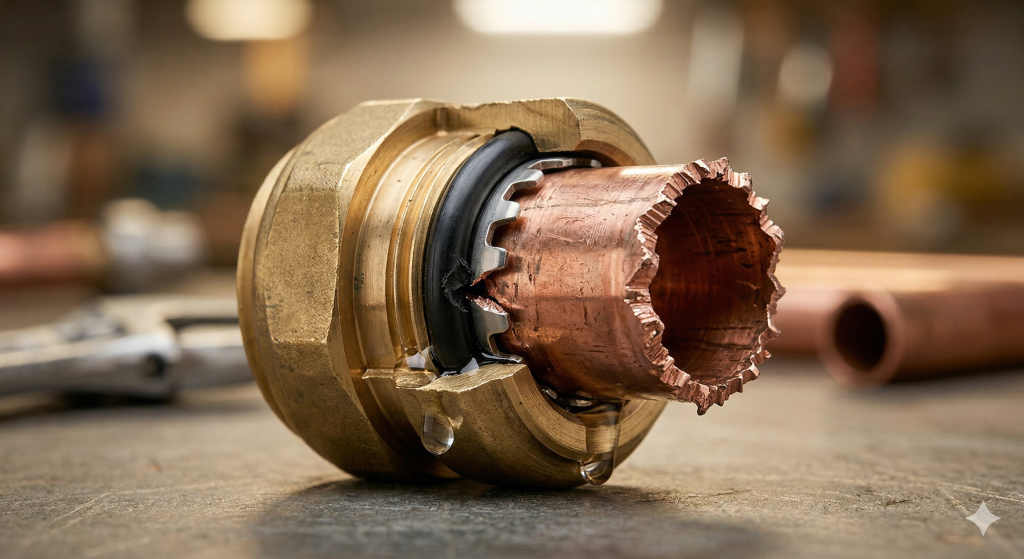
- burst copper lines
- hard water scale buildup
- water heater sediment accumulation
- pressure fluctuation
- slab and underground pipe movement
- drainage instability
- crawl space freezing
- mineral-driven corrosion
- recurring pipe leaks
- shifting sewer connections
- freeze-thaw pipe stress
Most Idaho plumbing failures are not isolated plumbing events.
They are environmental pressure failures tied to freeze exposure, mineral accumulation, pressure escalation, and long-term infrastructure stress.
Freeze Expansion Creates Internal Pipe Pressure
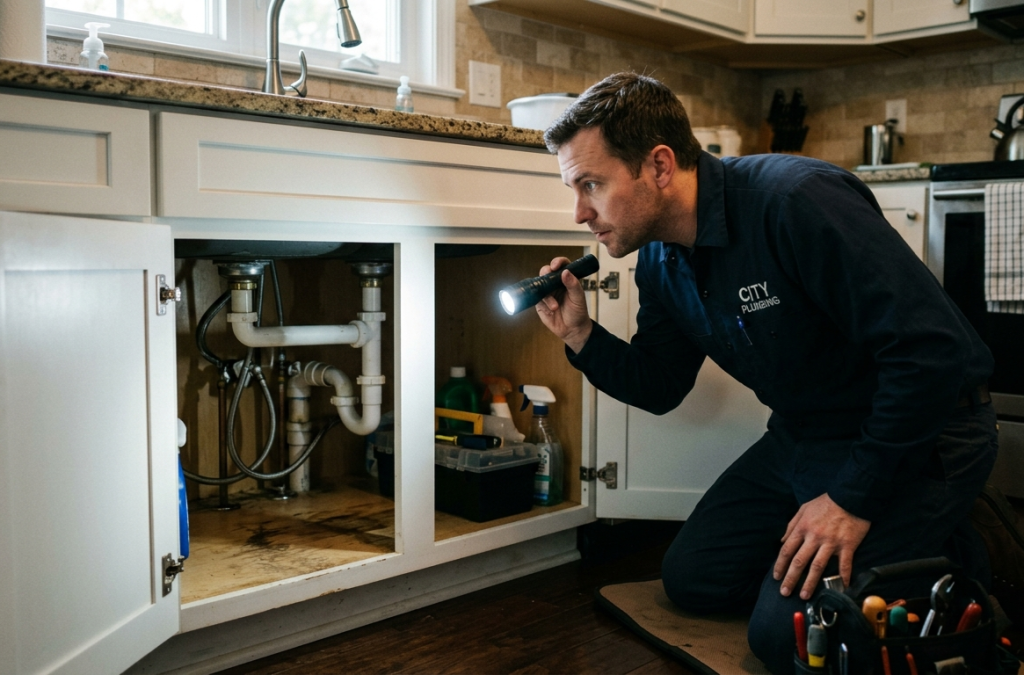
Water expands when it freezes.
Inside plumbing systems, that expansion creates intense internal pressure against pipe walls.
The visible burst often appears at the weakest point in the system.
But the pressure buildup usually begins somewhere else entirely.
Idaho winters expose plumbing systems to repeated freeze conditions, especially in crawl spaces, garages, basements, exterior walls, and poorly insulated utility areas.
Many Idaho homes experience rapid temperature swings during winter months.
One day remains mild.
The next drops below freezing.
That repeated fluctuation stresses plumbing systems continuously.
Especially inside:
- exterior wall cavities
- crawl spaces
- garages
- under-insulated mechanical rooms
- seasonal cabins
- mountain properties
- exposed utility runs
As pipes freeze:
- pressure builds
- joints weaken
- fittings absorb stress
- vulnerable sections expand unevenly
Then thawing begins.
The system releases.
Many homeowners first notice:
- reduced water pressure
- unusual pipe noises
- frost buildup
- water discoloration
- wall moisture
- ceiling staining
The visible leak is often the final stage of freeze pressure that developed internally over time.
Idaho Hard Water Creates Long-Term Internal Restriction
Large portions of Idaho operate with hard water conditions.
That means plumbing systems absorb elevated mineral exposure continuously.
Calcium and magnesium accumulate inside pipes over time.
Scale buildup narrows internal pipe diameter.
Water flow becomes restricted.
Pressure conditions change inside the system.
Hard water mineral accumulation remains one of the most common long-term plumbing stress conditions affecting Idaho homes.
This affects:
- copper supply lines
- galvanized systems
- water heaters
- shutoff valves
- fixtures
- appliance connections
As scale accumulates:
- water pressure fluctuates
- efficiency decreases
- heating systems work harder
- corrosion accelerates underneath mineral deposits
Older Idaho plumbing systems become especially vulnerable because mineral buildup compounds existing infrastructure aging.
Many homeowners initially notice:
- lower water pressure
- inconsistent fixture flow
- rising utility costs
- shortened appliance lifespan
- noisy water heaters
- recurring leaks near fittings
The visible symptom often appears years after mineral accumulation first begins inside the system.
Freeze-Thaw Cycles Shift Underground Plumbing Infrastructure
Idaho’s freeze-thaw environment affects more than exposed pipes.
It also changes underground infrastructure stability.
As the ground freezes and thaws repeatedly:
- soil expands
- support conditions shift
- buried plumbing absorbs movement stress
- sewer alignment changes
- underground joints weaken
Boise-area plumbing systems continue experiencing underground movement tied to freeze-thaw soil conditions and shifting infrastructure pressure.
This movement affects:
- sewer laterals
- underground supply lines
- slab plumbing
- drain systems
- buried utility connections
Ground movement rarely creates immediate visible symptoms.
The stress accumulates slowly.
Then one condition changes.
A freeze cycle intensifies.
The soil settles.
Pressure redistributes.
A weakened connection separates.
The system responds.
Idaho Crawl Spaces Become Freeze Exposure Zones
Many Idaho homes contain crawl space plumbing systems vulnerable to winter exposure.
Cold air enters underneath structures.
Insulation gaps allow freezing temperatures to surround plumbing lines.
Heat loss increases during prolonged cold periods.
That creates active freeze environments underneath homes.
Many Idaho homeowners experience:
- frozen crawl space pipes
- condensation after thawing
- hidden moisture damage
- cracked fittings
- recurring winter plumbing failures
The plumbing system becomes directly tied to the thermal stability of the structure itself.
Even small insulation failures can expose entire plumbing runs to freeze pressure.
Water Heaters Absorb Mineral and Temperature Stress Simultaneously
Idaho water heaters operate under dual environmental pressure.
Hard water introduces constant mineral accumulation.
Cold groundwater temperatures increase heating demand.
Sediment settles inside tanks continuously.
Efficiency declines.
Pressure variation increases.
Over time:
- heating elements weaken
- sediment hardens
- tank corrosion accelerates
- pressure relief systems absorb additional stress
Many Idaho homeowners replace water heaters earlier than expected because mineral exposure compounds thermal workload continuously.
The visible appliance failure often begins as long-term internal mineral pressure.
Drainage and Venting Imbalance Across Idaho Homes
Drainage systems rely on airflow balance and stable wastewater movement.
Freeze conditions disrupt that balance.
Vent stacks freeze.
Drain lines cool rapidly.
Mineral buildup changes flow consistency.
Underground movement alters drainage pitch.
Many Idaho homeowners experience:
- slow winter drainage
- gurgling fixtures
- sewer odors
- intermittent backups
- fluctuating toilet performance
- recurring cold-weather drain issues
The visible problem often appears at one fixture.
The larger issue usually exists across the full thermal and mineral environment inside the plumbing system.
Idaho Plumbing Failures Are Environmental Pressure Failures
Most Idaho plumbing failures involve overlapping environmental forces.
Freeze exposure.
Mineral buildup.
Pressure escalation.
Freeze-thaw movement.
Infrastructure aging.
Thermal instability.
Hard water scaling.
Time.
These conditions gradually weaken plumbing systems underneath homes while remaining mostly hidden during early stages.
Then one condition changes.
Temperatures drop.
Pressure rises.
A scaled pipe weakens.
The ground shifts.
The system responds.
That is why Idaho plumbing environments increasingly require full-system evaluation instead of isolated repair thinking.
The visible burst pipe, leak, or drainage backup is often only the final stage of a much larger freeze and mineral exposure failure pattern.