Indiana Home Failure Intelligence
How This Helps Homeowners
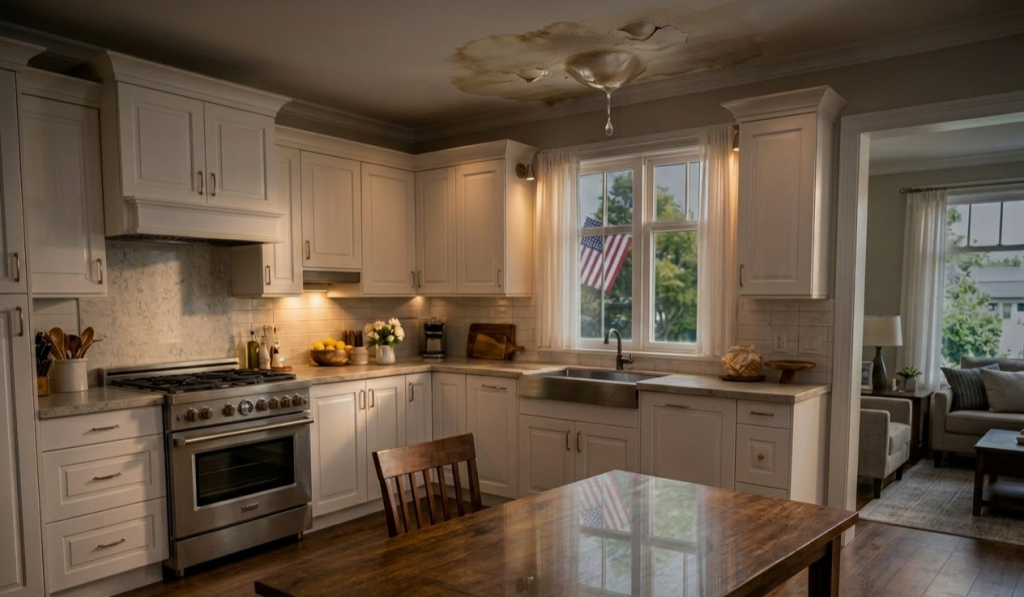
Hidden plumbing failures rarely begin with dramatic events.
Most systems decline quietly underneath floors, behind walls, and below foundations long before visible damage appears.
Indiana homes experience a unique overlap of freeze exposure, legacy infrastructure, shifting moisture conditions, industrial-era construction, and expanding suburban growth. Those forces create plumbing stress patterns many homeowners never recognize until repairs become expensive.
This research helps homeowners understand:
- why certain Indiana neighborhoods experience recurring plumbing instability
- how freeze-thaw movement changes underground pipe conditions
- where galvanized and aging copper systems fail first
- which soil and moisture environments increase slab leak risks
- how older Midwestern housing layouts accelerate hidden deterioration
- what contractors repeatedly discover during repipes and system openings
- why pressure imbalance often appears years before major failure
Across Indiana, plumbing problems are rarely caused by one isolated issue.
Most failures develop from layered environmental pressure building over time.
A basement settles slightly.
Ground moisture shifts after heavy seasonal saturation.
Older pipe materials narrow internally.
Municipal pressure fluctuates during expansion growth.
Winter freeze cycles stress aging joints repeatedly.
Eventually the plumbing system responds.
Not suddenly.
Gradually.
Then all at once.
Indiana’s Legacy Housing Infrastructure Creates Long-Term Plumbing Stress
Large portions of Indiana’s housing inventory were built during industrial expansion periods tied to manufacturing, rail systems, agriculture, logistics, and post-war suburban development.
Many original plumbing systems remain partially active today.
Older Indiana homes commonly contain:
- galvanized steel supply lines
- aging cast iron drainage systems
- mixed-material repair sections
- early copper retrofits
- basement mechanical reroutes
- abandoned underground tie-ins
- partial repipes from multiple decades
Contractors across Indianapolis, Fort Wayne, South Bend, Evansville, and Gary frequently encounter plumbing systems layered across generations of repair decisions rather than fully redesigned infrastructure.
One section may contain original galvanized pipe.
Another branch might use 1980s copper.
Additional repairs often introduce PEX transitions without correcting broader pressure imbalance or corrosion conditions.
That fragmentation creates uneven system behavior.
Water flow changes room to room.
Pressure behaves inconsistently during peak demand.
Temperature swings become more noticeable upstairs.
Drainage timing begins separating across fixtures.
Meanwhile, homeowners often assume isolated symptoms are unrelated.
Field technicians usually see the opposite.
Many Indiana plumbing systems fail as interconnected environments rather than isolated fixtures.
Freeze-Thaw Cycles Quietly Damage Underground Plumbing Systems
Indiana winters create repeated expansion and contraction pressure underneath homes.
Cold exposure alone is not always the problem.
Movement is.
Frozen soil expands.
Thaw periods soften support conditions.
Moisture re-enters the ground.
Then temperatures shift again.
That repeated cycle slowly changes underground pipe stability over time.
Shallow service lines remain especially vulnerable in older neighborhoods where installation depth standards varied historically.
Certain regions of Indiana experience recurring plumbing stress from:
- frost heave movement
- underground shifting near foundations
- exterior hose bib freezing
- crawlspace line exposure
- slab edge expansion pressure
- weakened mechanical joints
- seasonal pipe contraction fatigue
Contractors often discover evidence long before catastrophic breaks occur.
Hairline foundation cracking appears first.
Floor elevation subtly changes.
Small drainage separations begin forming.
Pipe supports loosen gradually.
Copper lines start ticking or snapping during temperature transitions.
Older homeowners throughout Indiana frequently describe hearing plumbing sounds during major winter temperature swings decades before significant leaks emerge.
Those early system reactions matter.
Mechanical noise often signals stress accumulation inside active plumbing infrastructure.

Indiana Basements Create Unique Moisture and Drainage Failure Conditions
Basements remain common throughout much of Indiana housing.
That changes how plumbing systems age.
Unlike slab-heavy Sun Belt markets, Indiana homes often route major plumbing infrastructure through lower mechanical environments exposed to moisture, humidity fluctuation, and seasonal groundwater pressure.
Spring saturation becomes especially important.
Heavy rainfall and snowmelt increase hydrostatic pressure around foundations across many Indiana regions.
Older waterproofing systems struggle under prolonged exposure.
Drain tile systems degrade.
Sump environments become overloaded.
Foundation seepage slowly increases.
Once moisture conditions change underneath a basement, plumbing systems frequently deteriorate faster.
Cast iron drainage lines begin corroding externally.
Support hangers weaken.
Condensation exposure accelerates copper oxidation.
Underground lateral movement becomes harder to detect visually.
Contractors performing repipes throughout Indiana often report that hidden basement humidity contributes to long-term system instability homeowners rarely connect to plumbing deterioration.
Mechanical rooms tell the story clearly.
Oxidized valves.
Corroded unions.
Rust staining beneath shutoffs.
Mineral buildup around threaded connections.
Those conditions typically develop over years rather than months.
Indianapolis Expansion Growth Introduced Mixed Plumbing Standards
Indianapolis experienced multiple waves of suburban growth across different construction eras.
Each expansion period introduced different plumbing materials, labor conditions, installation practices, and development speeds.
That matters today.
Rapid-growth construction environments often create long-term inconsistency across neighborhoods.
Some subdivisions received excellent installation quality.
Others developed during labor shortages, accelerated schedules, or lower oversight conditions.
Contractors throughout metro Indianapolis routinely encounter:
- improperly supported water lines
- undersized expansion considerations
- inconsistent pressure regulation setups
- poorly balanced hot water routing
- vulnerable slab penetrations
- drainage slope inconsistencies
- rushed builder-grade installations
First-generation homeowners in rapidly expanding suburban Indiana developments often focused on square footage, commute access, and affordability rather than long-term plumbing durability.
Builders prioritized delivery speed.
Developers emphasized expansion.
Infrastructure longevity rarely became the headline issue during growth booms.
Years later, the systems begin revealing where shortcuts accumulated.
Industrial-Era Cities Still Carry Infrastructure Fatigue
Northern Indiana cities developed around manufacturing, steel, rail, and industrial logistics.
Many municipal plumbing systems expanded decades ago under very different population demands and infrastructure expectations.
Gary, Hammond, South Bend, and surrounding industrial corridors continue dealing with aging underground utility environments tied to legacy infrastructure.
Municipal fluctuations influence residential plumbing stress more than many homeowners realize.
Pressure instability can contribute to:
- repeated valve wear
- fixture seal deterioration
- appliance stress
- accelerated pipe fatigue
- hidden leak escalation
- weakened solder joints
Older homes connected to aging municipal systems frequently experience variable flow behavior during peak usage periods.
Residents may notice:
- fluctuating shower temperatures
- sudden pressure surges
- vibration sounds inside walls
- inconsistent fixture performance
- recurring minor leaks
Those symptoms often signal larger infrastructure stress patterns affecting entire neighborhoods.
Experienced plumbing contractors recognize these trends quickly because similar failure conditions repeat block after block.
Indiana Soil Movement Creates Hidden Structural Plumbing Pressure
Many Indiana homeowners associate plumbing failure only with freezing.
Ground movement deserves equal attention.
Clay-heavy soils throughout portions of Indiana expand and contract depending on moisture content.
Wet seasons soften support conditions underneath homes.
Dry periods create contraction.
Repeated movement slowly transfers stress into underground plumbing systems.
Slab penetrations become vulnerable first.
Drain transitions separate gradually.
Rigid pipe materials struggle under shifting support conditions.
Long underground runs begin carrying uneven pressure loads.
Certain Indiana regions experience higher plumbing instability where:
- drainage conditions remain inconsistent
- older foundations settle unevenly
- agricultural moisture patterns affect surrounding soil
- floodplain expansion changes groundwater behavior
- heavy freeze-thaw cycles overlap clay movement
Contractors often trace slab leak conditions back to structural movement patterns rather than isolated pipe defects alone.
That distinction matters.
Replacing one leaking section without understanding environmental stress frequently allows future failures to continue elsewhere.
What Contractors Repeatedly See Inside Indiana Homes
Plumbing systems reveal historical patterns once walls and floors open.
Indiana contractors commonly encounter:
- layered repairs spanning multiple decades
- abandoned galvanized lines left active in sections
- hidden corrosion behind finished basements
- improperly insulated freeze-prone piping
- unsupported overhead copper runs
- aging cast iron nearing collapse conditions
- water heater environments damaged by excess mineral exposure
- moisture deterioration around basement mechanical systems
Older neighborhoods often contain plumbing infrastructure approaching the end of its functional lifespan simultaneously.
That creates neighborhood-wide repair waves.
One homeowner experiences a slab leak.
Another develops drainage collapse months later.
Nearby homes begin repiping after repeated pressure failures.
Patterns emerge geographically because homes were frequently built during the same construction periods using similar materials under similar environmental conditions.
Contractors notice those cycles long before homeowners do.
Historic Flooding and Water Events Shaped Indiana Infrastructure Behavior
Indiana has experienced repeated flood events affecting residential and municipal infrastructure across generations.
The Great Flood of 1913 remains one of the Midwest’s defining disaster events.
Cities across Indiana suffered severe infrastructure damage after overwhelming rainfall and river flooding conditions.
Water systems, drainage environments, foundations, and underground utility networks were heavily impacted.
Those historical events helped shape how Indiana communities expanded afterward.
Many floodplain-adjacent neighborhoods still experience elevated moisture-related infrastructure pressure today.
Modern homeowners may not connect present plumbing instability to long-standing environmental conditions tied to historical development patterns.
Yet contractors routinely observe recurring similarities in flood-prone regions:
- accelerated underground corrosion
- foundation settlement
- drainage deterioration
- recurring sump dependency
- lateral shifting
- chronic moisture exposure
Water changes infrastructure behavior long before visible damage appears.
Indiana’s history repeatedly demonstrates that principle.
Indiana Plumbing Failures Often Develop Slowly Before Escalating Quickly
Most major plumbing failures show warning patterns first.
Pressure changes.
Drainage delays.
Fixture imbalance.
Recurring pinhole leaks.
Basement moisture odor.
Temperature inconsistency.
Mechanical vibration.
None of those symptoms automatically mean catastrophe.
Together, however, they often indicate broader infrastructure stress building underneath the system.
Indiana homes face a unique combination of:
- freeze exposure
- aging infrastructure
- moisture fluctuation
- legacy material fatigue
- suburban expansion stress
- industrial-era utility environments
- shifting soil conditions
Those overlapping forces create long-term plumbing pressure many homeowners underestimate.
Understanding those patterns early helps homeowners make better decisions before failures escalate into structural damage, emergency flooding, or full-system instability.
That is the purpose of Home Failure Intelligence.
Not fear.
Clarity.