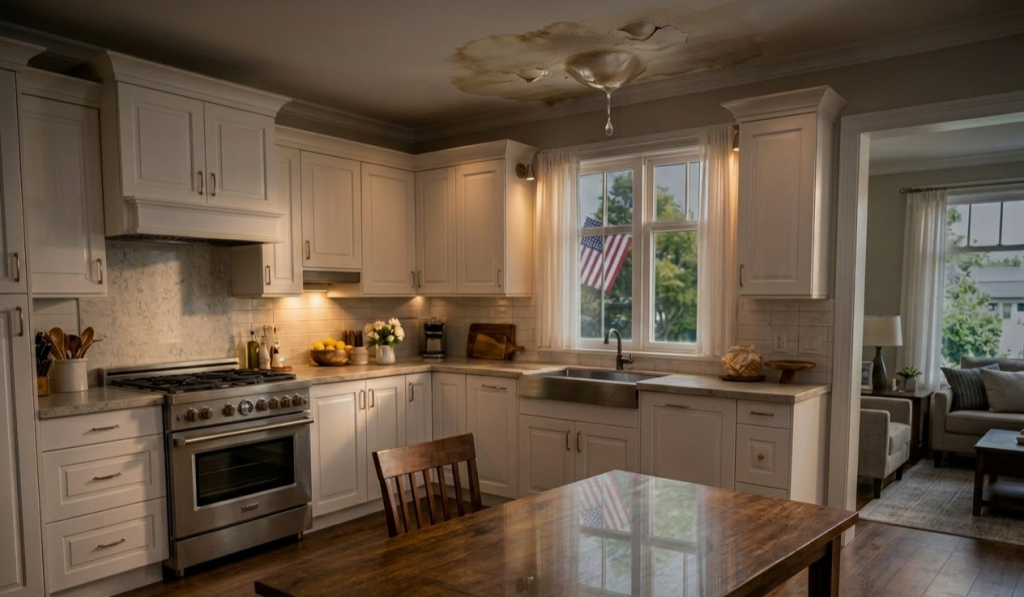
Illinois Plumbing Systems Under Freeze and Infrastructure Pressure
How This Helps Homeowners
Plumbing failures across Illinois rarely develop from one isolated event.
Winter exposure, aging infrastructure, shifting soil conditions, groundwater saturation, and decades of layered construction history all combine together underneath homes throughout the state.
Many homeowners first notice small warning signs without realizing larger system pressure has already been building for years.
Water pressure changes gradually.
Basement moisture becomes normalized.
Minor cracks appear near plumbing corridors.
Drainage slows during heavy freeze-thaw seasons.
Pipe vibration increases during temperature swings.
Meanwhile, contractors across Illinois repeatedly uncover hidden infrastructure fatigue inside homes that appeared stable from the surface.
This research helps homeowners understand why plumbing systems across Illinois experience recurring stress conditions tied directly to climate, construction era, and aging underground infrastructure.
Better decisions happen earlier once the environmental patterns become easier to recognize.
Most major failures begin quietly.
Illinois Exists Inside a Constant Freeze-Thaw Environment
Winter conditions shape plumbing behavior across nearly every region of Illinois.
Northern portions of the state experience extended freeze exposure for months at a time.
Central Illinois absorbs repeated temperature fluctuation between deep cold and rapid thaw cycles.
Southern regions encounter saturation pressure once winter precipitation combines with unstable groundwater conditions.
Frozen soil movement affects buried infrastructure statewide.
Expansion pressure builds around underground supply lines and sewer laterals every winter.
Spring thaw cycles then shift moisture conditions rapidly underneath foundations and yards.
Contractors throughout Illinois regularly trace recurring plumbing fatigue back to long-term environmental movement rather than isolated installation defects.
One season rarely creates catastrophic infrastructure failure alone.
Decades of repeated stress usually drive the larger problem.
Aging Housing Continues Operating Beyond Original Design Expectations
Large portions of Illinois housing stock were constructed during industrial growth eras spanning several generations.
Chicago neighborhoods expanded rapidly during manufacturing booms.
Mid-sized cities like Rockford, Peoria, Springfield, Joliet, and Decatur experienced their own periods of aggressive residential development tied to industrial and agricultural expansion.
Builders originally designed many plumbing systems around completely different expectations for water demand, insulation standards, and material lifespan.
Galvanized supply lines remain active inside countless homes statewide.
Cast iron drainage systems continue aging beneath foundations and basements.
Partial renovations layered modern fixtures onto older infrastructure without fully replacing the original plumbing network underneath.
Contractors frequently uncover several generations of plumbing materials operating together inside the same structure.
Pressure behavior becomes increasingly unstable once aging systems interact with modern demand loads.
Infrastructure fatigue accelerates where those transitions exist.
Freeze Pressure Attacks Plumbing Systems From Multiple Directions
Most homeowners associate freeze damage with burst pipes inside walls.
Illinois winter exposure creates far more complex infrastructure stress than visible pipe rupture alone.
Underground soil expansion shifts buried lines laterally.
Thermal contraction weakens aging fittings repeatedly.
Pressure spikes intensify inside narrowed galvanized systems during severe cold periods.
Snowmelt saturation raises hydrostatic pressure against foundations after rapid thaw events.
Meanwhile, older homes often contain vulnerable plumbing routed through poorly insulated wall cavities, crawlspaces, attics, and basement rim joists.
Contractors across Illinois repeatedly identify freeze-related deterioration hidden inside structures long before catastrophic water damage appears.
Some systems survive years of seasonal expansion before finally separating near weakened joints.
Other homes experience gradual underground movement that slowly destabilizes buried drainage infrastructure beneath the property.
Visible plumbing emergencies usually represent the final stage of much larger environmental stress conditions.
Illinois Soil Conditions Create Hidden Underground Instability
Large sections of Illinois contain expansive clay-heavy soils highly sensitive to moisture fluctuation.
Wet conditions cause those soils to swell.
Dry periods create contraction and settlement movement.
Freeze exposure intensifies the instability further during winter.
Underground plumbing absorbs that pressure continuously.
Contractors frequently uncover slab leaks tied directly to shifting soil behavior beneath homes.
Drainage systems lose alignment gradually after repeated seasonal movement cycles.
Foundation cracking often develops near buried utility pathways experiencing long-term subsurface stress.
Many Illinois homeowners initially focus only on the visible structural symptom.
Experienced plumbers commonly investigate underground plumbing movement simultaneously because both conditions frequently evolve together.
Infrastructure rarely moves independently from the surrounding environment.
Historic Water Events Shaped Modern Infrastructure Risk
Illinois has spent generations adapting to water management challenges tied to rivers, flooding, industrial expansion, and urban growth.
The Great Flood of 1993 devastated large portions of the Mississippi and Illinois River corridors, exposing widespread vulnerabilities across drainage infrastructure, levee systems, sewer networks, and groundwater management throughout the state.
Residential plumbing systems experienced smaller versions of those same saturation pressures.
Extended groundwater exposure weakens buried infrastructure gradually.
Drainage systems deteriorate faster once moisture remains elevated around underground pipe corridors for extended periods.
Flood-prone regions throughout Illinois continue experiencing recurring sewer stress, root intrusion, and underground settlement tied to changing saturation conditions.
Contractors working near historic flood corridors often encounter advanced underground fatigue hidden beneath otherwise stable-looking properties.
Water reshapes infrastructure slowly.
Homes eventually inherit the consequences.
Municipal Infrastructure Age Influences Residential Plumbing Behavior
Residential plumbing does not operate independently from surrounding city infrastructure.
Large portions of Illinois continue relying on aging water mains, sewer systems, and underground utility corridors installed decades ago.
Pressure inconsistency often develops after municipal repairs, infrastructure shifts, or seasonal demand changes.
Contractors throughout the state regularly investigate homes experiencing:
- Sudden water discoloration
- Pressure fluctuation after utility work
- Pipe vibration during peak demand periods
- Recurring basement seepage
- Drain backups during storm saturation
- Uneven fixture performance
- Water hammer inside aging supply systems
- Sewer odor near basement drains
- Moisture beneath finished flooring
- Slow drainage after freeze-thaw events
Many homeowners assume the issue begins inside the house alone.
Broader infrastructure movement frequently contributes to the problem.
Municipal stress and residential fatigue often interact together.
Contractors Across Illinois Recognize Repeating Patterns
Experienced plumbers statewide consistently identify similar environmental behaviors regardless of city size.
Chicago contractors encounter freeze pressure combined with dense aging infrastructure.
Rockford technicians often uncover underground movement tied to northern freeze cycles.
Peoria plumbers regularly identify advanced galvanized corrosion and pressure restriction.
Suburban growth corridors reveal another category entirely involving boom-era installation quality and modern demand overload.
Different regions produce different failure patterns.
The underlying systems logic remains surprisingly similar.
Environmental pressure accumulates quietly.
Infrastructure weakens gradually.
Visible symptoms emerge only after the system loses enough resilience to absorb additional stress.
Contractors usually detect those patterns long before homeowners recognize the larger infrastructure issue developing underneath.
Modern Demand Loads Exceed What Many Systems Were Built to Handle
Original plumbing infrastructure across Illinois was designed around much lower residential water usage expectations.
Older homes now support:
- Tankless water heaters
- Large multi-bathroom layouts
- High-capacity appliances
- Luxury shower systems
- Whole-home filtration
- Irrigation systems
- Expanded kitchens
- Finished basement additions
Every upgrade changes pressure behavior inside aging infrastructure.
Freeze exposure magnifies those imbalances during winter demand periods.
Contractors commonly discover undersized or deteriorating supply systems operating far beyond their original intended capacity.
Modern fixtures often expose weaknesses older plumbing managed to hide for decades.
The visible issue appears suddenly.
The underlying stress had usually been developing quietly for years.
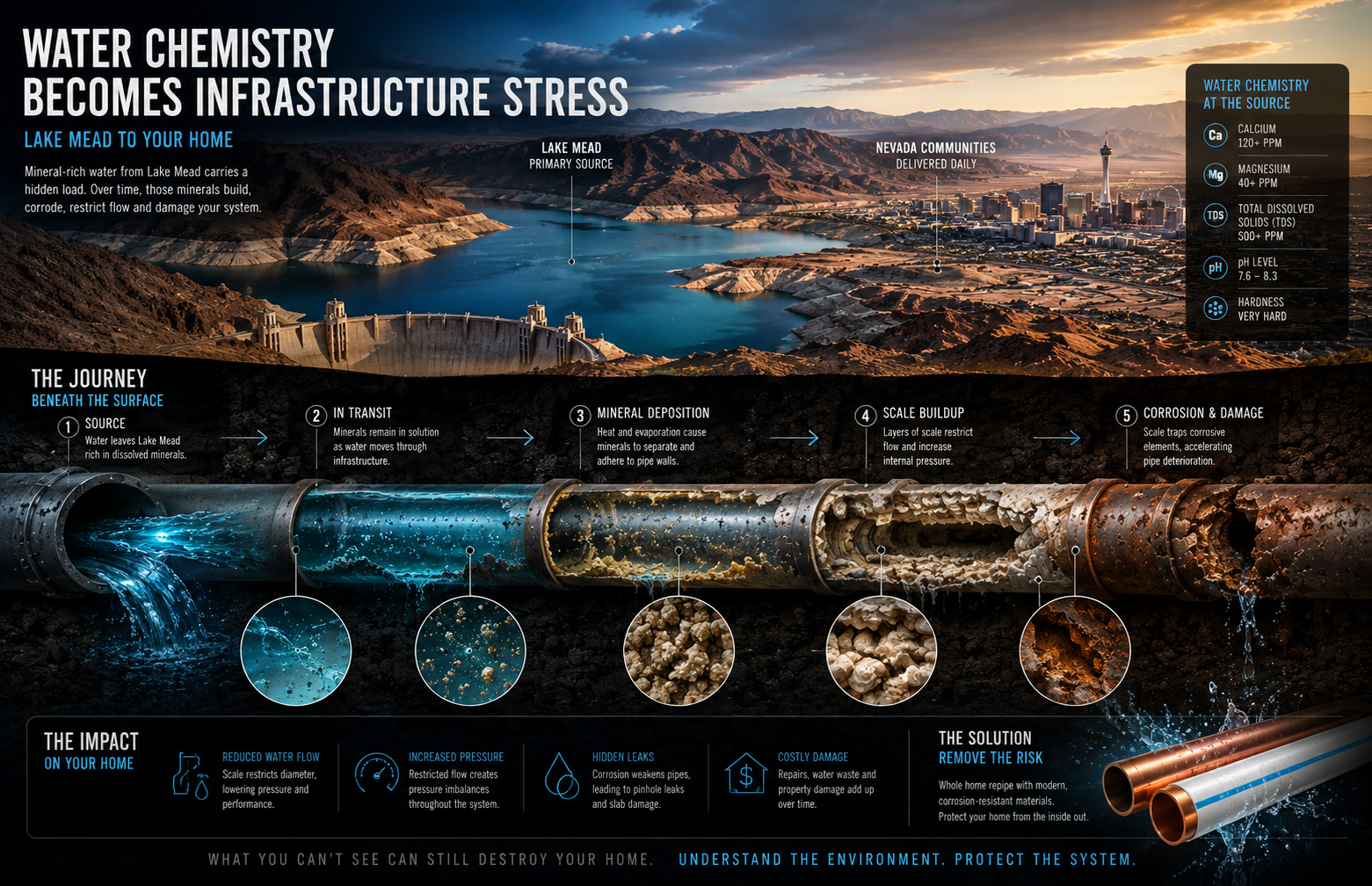
Illinois Plumbing Systems Usually Decline Before They Collapse
Most catastrophic plumbing failures throughout Illinois begin through gradual infrastructure deterioration rather than one isolated event.
Corrosion slowly weakens aging supply lines.
Freeze cycles fatigue older fittings and joints.
Ground movement shifts buried infrastructure beneath foundations.
Drainage systems lose alignment after repeated saturation exposure.
Pressure instability spreads across aging municipal and residential networks simultaneously.
Eventually, one section reaches structural failure first.
Water escapes where resilience disappeared underneath years of accumulated stress.
Sewer systems back up where underground fatigue had already been progressing silently.
Visible emergencies feel abrupt to homeowners because the hidden decline remained underground for so long.
Illinois homes operate inside overlapping environmental conditions shaped by freeze exposure, aging infrastructure, groundwater behavior, industrial-era construction, and evolving modern demand.
Recognizing those patterns earlier helps homeowners make better long-term plumbing decisions before hidden stress becomes structural damage.