Indianapolis Plumbing Systems Under Freeze and Aging Housing Stress
How This Helps Homeowners
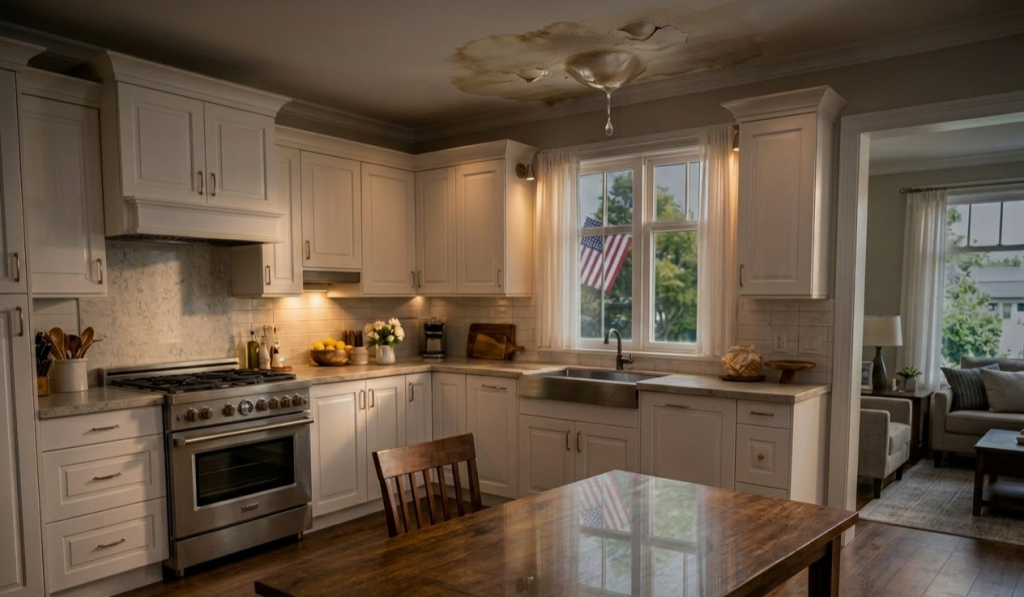
Most plumbing failures inside Indianapolis homes do not begin with catastrophic flooding.
Damage usually starts as slow infrastructure fatigue hidden behind finished walls, underneath basements, inside crawlspaces, or below shifting foundations.
Indianapolis creates a difficult environment for residential plumbing because several long-term stress forces overlap at the same time:
- freeze-thaw expansion
- aging housing stock
- mixed-era plumbing materials
- clay-heavy soil movement
- basement moisture exposure
- rapid suburban growth
- legacy municipal infrastructure pressure
This research helps homeowners understand:
- why older Indianapolis neighborhoods develop recurring plumbing instability
- how winter conditions quietly weaken underground systems over time
- what contractors repeatedly discover during repipes and leak investigations
- why pressure fluctuations become more common in aging homes
- how basement environments accelerate hidden corrosion
- where slab leaks and underground failures typically emerge first
- which historical construction periods carry elevated plumbing risk
Across Indianapolis, plumbing deterioration usually develops gradually before visible failure appears.
A drain begins slowing slightly.
Pressure changes upstairs.
Small foundation cracks emerge near corners.
Moisture odors become more noticeable after storms.
Then the system eventually reacts.
Not because one thing failed overnight.
Because environmental stress accumulated for decades.
Indianapolis Expanded Across Multiple Construction Eras
Indianapolis neighborhoods developed through several major growth periods tied to manufacturing expansion, interstate development, suburban migration, and post-war housing demand.
Each construction era introduced different plumbing standards.
Homes built before World War II often relied on galvanized steel, cast iron drainage systems, and older municipal service connections.
Post-war subdivisions expanded rapidly during the 1950s through 1970s using different installation methods, copper systems, and evolving mechanical layouts.
Later suburban growth introduced modern PEX retrofits, slab-adjacent utility routing, and builder-grade installation shortcuts in certain developments.
That layered history matters today.
Contractors across Indianapolis routinely open walls and discover plumbing systems assembled across multiple generations:
- original galvanized branches still active
- aging copper retrofits added decades later
- unsupported repair sections
- abandoned drainage tie-ins
- partial repipes without full system redesign
- inconsistent shutoff configurations
- mismatched material transitions
One home may contain plumbing decisions spanning seventy years.
Those mixed systems rarely age evenly.
Pressure behaves differently throughout the structure.
Corrosion develops unpredictably.
Flow restriction appears room by room instead of systemwide at first.
Homeowners often interpret those symptoms separately.
Experienced plumbers usually recognize them as connected infrastructure fatigue.
Freeze-Thaw Cycles Quietly Reshape Underground Pipe Conditions
Indianapolis winters create repeated stress underneath homes long before pipes burst visibly.
Frozen soil expands.
Warmer periods soften support conditions.
Moisture returns underground.
Then temperatures drop again.
That continuous expansion-and-relaxation cycle slowly shifts underground plumbing environments over time.
Shallow service lines remain especially vulnerable in older Indianapolis neighborhoods where historical installation depths varied significantly.
Older homes near Broad Ripple, Irvington, Fountain Square, and sections of Midtown Indianapolis frequently experience recurring freeze-related plumbing stress tied to aging infrastructure layouts.
Contractors often discover:
- weakened underground joints
- frost-related separation movement
- stressed slab penetrations
- cracked exterior hose bib systems
- crawlspace freeze exposure
- compromised shutoff assemblies
- underground pipe deflection
Meanwhile, homeowners may only notice subtle warning signs:
Pipes clicking during temperature swings.
Uneven hot water delivery.
Minor leaks reappearing seasonally.
Pressure changes during extreme cold.
Those reactions matter.
Mechanical systems frequently communicate stress long before catastrophic rupture occurs.
Basement Environments Accelerate Plumbing Deterioration
Large portions of Indianapolis housing contain basements.
That changes how plumbing systems fail.
Moisture exposure becomes a long-term environmental factor rather than an occasional event.
Spring rainfall and snowmelt increase hydrostatic pressure around foundations throughout Central Indiana.
Older waterproofing systems deteriorate over time.
Drain tile systems weaken.
Foundation seepage expands gradually.
Humidity levels rise inside lower mechanical spaces.
Once basement moisture becomes persistent, plumbing systems often decline faster.
Cast iron drainage lines corrode externally.
Copper oxidation accelerates.
Support hardware weakens.
Valve deterioration spreads quietly underneath insulation and mechanical clutter.
Field technicians throughout Indianapolis regularly encounter basement plumbing environments showing years of hidden saturation exposure.
Rust staining around pipe supports.
Oxidized shutoffs.
Condensation buildup on cold-water lines.
Corroded threaded unions.
Softened framing near slow leaks.
Most of those conditions develop silently over long periods.
Few homeowners recognize the progression until visible damage finally appears.
Clay Soil Movement Creates Hidden Structural Plumbing Stress
Indianapolis sits within soil environments heavily influenced by clay expansion and contraction behavior.
Ground conditions change continuously depending on moisture levels.
Heavy rainfall saturates surrounding soil.
Dry periods create contraction underneath foundations.
Winter freeze cycles add additional movement pressure.
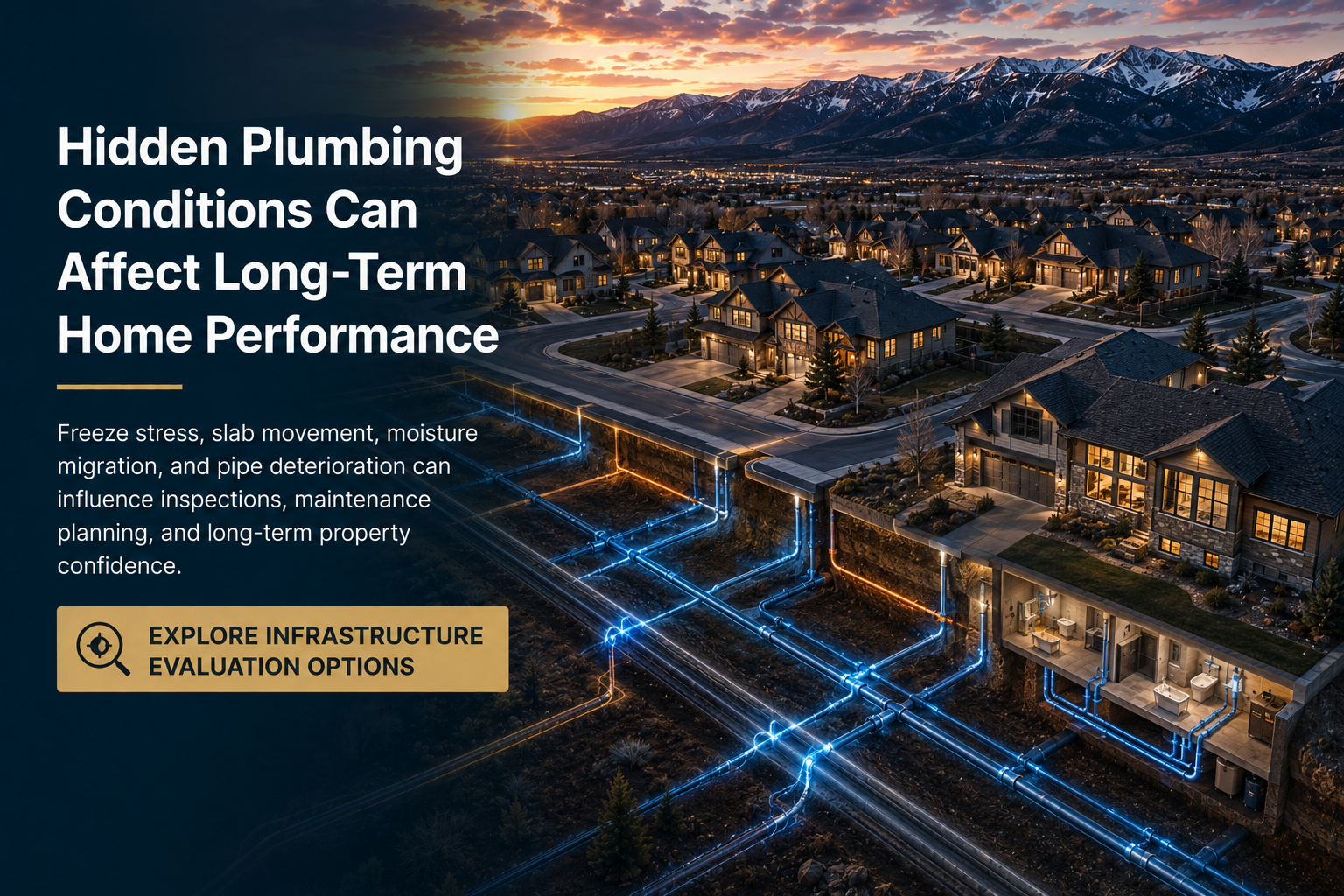
That instability slowly transfers stress into underground plumbing systems.
Rigid materials struggle most under shifting support conditions.
Long drainage runs become vulnerable first.
Slab penetrations experience concentrated stress.
Underground joints begin separating gradually.
Contractors frequently trace Indianapolis slab leaks back to structural movement rather than isolated manufacturing defects.
Subdivision-era homes across expanding suburban areas often reveal recurring patterns tied to:
- uneven settlement
- moisture imbalance
- foundation shifting
- underground drainage stress
- pipe deflection
- support erosion beneath utility lines
Certain neighborhoods experience repeated plumbing failures because entire developments were constructed during similar soil conditions using identical installation practices.
Patterns repeat house after house.
Technicians notice those geographic similarities quickly.
Homeowners usually encounter them one property at a time.
Older Indianapolis Homes Carry Legacy Infrastructure Fatigue
Many Indianapolis neighborhoods still rely on infrastructure systems installed generations ago.
Municipal water pressure environments have changed dramatically since those systems were first designed.
Original homeowners in older Indianapolis districts lived with:
- lower fixture demand
- fewer bathrooms
- smaller appliances
- simpler plumbing layouts
- reduced household water consumption
Modern usage patterns create far heavier demand loads.
Large water heaters.
Multiple bathrooms.
High-capacity appliances.
Finished basements.
Expanded additions.
Luxury fixture upgrades.
Older plumbing infrastructure often struggles adapting to those modern expectations.
Pressure imbalance becomes increasingly common.
Contractors throughout Indianapolis regularly observe aging systems operating near their practical limits after decades of incremental expansion and repair layering.
Symptoms usually appear slowly:
- fluctuating shower temperatures
- fixture vibration
- intermittent pressure loss
- recurring valve failures
- drainage delays during simultaneous use
- increased leak frequency
Most systems continue functioning while deteriorating internally.
That gradual decline creates a false sense of stability.
What Indianapolis Contractors Repeatedly Discover During Repipes
Opening walls inside older Indianapolis homes frequently reveals hidden infrastructure conditions homeowners never expected.
Plumbing contractors commonly encounter:
- heavily restricted galvanized interiors
- concealed corrosion behind finished basements
- improperly pitched drainage sections
- unsupported copper lines
- abandoned active piping
- moisture-damaged framing near slow leaks
- multiple repair generations layered together
- cast iron systems nearing structural collapse
Certain homes contain evidence of decades of temporary fixes rather than long-term correction.
One leak gets patched.
Another section receives a small replacement.
A valve gets swapped without addressing broader pressure instability.
Years later, the plumbing system behaves inconsistently because the environment itself was never fully stabilized.
Technicians often describe Indianapolis repipes as uncovering historical infrastructure stories hidden inside walls and ceilings.
Every repair layer reflects a previous homeowner reacting to symptoms instead of systemwide conditions.
Indianapolis Flooding History Shaped Infrastructure Behavior
Water has repeatedly influenced Indianapolis infrastructure development.
The Great Flood of 1913 severely affected Indiana communities and permanently changed how many Midwestern cities approached drainage and flood management.
Indianapolis also experienced repeated White River flooding events throughout its growth history.
Floodplain expansion influenced neighborhood development patterns, utility routing decisions, and foundation exposure conditions across multiple eras.
Homes near historical low-lying regions often continue experiencing elevated groundwater and moisture-related plumbing stress today.
Contractors working in flood-prone Indianapolis areas regularly identify recurring conditions such as:
- underground corrosion acceleration
- foundation settlement pressure
- recurring sump dependency
- saturated drainage corridors
- long-term basement moisture exposure
- sewer backup vulnerability during major storms
Environmental memory remains inside infrastructure long after individual flood events disappear from public attention.
Plumbing systems carry those historical pressures forward for decades.
Rapid Suburban Expansion Introduced Installation Variability
Indianapolis suburban growth accelerated significantly during multiple housing booms.
Fast construction cycles often prioritize production speed over long-term infrastructure consistency.
Some developments received excellent workmanship.
Others developed during labor shortages, compressed schedules, or aggressive expansion demand.
Contractors throughout Carmel, Fishers, Greenwood, Avon, Plainfield, and surrounding suburban corridors routinely identify recurring builder-era plumbing vulnerabilities.
Common findings include:
- undersupported piping
- poorly balanced hot-water systems
- inconsistent pressure regulation
- expansion stress near slab penetrations
- vulnerable mechanical routing
- inadequate freeze protection
- drainage slope inconsistencies
First-generation suburban homeowners often focused primarily on affordability, lot size, school access, and commute convenience.
Long-term plumbing durability rarely became the deciding factor during rapid expansion periods.
Decades later, infrastructure behavior begins revealing where shortcuts accumulated.
Indianapolis Plumbing Failures Rarely Happen Without Warning
Major plumbing damage typically develops through progressive system reactions first.
Water pressure changes gradually.
Basement odors become more noticeable.
Minor leaks recur repeatedly.
Drainage timing shifts.
Temperature balancing weakens.
Mechanical vibration increases during fixture use.
None of those conditions automatically mean catastrophic failure.
Together, however, they often signal broader infrastructure stress building underneath the home.
Indianapolis plumbing systems operate under overlapping pressure from:
- freeze-thaw exposure
- aging housing infrastructure
- clay soil movement
- moisture-heavy basement environments
- mixed-era plumbing materials
- municipal pressure fluctuation
- long-term repair layering
Those combined forces shape how homes deteriorate across the region.
Understanding those patterns early helps homeowners recognize infrastructure behavior before hidden stress becomes structural damage, emergency flooding, or full-system instability.
That is the purpose of Home Failure Intelligence.
Awareness before escalation.