
Florida
Plumbing Systems Under Saturation, Corrosion, and Coastal Pressure
Florida plumbing systems operate inside one of the most aggressive moisture environments in the United States.
Heat remains constant across much of the year.
Humidity stays elevated.
Groundwater levels remain high in many regions.
Coastal salt exposure accelerates corrosion.
Hurricanes and heavy rain events repeatedly saturate drainage systems.
The result is a plumbing environment where infrastructure rarely receives long recovery periods between exposure cycles.
In Florida, many plumbing failures begin underneath the surface long before visible symptoms appear inside the home.
Moisture accumulates slowly.
Corrosion develops inside piping systems.
Ground saturation changes foundation behavior.
Drainage systems absorb repeated storm pressure.
Then one condition changes.
The system responds.
Across Florida, homeowners commonly experience:
- slab leaks
- cast iron drain failure
- sewer backups during storms
- salt-air corrosion
- groundwater intrusion
- pipe scaling
- drainage imbalance
- foundation moisture migration
- under-slab pipe deterioration
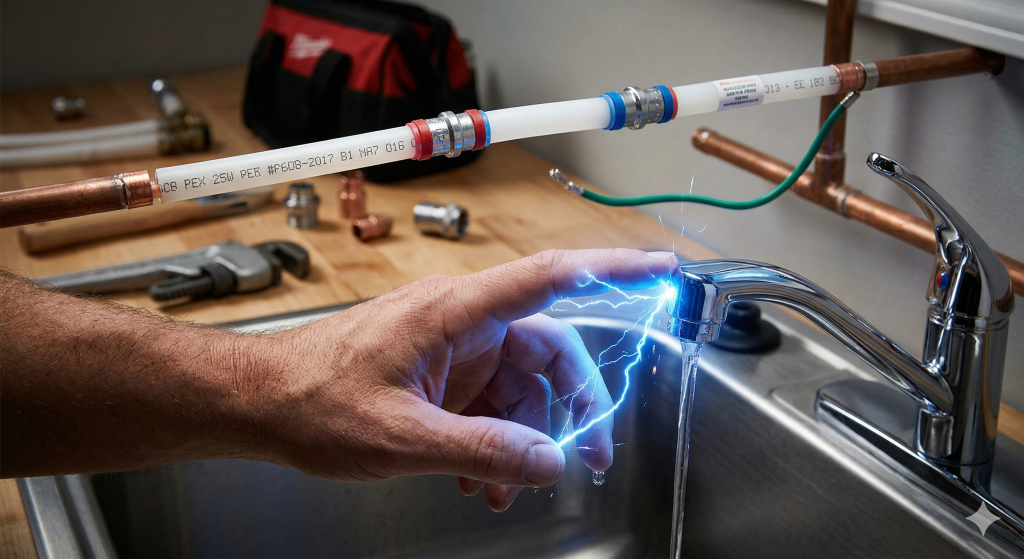
- pinhole copper leaks
- recurring plumbing failures after repair
- coastal corrosion exposure
Most Florida plumbing failures are not isolated plumbing events.
They are environmental exposure failures tied to saturation, corrosion, pressure variation, and long-term moisture instability.

Florida Ground Saturation Creates Constant Plumbing Stress
Florida’s groundwater environment changes how plumbing systems behave.
Large portions of the state operate near shallow water tables.
Heavy rainfall saturates the ground quickly.
Stormwater systems absorb constant pressure during hurricane season and prolonged rain events.
That moisture exposure changes the stability of underground plumbing infrastructure.
Buried systems remain surrounded by active moisture conditions for extended periods.
This affects:
- sewer laterals
- slab plumbing
- drain line supports
- underground pipe connections
- foundation stability
High groundwater and saturated soil conditions continue increasing infrastructure vulnerability throughout coastal and low-elevation Florida regions.
Many Florida plumbing systems never fully dry out.
The exposure remains continuous.
That accelerates deterioration underneath homes while the damage remains mostly invisible during early stages.
Cast Iron Drain Systems Continue Failing Across Florida
Florida contains a large inventory of aging cast iron plumbing systems.
Especially in:
- South Florida
- Miami-Dade County
- Broward County
- Palm Beach County
- older Gulf Coast communities
- mid-century slab construction neighborhoods
These systems now operate inside high-moisture, high-corrosion environments decades beyond their intended lifespan.
Over time:
- pipe walls deteriorate
- scaling accumulates
- wastewater flow slows
- cracks develop
- sewer gas escapes
- leaks form underneath slabs
Florida humidity and groundwater conditions accelerate deterioration around aging cast iron systems.
Many Florida homeowners initially notice:
- sewer odors
- recurring backups
- slow drains
- floor staining
- moisture beneath flooring
- unexplained mold growth
The visible symptom often appears after years of underground deterioration.
Coastal Corrosion Accelerates System Breakdown
Florida’s coastal exposure changes how plumbing materials age.
Salt air accelerates oxidation around metal components.
Humidity increases condensation exposure.
Corrosion develops inside vulnerable piping systems long before visible leakage appears.
This affects:
- copper piping
- exposed plumbing hardware
- water heater systems
- HVAC-connected plumbing components
- fasteners and supports
- exterior utility infrastructure
In coastal environments, corrosion becomes an active environmental force.
Not just a material issue.
The exposure remains constant.
Then pressure conditions shift.
A weakened section fails.
Many Florida plumbing systems continue operating while already structurally compromised from years of coastal exposure.

Slab Leaks Become Long-Term Structural Moisture Events
Florida slab foundations remain highly vulnerable to hidden plumbing leaks.
Warm ground temperatures, constant moisture exposure, and long-term corrosion create ideal conditions for under-slab deterioration.
As piping systems age underneath concrete slabs:
- copper weakens
- corrosion expands
- abrasion increases
- pressure instability develops
Eventually the pipe wall fails.
But the leak itself is often only the final stage of a much larger deterioration process.
Florida slab leaks commonly produce:
- warped flooring
- moisture migration
- hidden mold growth
- rising water bills
- foundation staining
- interior humidity increase
Because Florida environments already contain elevated moisture levels, many slab leaks remain hidden longer than expected.
The environment masks the failure.
Hurricane and Storm Pressure Overload Drainage Systems
Florida drainage systems absorb repeated environmental pressure during storm season.
Heavy rainfall arrives quickly.
Stormwater systems become overwhelmed.
Ground saturation increases rapidly.
Wastewater flow slows as municipal systems absorb excess load.
That pressure affects residential plumbing systems directly.
Especially older systems already weakened by age or corrosion.
Many Florida homeowners experience:
- sewer backups during storms
- toilet overflow conditions
- standing wastewater
- flooding through floor drains
- drainage reversal during heavy rain
The storm does not always create the weakness.
The storm exposes existing infrastructure instability already present inside the system.
Drainage and Venting Imbalance Across Florida Homes
Florida plumbing systems operate inside highly variable pressure environments.
Humidity affects airflow behavior inside drainage systems.
Storm pressure changes groundwater conditions.
Saturated drain fields affect wastewater movement.
Vent systems deteriorate from prolonged exposure.
That imbalance commonly produces:
- gurgling fixtures
- sewer odors
- inconsistent drainage speed
- recurring drain backups
- fluctuating toilet behavior
- intermittent pressure instability
The visible symptom often appears at a single fixture.
The larger issue usually exists across the broader drainage and saturation environment underneath the structure.
Florida Plumbing Failures Are Environmental Pressure Failures
Most Florida plumbing failures involve overlapping environmental forces.
Saturation.
Corrosion.
Salt exposure.
Groundwater pressure.
Storm load.
Humidity.
Aging infrastructure.
Time.
These conditions gradually weaken plumbing systems underneath homes while remaining mostly hidden during early stages.
Then one condition changes.
A storm arrives.
Groundwater rises.
Pressure shifts.
The system responds.
That is why Florida plumbing environments increasingly require system-level evaluation instead of isolated repair thinking.
The visible leak or sewer backup is often only the final stage of a much larger saturation, corrosion, and coastal pressure failure pattern.