
San Mateo County
Plumbing Contractor Performance
& Safety Standards
 Property values across the San Francisco Bay Area have risen sharply during the past decade. Construction systems have become more complex. Online contractor visibility expanded across search platforms and directories. Meanwhile, the number of plumbing companies advertising services increased rapidly.
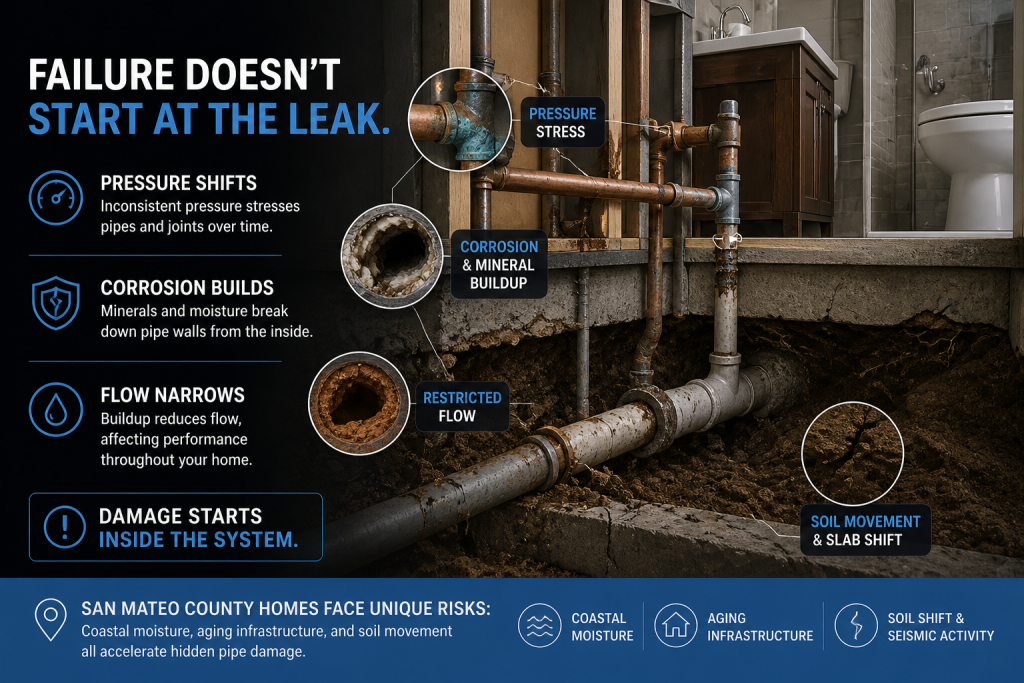
However, standards enforcement did not expand at the same pace. Consequently, homeowners now operate within a high-noise environment. Critical infrastructure decisions must often be made without clear technical guidance. The risk becomes even greater in high-equity housing markets such as Silicon Valley and the Peninsula.

San Mateo County: Plumbing Contractor Performance & Safety Standards was developed to restore balance within that environment. The framework provides homeowners with clear evaluation criteria for plumbing contractors based on infrastructure performance rather than marketing claims.
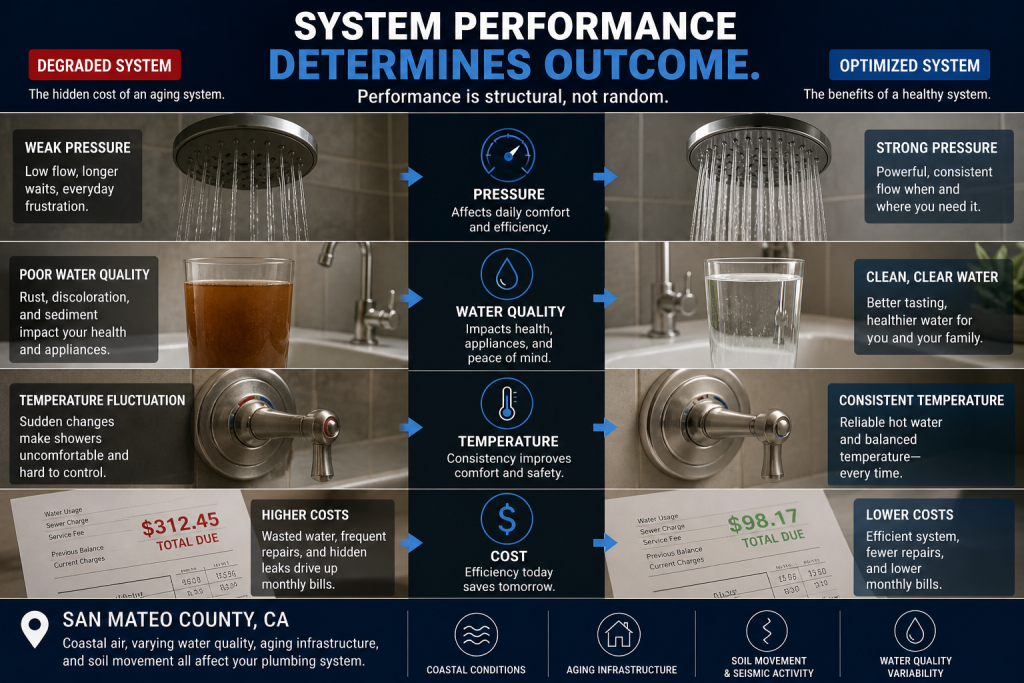
This guidance originates from Plumbing Whole Home Repipe, a standards-driven resource created to help homeowners understand plumbing infrastructure risk across the San Francisco Bay Area and other high-value Western housing markets.

San Mateo Creek Flood (1955): System Overload Event
El Niño Flooding (1998): Countywide Drainage Failure
Pulgas Pipeline Risk: Critical System Vulnerability
Pacifica Sewer Failures (Recurring): Coastal System Breakdown
Drought System Stress (2014–2015): Pressure Instability
Atmospheric River Flooding (2023): System Overload
San Bruno Pipeline Explosion (2010): Underground Failure
Belmont Creek Flooding (Recurring): Drainage Bottlenecks
Hillside Drainage Failures (Recurring): Gravity Overload
Water Main Failures (Recurring): Aging System Breakdown
Top 10 Plumbing & Water Disasters in San Mateo County
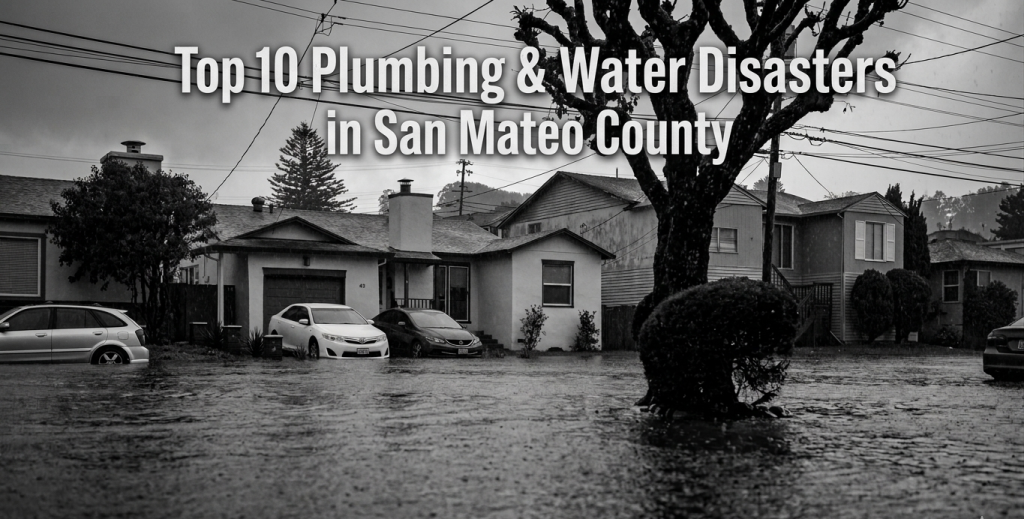

1. The San Mateo Creek Flood (1955 Christmas Flood)
A powerful atmospheric river overwhelmed waterways across the Peninsula, including San Mateo Creek, flooding large portions of San Mateo.
System Failure Breakdown:
Channel Capacity Overload: Creek systems exceeded design limits
Urban Drainage Failure: Stormwater systems unable to keep up
Floodplain Encroachment: Development in vulnerable zones increased damage
Why This Matters:
When flow exceeds system capacity, water finds its own path—same as pipe failures under pressure overload.

2. The 1998 El Niño Flooding (Countywide Impact)
Heavy storms during El Niño caused widespread flooding across San Mateo County, especially in low-lying areas like Redwood City and Menlo Park.
System Failure Breakdown:
Storm Surge + Rainfall Convergence: Multiple inputs overwhelmed systems
Backflow Conditions: Drainage systems reversed under pressure
Infrastructure Saturation: Soil and drainage systems reached full capacity
Why This Matters:
Backflow and saturation create compounding failures—mirroring sewer backups and slab leaks in homes.
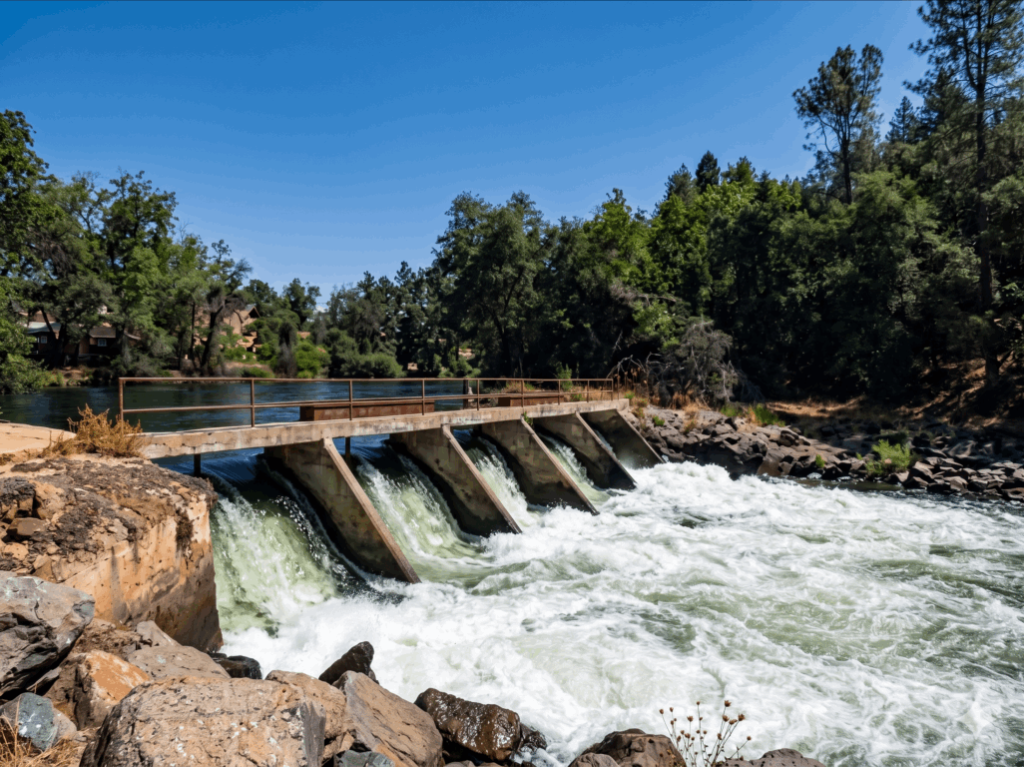
3. The Pulgas Water Temple Pipeline Failure Risk (Ongoing)
The historic Pulgas Water Temple represents a critical junction in the Hetch Hetchy system delivering water through San Mateo County.
System Failure Breakdown:
Critical Node Vulnerability: Single-point failure risk in major transmission lines
Aging Infrastructure Stress: Long-term wear under constant pressure
Seismic Exposure: Earthquake risk threatens pipeline integrity
Why This Matters:
Single-point failures are catastrophic—same as a main line failure in a home system.
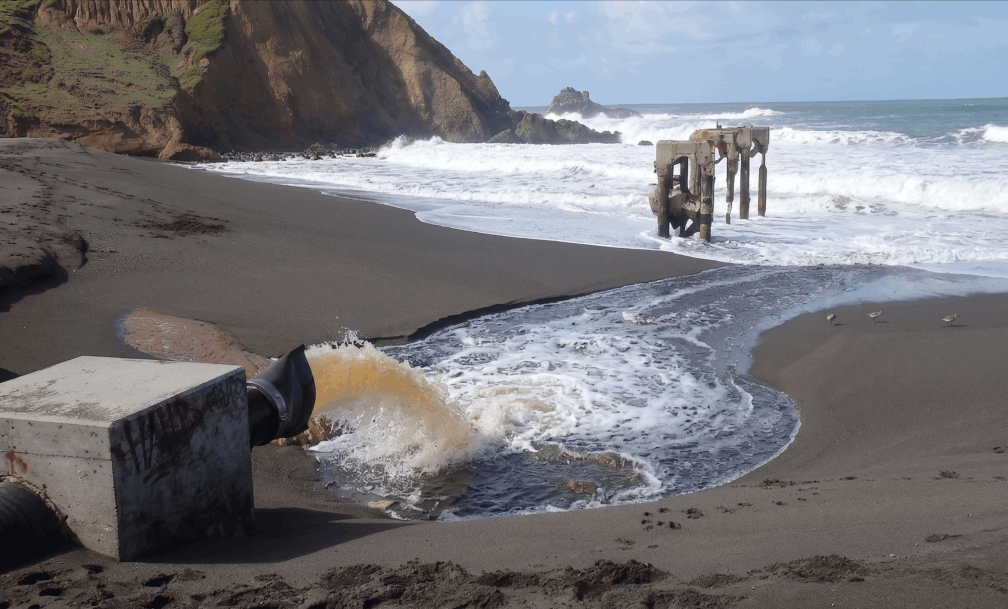
4. The Pacifica Coastal Sewer Failures (Recurring — Worst Impacts: 2016, 2017, 2023)
Coastal erosion and storms in Pacifica have repeatedly exposed and damaged sewer infrastructure, with major impacts during the 2016–2017 El Niño cycle and again during 2023 atmospheric river events.
System Failure Breakdown:
Corrosion + Salt Exposure: Accelerated material breakdown
Soil Loss Undermining Pipes: Erosion removes structural support
System Exposure: Infrastructure designed to be buried becomes vulnerable
Why This Matters:
Environmental exposure destroys systems over time—similar to corrosion in older home plumbing.
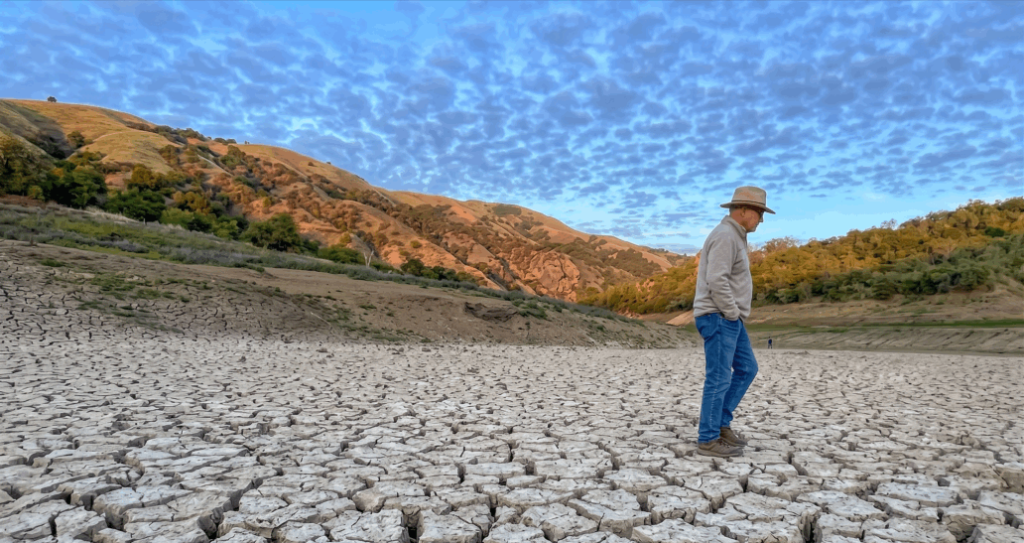
5. The 2014–2015 Drought Water System Stress
Extreme drought conditions across San Mateo County stressed water supply infrastructure and groundwater systems.
System Failure Breakdown:
Pressure Variability: Reduced supply changes system pressure dynamics
Ground Settlement Risk: Lower groundwater can shift soil conditions
Material Stress Cycling: Systems built for steady flow forced into fluctuation
Why This Matters:
Inconsistent pressure weakens systems over time—same as fluctuating pressure in residential plumbing.
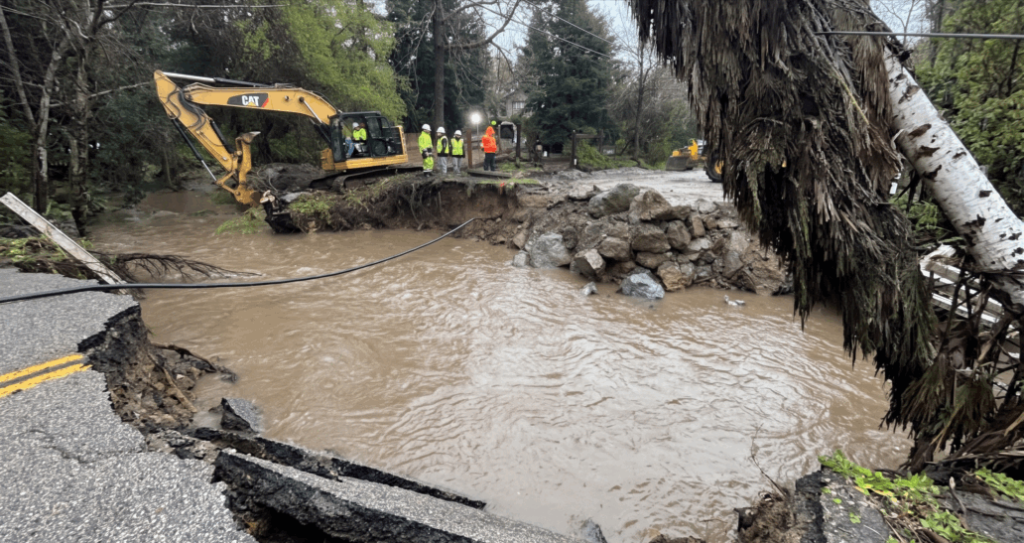
6. The 2023 Atmospheric River Flooding Events
Recent atmospheric rivers caused flooding across the Peninsula, impacting creeks and urban drainage systems throughout the county.
System Failure Breakdown:
Extreme Inflow Events: Rainfall exceeded modern infrastructure limits
Drainage Network Overload: Multiple systems failed simultaneously
Localized Flooding Hotspots: Weak points exposed across cities
Why This Matters:
Modern systems still fail under peak load—just like newer homes with undersized plumbing.
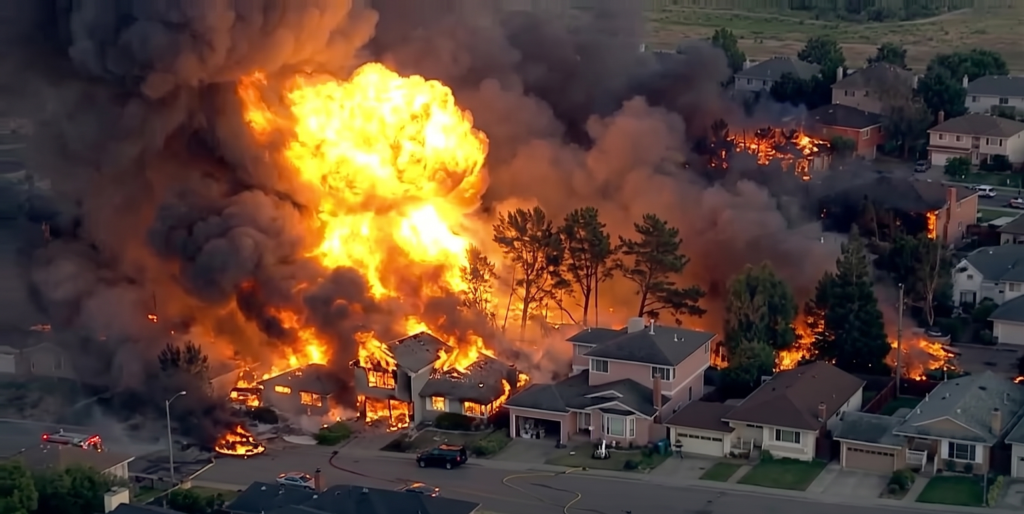
7. The San Bruno Pipeline Explosion (2010)
A gas pipeline explosion in San Bruno highlighted underground infrastructure vulnerability across the county.
System Failure Breakdown:
Underground System Fragility: Aging buried infrastructure prone to failure
Pressure System Mismanagement: Lack of proper monitoring
Inspection Gaps: Hidden failures go undetected until catastrophic
Why This Matters:
While gas-related, the failure pattern mirrors water systems—hidden, pressurized, and catastrophic when breached.

8. The Belmont Creek Flooding (Recurring — Worst Impacts: 1982, 1998, 2023)
Flooding along Belmont Creek affects parts of Belmont during heavy rain events, with major overflows recorded during 1982 storms, the 1998 El Niño, and 2023 atmospheric rivers.
System Failure Breakdown:
Undersized Channel Capacity: Creek unable to handle peak flows
Urban Runoff Amplification: Development increases water volume
Drainage Bottlenecks: Key choke points cause overflow
Why This Matters:
Bottlenecks define failure points—same as undersized pipes in homes.
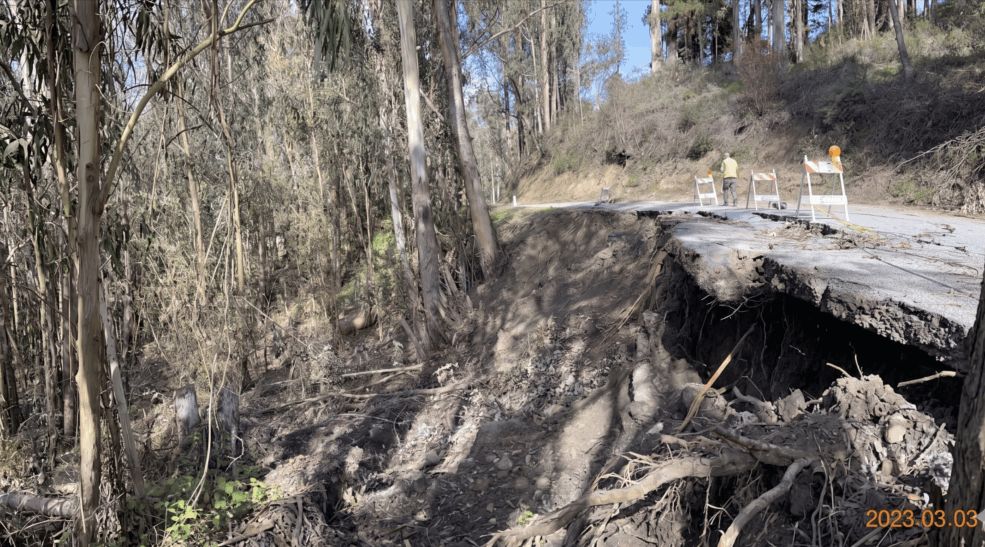
9. The Hillside Drainage Failures (Countywide Risk — Worst Impacts: 1998, 2017, 2023)
Hillside communities in San Carlos, Burlingame, and Millbrae face ongoing drainage and runoff issues, with the most severe failures during 1998 El Niño storms, 2017 winter runoff, and 2023 atmospheric rivers.
System Failure Breakdown:
Gravity-Driven Overload: Water accelerates downhill beyond control
Soil Saturation + Movement: Leads to foundation and pipe stress
Improper Drainage Design: Systems not built for extreme flow
Why This Matters:
Elevation changes create pressure and flow variability—same as multi-level home plumbing stress.
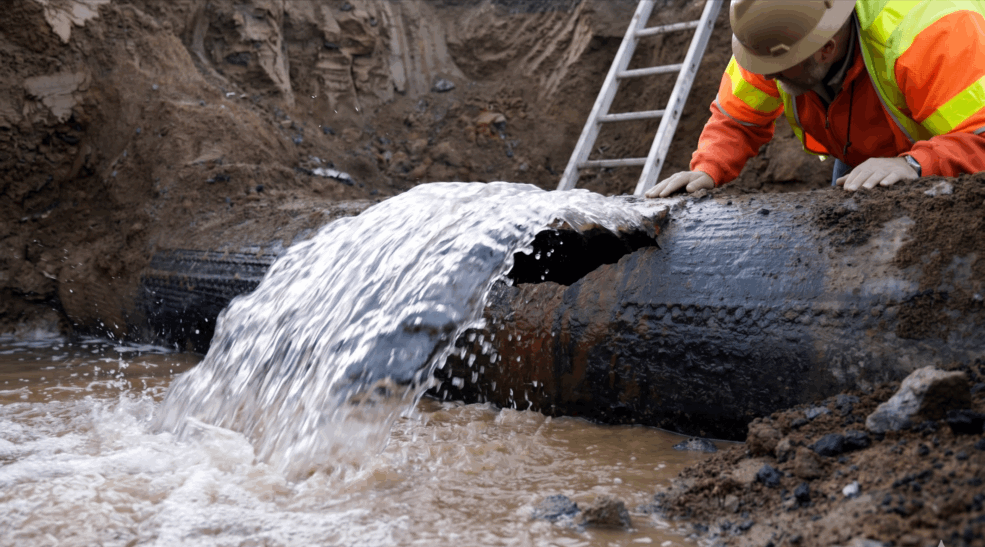
10. The Aging Water Main Failures (Countywide — Worst Impacts: 2015, 2019, 2023)
Recurring water main breaks across cities like Daly City and Redwood City highlight infrastructure challenges, with notable spikes in failures during 2015, 2019, and 2023.
System Failure Breakdown:
Material Degradation: Old pipes weaken over decades
Pressure Cycling: Daily use stresses system integrity
Ground Movement: Soil shifts strain buried lines
Why This Matters:
Aging systems fail without warning—exactly what happens in older homes needing repipes.

Act Now
These failures happen at county scale.
Inside homes across San Mateo County, they follow the same patterns—just smaller, slower, and harder to detect.
Pressure overload
Backflow and blockage
Corrosion and material failure
Drainage design issues
Soil and foundation movement
If your home was built decades ago, these risks already exist—just not visible yet.
👉 Full system failure analysis
👉 Whole-home repipe planning based on real-world failure patterns
👉 Contractor alignment based on verified standards—not marketing claims
Explore San Mateo County areas:
San Mateo • Redwood City • Daly City • Burlingame • San Carlos • Belmont • Millbrae • Pacifica