



🚨 San Bruno Pipeline Explosion — Full Breakdown Report
San Bruno & Northern San Mateo County (September 2010)
Why This Matters to Homeowners in San Mateo County:
When underground utility lines fail under pressure, the damage is immediate, destructive, and often happens with little to no warning.
San Mateo Creek Flood (1955): System Overload Event
El Niño Flooding (1998): Countywide Drainage Failure
Pulgas Pipeline Risk: Critical System Vulnerability
Pacifica Sewer Failures (Recurring): Coastal System Breakdown
Drought System Stress (2014–2015): Pressure Instability
Atmospheric River Flooding (2023): System Overload
San Bruno Pipeline Explosion (2010): Underground Failure
Belmont Creek Flooding (Recurring): Drainage Bottlenecks
Hillside Drainage Failures (Recurring): Gravity Overload
Water Main Failures (Recurring): Aging System Breakdown
📍 Geographic + Structural Context (Pre-Event Environment)
The disaster occurred in a residential neighborhood in San Bruno, part of a broader utility corridor serving northern San Mateo County.
Primary regions and cities affected (for scale + search relevance):
- Core impact zone: San Bruno
- Nearby communities: South San Francisco, Millbrae
- Regional corridor: Burlingame, San Mateo
- Bay Area context: San Francisco
Critical preconditions:
- Infrastructure type: Large-diameter natural gas transmission pipeline
- Age + integrity concerns: Portions of pipeline system decades old
- High-pressure operation: Required to move gas across region
- Underground placement: Hidden system with limited visible warning signs
- Residential proximity: Homes built directly above or near pipeline routes
🌊 Environmental + System Conditions
This was a high-pressure underground infrastructure failure—not weather-related.
- Normal operating conditions
- Continuous internal pressure
- Long-term material degradation factors
👉 Key dynamic:
The system failed from within under pressure—without external trigger

⚙️ Failure Mechanics (What Actually Broke)
Step-by-Step Breakdown
- Material Weakness (Long-Term Setup)
- Pipeline section had:
- weld defects
- material inconsistencies
- Structural integrity reduced over time
- Internal Pressure Stress
- High-pressure gas flow stressed weak points
- Defects became critical under load
- Pipeline Rupture (Trigger Event)
- Sudden failure of pipe wall
- Rapid release of pressurized natural gas
- Gas Plume Formation
- Gas expanded into surrounding area
- Created highly flammable environment
- Ignition (Catastrophic Phase)
- Gas ignited from:
- unknown source (likely spark or ignition point)
- Fire + Explosion Event
- Massive fireball and sustained blaze
- Surrounding structures immediately impacted
💥 The Event (September 9, 2010)
- Timeline: Instant rupture → immediate ignition
- Initial warning signs:
- none apparent to residents
Collapse Dynamics
- System transitioned from:
- stable → rupture → ignition → destruction
👉 Failure was instantaneous and escalated immediately
🏚️ Immediate Damage Profile
- 8 fatalities
- Dozens of homes destroyed or severely damaged
Damage characteristics:
- Fire damage across residential area
- Structural collapse of homes
- Infrastructure destruction
System impacts:
- Gas supply disruption
- Emergency shutdown and response
🧠 System-Level Failure Analysis
1. Hidden Infrastructure Risk
- Systems operate underground
👉 failures are unseen until catastrophic
2. Pressure Amplification Effect
- High pressure:
- increases energy release during failure
3. Single-Point Catastrophic Failure
- One rupture caused:
- widespread destruction
🔁 Direct Aftermath (Short-Term)
- Emergency response and evacuation
- Fire suppression efforts
- Investigation and system shutdown
🧱 Indirect Effects (Long-Term Changes)
🏗️ 1. Pipeline Safety Regulations
- Increased oversight and inspection requirements
🌊 2. Infrastructure Modernization
- Replacement of aging pipeline segments
📡 3. Monitoring + Detection Improvements
- Enhanced:
- leak detection
- pressure monitoring
🏘️ 4. Public Awareness of Underground Risks
- Increased understanding of:
- utility infrastructure beneath homes

🧩 Hidden Insights (What Most People Miss)
⚠️ 1. “The System Failed Before the Explosion”
Damage existed long before rupture
⚠️ 2. Pressure Determines Severity
Higher pressure = greater destruction
⚠️ 3. Location Matters
Residential proximity increases impact
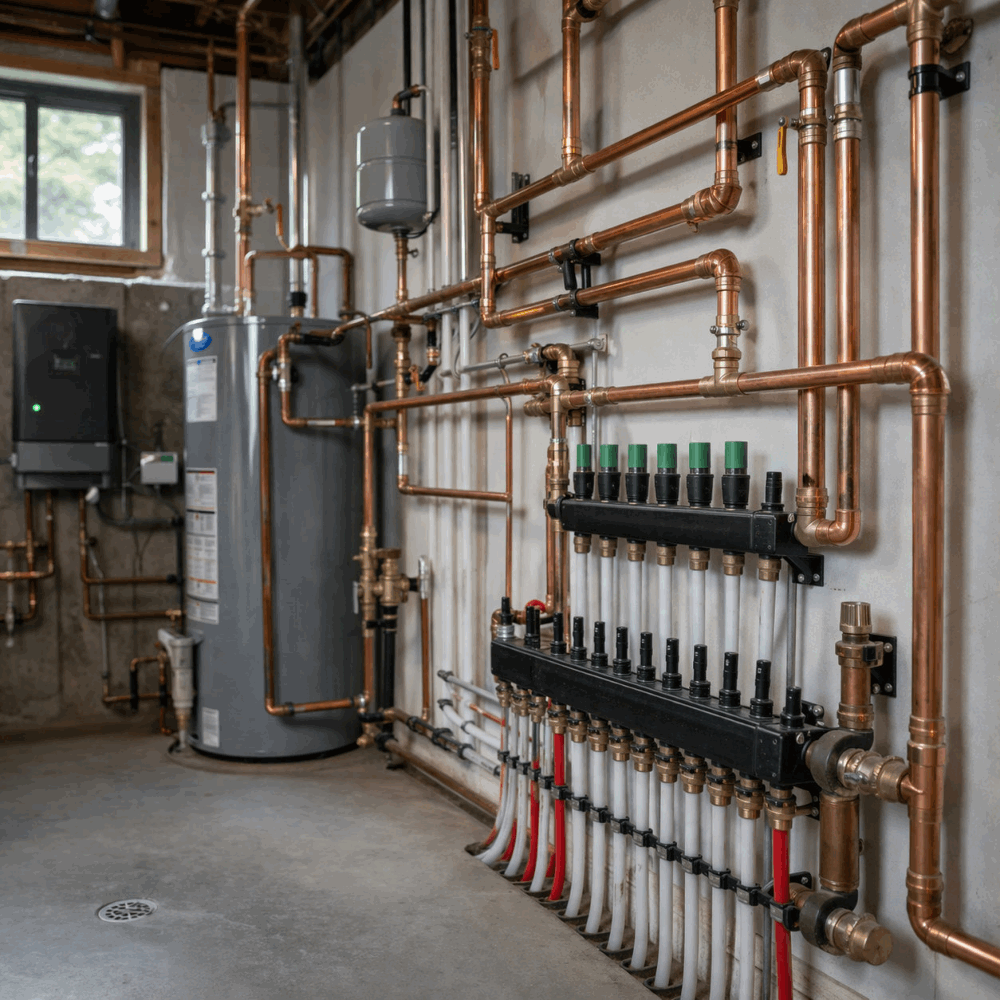
🧠 Contractor / System Thinking Translation
Infrastructure System | Residential Equivalent |
Gas pipeline | Main utility line |
Internal defect | Hidden pipe weakness |
Rupture | Pipe burst |
Pressure release | System failure escalation |
👉 Same equation:
Hidden defect + high pressure = catastrophic failure
🏠 What This Means for Your Home
- Hidden defects can exist without warning
- Pressure amplifies damage when systems fail
- Underground utilities impact your home directly
- Early detection is critical but often overlooked
🎯 Final Takeaways (Mechanical Framing)
- Root Cause: Material defects and aging infrastructure
- Trigger: Failure under high-pressure conditions
- Failure Type: Rupture → ignition → catastrophic damage
- Impact Multiplier: pressure + residential proximity
Lesson:
When high-pressure systems fail underground, the damage happens instantly and at full force