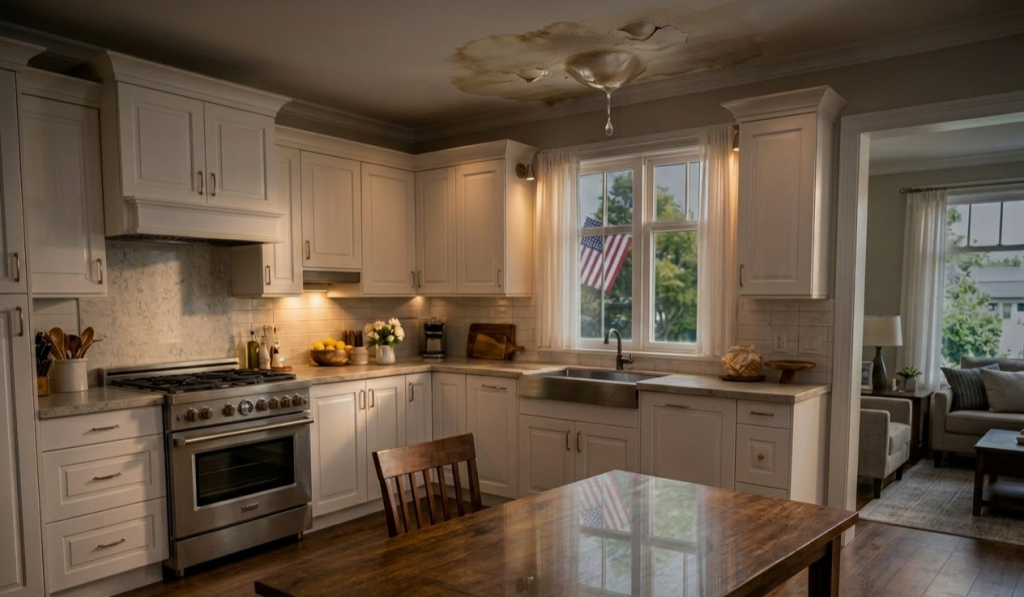
sinkholeSF40 — Time as the Primary Failure Multiplier
Nothing fails on day one.
It fails on day 10,000.
That’s the part most people miss.
Time doesn’t just age a system.
It compounds every weakness inside it.
In the 1995 Sea Cliff event in San Francisco, the collapse wasn’t caused by a single storm.
The storm was the trigger.
Time was the cause.
A 100-year-old sewer line had already lost capacity to perform under load.
Pressure remained.
Water kept moving.
The system crossed its limit.
System vs Symptom Breakdown
What gets blamed:
- heavy rain
- sudden collapse
- unexpected failure
What actually drives the outcome:
- decades of material degradation
- cumulative stress from pressure cycles
- long-term water exposure to surrounding soil
- gradual loss of system integrity
Contractor Insight:
Events don’t create failure. They reveal it. Time is what builds it.
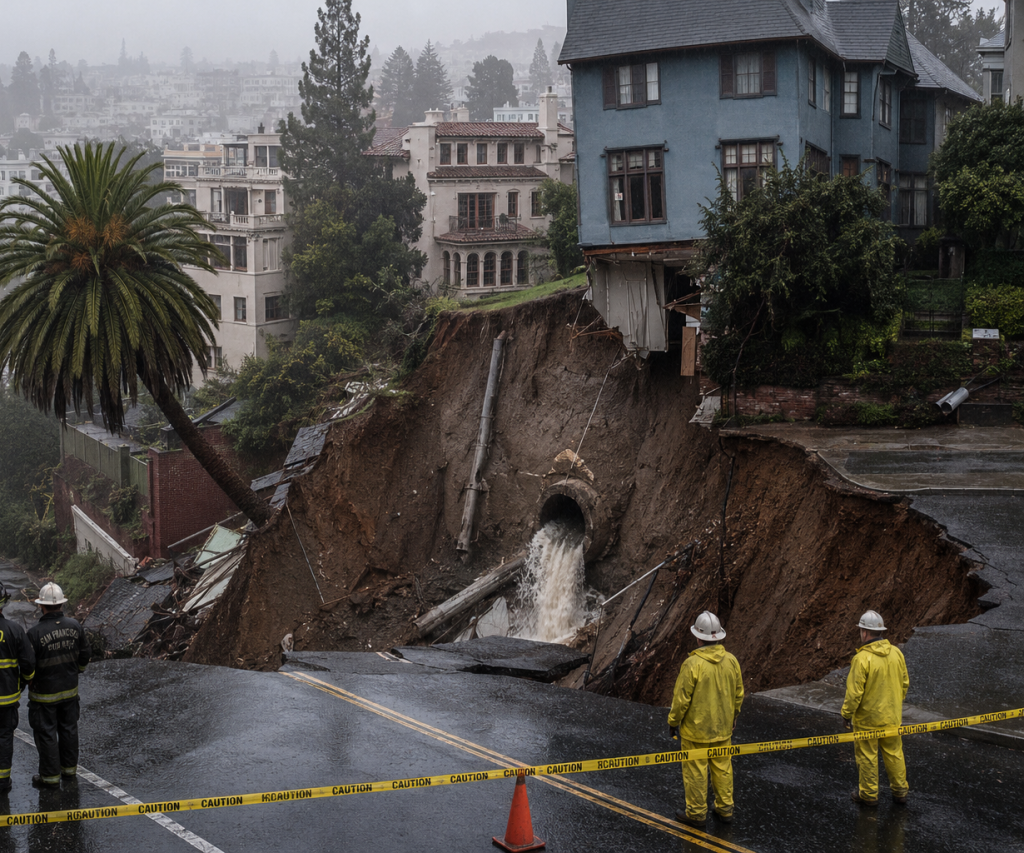
Failure Origin (Not Visible Damage)
Time operates inside the system where no one looks.
Over years:
- pipe walls thin from corrosion
- joints lose tolerance from movement
- materials fatigue under constant pressure cycles
- minor leaks develop and persist
At the same time:
- water interacts with soil continuously
- soil structure slowly changes
- support conditions degrade incrementally
Advanced Thinking:
Time doesn’t act alone. It amplifies every other factor—pressure, water movement, and environmental conditions—until the system can no longer compensate.
Why Repairs Don’t Solve Underlying Conditions
Repairs interrupt failure.
They don’t reset time.
A repair:
- fixes a current break
- restores short-term functionality
- leaves the system’s age unchanged
- does not reverse accumulated degradation
Contractor Insight:
You can repair a 50-year-old system, but it’s still a 50-year-old system. Every other section is operating on the same timeline.
Advanced Pattern:
- aging system → localized failure
- repair applied → system continues aging
- next failure occurs sooner
The intervals between failures shrink over time.
System Alignment vs Patchwork
Time exposes inconsistency faster than anything else.
Aligned system:
- all materials share the same lifecycle stage
- pressure response is consistent
- degradation is predictable
- maintenance is manageable
Patched system:
- new sections connected to aging infrastructure
- different lifecycle stages across the system
- uneven degradation rates
- unpredictable failure timing
Contractor Insight:
When part of the system is new and part is old, time accelerates failure at the connection points. The system ages unevenly—and fails unevenly.
Advanced Thinking:
Time doesn’t degrade systems evenly.
It finds the weakest progression point and accelerates it.
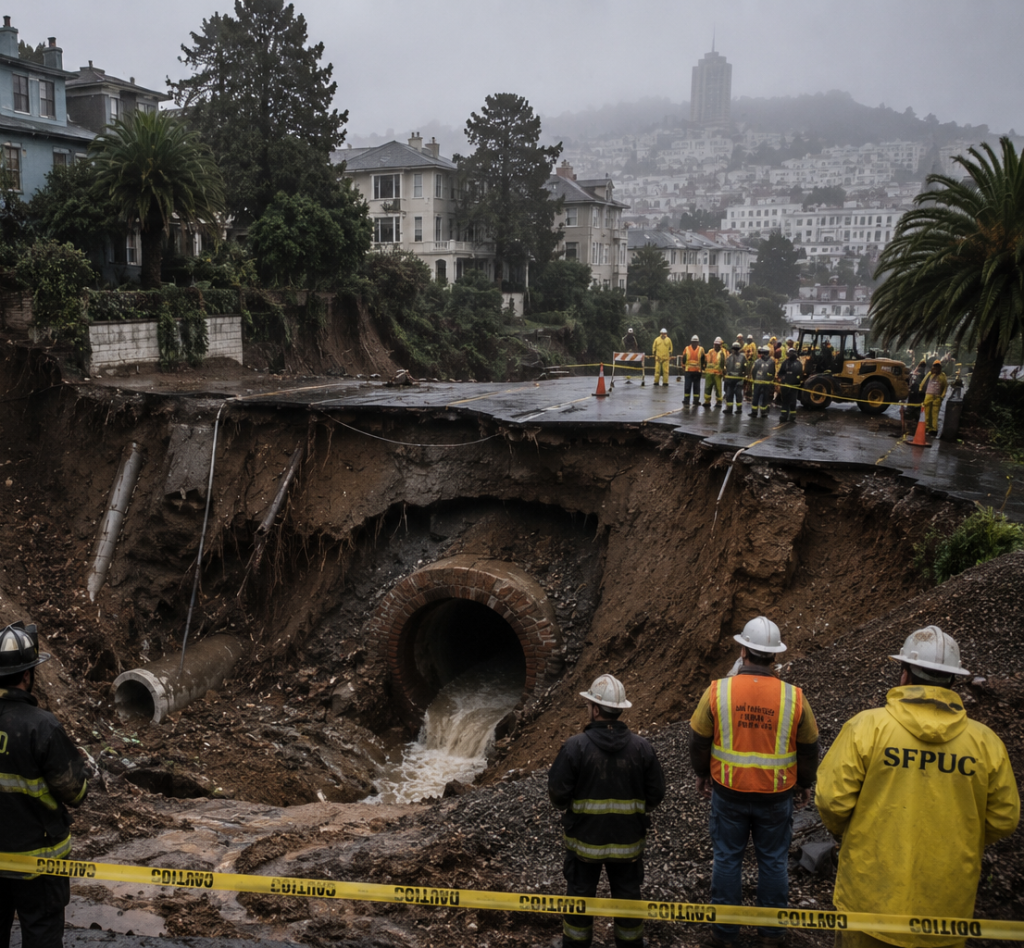
The Translation: Infrastructure → Home
Sea Cliff followed a long timeline:
Infrastructure:
- decades of degradation
- continued operation under load
- gradual loss of containment
- eventual collapse under stress
At the residential level:
- aging plumbing system
- ongoing pressure and water flow
- slow development of hidden leaks
- structural impact over time
Same drivers:
- Pressure
- Water Movement
- Time
- Movement
Contractor Insight:
Homeowners experience the end of the timeline. Contractors recognize the timeline itself.
Why Time Accelerates in Bay Area Conditions
In San Francisco:
- soil movement adds constant stress
- moisture levels fluctuate seasonally
- many systems exceed original design life
Advanced Thinking:
When time combines with movement and moisture, degradation is not linear. It accelerates. Systems don’t just age—they compound failure faster.
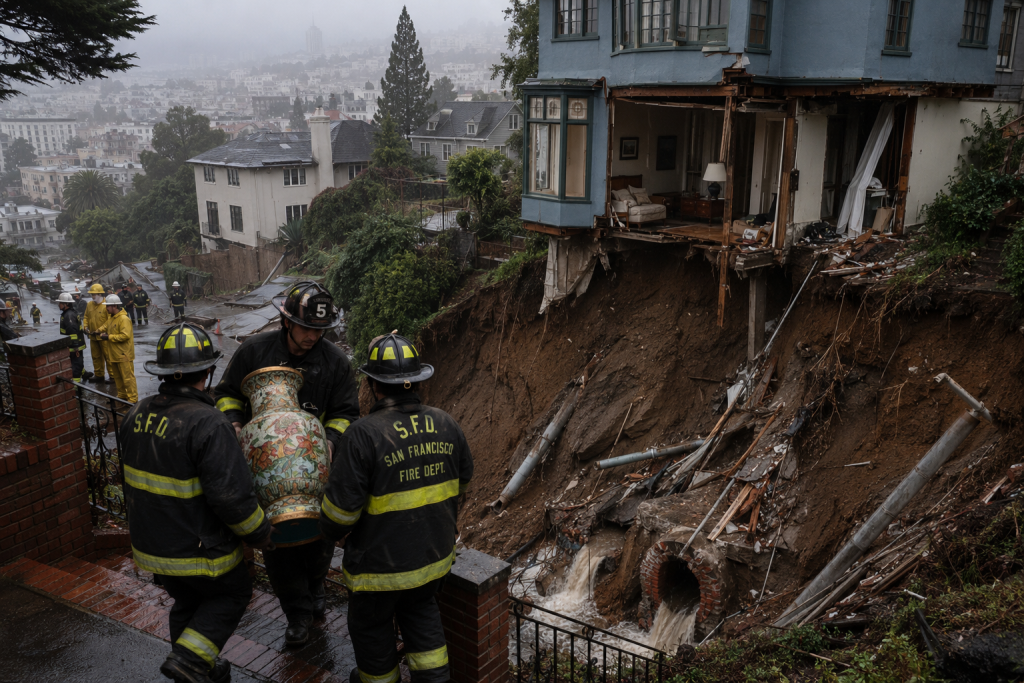
System Progression: Time → Compression of Failure
The pattern is predictable:
- Early stage: system operates with minimal visible issues
- Mid stage: hidden degradation increases
- Late stage: failures become more frequent
- End stage: structural impact or catastrophic failure
Time compresses the transition from mid-stage to end-stage.
The Illusion of “Still Working”
One of the most dangerous signals is:
“It’s still working.”
That only means:
- the system hasn’t crossed the visible threshold yet
- pressure is still being contained—barely
- failure is still internal
Contractor Insight:
Functionality is not a measure of system health. It’s a lagging indicator of failure.
Structural Prevention, Not Repair
You can’t stop time.
But you can reset its impact.
A repipe:
- removes accumulated degradation
- restores full system integrity
- aligns all components to the same lifecycle
- eliminates hidden time-based weaknesses
Contractor Insight:
The goal isn’t to keep an aging system alive. It’s to replace it before time forces the decision.
Advanced Positioning:
Time is the only factor that never stops.
Every day, the system moves closer to failure.
Repipe doesn’t fight time.
It resets it.