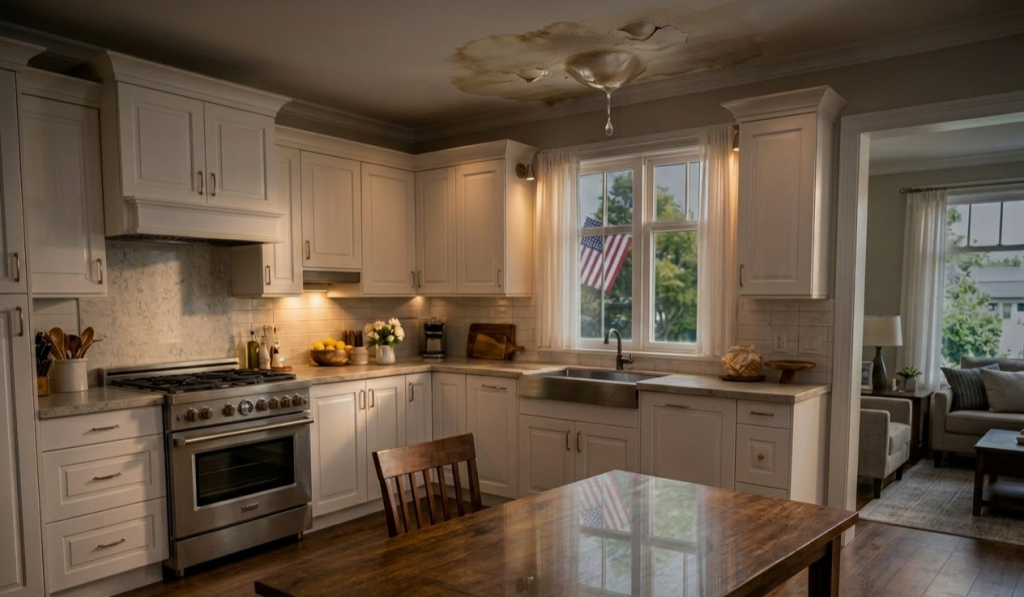
sinkholeSF13 — Total Loss Without Fire or Warning
There was no ignition point.
No visible fracture line.
No audible failure before the event.
From a claims perspective, that matters.
Insurance systems are structured around identifiable triggers—fire, wind, impact, intrusion. Events that announce themselves. Events that can be timed, traced, and categorized.
This was not one of them.
In 1995, a property in San Francisco was lost when a buried sewer line failed during heavy rainfall. Water escaped into surrounding soil, eroded structural support, and created a void large enough to consume the structure above it.
No flame.
No storm impact.
No visible warning.
Just total loss.
Failure Classification vs Policy Language
Policies require a defined peril.
This event presents a classification problem.
Observed Outcome:
- Structural collapse
- Ground subsidence
- Full property loss
Underlying Drivers:
- Infrastructure degradation (aging sewer line)
- Water movement outside containment
- Soil displacement and void formation
Each aligns to a different policy category:
- Collapse (sometimes covered, but narrowly defined)
- Water Damage (limited and conditional)
- Earth Movement (commonly excluded)
The adjuster must determine:
Which category is primary?
Because only one activates.
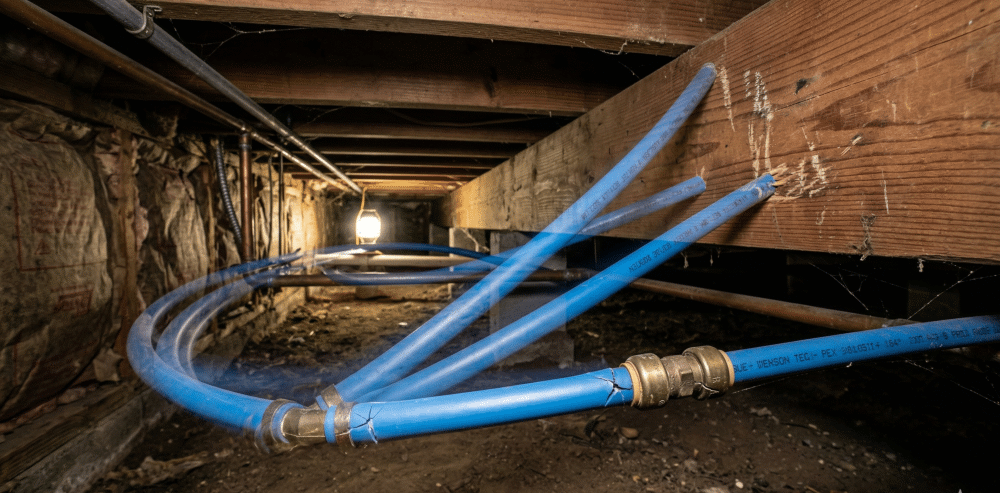
Coverage Inclusion vs Exclusion
The absence of a “named event” creates exposure.
Policies are designed to respond to discrete incidents.
This event is progressive and multi-layered.
Potential Inclusion (Limited):
- Sudden pipe rupture within the structure
- Direct water damage to interior finishes
Common Exclusions:
- Soil movement or subsidence
- Underground system deterioration
- External water migration affecting land stability
- Structural collapse tied to excluded causes
This creates a gap between:
- What failed (system + soil)
- What is insured (structure under defined perils)
Common Claim Denial Scenarios
Total losses without a clear trigger are difficult to place within policy boundaries.
- Collapse Not Meeting Definition
- Policies often define collapse narrowly (e.g., abrupt caving of a building)
- If attributed to excluded causes, coverage does not apply
- Gradual vs Sudden Dispute
- Sewer degradation occurs over time
- Insurer classifies failure as long-term deterioration
- Earth Movement Dominance
- Final event is ground collapse
- Entire claim shifted to earth movement exclusion
- External System Failure
- Sewer line considered outside insured property system
- Failure categorized as off-premises infrastructure issue
Result:
A total structural loss can exist without a covered peril.
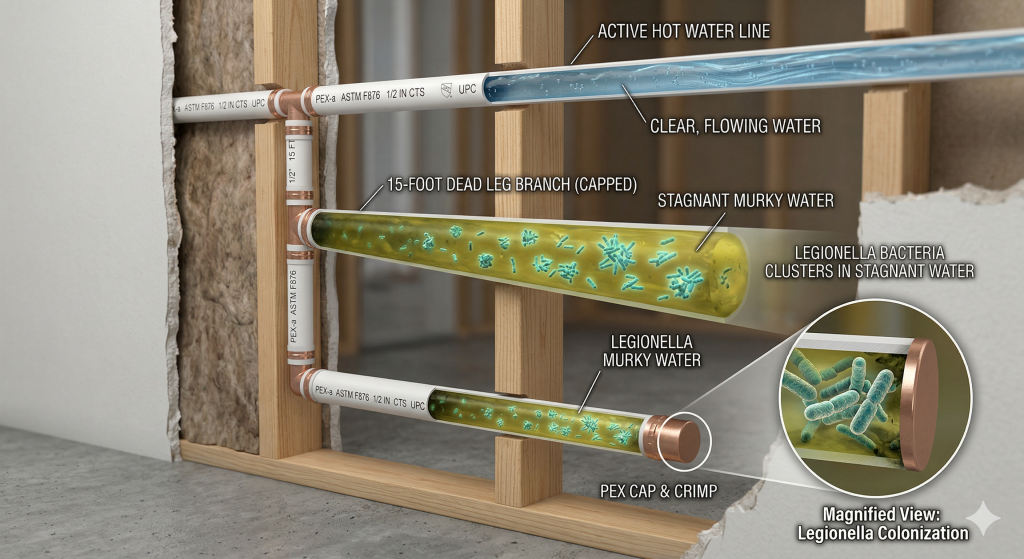
Documentation Challenges
Events without visible triggers are difficult to prove.
They lack a starting point.
Key issues:
- No clear moment of failure
- Collapse appears sudden, but cause is cumulative
- Destroyed evidence
- Subsurface systems inaccessible after collapse
- Causation ambiguity
- Multiple systems contribute simultaneously
- Policy interpretation reliance
- Outcome depends heavily on how reports frame cause
Without a defined trigger,
documentation must reconstruct a sequence that no longer exists.
Pattern Breakdown (System Behavior)
- Pressure: Increased system load during rainfall
- Water Movement: Escape from failed containment into soil
- Hidden Damage: Erosion develops beneath surface unnoticed
- Time: Aging infrastructure weakens integrity over decades
- Movement: Soil displacement removes support → structural collapse
The failure is not explosive.
It is cumulative until it is irreversible.
Why Total Loss Does Not Equal Coverage
Insurance responds to defined risks.
Not all catastrophic outcomes align with those definitions.
This event demonstrates a key gap:
- A structure can be completely destroyed
- Without a qualifying insured cause
No fire.
No storm classification.
No direct impact.
Only system interaction across excluded categories.

Define Risk Before It Becomes Invisible
Losses without warning are not unpredictable.
They are unobserved.
In regions shaped by:
- Moisture exposure
- Soil movement
- Aging underground infrastructure
risk exists below the inspection line.
Homeowners should understand:
- How collapse is defined within their policy
- Where infrastructure responsibility ends
- How water movement is classified when it leaves containment
Because when failure has no visible trigger,
the outcome may be total loss—
without a covered event.