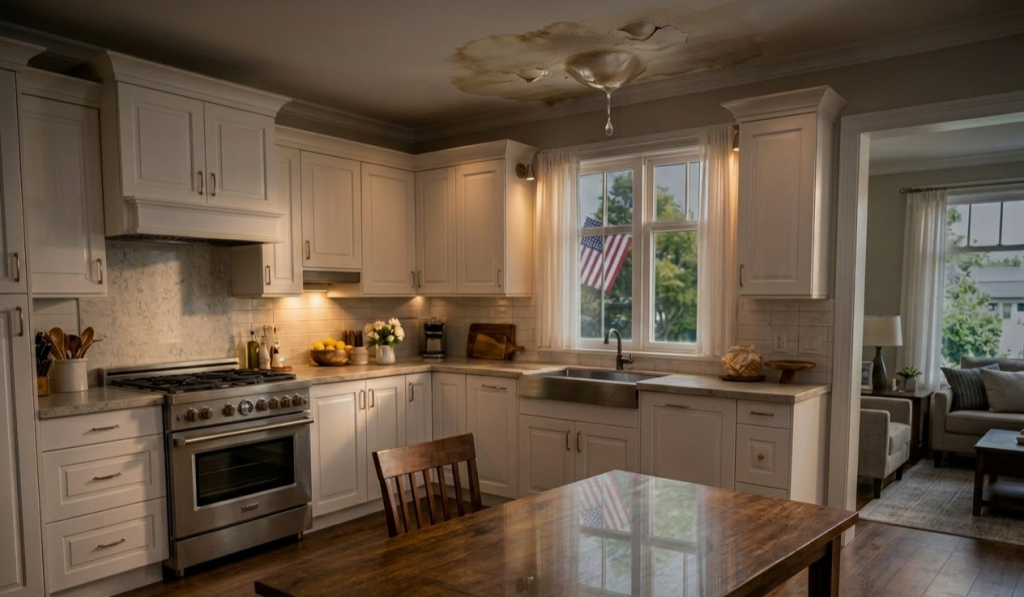
Alabama Home Failure Intelligence
How This Helps Alabama Homeowners
Most Alabama homeowners do not realize their plumbing system is being attacked from multiple directions at the same time.
The leak under the slab is usually not “random.”
The sewer backup after heavy rain is usually not isolated.
The recurring crawlspace moisture problem often connects to larger environmental pressure underneath the property.
Alabama homes sit inside a layered plumbing failure environment shaped by:
- expansive clay soil
- saturation and humidity
- root intrusion
- aging infrastructure
- rapid-growth construction
- heat expansion
- coastal corrosion near Gulf regions
- limestone and subsurface instability in some areas
Understanding the pattern changes the decision.
Instead of chasing symptoms one repair at a time, homeowners can understand:
- why failures repeat
- where systems weaken first
- which homes carry higher hidden risk
- why partial repairs often fail
- how Alabama’s environment changes plumbing behavior over time
The goal is not fear.
The goal is pattern recognition.
Because once homeowners understand the environmental system surrounding the house, plumbing failure becomes more predictable.
Modeled from the national framework at Plumbing Whole Home Repipe Home Failure Intelligence. (Plumbing Whole Home Repipe)

Alabama Is A Layered Moisture + Soil + Growth Environment
Alabama plumbing systems experience pressure from both underground movement and long-duration moisture exposure.
Unlike dry western states where systems fail mainly from heat and mineral scale, Alabama systems often fail because moisture, movement, vegetation, and aging infrastructure overlap together.
Many Alabama homes experience:
- expansive clay movement
- humid crawlspace environments
- high seasonal rainfall
- root-heavy vegetation pressure
- aging sewer systems
- slab movement after wet/dry cycles
- corrosion in coastal air environments
- rapid suburban construction expansion
The result is not usually one catastrophic event.
The result is repeated small failures building toward larger system instability.
The Alabama Failure Stack
1. Expansive Soil / Slab Stress Failure
Large portions of Alabama contain clay-heavy soil conditions that expand during wet periods and contract during drought conditions.
That movement transfers stress into:
- slab penetrations
- underground drains
- copper supply lines
- sewer transitions
- foundation-connected piping
Failure signatures often include:
- slab leaks
- recurring underground repairs
- cracked drain lines
- pipe separation
- uneven flooring near plumbing routes
- recurring leaks after major weather swings
The pipe is often reacting to movement underneath the structure.
Not simply aging.
Modeled from the national expansive soil framework. (Plumbing Whole Home Repipe)
2. Saturation + Humidity Failure
Alabama’s moisture environment creates a different type of hidden plumbing pressure.
Persistent humidity changes how homes age.
Long-duration moisture exposure affects:
- crawlspaces
- floor systems
- supports
- drain line corrosion
- hidden framing
- insulation environments
- pipe supports and hangers
Heavy rainfall can also destabilize underground drainage conditions around sewer systems.
Common Alabama moisture signatures include:
- wet crawlspaces
- musty plumbing environments
- hidden mold-adjacent damage
- soft soil near foundations
- recurring drain backups after storms
- corrosion underneath homes
- moisture-hidden leaks
In wet environments, small leaks stay hidden longer because the surrounding environment already feels damp.
That delays detection.
And delayed detection increases structural damage.
Modeled from the national saturation/high-water-table framework. (Plumbing Whole Home Repipe)
Root Intrusion Across Mature Alabama Neighborhoods
Roots are one of the most predictable recurring sewer problems across older Alabama neighborhoods.
Especially in areas with:
- mature trees
- older clay laterals
- aging cast iron
- shifting underground joints
- long-term moisture exposure
Roots usually do not create the first weakness.
They find an existing weakness.
Then they accelerate the failure.
Failure patterns often include:
- recurring sewer stoppages
- slow drains after rain
- yard cleanout overflow
- sewer bellies
- offset pipe joints
- repeated drain cleaning without long-term correction
Many Alabama homeowners spend years clearing the same line repeatedly while the underlying structural weakness continues expanding underground.
Modeled from the national root intrusion framework. (Plumbing Whole Home Repipe)
Alabama Boom-Build Installation Pressure
Rapid suburban expansion across parts of Alabama introduced another layer of plumbing risk.
Fast-growth environments increase pressure on:
- labor quality
- inspection consistency
- installation sequencing
- trench preparation
- expansion control
- long-term system planning
Hidden weaknesses created during construction may not appear for years.
Especially once environmental pressure begins loading the system.
Common growth-market weaknesses include:
- poorly supported piping
- weak slab penetrations
- rushed underground bedding
- inconsistent material transitions
- improper slope
- undersized branch lines
- poorly controlled pressure systems
Some homes inherit plumbing instability the day construction finishes.
Modeled from the national boom-build framework. (Plumbing Whole Home Repipe)
Coastal Alabama Corrosion Exposure
Gulf-adjacent Alabama environments experience additional corrosion pressure from:
- salt air
- humidity
- storm exposure
- exterior moisture cycling
This primarily affects:
- outdoor fixtures
- exposed piping
- water heaters
- fasteners
- supports
- crawlspace systems
- exterior plumbing assemblies
Corrosion can begin outside the pipe before homeowners ever notice interior leakage.
That creates hidden deterioration patterns difficult to see during casual inspection.
Modeled from the national coastal corrosion framework. (Plumbing Whole Home Repipe)

Legacy Material Failure In Older Alabama Homes
Older Alabama properties often contain layered plumbing generations.
Homes may include combinations of:
- galvanized supply lines
- cast iron drains
- older copper systems
- mixed repair materials
- partial remodel upgrades
- aging sewer laterals
Over decades, repair-on-top-of-repair conditions create weak transitions throughout the house.
The system stops behaving as one unified plumbing network.
Instead, it becomes a patchwork of different eras, materials, and installation standards.
Failure signatures often include:
- recurring leaks in different areas
- drain scaling
- hidden corrosion
- flow restriction
- repeated spot repairs
- sewer instability
- inconsistent pressure behavior
Sometimes the plumbing problem is not a single pipe.
The entire generation of plumbing has reached instability.
Modeled from the national legacy material framework. (Plumbing Whole Home Repipe)
Alabama Regional Pattern Differences
Northern Alabama
Northern Alabama experiences more interaction between:
- clay movement
- limestone terrain
- subsurface instability
- older infrastructure
- seasonal freeze exposure in some regions
Some areas also experience karst-related underground instability patterns similar to Tennessee and Kentucky systems.
Central Alabama
Central Alabama often combines:
- expansive soil movement
- humidity
- older suburban infrastructure
- root intrusion
- aging sewer systems
- growth-related construction pressure
This creates overlapping underground stress conditions.
Coastal Alabama
Coastal Alabama adds:
- salt exposure
- saturation
- humidity-driven corrosion
- stormwater pressure
- elevated moisture environments
Homes near the Gulf experience constant environmental exposure cycles affecting plumbing longevity.
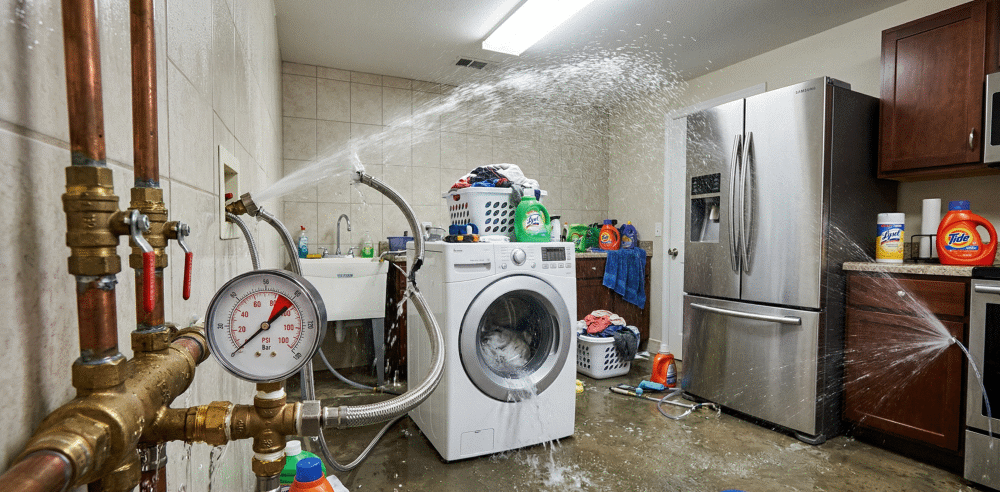
Human-System Failure In Alabama Homes
Environmental pressure alone does not explain every plumbing failure.
Human decisions often accelerate the problem.
Especially:
- deferred maintenance
- improper DIY repairs
- partial repipes
- incompatible materials
- repeated spot repairs
- rushed contractor work
- unsupported piping
- hidden non-code modifications
The environment creates pressure.
Human shortcuts determine whether the system survives it.
Modeled from the national human-system failure framework. (Plumbing Whole Home Repipe)
Final Positioning Statement
Alabama plumbing systems rarely fail from one condition alone.
Most failures develop where multiple pressures overlap:
- wet soil
- clay movement
- roots
- humidity
- aging infrastructure
- rapid construction growth
- hidden moisture
- repair layering over time
The visible leak is usually the final stage.
The real failure often began years earlier underneath the surface.
Understanding Alabama’s plumbing failure environment helps homeowners identify risk before the next visible event forces the decision.