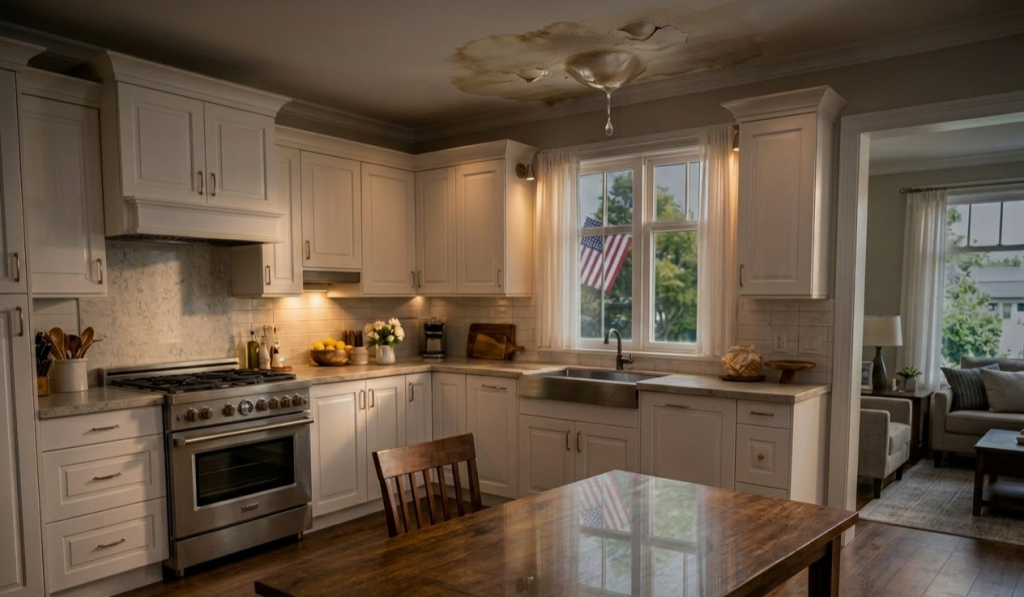
Boise Plumbing Systems Under Freeze and Hard Water Stress
Boise homeowners benefit from understanding how winter freeze cycles, mineral-heavy water, rapid suburban expansion, irrigation saturation, and aging underground infrastructure gradually stress residential plumbing systems over time. Many plumbing failures across the Treasure Valley begin silently beneath slabs, inside crawlspaces, and underground long before visible leaks appear inside the home. Early awareness helps reduce freeze damage, pipe scaling, underground leaks, hidden corrosion, pressure imbalance, and expensive structural repair conditions tied to Boise’s changing environmental and development patterns.
Boise Expanded Faster Than Its Original Infrastructure
Large portions of Boise were never designed for today’s population density.
Early homeowners in older Boise neighborhoods experienced a much smaller city with lighter water demand, simpler irrigation systems, lower fixture loads, and fewer large-scale suburban developments surrounding the valley.
Growth changed everything.
Farmland became subdivisions.
Open land transformed into high-demand residential corridors stretching through Meridian, Eagle, Kuna, and western Ada County.
Municipal infrastructure absorbed increasing pressure as thousands of homes connected into systems originally developed under entirely different assumptions decades earlier.
Contractors across the Treasure Valley now regularly encounter plumbing systems operating beyond the environmental and usage expectations tied to their original installation era.
Stress accumulates quietly underneath that expansion.
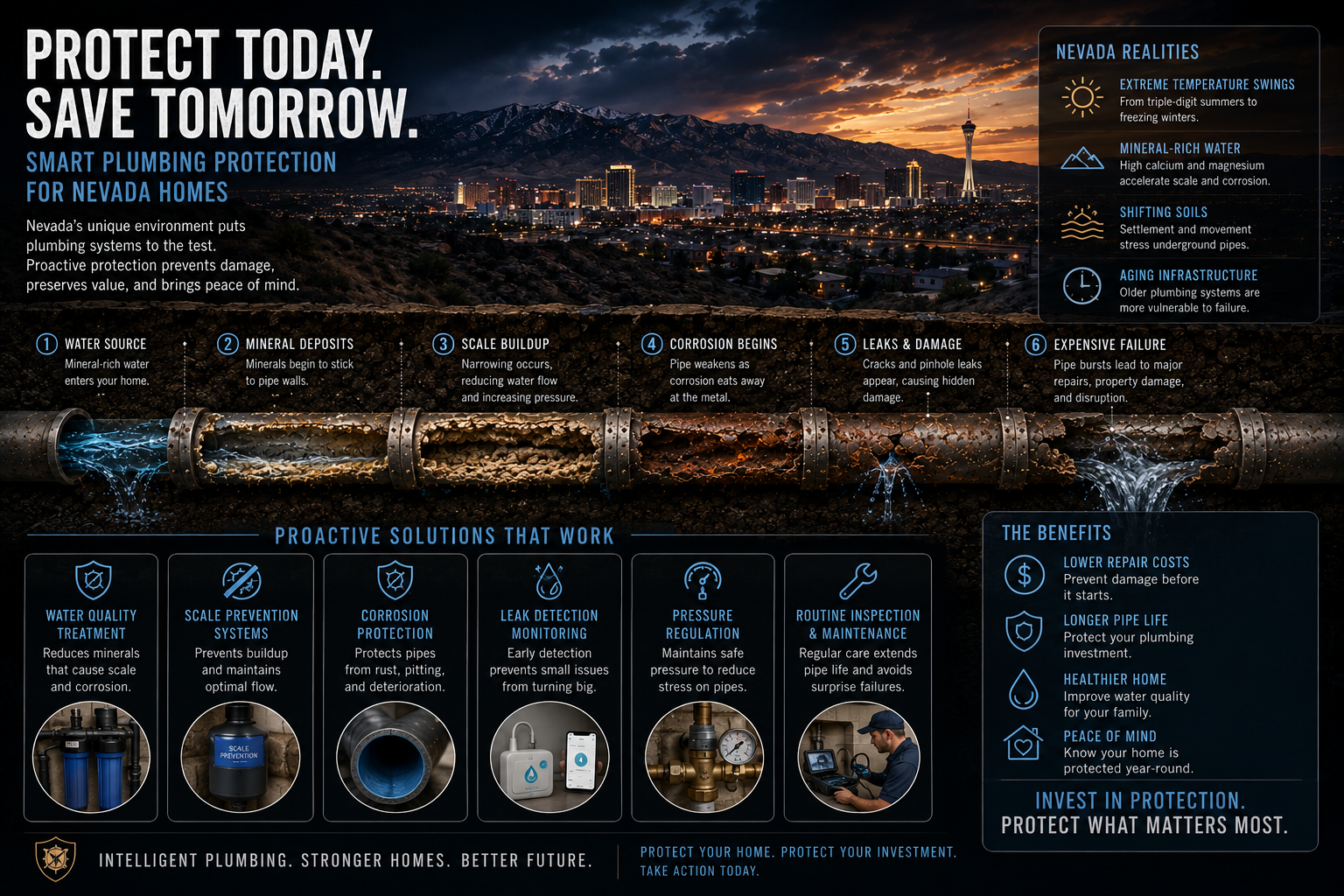
Freeze-Thaw Movement Damages Underground Plumbing Slowly
Winter conditions shape Boise plumbing behavior every year.
Frozen pipes represent only part of the problem.
Ground movement underneath residential properties creates additional stress across underground systems during repeated freeze-thaw cycles.
Moisture inside surrounding soil expands during freezing periods and contracts again during thaw conditions. That movement gradually shifts buried utility lines, slab penetrations, irrigation systems, and aging service connections beneath the home.
Small fractures may remain hidden initially.
Minor separation points often leak slowly underground before visible symptoms appear indoors.
Pressure inconsistency sometimes becomes the first warning sign homeowners notice.
Contractors frequently uncover cracked fittings and shifted underground connections that developed gradually across multiple winters rather than one isolated freeze event.
Hard Water Quietly Reshapes the Inside of the Plumbing System
Boise water conditions introduce another long-term pressure factor.
Mineral-heavy water slowly changes pipe interiors over time.
Calcium buildup narrows flow pathways.
Scale accumulation restricts fixture performance.
Water heaters absorb continuous mineral exposure underneath elevated operating temperatures.
Older Boise homeowners often adapted gradually to declining pressure without recognizing how severely hard water buildup had altered the plumbing system internally.
Modern repipe evaluations frequently reveal substantial mineral restriction inside aging copper and galvanized supply lines throughout the valley.
Pipe interiors sometimes resemble hardened tunnels rather than smooth water pathways after decades of exposure.
Flow imbalance increases additional stress across the broader system once restriction develops unevenly between supply branches.
Irrigation Culture Alters Soil Conditions Beneath Homes
Boise landscaping habits influence plumbing stability more than many residents realize.
The Treasure Valley transformed through irrigation expansion historically.
Dry high-desert terrain became heavily watered residential communities over generations of agricultural and suburban development.
Sustained irrigation changes underground soil behavior.
Moisture retention increases around buried utility lines.
Expansion pressure affects slab-adjacent plumbing systems.
Root intrusion grows more aggressive underneath mature landscaping environments.
Contractors often trace underground leaks to long-term soil saturation patterns surrounding sprinkler systems, tree corridors, and older drainage pathways near foundations.
Subsurface instability develops gradually beneath the surface while visible landscaping appears healthy above ground.
Contractors Frequently Encounter Mixed-Era Plumbing Conditions
Boise housing stock spans multiple construction generations operating under entirely different standards and materials.
Older homes may still contain galvanized sections alongside copper retrofits and newer PEX modifications added years later.
Mixed-material systems respond differently under freeze and pressure stress.
Expansion rates vary.
Connection points weaken over time.
Partial upgrades sometimes leave hidden vulnerabilities buried behind finished walls or underneath remodeled areas of the home.
Service calls regularly expose broader infrastructure problems extending far beyond the original leak location.
One failed fitting often reveals decades of layered plumbing evolution underneath the structure.
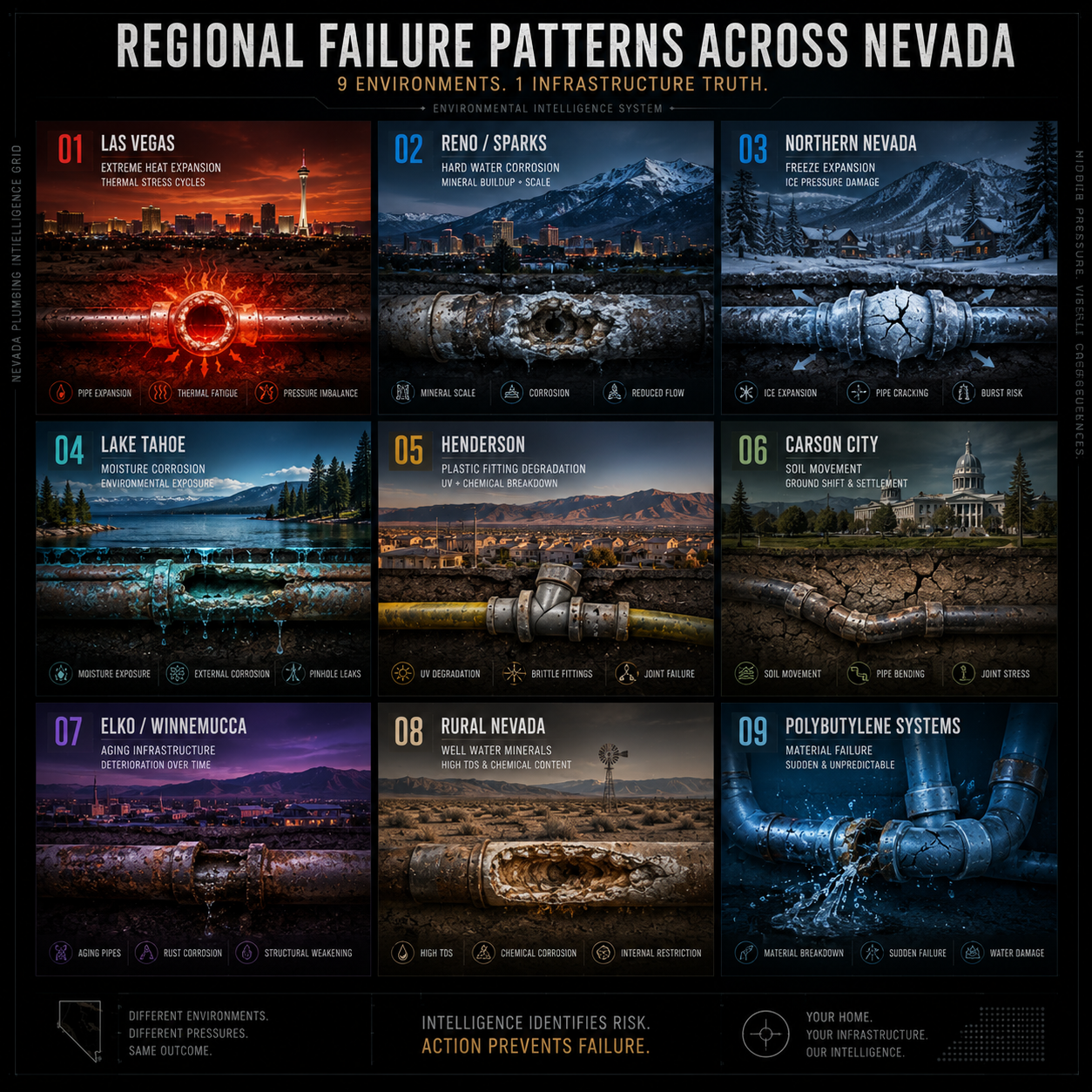
Rapid Development Introduced Installation Variability
Treasure Valley growth accelerated construction timelines across entire subdivisions.
High-volume development increased pressure on labor availability and installation consistency during major expansion periods.
Mechanical shortcuts occasionally became embedded inside newer housing infrastructure.
Improper pipe support spacing appears in some developments.
Drainage slope inconsistencies occasionally surface years later.
Pressure balancing systems were not always optimized correctly across rapidly built neighborhoods.
Contractors now identify repeated plumbing patterns tied to certain construction eras throughout Boise-area expansion corridors.
Modern homes can still carry hidden vulnerabilities despite appearing structurally newer on the surface.
Snowmelt and Seasonal Saturation Impact Foundations
Winter weather influences more than exposed supply lines.
Snowmelt changes underground moisture behavior across Boise neighborhoods each spring.
Saturated soil expands pressure around foundations and buried utility corridors after heavy seasonal accumulation periods.
Drainage systems absorb increased environmental loading during those transitions.
Underground leaks sometimes remain concealed because surrounding soil conditions already contain elevated moisture naturally.
Foundation settlement patterns may gradually intensify underneath repeated seasonal saturation exposure.
Contractors often observe plumbing stress developing alongside broader structural movement conditions throughout older areas of the valley.
Water Pressure Variation Quietly Fatigues Plumbing Systems
Elevation differences across Boise neighborhoods create changing municipal pressure behavior throughout the city.
Hillside communities often experience different operating conditions than flatter valley developments.
Pressure regulators absorb continuous stress under those fluctuations.
Irrigation demand further increases system cycling during warmer months.
Repeated pressure variation weakens vulnerable fittings gradually over time.
Older copper lines become increasingly susceptible to pinhole leaks after years of mineral exposure combined with unstable operating pressure.
One higher-pressure event frequently exposes weaknesses already developing quietly underneath the surface.
Crawlspace and Basement Moisture Remain Common Hidden Risks
Older Boise homes often contain crawlspaces or partially below-grade areas vulnerable to seasonal moisture exposure.
Winter condensation develops around cold supply lines.
Spring saturation increases humidity underneath enclosed spaces.
Restricted airflow slows drying conditions after minor plumbing leaks occur.
Contractors routinely encounter hidden corrosion, insulation collapse, wood deterioration, and microbial growth beneath older homes during plumbing evaluations.
Most homeowners never inspect those environments directly.
Hidden damage expands gradually until flooring movement, odor development, or visible water intrusion finally appears upstairs.
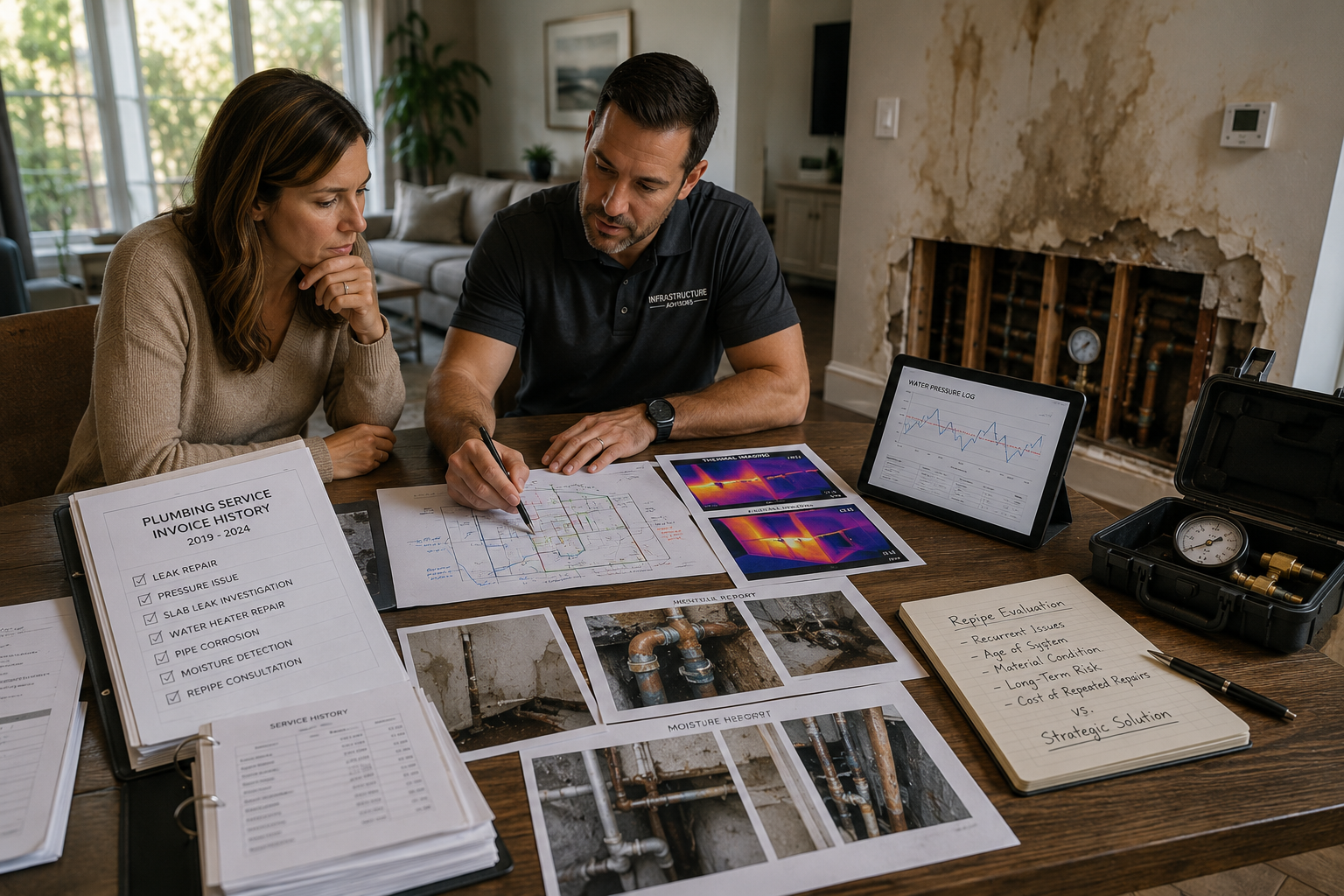
Boise Plumbing Systems Operate Under Layered Environmental Stress
Residential infrastructure throughout the Treasure Valley experiences overlapping forces simultaneously.
Freeze cycles stress underground pipes.
Hard water narrows system capacity.
Rapid expansion compounds installation variability.
Irrigation changes soil behavior.
Pressure fluctuation accelerates hidden weaknesses already forming inside the plumbing network.
Understanding those combined patterns helps homeowners recognize why Boise plumbing failures often develop slowly before eventually escalating into larger structural and water damage conditions.
Most plumbing systems do not fail suddenly.
Environmental pressure simply continues building until the structure can no longer absorb the stress quietly.