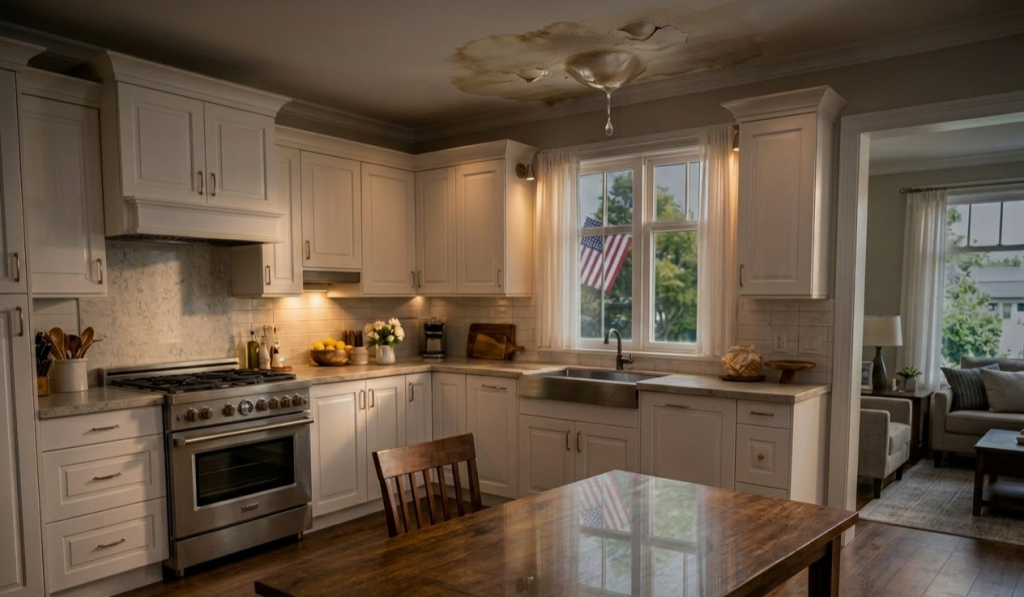
Idaho Home Failure Intelligence
Idaho homeowners benefit from understanding how freeze pressure, rapid population growth, expansive soil movement, irrigation saturation, hard water mineral buildup, and aging rural infrastructure gradually reshape residential plumbing systems over time. Many Idaho plumbing failures begin quietly underneath slabs, crawlspaces, and underground utility corridors long before visible leaks appear inside the home. Early awareness helps reduce freeze damage, underground pipe stress, hidden corrosion, pressure imbalance, and costly structural repairs tied to Idaho’s changing environmental and construction conditions.
Idaho Plumbing Systems Exist Between Expansion and Exposure
Idaho changed rapidly over the last several decades.
Agricultural communities expanded into suburban corridors.
Mountain towns evolved into high-growth housing markets.
Large residential developments spread across former farmland and open terrain throughout regions like the Treasure Valley, Coeur d’Alene, and eastern Idaho growth corridors.
Original infrastructure was not always designed for that pace of expansion.
Early homeowners across many Idaho communities experienced smaller water systems, lower density, lighter irrigation demand, and simpler plumbing loads. Modern development introduced larger homes, additional fixtures, irrigation systems, pressure variation, and increased municipal demand across the same regional infrastructure.
Stress accumulated gradually.
Water usage patterns changed.
Underground systems began operating under entirely different conditions than the original installation environment.
Freeze-Thaw Cycles Quietly Damage Underground Plumbing
Winter pressure shapes Idaho plumbing behavior statewide.
Freezing conditions do not simply threaten exposed pipes.
Subsurface movement becomes part of the problem.
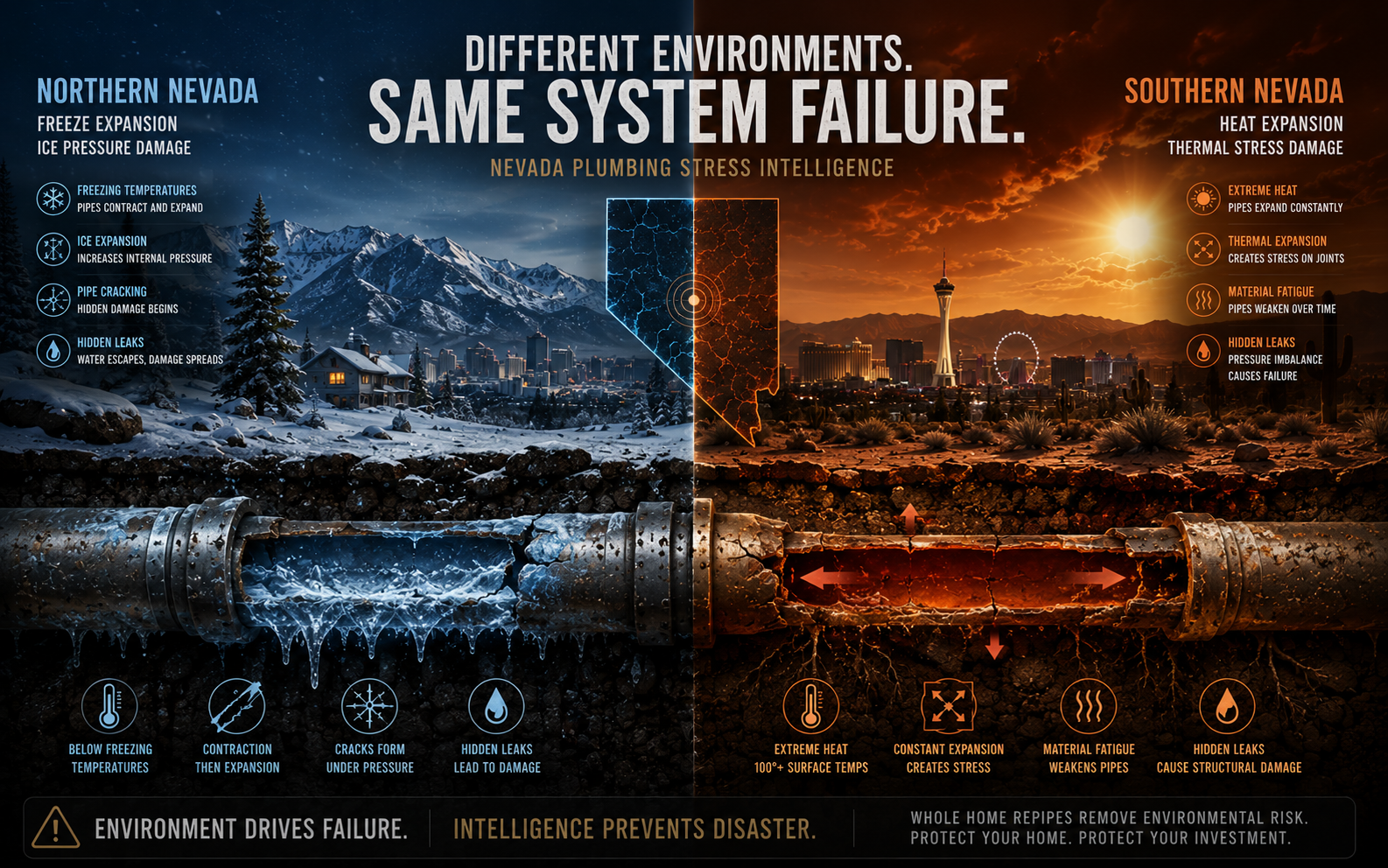
Moisture inside surrounding soil expands during freeze periods and contracts again during thaw cycles. Repeated movement places stress on underground utility lines, slab penetrations, irrigation systems, and aging service connections beneath residential properties.
Contractors across Idaho frequently encounter shifted fittings, cracked lateral lines, separated joints, and underground leaks caused by years of seasonal expansion pressure.
Small fractures often remain hidden initially.
Soil absorbs escaping water beneath the surface.
Pressure loss sometimes appears before visible structural moisture develops.
Damage progression accelerates when freezing conditions continue interacting with already weakened plumbing infrastructure year after year.
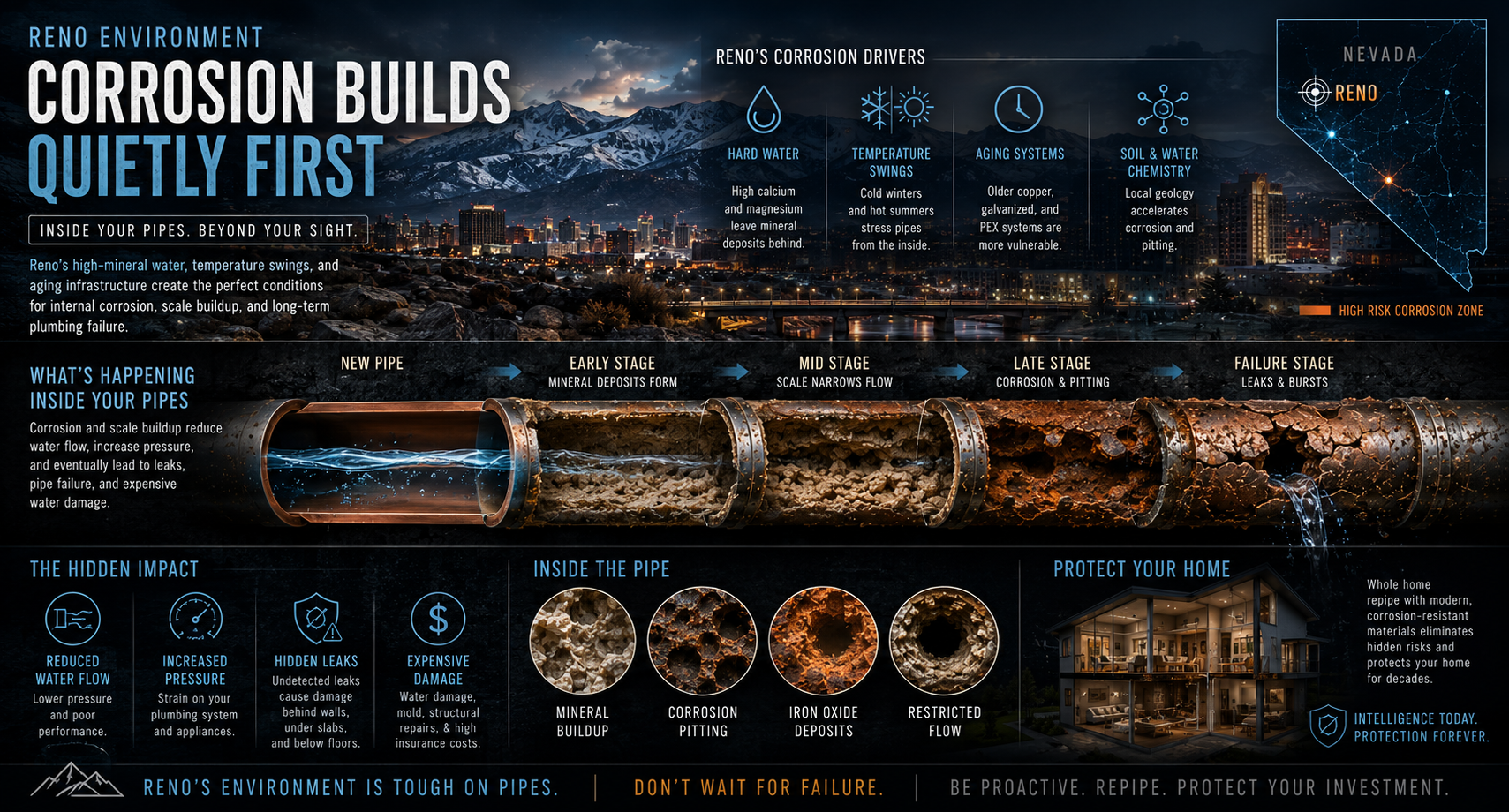
Hard Water Slowly Restricts Plumbing Performance
Mineral-heavy water conditions affect large portions of Idaho.
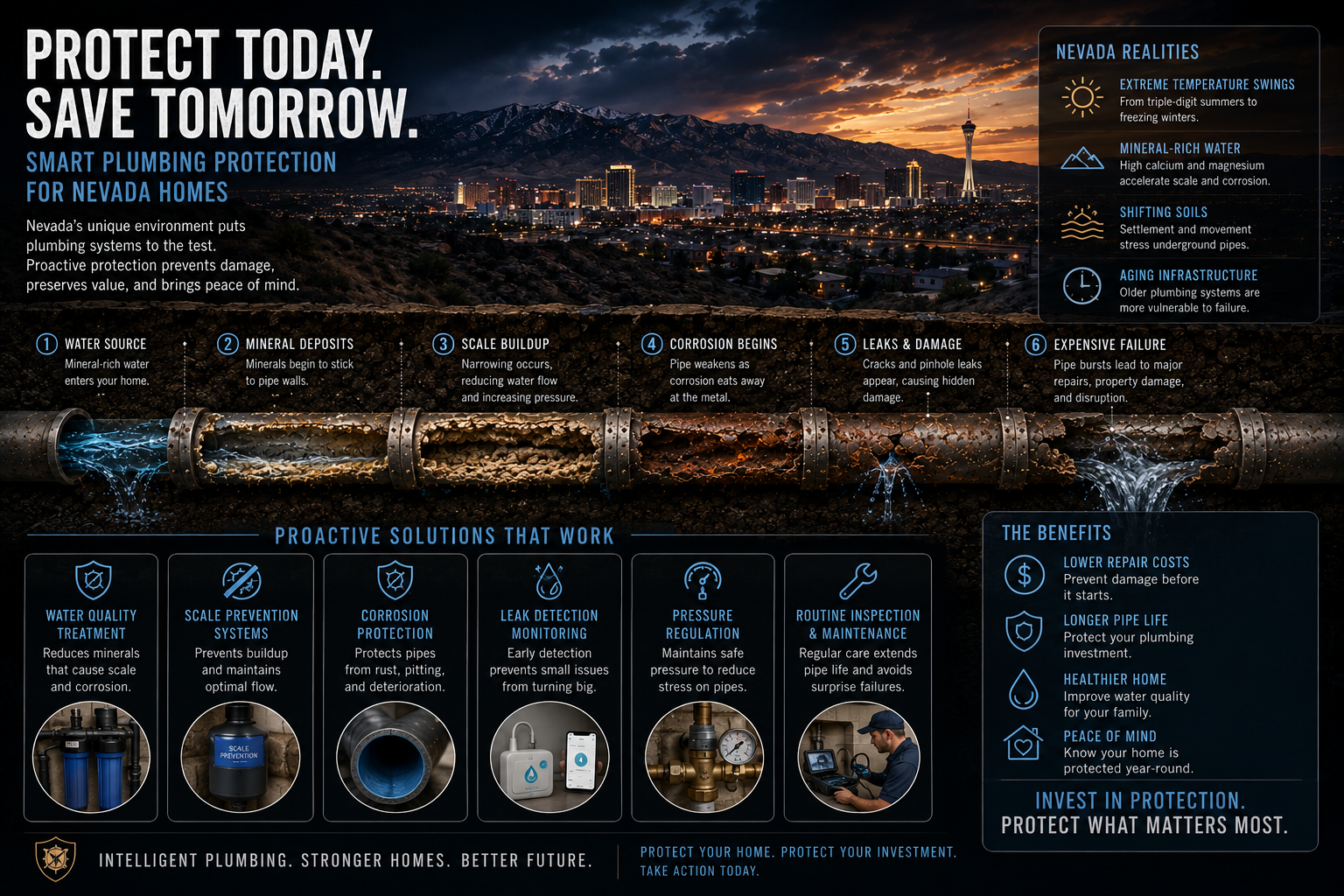
Calcium and magnesium buildup gradually reshape the inside of residential plumbing systems over time.
Scale accumulation narrows pipe interiors.
Water heaters lose efficiency.
Valve performance changes slowly underneath repeated mineral exposure.
Fixture flow becomes inconsistent across different areas of the home.
Early homeowners in many Idaho regions often accepted reduced pressure as normal aging rather than recognizing long-term mineral restriction occurring inside the plumbing infrastructure itself.
Modern contractors frequently uncover extensive buildup during repipes and system evaluations throughout older neighborhoods.
Pipe interiors sometimes appear dramatically reduced after decades of hard water exposure.
Pressure imbalance increases additional stress across the broader system once flow restriction expands.
Irrigation Expansion Alters Underground Moisture Conditions
Idaho landscaping patterns influence plumbing stability more than many homeowners realize.
Large-scale irrigation transformed many dry areas into heavily watered residential corridors over time.
Sustained soil saturation changes ground behavior underneath homes and underground utility systems.
Expansion pressure increases around buried pipes.
Root intrusion becomes more aggressive in moisture-rich environments.
Drainage pathways shift underneath landscaped properties after years of irrigation exposure.
Contractors often encounter underground failures near older sprinkler systems, improperly drained yards, and long-term saturation zones surrounding residential foundations.
Minor soil instability gradually compounds pipe stress beneath the surface.
Leak conditions frequently spread longer before detection because irrigated environments already contain elevated moisture exposure naturally.
Rapid Construction Growth Introduced Installation Variability
Boom-growth construction reshaped Idaho housing development.
Entire neighborhoods emerged quickly across expanding suburban markets.
Accelerated building timelines sometimes produced inconsistent installation quality underneath the surface.
Mechanical shortcuts became more common during high-volume construction cycles.
Pipe support spacing varied.
Pressure balancing systems were occasionally overlooked.
Drainage slope inconsistencies developed across certain developments built during aggressive expansion periods.
Many contractors now identify repeated failure patterns inside specific construction eras and subdivisions where similar installation conditions existed originally.
Homes may appear structurally modern while hidden plumbing vulnerabilities continue developing underneath.
Visible symptoms often emerge years later after environmental stress compounds those earlier installation weaknesses.
Mountain Terrain Creates Pressure Variation Challenges
Elevation changes impact plumbing performance throughout many Idaho communities.
Steep terrain alters municipal pressure behavior between neighborhoods and individual structures.
Pressure regulators absorb continuous operational strain under those conditions.
Supply systems cycle differently depending on elevation, fixture demand, and seasonal water usage.
Higher pressure zones frequently experience accelerated fitting fatigue.
Lower pressure areas sometimes encourage homeowners to install supplemental systems that unintentionally introduce additional imbalance elsewhere inside the plumbing network.
Repeated cycling weakens vulnerable components gradually.
Older supply lines eventually develop pinhole leaks, joint separation, or fixture instability underneath inconsistent operating pressure.
Idaho Contractors Frequently See Hidden Crawlspace Deterioration
Crawlspace plumbing failures remain common across older Idaho housing.
Seasonal moisture exposure creates changing environmental conditions underneath the structure itself.
Winter condensation develops around cold surfaces.
Spring saturation increases humidity levels after snowmelt and irrigation season begin.
Restricted airflow slows drying underneath enclosed spaces.
Contractors routinely discover corrosion, insulation collapse, deteriorating supports, rodent-related damage, and hidden leakage conditions during evaluations beneath older homes.
Many homeowners never enter those areas personally.
Hidden deterioration continues quietly until flooring movement, odor development, or visible water exposure finally appears inside the living space.
Wildfire and Drought Cycles Changed Water Infrastructure Stress
Environmental conditions across Idaho shifted substantially over recent decades.
Drought periods increased irrigation demand and municipal pressure strain throughout expanding regions.
Wildfire events altered watershed behavior and soil stability in certain areas.
Rapid runoff following burn scars changed erosion patterns and drainage conditions surrounding residential infrastructure.
Ground movement intensified in some locations after heavy seasonal weather swings followed extended dry periods.
Underground plumbing systems absorb those environmental fluctuations continuously beneath the surface.
Long-term infrastructure stress rarely results from one isolated event.
Layered environmental pressure usually drives gradual deterioration over time.
Older Rural Infrastructure Carries Additional Risk Layers
Many Idaho properties still operate with legacy plumbing conditions tied to earlier rural development eras.
Aging galvanized systems remain active in some communities.
Older well systems introduce fluctuating pressure behavior and mineral exposure patterns.
Partial upgrades sometimes created mixed-material plumbing environments where older and newer components respond differently under freeze and pressure stress.
Mechanical reliability becomes inconsistent across those systems.
One visible leak often exposes multiple underlying infrastructure problems already developing simultaneously.
Contractors frequently discover broader deterioration extending far beyond the original service call location.
Idaho Homes Experience Multiple Overlapping Plumbing Forces
Residential plumbing systems across Idaho operate inside a constantly shifting environmental framework.
Freeze pressure interacts with mineral buildup.
Rapid development compounds installation variability.
Irrigation saturation changes underground soil behavior.
Elevation alters system pressure.
Aging infrastructure absorbs decades of environmental loading underneath expanding communities statewide.
Understanding those combined patterns helps homeowners recognize why plumbing failures across Idaho often begin quietly before suddenly escalating into larger structural and water damage conditions.
Most system deterioration develops gradually.
Environmental pressure simply keeps building until the home finally responds.