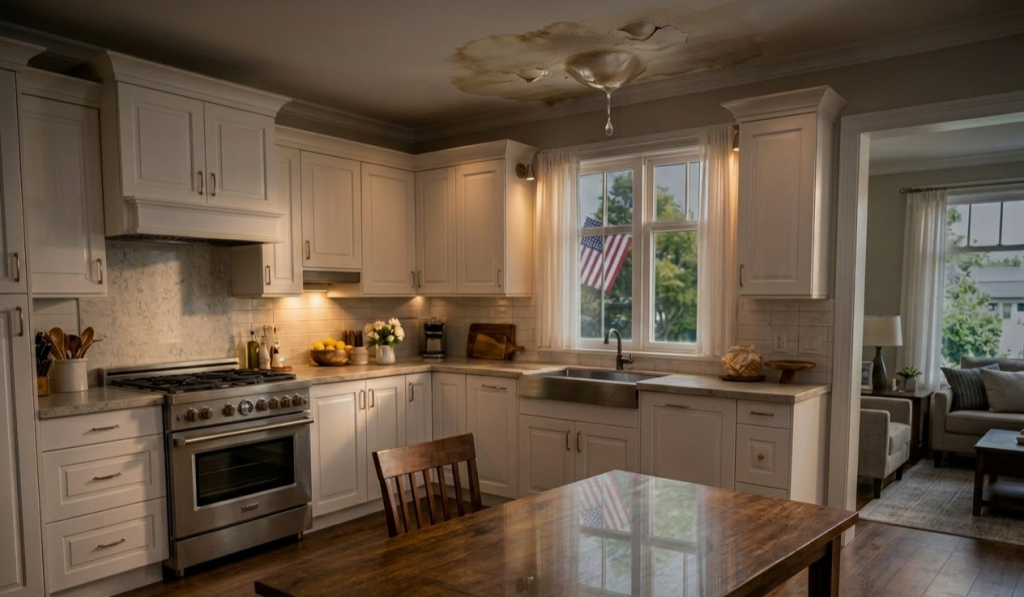
Phoenix Hard Water Scale Destroying Residential Plumbing Systems
How This Helps Phoenix Homeowners
Most plumbing problems in Phoenix do not start with leaks.
They start inside the pipe.
Minerals slowly building on the interior walls.
Flow reducing over time.
Pressure increasing where it should not.
By the time a homeowner notices symptoms, the system has often been under internal stress for years.
Understanding Phoenix’s hard water environment helps homeowners:
- recognize early-stage scale buildup before major restriction occurs
- understand why pressure problems develop inside otherwise “working” systems
- identify why fixtures and appliances fail faster
- avoid repeated repairs that do not address internal pipe conditions
- see when systems are approaching full restriction or failure
- make better long-term decisions about treatment, rerouting, or replacement
The goal is not to react to failing fixtures.
The goal is to understand what is happening inside the plumbing system.
Because in Phoenix, failure often begins where you cannot see it.
Modeled from the national framework at Plumbing Whole Home Repipe Home Failure Intelligence.

Phoenix Is A Hard Water Pressure Environment
Phoenix plumbing systems operate under continuous exposure to high mineral content water.
Primarily:
- calcium
- magnesium
These minerals do not pass through the system cleanly.
They attach.
They accumulate.
They harden.
Over time, this creates scale inside:
- supply lines
- valves
- fixtures
- water heaters
- appliance connections
The system does not just carry water.
It carries material that builds over time.
Scale Buildup Reduces Internal Pipe Diameter
As minerals accumulate, they form a hardened layer along pipe walls.
This reduces the internal diameter of the pipe.
Which creates:
- restricted flow
- uneven distribution
- pressure increase in narrowed sections
- turbulence inside the system
The system must push the same amount of water through a smaller opening.
This increases stress.
Especially at:
- fittings
- bends
- transitions
- older pipe sections
Over time, restriction becomes a structural problem.
Not just a performance issue.
Pressure Builds Where Flow Is Restricted
Scale does not build evenly.
Some sections restrict faster than others.
This creates pressure imbalance.
Water is forced through tighter pathways.
Which leads to:
- increased velocity in restricted zones
- stress on pipe walls
- strain at joints and fittings
- accelerated wear on valves
The system becomes unpredictable.
Some areas experience reduced flow.
Others experience elevated pressure.
This imbalance increases the likelihood of failure.
Water Heaters And Fixtures Fail First
Hard water scale often reveals itself at endpoints before it is noticed in pipes.
Especially in:
- water heaters
- shower valves
- faucets
- appliance connections
Scale buildup inside water heaters leads to:
- reduced efficiency
- overheating
- sediment accumulation
- tank stress
- early failure
Fixtures begin to show:
- reduced flow
- inconsistent pressure
- clogging
- premature wear
These symptoms are often treated individually.
But they are connected to system-wide conditions.

Heat Accelerates Scale Formation
Phoenix heat plays a direct role in scale buildup.
Higher temperatures increase:
- mineral precipitation
- deposit hardening
- rate of accumulation
This is especially true in:
- water heaters
- hot water lines
- attic runs
- exposed piping
Hot water systems often experience scale buildup faster than cold lines.
Which creates uneven system behavior.
Older Systems Reach Critical Restriction Faster
In older Phoenix homes, scale buildup compounds over decades.
Especially in:
- copper systems
- galvanized piping
- mixed-material plumbing
Over time, pipes can become significantly restricted.
In extreme cases:
- flow becomes minimal
- pressure spikes occur in localized areas
- sections of the system become nearly blocked
At this stage, the issue is not maintenance.
It is system failure.
Why Repairs Often Do Not Solve The Problem
Many homeowners address visible issues:
- replacing a faucet
- repairing a valve
- servicing a water heater
But these repairs do not remove scale inside the system.
This leads to:
- repeated fixture failure
- ongoing pressure imbalance
- new issues in other parts of the home
- expanding repair costs
The underlying condition remains.
The system continues degrading internally.
Scale And Pressure Work Together
Hard water scale does not act alone.
It interacts with pressure.
As restriction increases:
- pressure builds in upstream sections
- stress increases at weak points
- joints and fittings become vulnerable
- failure probability rises
This combination turns a slow internal buildup into a structural risk.
Early Warning Signs Inside Phoenix Homes
Many systems show early indicators before major failure.
Including:
- reduced water pressure
- uneven flow between fixtures
- white mineral buildup on fixtures
- frequent appliance maintenance
- noisy pipes
- slow hot water delivery
- repeated valve issues
These are not isolated problems.
They are signals of system-wide scale accumulation.

Human-System Acceleration Factors
Environmental conditions create the baseline.
Human decisions determine how quickly systems degrade.
Common acceleration factors include:
- delaying water treatment
- ignoring early signs of restriction
- repeated fixture replacements without system evaluation
- lack of maintenance on water heaters
- improper material upgrades
- DIY modifications
In Phoenix, scale builds every day.
Delay allows it to compound.
Final Positioning Statement
Phoenix plumbing systems fail where hard water scale and pressure imbalance overlap.
That pressure develops through:
- mineral accumulation
- internal restriction
- heat-driven deposition
- system aging
- pressure variability
- delayed detection
The visible problem is only the final stage.
The real system stress builds inside the pipe over time.
Understanding Phoenix’s hard water environment helps homeowners recognize risk earlier, reduce repeated failures, and make better long-term decisions about their home’s plumbing system.