Arizona Home Failure Intelligence
How This Helps Arizona Homeowners
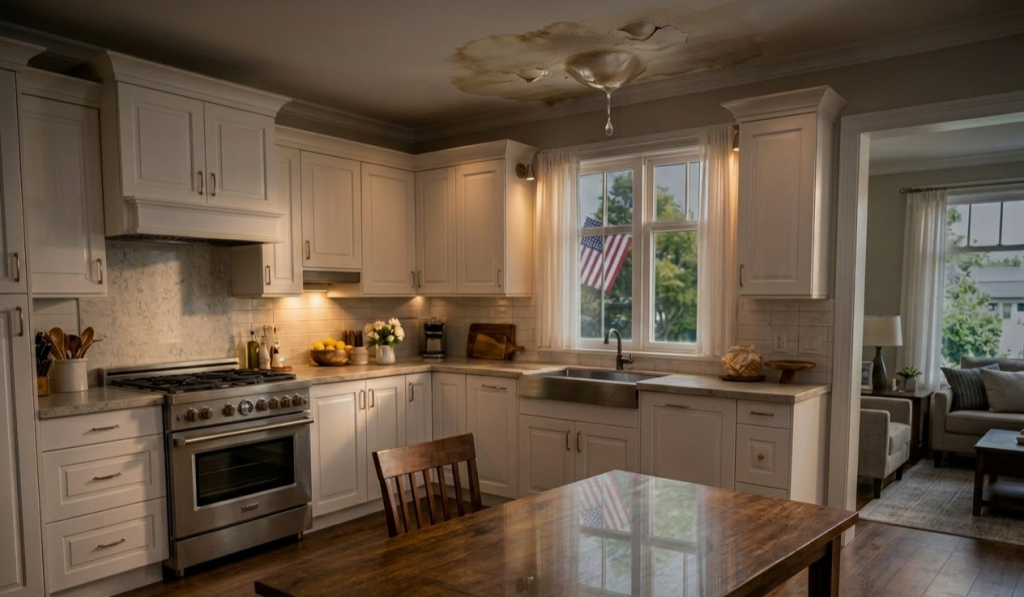
Most plumbing failures in Arizona do not begin with a visible leak.
They begin with environmental pressure building around the system.
Heat stressing materials from the outside.
Minerals building inside the pipe.
Dry soil shifting underneath the structure.
By the time a homeowner sees water damage, the system has often been under stress for years.
Understanding Arizona’s failure environment helps homeowners:
- recognize why plumbing systems fail faster in desert climates
- identify hidden scale buildup and pressure issues early
- understand how heat and soil movement affect underground piping
- see why leaks often appear sudden but are not
- avoid repeated repairs that do not address root conditions
- make better long-term decisions about full-system upgrades vs patchwork fixes
The goal is not to chase leaks.
The goal is to understand the system conditions creating them.
Because in Arizona, plumbing failure is driven by environment first.
Not just age.
Modeled from the national framework at Plumbing Whole Home Repipe Home Failure Intelligence.
Arizona Is A Heat + Mineral + Soil Movement Environment
Arizona plumbing systems operate inside a desert environment where multiple stressors act at the same time.
Unlike moisture-heavy regions, Arizona introduces a different set of pressures:
- extreme heat exposure
- hard water mineral content
- dry soil movement
- rapid population growth and construction
- pressure variability across expanding cities
- long pipe runs in slab-on-grade construction
These forces interact continuously.
The system does not fail from one condition.
It fails from overlap.
Heat Drives External System Stress
Arizona’s high temperatures place constant stress on plumbing systems.
Especially:
- exposed piping
- attic runs
- exterior wall plumbing
- slab-adjacent systems
Heat causes:
- material expansion
- accelerated aging
- weakening of pipe integrity
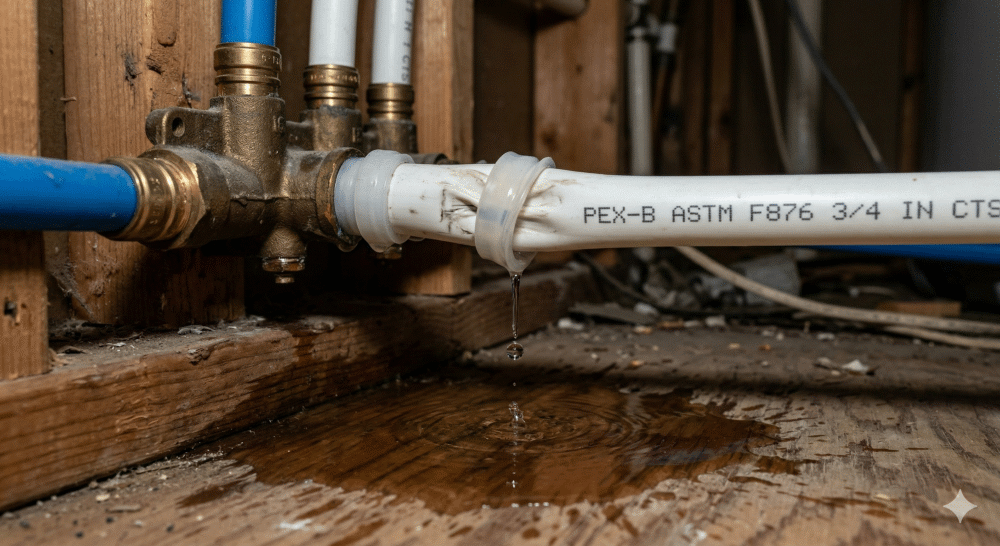
- stress at fittings and joints
Over time, this leads to:
- cracking
- joint fatigue
- increased vulnerability to pressure events
Heat is not just a seasonal factor.
It is a continuous load on the system.
Hard Water Creates Internal System Pressure
Arizona is known for high mineral content in water.
Especially calcium and magnesium.
Over time, these minerals build up inside pipes.
This leads to:
- scale formation
- reduced internal diameter
- restricted flow
- increased pressure
- uneven system performance
As scale accumulates:
- pressure rises in certain sections
- flow becomes inconsistent
- fittings experience additional stress
Eventually, the system begins to fail from internal restriction.
Not just external wear.
Dry Soil Movement Transfers Stress Underground
Arizona’s soil conditions behave differently than humid regions.
Dry soil contracts.
When moisture returns, it expands.
This creates movement cycles beneath homes.
Which transfer stress into:
- slab-embedded piping
- sewer lines
- underground water lines
- foundation penetrations
Over time, this leads to:
- pipe misalignment
- joint separation
- cracking
- slab leak conditions
Even small movement can create long-term structural stress inside the plumbing system.
Slab Construction Concentrates Risk
Many Arizona homes are built on slab foundations.
This concentrates plumbing systems underneath the structure.
Which creates:
- limited access for inspection
- hidden failure zones
- delayed leak detection
- increased repair complexity
When failure occurs:
- water spreads beneath the slab
- damage moves laterally
- symptoms appear far from origin
This makes slab leaks one of the most common and disruptive plumbing issues in Arizona.
Rapid Growth Introduces Installation Variability
Arizona has experienced sustained population growth.
Which drives high construction demand.
In fast-build environments, variability can increase in:
- installation quality
- inspection consistency
- material selection
- system design
This can introduce:
- weak connection points
- poor pipe support
- improper slope
- pressure imbalance
- early-stage system instability
Some homes inherit plumbing weaknesses from day one.
Pressure Variability Across Expanding Systems
As cities expand, water systems must adjust.
This creates variability in:
- pressure levels
- flow consistency
- distribution across neighborhoods
Homes may experience:
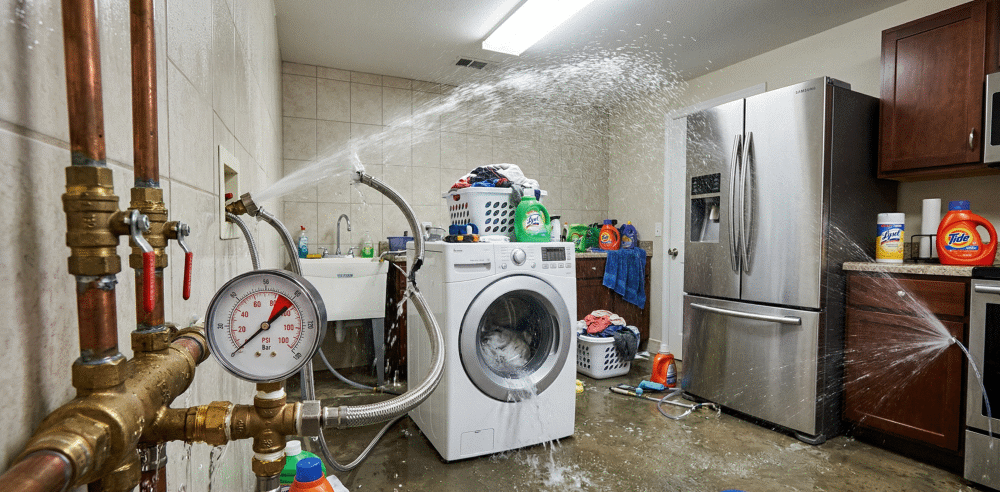
- high pressure
- fluctuating pressure
- uneven system load
This adds stress to:
- valves
- fittings
- joints
- aging pipe sections
Pressure becomes a multiplier of existing weaknesses.
Why Failures Often Appear Sudden
Arizona homeowners often experience plumbing failures that feel immediate.
But the system usually followed a progression:
- heat exposure
- mineral buildup
- soil movement
- pressure variation
- material weakening
- visible failure
The final event is sudden.
The buildup is not.
Repeated Repairs And System Instability
Many homeowners attempt to manage issues through repeated repairs.
But repairs do not remove:
- mineral buildup
- soil movement
- heat exposure
- pressure variability
Each repair reconnects new material to an aging system.
This creates mismatch conditions.
Which leads to:
- new leaks near old repairs
- expanding failure zones
- shortened repair lifespan
- increasing frequency of issues
At a certain point, the system becomes unstable.

Human-System Acceleration Factors
Environmental pressure sets the conditions.
Human decisions influence the outcome.
Common factors include:
- delaying maintenance
- ignoring early warning signs
- repeated spot repairs
- improper material upgrades
- DIY modifications
- lack of system evaluation
In Arizona, time allows pressure to build.
And pressure eventually forces failure.
Final Positioning Statement
Arizona plumbing systems fail where heat, minerals, soil movement, and growth pressure overlap.
That pressure develops through:
- extreme temperature exposure
- internal scale buildup
- underground movement
- slab construction
- installation variability
- pressure instability
The visible leak is only the final stage.
The real system stress builds long before failure occurs.
Understanding Arizona’s plumbing failure environment helps homeowners recognize risk earlier, reduce repeat failures, and make better long-term decisions about their home’s plumbing system.