Alabama Plumbing Systems Under Humidity and Aging Infrastructure Stress
How This Helps Alabama Homeowners
Most plumbing failures across Alabama do not come from one problem.
They come from overlap.
Humidity acting on aging systems.
Moisture accelerating materials already near the end of their lifecycle.
Small weaknesses turning into system-wide failures.
Understanding this combined pressure helps homeowners:
- recognize why older plumbing fails faster in Alabama than expected
- identify hidden moisture-driven damage before it spreads
- understand why leaks often appear late and expand quickly
- see why patch repairs repeatedly fail in older systems
- evaluate when systems have reached full replacement conditions
- make decisions based on system behavior instead of isolated symptoms
The goal is not to fix the next leak.
The goal is to understand why the system is producing leaks.
Because in Alabama, aging infrastructure does not fail alone.
It fails under humidity pressure.
Modeled from the national framework at Plumbing Whole Home Repipe Home Failure Intelligence.

Alabama Is A Moisture-Driven Aging System Environment
Alabama homes sit inside a persistent humidity zone layered on top of aging plumbing infrastructure.
This creates a compounding effect.
Older systems are not just wearing out.
They are being actively degraded by environmental moisture at the same time.
Key conditions include:
- high humidity levels
- long moisture exposure cycles
- aging pipe materials
- legacy sewer systems
- older construction standards
- layered repair histories
- crawlspace-heavy construction
- soil moisture interaction
This combination changes how plumbing systems fail.
It accelerates timelines.
It expands damage.
It hides early-stage warning signs.
Humidity Accelerates Material Degradation
Humidity affects how materials age at a fundamental level.
In Alabama, constant moisture exposure introduces:
- condensation cycles
- surface corrosion
- joint weakening
- material fatigue
- support system deterioration
This applies to:
- copper supply lines
- galvanized systems
- cast iron drains
- fittings and valves
- fasteners and supports
Over time, materials do not simply age.
They weaken faster than expected.
Especially when exposed continuously to moisture-rich environments.
Aging Systems Carry Layered Weakness
Many Alabama homes operate on plumbing systems installed decades ago.
These systems often include:
- original piping
- partial upgrades
- mixed materials
- repair layering over time
Each repair introduces a new connection point.
Each material change introduces a new behavior.
Over time, the system loses uniformity.
Instead of functioning as one network, it becomes a collection of segments.
This creates:
- uneven stress distribution
- inconsistent pressure behavior
- localized failure zones
- increased vulnerability at transitions
Humidity accelerates degradation across all of these layers simultaneously.
Moisture Extends Damage Beyond The Pipe
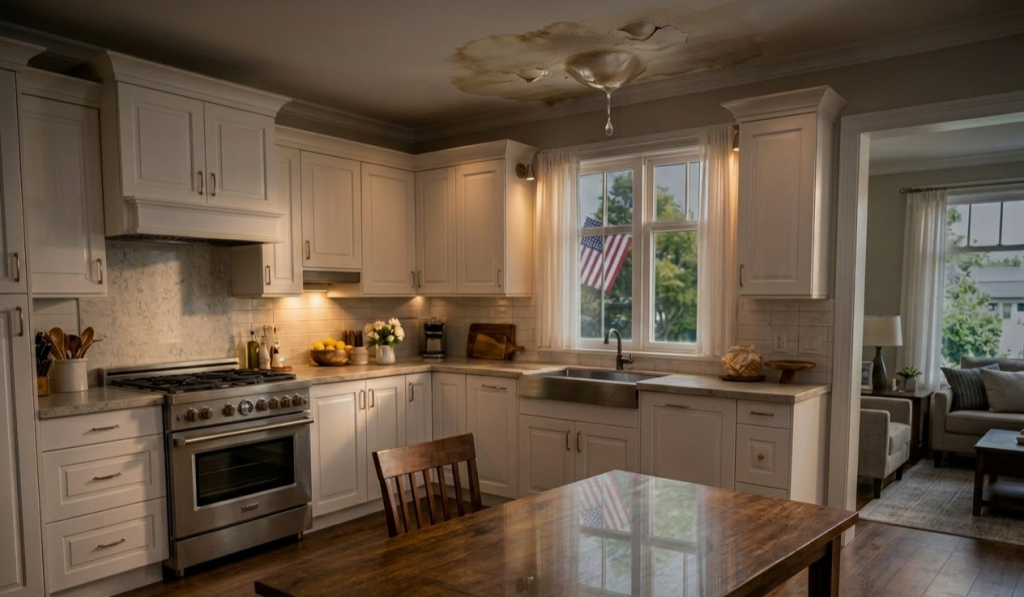
In Alabama, plumbing failure rarely stays contained within the pipe.
Humidity allows water to move and remain in surrounding materials longer.
This affects:
- subfloor systems
- framing
- insulation
- drywall
- crawlspaces
- slab-adjacent areas
Even small leaks can create:
- widespread moisture conditions
- hidden structural damage
- mold-adjacent environments
- material breakdown
Because the environment already supports moisture, leaks expand more easily.
Crawlspaces Amplify System Stress
Many Alabama homes rely on crawlspace foundations.
These spaces often act as moisture reservoirs.
They introduce constant exposure to:
- ground humidity
- poor ventilation
- temperature fluctuation
- biological activity
Plumbing systems installed in crawlspaces operate inside this environment continuously.
Over time, this leads to:
- corrosion on exposed piping
- weakened supports
- pipe misalignment
- sagging drain lines
- joint stress
The system is under constant environmental load.
Not just occasional exposure.
Soil Moisture And Underground Pressure
Humidity also affects the ground beneath Alabama homes.
Moisture retention in soil creates movement cycles:
- expansion during wet periods
- contraction during dry periods
This movement transfers stress into:
- slab-embedded piping
- sewer lines
- underground water lines
- foundation penetrations
Older systems are less flexible.
They are more vulnerable to:
- cracking
- separation
- joint failure
- pressure-related damage
This is where underground failures begin.

Why Leaks Are Often Detected Late
Humidity changes how quickly homeowners notice problems.
In drier environments, leaks create immediate contrast.
In Alabama, background moisture reduces visibility.
This leads to:
- delayed detection
- larger damage zones
- extended leak duration
- increased repair complexity
Homeowners often notice:
- odor
- structural change
- visible damage
after the system has already been compromised.
Repeated Repairs And System Instability
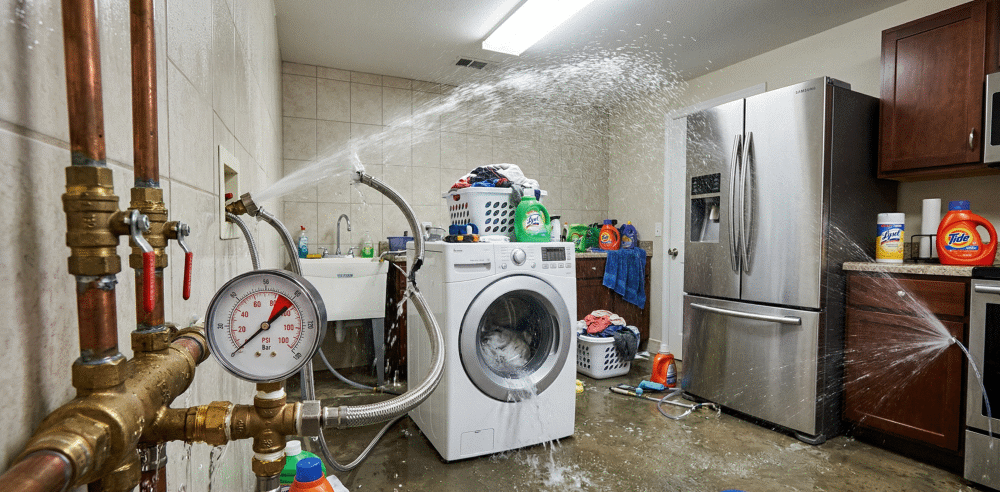
Many Alabama homeowners attempt to manage aging systems through repeated repairs.
But repairs do not remove:
- humidity exposure
- material aging
- system-wide deterioration
- environmental pressure
Each repair reconnects new material to an older system.
This creates mismatch stress.
Which leads to:
- new leaks near old repairs
- expansion of failure zones
- shorter repair lifespans
- increasing repair frequency
At a certain point, the system is no longer stable.
It is simply being maintained under continuous degradation.
Human-System Acceleration Factors
Environmental pressure sets the conditions.
Human decisions determine the outcome.
Common acceleration patterns include:
- delaying system evaluation
- ignoring early warning signs
- repeated spot repairs
- improper material selection
- DIY modifications
- lack of moisture control
In Alabama, time works against the system.
Humidity continues acting every day.
Delay increases exposure.
Exposure increases failure probability.
Final Positioning Statement
Alabama plumbing systems fail faster because aging infrastructure is exposed to continuous humidity pressure.
That pressure acts through:
- condensation
- corrosion
- soil moisture
- structural interaction
- hidden damage expansion
- system layering over time
The visible failure is only the final stage.
The real system breakdown begins long before detection.
Understanding how humidity and aging infrastructure interact helps homeowners recognize risk earlier, reduce repeated failures, and make better long-term decisions about their home’s plumbing system.