



Northern California Plumbing Systems Under Movement, Moisture, Freeze, and Infrastructure Stress
Northern California does not operate inside one plumbing environment.
The region contains multiple overlapping infrastructure conditions spread across coastal cities, seismic corridors, agricultural valleys, mountain communities, wildfire zones, and rapidly expanding suburban regions.
Bay Area corrosion behaves differently than Sacramento thermal stress.
Tahoe freeze exposure creates different plumbing conditions than coastal saturation near Marin and Half Moon Bay.
Older San Francisco infrastructure ages differently than newer suburban housing throughout Roseville, Folsom, Elk Grove, and Rocklin.
Meanwhile, all of these regions remain connected through one larger pattern:
Environmental pressure accumulation over time.
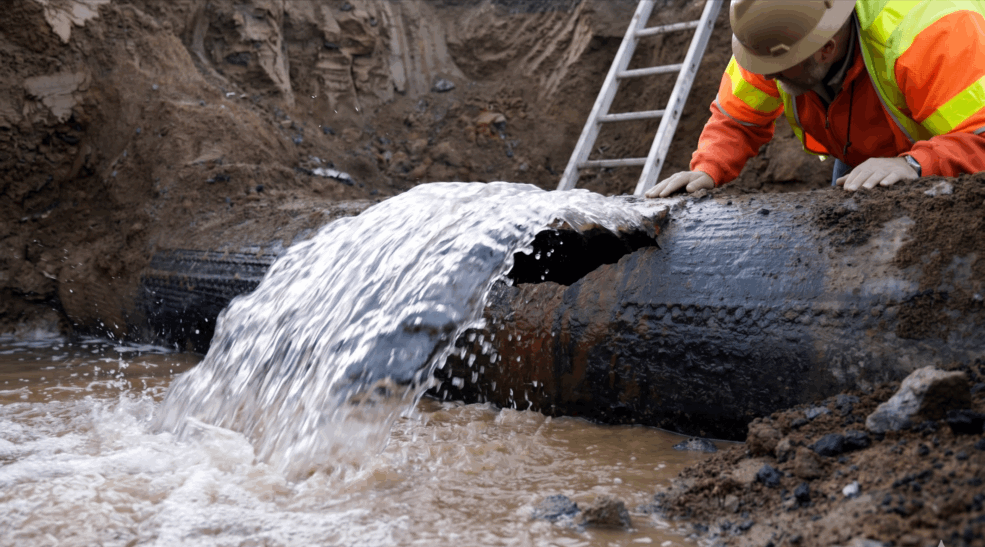
Most plumbing systems across Northern California deteriorate gradually before visible failure appears.
Movement develops beneath the structure slowly.
Pressure instability increases quietly.
Corrosion advances inside aging pipe systems.
Freeze expansion weakens mountain infrastructure year after year.
Extreme summer heat changes underground soil behavior across inland valleys.
The visible leak usually appears much later.
How This Helps Homeowners
Many Northern California homeowners struggle to understand why plumbing failures vary so dramatically between regions.
A slab leak in Sacramento behaves differently than a corrosion failure in Sausalito.
Freeze bursts near Tahoe develop differently than moisture deterioration in Pacifica or Daly City.
Seismic movement in San Francisco creates different infrastructure stress than thermal expansion throughout Chico and the northern valley regions.
This page helps homeowners better understand:
- why Northern California plumbing systems fail differently by region
- how coastal moisture affects long-term corrosion
- why inland summer heat increases slab and pressure stress
- how freeze exposure damages mountain plumbing systems
- which environmental conditions commonly overlap across Northern California housing
Most visible plumbing failures begin years after the environmental stress itself started developing.
San Francisco: Aging Infrastructure Under Seismic Stress
San Francisco contains one of the most complex plumbing environments in the United States.
The city combines:
- aging infrastructure
- seismic movement exposure
- steep elevation changes
- coastal moisture
- older housing stock
- layered retrofits
- pressure variation across hillsides
Large portions of San Francisco still contain:
- galvanized steel remnants
- aging copper systems
- cast iron drain lines
- older sewer laterals
- mixed-material retrofits
Neighborhoods including:
- Pacific Heights
- Russian Hill
- Nob Hill
- Sunset District
- Richmond District
- Noe Valley
- Bernal Heights
- Mission District
often experience overlapping infrastructure stress involving:
- pressure imbalance
- underground sewer instability
- corrosion progression
- hillside movement
- aging drain systems
- recurring moisture intrusion
Many plumbing systems continue functioning while hidden deterioration develops behind walls and beneath streets for decades.
Bay Area Coastal Corrosion Environments
Northern California coastal communities experience long-term moisture exposure that slowly accelerates infrastructure deterioration.
Salt air, fog, humidity cycling, and underground saturation create persistent plumbing stress throughout regions including:
- Sausalito
- Pacifica
- Half Moon Bay
- Daly City
- Marin County
- Santa Cruz
- Monterey
- Alameda coastal areas
- Berkeley shoreline communities
These environments commonly experience:
- copper corrosion
- fixture oxidation
- moisture migration
- sewer deterioration
- crawlspace humidity exposure
- underground instability near saturated soil zones
Many coastal homes remain operational while corrosion slowly advances internally across fittings, valves, and supply systems.
The visible leak often appears years after the deterioration process already became active.
Oakland, Berkeley, and East Bay Infrastructure Pressure
East Bay communities contain a unique combination of:
- seismic exposure
- older infrastructure
- hillside settlement
- mixed housing eras
- urban retrofit layering
- aging sewer systems
Communities including:
- Oakland
- Berkeley
- Alameda
- Piedmont
- El Cerrito
- Walnut Creek
- Orinda
- Lafayette
frequently encounter:
- sewer lateral instability
- pressure inconsistency
- aging copper fatigue
- cast iron deterioration
- hillside drainage movement
- recurring underground settlement stress
Many homes throughout the East Bay were built across multiple development generations, creating layered plumbing systems with inconsistent materials and decades of modifications.
Silicon Valley And High-Demand Infrastructure Stress
Silicon Valley communities often operate inside elevated plumbing demand environments.
Large homes, remodel-heavy housing stock, and aggressive property upgrading create additional infrastructure pressure across:
- Palo Alto
- Los Altos
- Mountain View
- Cupertino
- Saratoga
- Menlo Park
- San Jose
- Sunnyvale
Many systems experience:
- recirculation imbalance
- elevated fixture demand
- pressure redistribution stress
- aging copper fatigue
- slab leak escalation
- hidden water movement beneath remodeled infrastructure
Rapid renovation cycles also increase mixed-material conditions throughout many properties.
Over time, infrastructure layering becomes increasingly complex.
Sacramento Valley Thermal Expansion Conditions
Sacramento and surrounding valley communities operate inside one of Northern California’s most aggressive summer heat environments.
Extreme inland temperatures combine with:
- slab-on-grade housing
- expansive soil movement
- hard water exposure
- rapid suburban expansion
- aging copper systems
- underground thermal cycling
Communities including:
- Sacramento
- Elk Grove
- Roseville
- Rocklin
- Folsom
- Citrus Heights
- Natomas
- Rancho Cordova
commonly experience:
- slab leaks
- thermal pipe expansion
- pressure instability
- hard water buildup
- underground line stress
- recirculation imbalance
Summer heat becomes especially important.
Extended thermal exposure gradually changes pipe expansion behavior beneath slab foundations year after year.
Chico And Northern Valley Heat Stress
Chico and surrounding northern valley communities experience similar environmental conditions with even greater summer heat exposure.
The region commonly experiences:
- prolonged high temperatures
- dry soil contraction
- thermal expansion pressure
- hard water accumulation
- slab movement
- aging suburban infrastructure
Communities throughout:
- Chico
- Redding
- Yuba City
- Red Bluff
- Oroville
often encounter recurring plumbing stress involving:
- slab leaks
- underground movement
- pressure instability
- PRV deterioration
- water heater sediment accumulation
- fixture restriction
The environmental conditions may remain invisible initially while infrastructure stress quietly compounds beneath the property.
Tahoe And Sierra Freeze Expansion Environments
Tahoe and Sierra mountain communities create an entirely different plumbing environment from coastal or valley regions.
Freeze-thaw cycling becomes one of the dominant infrastructure forces across:
- South Lake Tahoe
- Truckee
- Tahoe City
- Incline Village
- Donner Lake regions
- Sierra foothill mountain communities
These environments commonly experience:
- pipe contraction fatigue
- freeze bursts
- underground expansion pressure
- seasonal moisture migration
- aging cabin infrastructure stress
- pipe separation during winter cycling
Many mountain properties also contain:
- older plumbing systems
- seasonal occupancy patterns
- exposed pipe runs
- layered remodel infrastructure
- elevation-related pressure variation
Repeated freeze expansion slowly weakens plumbing systems long before catastrophic rupture occurs.
Wildfire Regions And Infrastructure Instability
Large portions of Northern California now operate inside wildfire-prone environments.
Wildfire exposure affects plumbing systems through:
- rapid thermal exposure
- soil destabilization
- erosion movement
- municipal infrastructure disruption
- rebuilding-related system layering
- emergency repair modifications
Regions including:
- Paradise
- Santa Rosa
- Napa hillsides
- Sonoma County
- Auburn
- Placerville
- Grass Valley
often experience overlapping infrastructure stress after major environmental events.
Underground movement and soil instability frequently continue long after visible wildfire recovery appears complete.
Napa, Sonoma, And Wine Country Infrastructure Conditions
Wine country communities experience another unique overlap involving:
- hillside movement
- agricultural mineral exposure
- aging infrastructure
- luxury property plumbing demand
- seismic activity
- groundwater variation
Communities including:
- Napa
- Sonoma
- St. Helena
- Healdsburg
- Calistoga
commonly encounter:
- pressure instability
- hillside drainage movement
- aging copper systems
- recirculation demand stress
- underground line shifting
Large estate properties often operate under elevated plumbing demand loads similar to luxury Southern California environments.
Why Northern California Plumbing Failures Often Overlap
One of the most important things homeowners should understand is this:
Northern California plumbing failures rarely involve one isolated condition.
Environmental forces compound together over time.
A property may simultaneously experience:
- seismic movement
- thermal expansion
- hard water restriction
- coastal corrosion
- freeze exposure
- underground settlement
- pressure imbalance
- aging infrastructure fatigue
Over time, those overlapping conditions slowly destabilize the plumbing system.
The visible failure often represents only the final stage of a much longer infrastructure process.

Regional Infrastructure Timing Matters
Large portions of Northern California expanded heavily during similar development periods.
That means many neighborhoods now contain plumbing systems entering overlapping deterioration windows simultaneously.
Communities built heavily during:
- the 1960s
- 1970s
- 1980s
- 1990s
- early suburban expansion periods
are increasingly experiencing:
- copper fatigue
- sewer lateral instability
- slab leak escalation
- cast iron deterioration
- pressure regulator failure
- recurring moisture exposure
Infrastructure age itself becomes part of the regional pattern.
Warning Signs Homeowners Should Watch For
Most Northern California plumbing systems deteriorate gradually before major visible damage appears.
Common warning signs include:
- fluctuating water pressure
- recurring slab leaks
- recurring drain backups
- sewer odor
- fixture corrosion
- pinhole copper leaks
- uneven hot water delivery
- moisture beneath flooring
- repeated drywall openings
- freeze-related pipe history
- underground line instability
- recurring insurance claims
These conditions often indicate broader environmental infrastructure stress already developing throughout the property.
Why Regional Specialists Matter In Northern California
Northern California contains one of the most environmentally diverse plumbing regions in the country.
A contractor specializing in:
- Tahoe freeze conditions
- San Francisco seismic infrastructure
- Sacramento slab leaks
- Marin coastal corrosion
- Chico thermal expansion
- Silicon Valley luxury systems
may evaluate deterioration very differently depending on the regional environment involved.
That environmental familiarity changes how long-term infrastructure behavior gets interpreted.
Regional context matters heavily throughout Northern California plumbing evaluation.
Most Northern California Plumbing Failures Begin Quietly
The deterioration process is usually slow.
Pressure builds gradually.
Movement develops beneath the structure over years.
Corrosion spreads internally long before rupture occurs.
Freeze expansion weakens mountain systems season after season.
Thermal cycling quietly stresses inland infrastructure throughout every summer.
By the time visible plumbing failure appears, the environmental pressure affecting the property may already have existed for decades.
That is why Northern California plumbing systems must be understood regionally rather than generically.