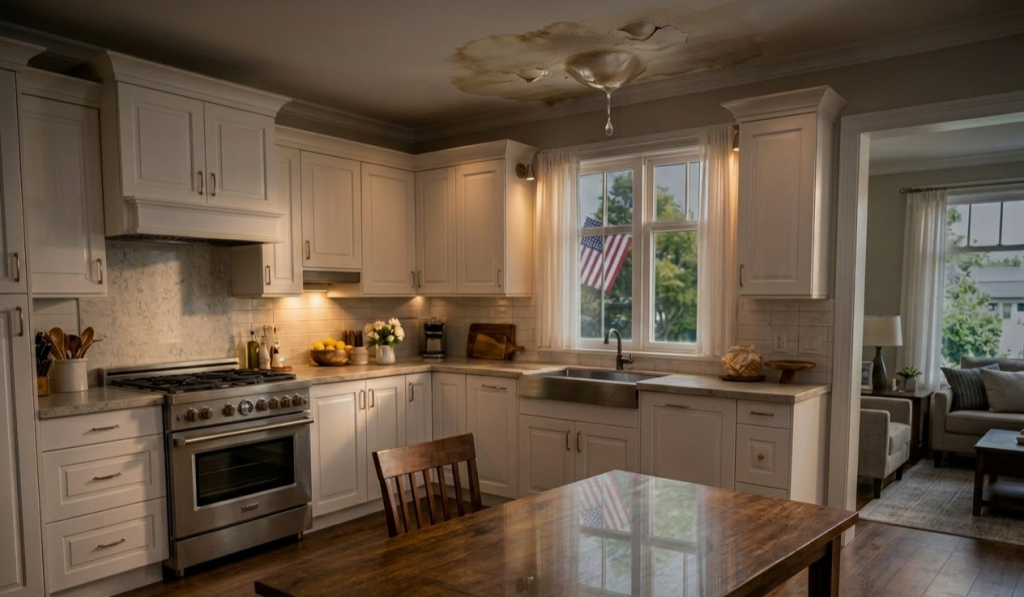
Why Miami Homes Experience Accelerated Pipe Failure Conditions
This helps Miami homeowners understand why plumbing systems deteriorate faster than expected, identify early-stage risk signals, and make informed decisions before localized issues turn into full system failure.
Most pipe failures in Miami do not result from a single defect.
They develop through continuous environmental exposure that weakens the system over time.
Homeowners often notice recurring leaks, pressure inconsistencies, or fixture deterioration without realizing the system itself is aging under constant stress.
Those symptoms are late-stage indicators.
The underlying conditions usually begin years earlier.
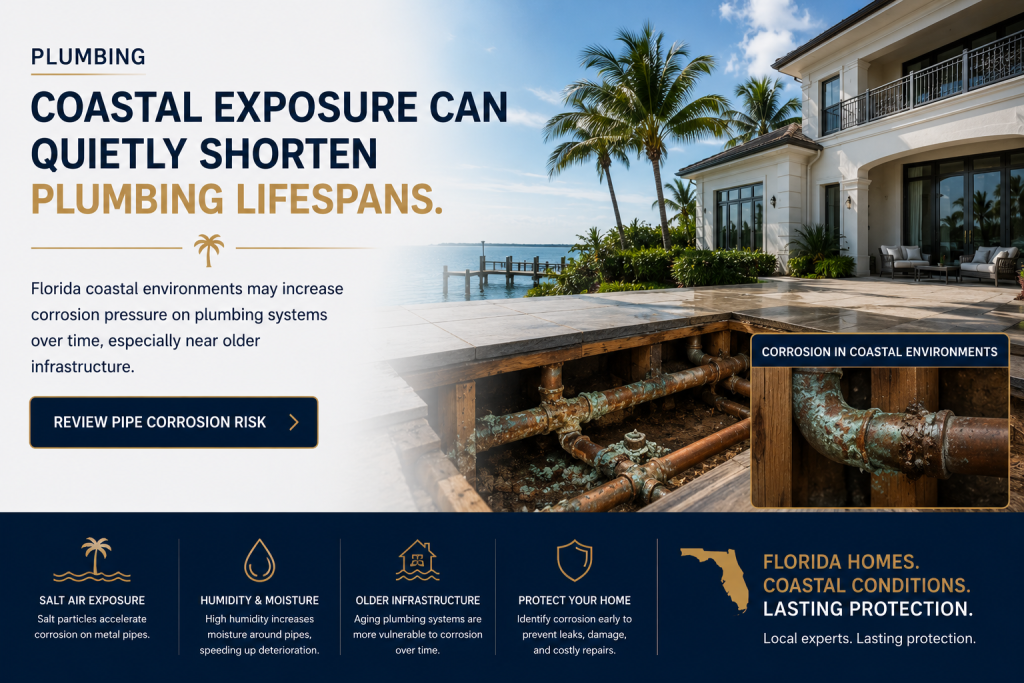
Miami places plumbing systems inside one of the most aggressive operating environments in the country.
Salt exposure moves through the air.
Humidity sustains surface moisture.
Heat accelerates chemical reactions.
Ground conditions introduce instability.
Water tables apply pressure from below.
Each factor contributes to faster material breakdown.

Miami Creates Accelerated Failure Through Environmental Stacking
Pipe failure in Miami is rarely caused by a single force.
Multiple stressors operate at the same time, often amplifying each other.
Coastal salt exposure combines with humidity to accelerate corrosion.
Thermal expansion introduces repeated stress cycles.
High groundwater conditions affect underground stability.
Construction variability influences long-term durability.
These forces interact continuously.
Weakness in one area increases vulnerability in another.
Systems degrade faster because they are never operating under neutral conditions.
External Corrosion Drives Early Material Breakdown
In many regions, plumbing systems fail from internal wear.
Miami systems often fail from the outside inward.
Salt carried through the air settles on exposed components.
Humidity holds that salt in place, keeping surfaces active.
Corrosion begins at the exterior layer and gradually reduces structural integrity.
Fittings weaken first.
Connection points lose strength.
Threaded areas degrade under pressure.
The internal water path may remain functional while the outer structure deteriorates.
This creates a delay between system damage and visible symptoms.
Humidity Sustains Continuous Degradation
Miami’s humidity changes how long materials remain exposed to active corrosion.
Surfaces rarely dry completely.
Moisture remains present across extended periods.
This allows corrosion processes to continue without interruption.
Protective coatings break down more quickly.
Metal components remain in an active degradation state rather than cycling between wet and dry conditions.
The result is a shorter lifespan across multiple plumbing components.
Heat Accelerates Chemical And Mechanical Stress
Elevated temperatures increase the speed of chemical reactions within plumbing systems.
In Miami, heat combines with humidity to extend the duration of exposure.
Pipes expand and contract throughout the day.
That movement places additional stress on already weakened materials.
Thermal expansion also contributes to internal pressure changes.
Components operating under both chemical corrosion and mechanical stress tend to fail earlier than expected.
Ground Conditions Affect Underground Pipe Stability
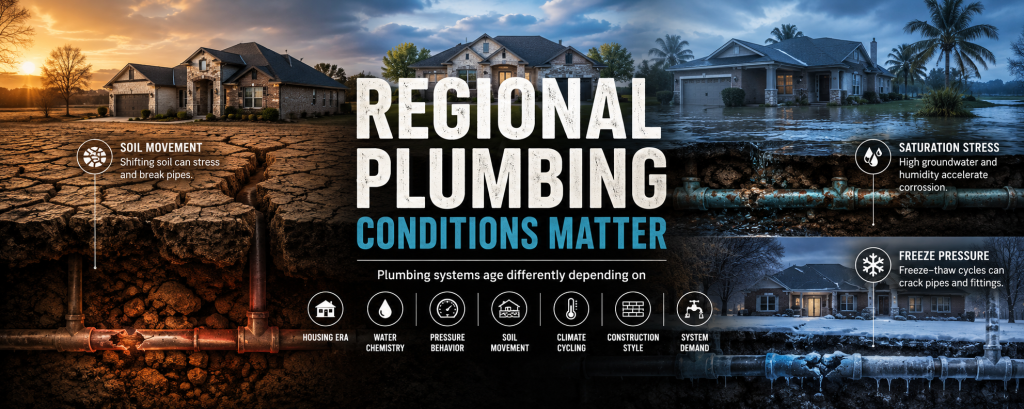
Miami’s subsurface environment introduces additional stress on buried plumbing systems.
High water tables keep soil saturated.
Saturation reduces the consistency of pipe support.
Underground movement becomes more likely over time.
Drain lines may lose slope gradually.
Connections can shift under pressure.
These changes often occur slowly and remain hidden beneath slab construction.
Recurring drainage issues may indicate structural movement rather than isolated blockage.
Construction Speed Influences Long-Term Performance
Rapid development across Miami has increased the number of systems installed under production pressure.
Speed affects installation consistency.
Minor deviations in slope, support, or connection quality may not appear immediately.
Over time, those small inconsistencies become failure points under environmental stress.
Systems built without margin for movement or expansion tend to degrade faster in coastal conditions.
System Complexity Increases Failure Exposure
Modern Miami homes often include expanded plumbing systems designed to support higher usage.
Long pipe runs, multi-zone water delivery, outdoor systems, and auxiliary structures increase system demand.
Each added component introduces additional connection points.
Pressure variation becomes more difficult to manage across larger systems.
Complexity increases the number of potential failure locations.
Small inefficiencies compound across the entire system.
Why Accelerated Failure Often Goes Unnoticed
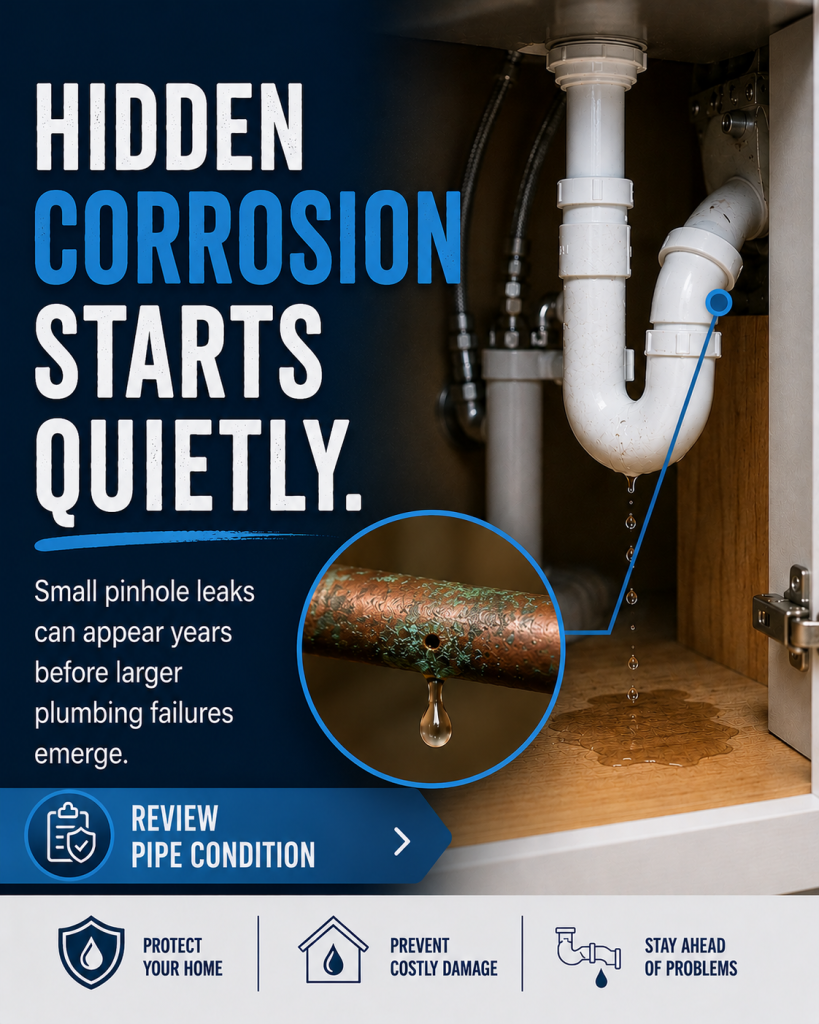
Miami plumbing systems can appear functional while actively deteriorating.
External corrosion weakens components without immediately affecting water flow.
Humidity masks moisture-related warning signs.
Subsurface conditions conceal underground movement.
By the time visible symptoms appear, the system has often experienced significant structural loss.
Homeowners typically encounter the result rather than the cause.
Miami Homes Operate Under Continuous Degradation Pressure
Plumbing systems in Miami do not operate in a stable environment.
Salt exposure, humidity, heat, ground movement, and demand load act together.
These forces compound over time.
Each one accelerates the effect of the others.
The same pipe material behaves differently under Miami conditions than it would in a dry or inland region.
Understanding these patterns allows homeowners to identify risk earlier, evaluate system condition more accurately, and take action before accelerated failure conditions lead to widespread damage.