Miami Plumbing Systems Under Salt Air and Corrosion Pressure
This helps Miami homeowners recognize how salt air, humidity, and coastal exposure accelerate plumbing deterioration, allowing earlier detection, smarter system evaluation, and better decisions before corrosion leads to major failure.
Most plumbing issues in Miami do not start with internal pipe problems.
They begin with environmental exposure attacking the system from the outside.

Salt travels through the air.
Humidity keeps surfaces constantly active.
Heat accelerates chemical reactions.
Moisture prevents materials from drying.
That combination creates one of the most aggressive corrosion environments in residential plumbing.
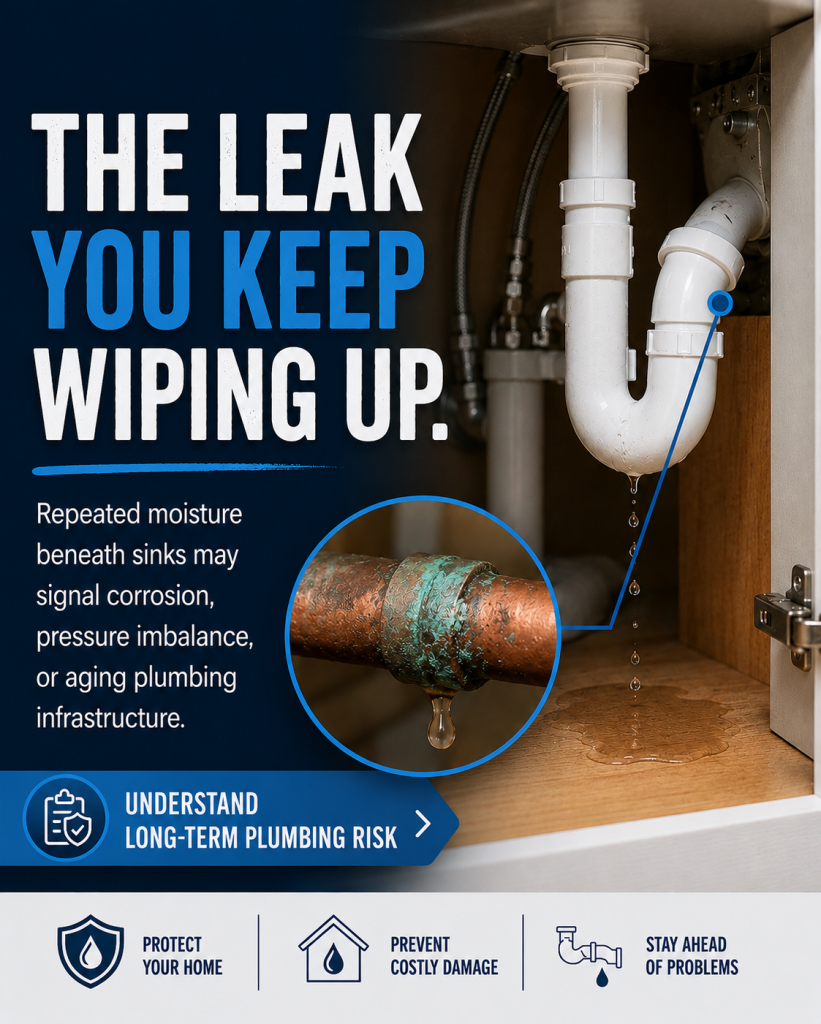
Homeowners often notice symptoms such as declining pressure, fixture deterioration, or recurring leaks without realizing the system has been degrading externally for years.
Miami Is A Coastal Corrosion-Dominant Environment
Miami plumbing systems operate inside a constant salt exposure cycle.
Ocean air carries microscopic salt particles inland.
Those particles settle on plumbing components throughout the home.
Humidity holds that salt in place.
Moisture activates corrosion continuously instead of allowing materials to dry and stabilize.
This creates a persistent breakdown process affecting:
- exposed piping
- valves and shutoffs
- water heater connections
- hose bibs and exterior fixtures
- mounting hardware and supports
- mechanical room components
Corrosion in Miami is not an isolated condition.
It is part of the environment itself.
The Miami Corrosion Failure Stack
Failures in Miami typically form through overlapping exposure rather than a single cause.
Salt Air Deposition And Surface Breakdown
Salt carried through the air settles onto plumbing surfaces daily.
Even homes located miles from the coastline experience measurable exposure.
Once salt accumulates, it attracts and holds moisture.
That creates a continuous wet layer on metal components.
Corrosion begins at the surface and works inward.
Fittings weaken gradually.
Threads lose integrity.
Connection points become the first areas to fail under pressure.
Humidity-Driven Corrosion Acceleration
Miami’s humidity keeps plumbing systems in a near-constant state of moisture exposure.
Materials rarely have the opportunity to dry completely.
This extends the active corrosion window across nearly every hour of the day.
Metal components degrade faster under these conditions.
Protective coatings break down sooner.
Surface oxidation transitions into structural weakness over time.
Humidity does not cause corrosion by itself.
It sustains and accelerates the corrosion process once salt exposure is present.
Heat And Chemical Reaction Acceleration
Heat increases the speed of chemical reactions inside plumbing systems.
In Miami, elevated temperatures combine with humidity to create extended periods of thermal exposure.
Corrosion processes accelerate as temperatures rise.
Materials expand and contract under thermal cycles.
That movement weakens already compromised connection points.
Components under both chemical and thermal stress tend to fail earlier than expected.
External-First Failure Pattern
Many plumbing systems in Miami fail from the outside inward.
The exterior surface of the pipe or fitting deteriorates first.
Internal water flow may remain unaffected during early stages.
This creates a delayed detection problem.
The system appears functional while structural integrity is already compromised.
Failures often occur suddenly at weakened points once pressure exceeds the remaining strength of the material.
Mechanical System Exposure Risk
Mechanical rooms and utility areas in Miami homes often experience elevated humidity levels.
Water heaters, pressure regulators, manifolds, and exposed connections remain vulnerable to corrosion.
Connections between different materials create additional stress points.
Galvanic reactions can occur when dissimilar metals interact in a conductive, moisture-rich environment.
These areas frequently become early failure zones within the system.
Coastal Proximity And Exposure Intensity
Homes closer to the coastline experience higher levels of salt exposure.
Wind patterns carry salt deeper inland during storms and seasonal shifts.
Even properties not directly on the water remain within the exposure zone.
This creates a gradient of corrosion risk rather than a clear boundary.
Many homeowners underestimate their level of exposure because the effects are not immediately visible.
Why Miami Plumbing Failures Develop Quietly
Corrosion-driven failures rarely present immediate warning signs.
Surface deterioration progresses gradually.
Structural weakening occurs before visible leaks appear.
Moisture in the environment masks early-stage indicators.
By the time a failure becomes visible, the affected component has often lost significant structural integrity.
This leads to sudden leaks at connection points, valve failures, or localized system breakdown.
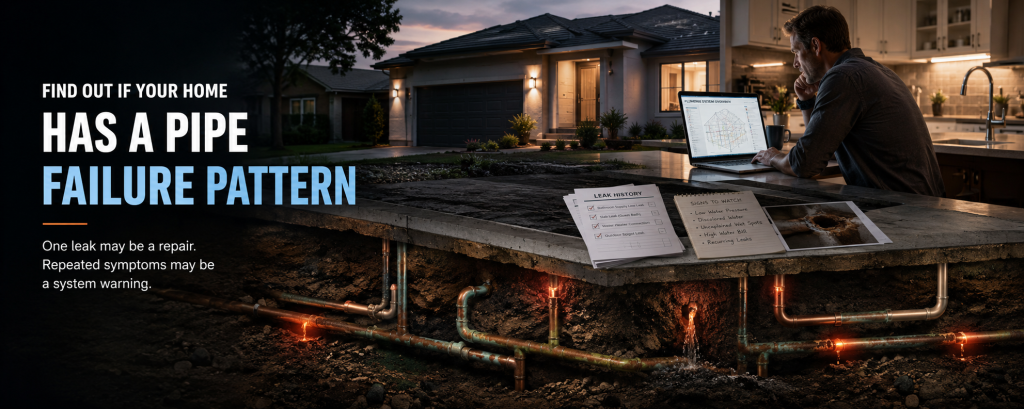
Interaction With Other Florida Failure Forces
Miami plumbing systems are not only affected by corrosion.
Other environmental forces often interact with salt exposure.
High water tables introduce underground pressure.
Saturation conditions affect pipe stability.
Thermal expansion influences internal stress.
Construction variability impacts long-term performance.
When corrosion combines with these additional factors, failure risk increases.
A weakened fitting under stable conditions may hold.
That same fitting under pressure fluctuation or ground movement may fail.
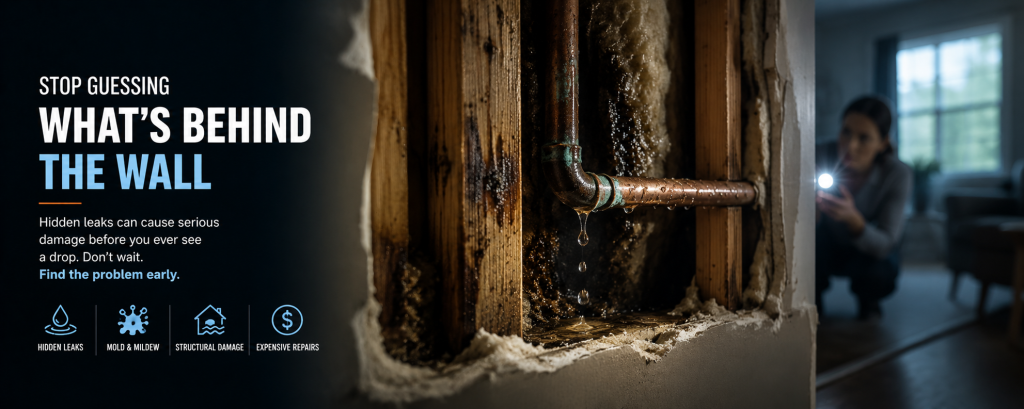
Miami Homes Operate Inside Continuous Corrosion Exposure
Plumbing systems in Miami exist within an environment that continuously promotes material breakdown.
Salt, moisture, and heat do not act independently.
They reinforce one another.
This creates a persistent exposure cycle that gradually reduces system durability.
Understanding how this environment affects plumbing systems allows homeowners to evaluate risk earlier, recognize subtle warning signs, and take action before corrosion-related failures escalate into larger system problems.