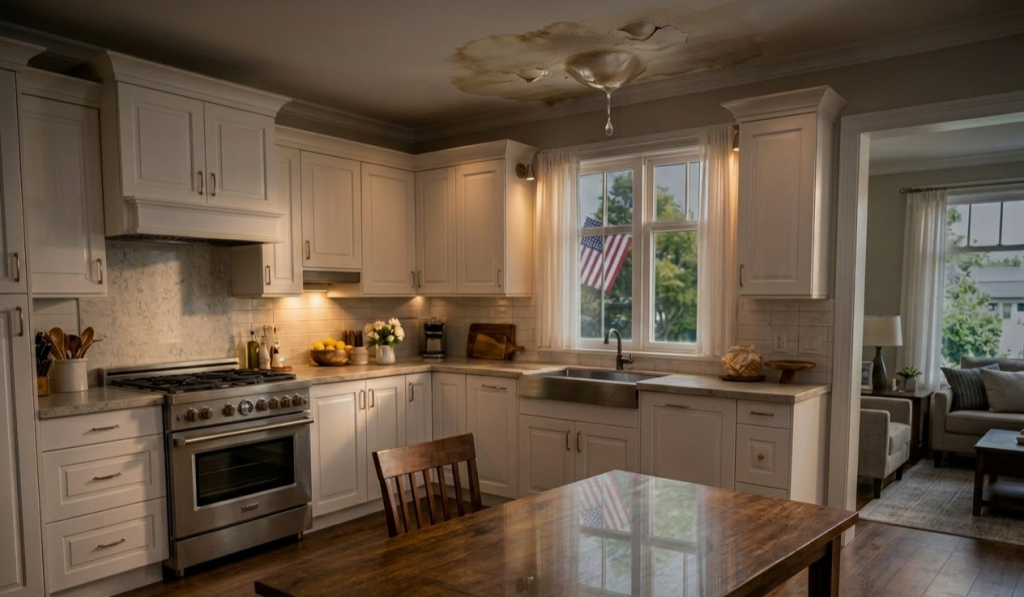
Tampa–St. Petersburg Slab Leak and Saturation Damage Risks
This helps Tampa–St. Petersburg homeowners recognize early slab leak risk, understand how saturation conditions drive hidden damage, and take action before moisture-related failures spread across the structure.
Most slab leaks in the Tampa–St. Petersburg region do not begin with a sudden pipe break.
They develop through long-term exposure to saturated ground conditions beneath the home.
Homeowners often notice subtle changes such as flooring irregularities, moisture migration, or pressure variation without realizing the issue originates below the slab.

Those signals typically appear after the system has already been under stress for an extended period.
The underlying cause is often environmental.
This region places plumbing systems inside one of the most consistently wet ground environments in the country.
Water remains present beneath the structure.
Soil conditions shift with saturation cycles.
Drainage patterns change during storms.
Humidity influences how moisture behaves inside the home.
Each factor contributes to how slab leaks form and spread.

Tampa–St. Petersburg Is A Saturation-Dominant Environment
Plumbing systems in this region operate in soil that rarely stabilizes fully.
High water tables keep groundwater close to the slab.
Seasonal storms and coastal weather patterns repeatedly saturate the ground.
That saturation affects how pipes are supported beneath the home.
Stable soil becomes inconsistent under prolonged moisture exposure.
Underground plumbing begins to experience subtle movement.
Slope changes gradually.
Stress concentrates at connection points.
Small deviations accumulate until performance declines.
The Slab Leak Formation Process
Slab leaks in this region often develop through gradual system stress rather than immediate failure.
Moisture affects the soil surrounding the pipe.
Support conditions change over time.
Pipes experience uneven pressure from shifting ground.
Expansion and contraction cycles add mechanical stress.
Eventually, a weak point forms within the system.
Water begins escaping beneath the slab.
Because the environment is already saturated, early-stage leakage often goes unnoticed.
Saturation Masks Early Warning Signs
Moisture detection becomes more difficult in consistently wet environments.
Water intrusion beneath the slab blends into existing ground moisture.
There is no immediate contrast to signal a developing issue.
Instead of obvious pooling, moisture migrates slowly through the slab and surrounding materials.
This leads to delayed visibility.
By the time interior symptoms appear, the leak has often been active for a significant period.
Subsurface Movement And Pipe Stress
Saturated soil does not behave like stable dry ground.
It shifts under load.
It compresses and expands with changing water levels.
Plumbing systems rely on consistent support to maintain alignment.
When that support changes, the system absorbs the movement.
Pipes may flex slightly over time.
Connections begin to experience stress.
Long-term movement increases the likelihood of cracks or separation.
These changes typically occur out of view, beneath the slab.

Drainage Interaction And System Imbalance
Stormwater and drainage conditions influence how water moves around the home.
Improper grading or overwhelmed drainage systems can increase saturation near the foundation.
Water accumulates around and beneath the slab.
That increases hydrostatic pressure against the structure.
Plumbing systems within that environment experience additional external force.
Drain lines may also be affected by shifting soil conditions.
Slope changes reduce flow efficiency.
Minor drainage issues can develop into recurring system problems.
Thermal And Pressure Interaction
Temperature changes, even in warm climates, still influence plumbing behavior.
Pipes expand and contract during daily cycles.
Water pressure fluctuates based on demand and municipal supply conditions.
When combined with saturated soil movement, these forces create additional stress.
A pipe that might remain stable under one condition can fail when multiple factors interact.
Slab leak formation is often the result of these overlapping pressures rather than a single cause.
Why Tampa–St. Petersburg Slab Leaks Spread Quickly
Once a leak begins beneath the slab, the surrounding environment allows it to expand.
Water does not remain contained.
It migrates through saturated soil and into adjacent areas.
Moisture can travel beneath flooring systems, into walls, and across foundation lines.
Damage rarely stays localized.
The longer the leak remains undetected, the wider the impact becomes.
Construction And Foundation Considerations
Many homes in this region are built on slab-on-grade foundations.
This design places plumbing systems directly within or beneath the slab structure.
Access becomes limited once the system is enclosed.
Early-stage issues remain concealed.
Construction speed in high-growth areas can also influence long-term performance.
Minor inconsistencies in pipe placement, support, or bedding may not be immediately visible.
Over time, those conditions become failure points under saturated soil exposure.
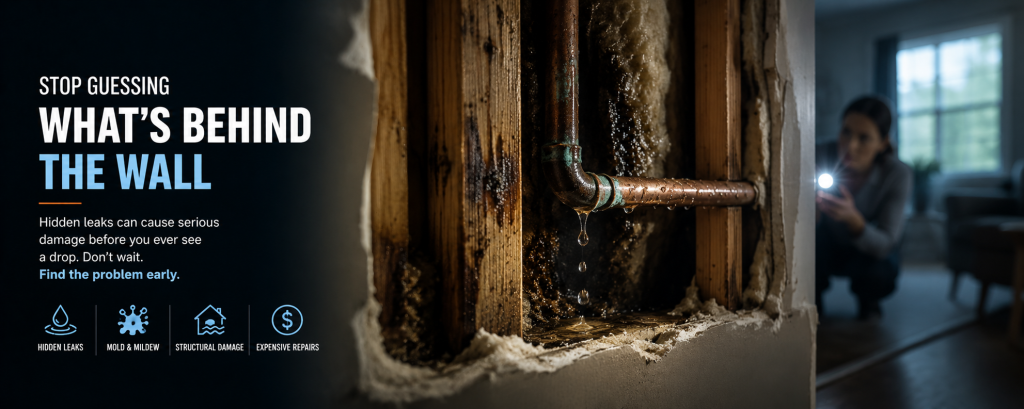
Why These Failures Often Appear Late
Environmental conditions delay detection.
Moisture blends into existing humidity levels.
Subsurface leaks remain hidden beneath the slab.
Interior symptoms take time to develop.
Homeowners often encounter flooring changes, material swelling, or persistent moisture only after the system has been compromised.
The visible issue represents a later stage in the failure process.
Tampa–St. Petersburg Homes Operate Under Continuous Saturation Pressure
Plumbing systems in this region function within constant environmental load.
Groundwater, storm saturation, soil movement, pressure variation, and construction variables all interact.
These forces do not occur independently.
They compound over time.
The same plumbing system behaves differently in this environment than it would in dry or stable ground conditions.
Understanding these patterns allows homeowners to identify risk earlier, interpret subtle warning signs more accurately, and act before slab leak conditions lead to widespread structural and system damage.