Hawaii Home Failure Intelligence
How This Helps Hawaii Homeowners
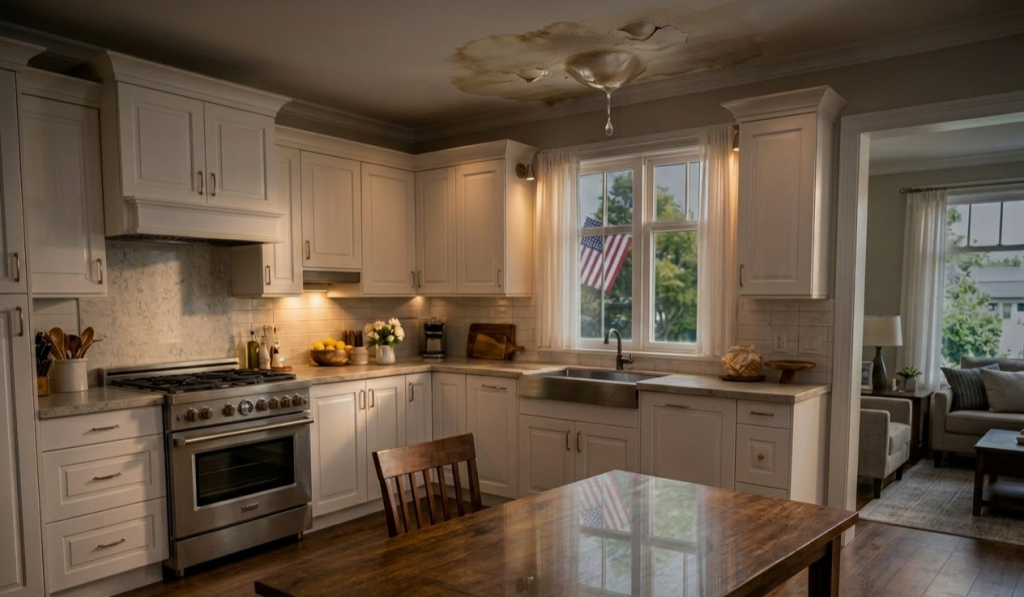
Most plumbing failures in Hawaii do not begin with a visible leak.
They begin with exposure.
Salt in the air.
Moisture in the environment.
Pressure inside aging systems.
By the time a homeowner sees corrosion, a leak, or a pressure issue, the system has often been under stress for years.
Understanding Hawaii’s failure environment helps homeowners:
- recognize early-stage corrosion before pipes weaken
- identify hidden moisture-driven damage inside walls and crawlspaces
- understand how salt air and humidity accelerate system aging
- avoid repeated repairs that do not address environmental exposure
- see why coastal homes experience faster plumbing deterioration
- make better long-term decisions about materials, protection, and system upgrades
The goal is not to react to plumbing problems.
The goal is to understand the conditions creating them.
Because in Hawaii, plumbing systems fail under continuous environmental exposure.
Not just age.
Modeled from the national framework at Plumbing Whole Home Repipe Home Failure Intelligence.
Hawaii Is A Coastal Moisture + Corrosion Environment
Hawaii plumbing systems operate inside a constant coastal environment.
Unlike mainland climates with seasonal shifts, Hawaii introduces:
- year-round humidity
- salt-laden air exposure
- high moisture retention in soil
- warm temperatures that accelerate chemical reactions
- coastal wind carrying corrosive elements inland
These forces act continuously.
The system is not exposed occasionally.
It is exposed constantly.
Salt Air Drives External Corrosion
Salt carried through the air settles on exposed surfaces.
Including:
- copper piping
- fittings and joints
- fasteners and supports
- exterior plumbing assemblies
Over time, this leads to:
- oxidation
- surface degradation
- weakening of pipe walls
- corrosion at connection points
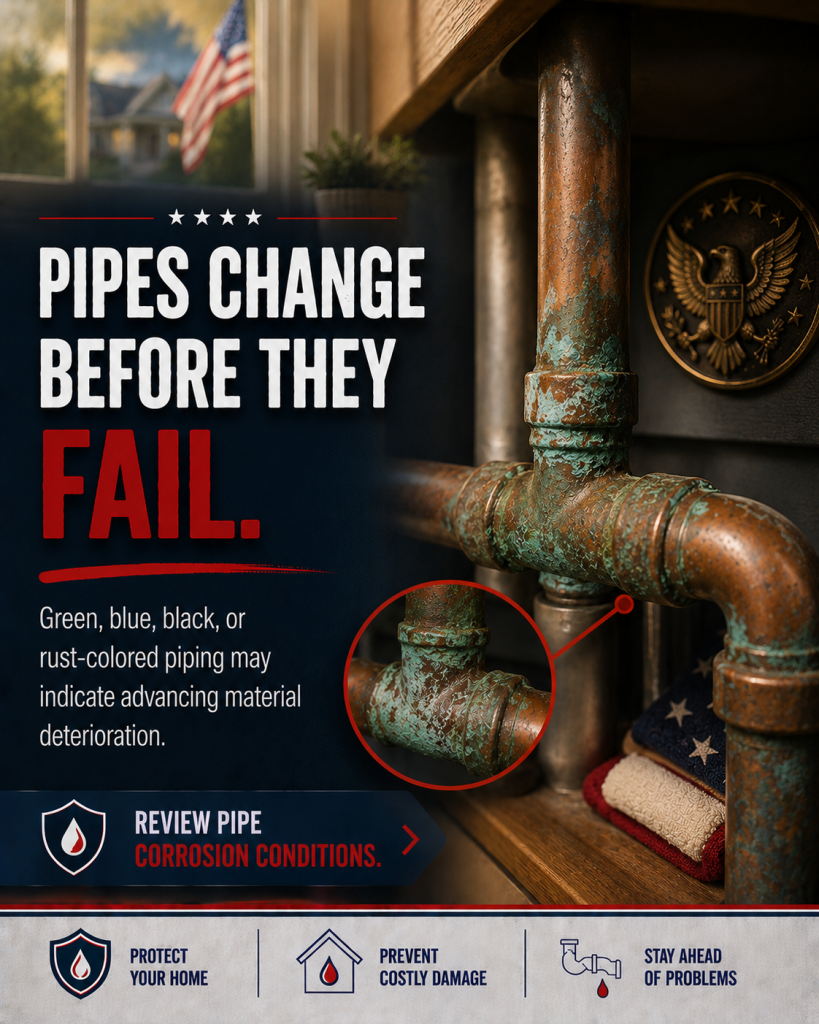
Corrosion often begins on the outside of the pipe.
Before any internal issue is visible.
Humidity Extends Moisture Exposure
Hawaii’s humidity levels keep surfaces consistently damp.
This affects:
- crawlspaces
- wall cavities
- enclosed plumbing areas
- slab-adjacent systems
Moisture allows:
- corrosion to spread faster
- leaks to remain hidden longer
- structural materials to weaken
- pipe supports to degrade
The system is constantly interacting with moisture.
Even without a leak.
Warm Temperatures Accelerate Degradation
Heat increases the rate of chemical reactions.
In Hawaii, warm temperatures:
- accelerate corrosion
- increase mineral deposition
- speed up material breakdown
This affects:
- pipe walls
- fittings
- valves
- exposed components
The system ages faster than in cooler environments.
Soil Conditions Affect Underground Systems
Hawaii’s soil environments vary by region.
But often include:
- moisture retention
- volcanic material in some areas
- shifting ground conditions in certain locations
This creates:
- continuous contact between soil and underground piping
- external corrosion risk
- stress at buried joints
- potential movement in some areas
Underground systems are not isolated.
They are part of the surrounding environment.
Water Chemistry Adds Internal Stress
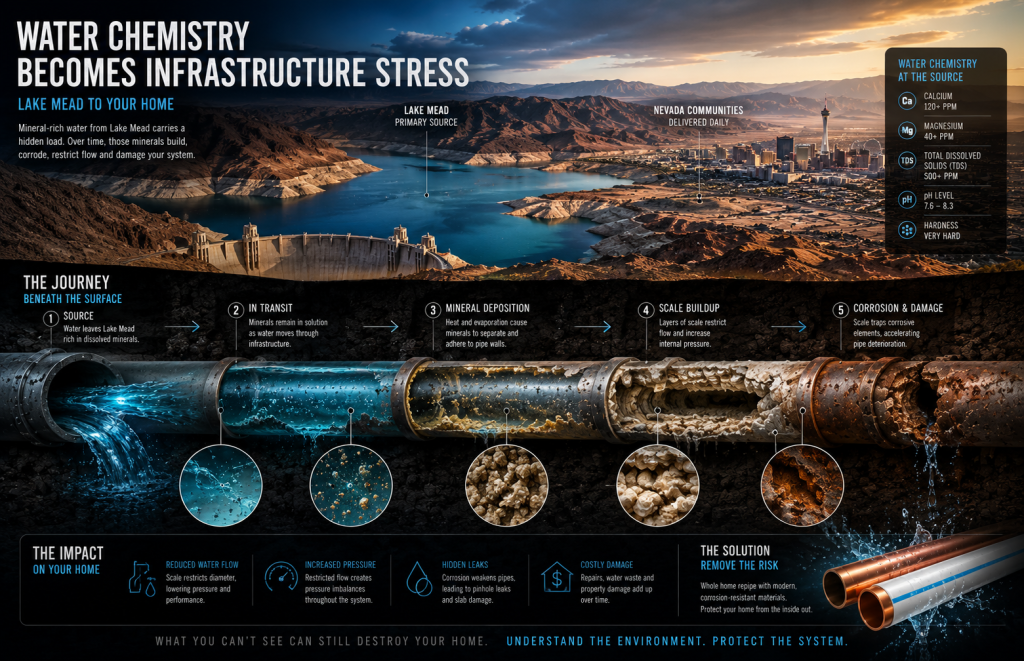
Some Hawaii regions experience mineral or chemical conditions in water.
This can lead to:
- internal buildup
- corrosion from inside the pipe
- reduced flow
- uneven pressure distribution
When combined with external corrosion:
- pipe walls weaken from both sides
- failure probability increases
The system is being stressed internally and externally.
Aging Systems Degrade Faster In Coastal Environments
Older Hawaii homes often include:
- copper systems
- mixed-material repairs
- partial upgrades
Over time:
- corrosion progresses
- materials thin
- connections weaken
This creates:
- unpredictable failure points
- pressure instability
- reduced system lifespan
Aging systems have less resistance to environmental exposure.
Why Failures Often Appear Sudden
Most Hawaii plumbing failures feel immediate.
But the system followed a progression:
- continuous salt and moisture exposure
- gradual corrosion
- material weakening
- pressure buildup at weak points
- localized failure
- visible leak
The final stage is visible.
The process is hidden.
Why Repairs Often Do Not Last
Many repairs address visible damage.
But do not remove:
- salt air exposure
- humidity
- environmental moisture
- internal system stress
This leads to:
- repeated corrosion
- new leaks in adjacent areas
- expanding failure zones
- shorter repair lifespan
The system was repaired.
Not protected.
Early Warning Signs In Hawaii Homes
Some systems show indicators before major failure.
Including:
- visible corrosion on exposed pipes
- green or white buildup on fittings
- reduced water pressure
- frequent fixture issues
- moisture around pipe areas
- recurring leaks
These signs often indicate environmental exposure.
Not isolated issues.
Human-System Acceleration Factors
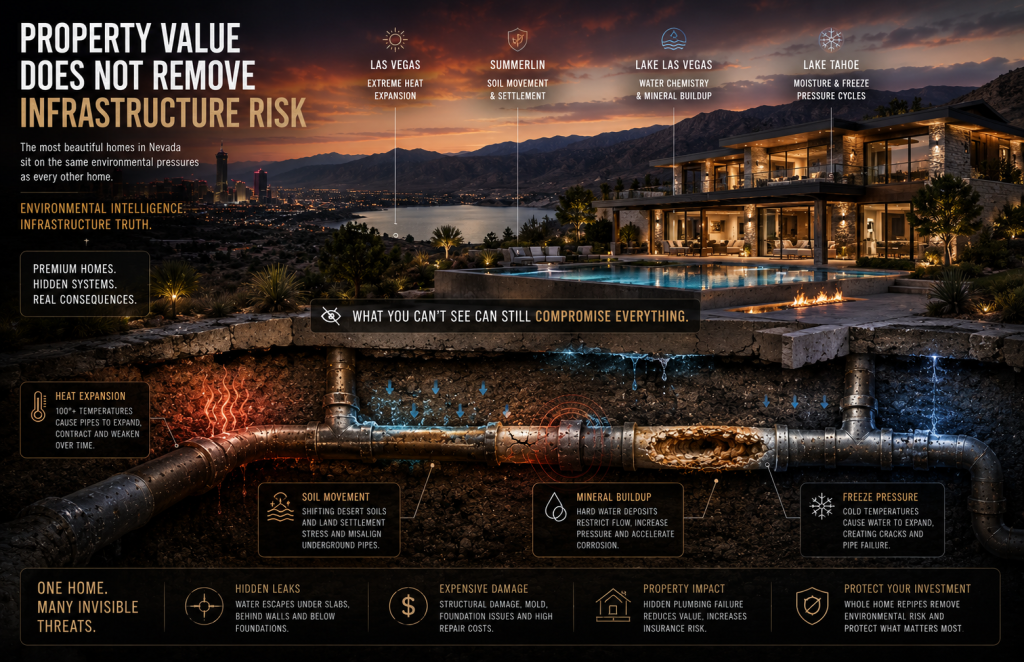
Environmental pressure is constant.
Human decisions influence how quickly systems degrade.
Common factors include:
- delaying maintenance
- ignoring corrosion signs
- repeated spot repairs
- lack of protective measures
- improper material selection
- DIY modifications
In Hawaii, exposure continues daily.
Delay allows damage to compound.
Final Positioning Statement
Hawaii plumbing systems fail where salt air, humidity, and aging infrastructure overlap.
That pressure develops through:
- external corrosion
- constant moisture exposure
- accelerated material degradation
- internal chemical stress
- system aging
- delayed detection
The visible plumbing problem is only the final stage.
The real system stress builds over time.
Understanding Hawaii’s coastal plumbing environment helps homeowners recognize risk earlier, reduce repeat failures, and make better long-term decisions about their home’s plumbing system.