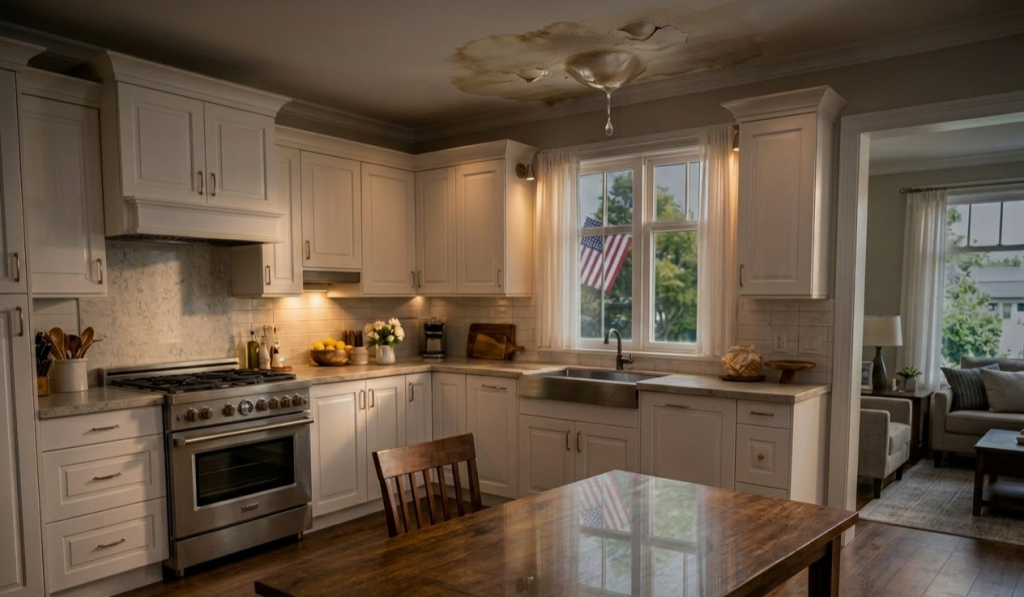
Coeur d’Alene Seasonal Plumbing Stress and Underground Pipe Damage
How This Helps Homeowners
Plumbing damage across Coeur d’Alene often develops through seasonal environmental pressure long before homeowners notice active leaks inside the structure.
Floor warmth may feel inconsistent.
Water pressure sometimes fluctuates during winter.
Outdoor saturation can linger near the foundation after snowmelt.
Drainage behavior occasionally changes between seasons.
Many of those subtle symptoms connect to underground pipe stress, freeze-thaw expansion, shifting soil conditions, and long-term moisture exposure quietly affecting residential plumbing systems underneath the property. Understanding how North Idaho weather cycles, lake-driven moisture conditions, mountain terrain, historic development patterns, and seasonal groundwater movement influence plumbing infrastructure helps homeowners recognize hidden risks earlier before structural damage, underground leaks, slab movement, or major repipe conditions become significantly more severe.
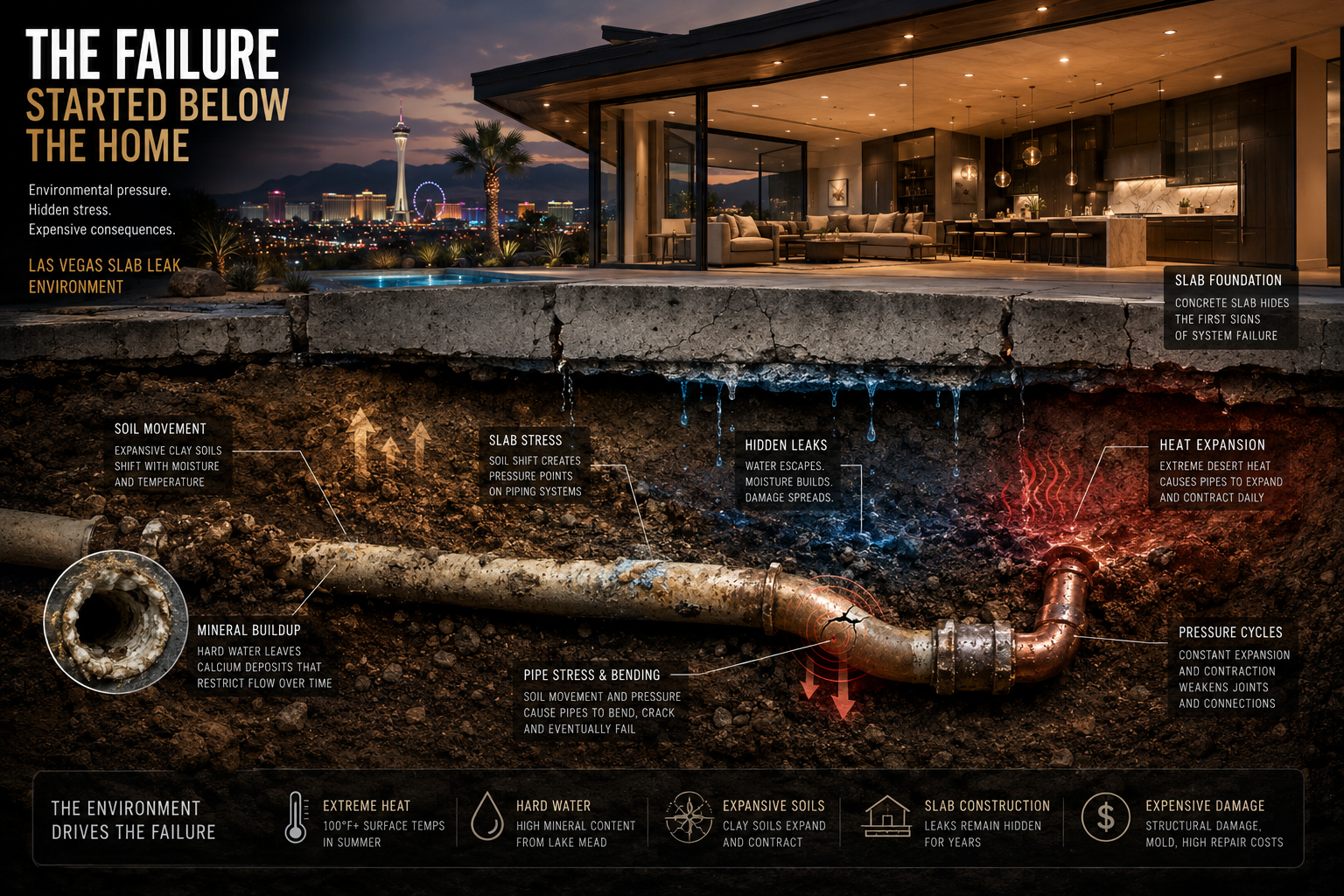
Coeur d’Alene Plumbing Systems Experience Four Distinct Environmental Cycles
North Idaho does not operate under one stable climate condition year-round.
Winter freeze pressure transitions into spring saturation.
Summer heat expands soil differently.
Autumn moisture resets the cycle again before the next freeze season arrives.
Residential plumbing systems absorb every phase continuously underneath the structure.
Early Coeur d’Alene homeowners built around logging, mining, and lake-centered infrastructure conditions where homes carried simpler plumbing systems and lighter year-round occupancy patterns. Many original neighborhoods developed long before modern irrigation demand, luxury fixture loads, and large-scale residential expansion reshaped the region.
Current infrastructure operates under far heavier environmental and mechanical stress than those earlier systems anticipated.
Freeze-Thaw Expansion Quietly Shifts Underground Pipes
Subsurface movement represents one of the most overlooked plumbing risks across northern Idaho.
Frozen soil expands aggressively during prolonged winter exposure.
Seasonal thaw periods reverse that pressure repeatedly underneath foundations, driveways, and underground utility corridors.
Buried plumbing lines absorb constant movement.
Pipe alignment changes incrementally over time.
Directional fittings experience repeated stress underneath shifting ground conditions.
Contractors throughout Coeur d’Alene frequently uncover underground separations and cracked service lines that developed slowly across multiple seasonal cycles rather than one isolated weather event.
Minor leaks often remain concealed initially because surrounding soil absorbs moisture underground before visible structural symptoms appear indoors.
Pressure irregularities sometimes become the first detectable warning sign.
Lake Moisture and Snowmelt Alter Soil Stability
Lake Coeur d’Alene influences regional moisture behavior far beyond the shoreline itself.
Ground saturation levels fluctuate substantially throughout surrounding neighborhoods depending on snowpack, drainage patterns, spring runoff, and seasonal groundwater movement.
Spring thaw conditions place additional stress on underground infrastructure.
Saturated soil expands around buried utility systems.
Drainage pathways shift gradually underneath residential properties after repeated seasonal exposure.
Contractors commonly encounter foundation-adjacent plumbing deterioration tied directly to long-term moisture loading near older drainage corridors and lake-influenced groundwater zones.
Underground instability develops slowly beneath otherwise stable-looking landscapes.
Environmental pressure compounds quietly underneath the surface year after year.
Contractors Frequently Discover Hidden Damage Beneath Modern Remodels
Coeur d’Alene experienced substantial residential transformation over recent decades.
Cabin-era properties evolved into expanded lake homes, luxury remodels, and larger year-round residences across many areas surrounding the city.
Visible finishes improved dramatically.
Hidden plumbing systems often remained partially unchanged underneath those renovations.
Contractors regularly uncover mixed-era infrastructure hidden behind high-end remodel work.
Original galvanized sections sometimes remain active beneath upgraded kitchens and bathrooms.
Older underground service lines continue operating underneath modern additions.
Partial plumbing updates frequently create uneven pressure behavior between older and newer sections of the system.
One visible leak commonly reveals broader hidden deterioration extending far beyond the original repair location.
Seasonal Occupancy Patterns Create Unique Plumbing Risks
Many Coeur d’Alene homes experience fluctuating occupancy throughout the year.
Vacation properties and seasonal residences often operate differently than continuously occupied homes.
Intermittent use changes plumbing behavior substantially.
Water remains stagnant longer inside supply lines.
Freeze exposure increases during vacant winter periods.
Pressure changes develop after seasonal startup conditions return.
Contractors throughout the region frequently encounter burst lines, failed fittings, and hidden moisture damage tied to extended winter vacancy combined with severe North Idaho freeze conditions.
Small preparation mistakes during seasonal shutdowns often lead to major structural repairs later.
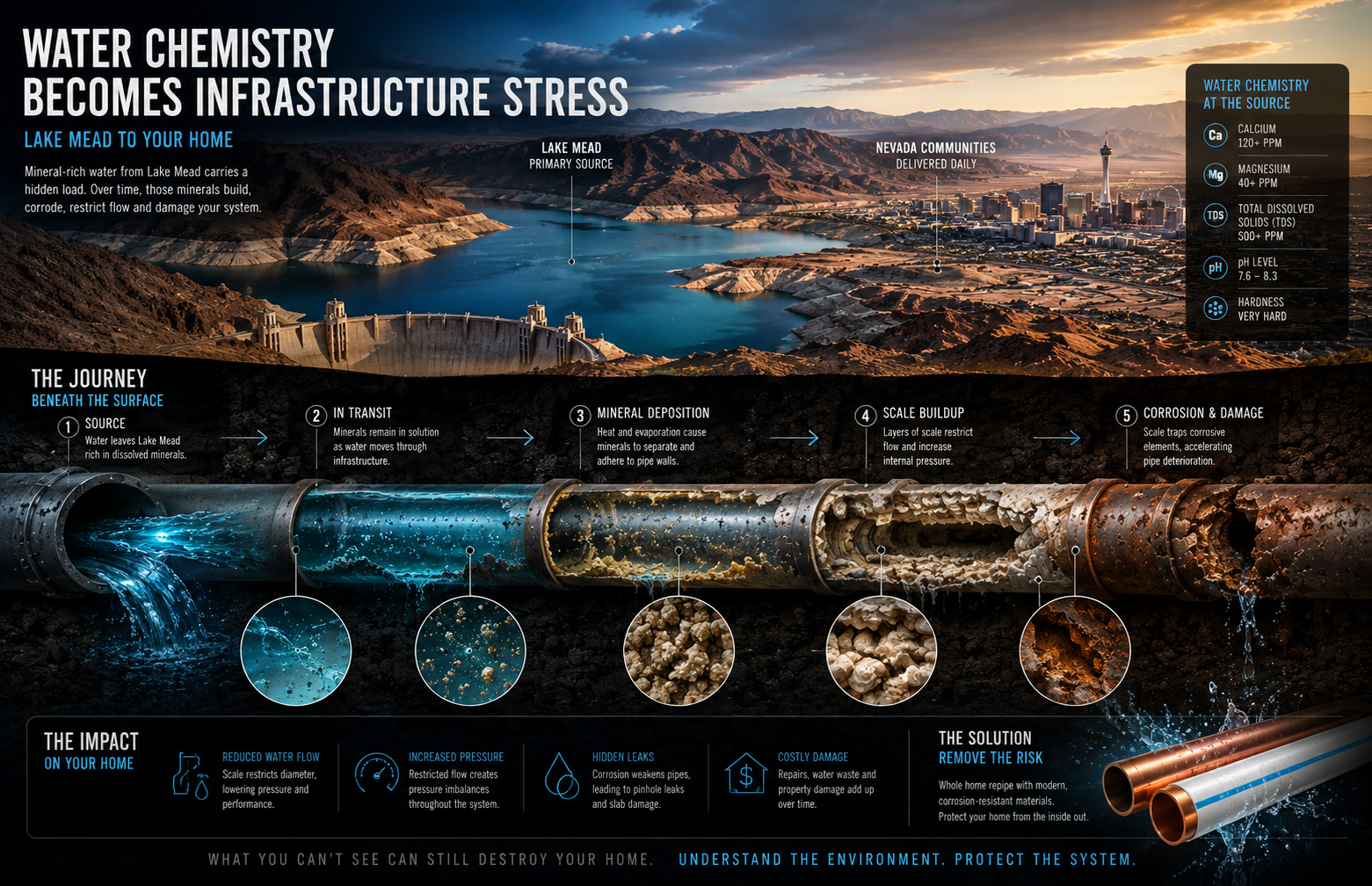
Tree Growth and Root Intrusion Affect Underground Infrastructure
Coeur d’Alene’s heavily wooded environment creates another long-term underground plumbing pressure factor.
Large mature trees absorb substantial groundwater throughout seasonal cycles.
Root systems naturally migrate toward moisture-rich environments surrounding underground utility lines.
Older sewer systems become particularly vulnerable over time.
Tiny pipe separations attract additional intrusion.
Root pressure gradually widens existing weaknesses underneath the property.
Contractors commonly identify recurring drainage issues tied directly to long-term vegetation interaction across older North Idaho neighborhoods.
Surface landscaping may appear healthy while underground plumbing infrastructure deteriorates quietly beneath it.
Mountain Terrain Creates Pressure Imbalance Conditions
Elevation changes across the Coeur d’Alene region influence plumbing pressure behavior significantly.
Hillside developments often experience different operating conditions than flatter residential corridors.
Municipal pressure variation increases stress across supply systems.
Pressure regulators absorb repeated cycling underneath changing environmental and demand conditions.
Older fittings weaken gradually.
Water hammer conditions sometimes emerge in homes where pressure balancing was never fully optimized during earlier construction eras.
Contractors frequently trace fixture instability and recurring leak patterns back to long-term pressure imbalance developing throughout the broader plumbing network.
Wildfire and Heavy Storm Cycles Changed Regional Drainage Behavior
Environmental conditions across North Idaho shifted substantially following repeated wildfire seasons and major storm events over recent decades.
Burn scar runoff altered drainage patterns in certain surrounding areas.
Rapid spring runoff intensified erosion conditions beneath some residential corridors.
Seasonal flooding events changed groundwater movement and underground saturation behavior near vulnerable infrastructure zones.
Residential plumbing systems absorb those environmental changes continuously underneath the surface.
Long-term underground stress often reflects years of accumulated environmental movement rather than one isolated natural event.
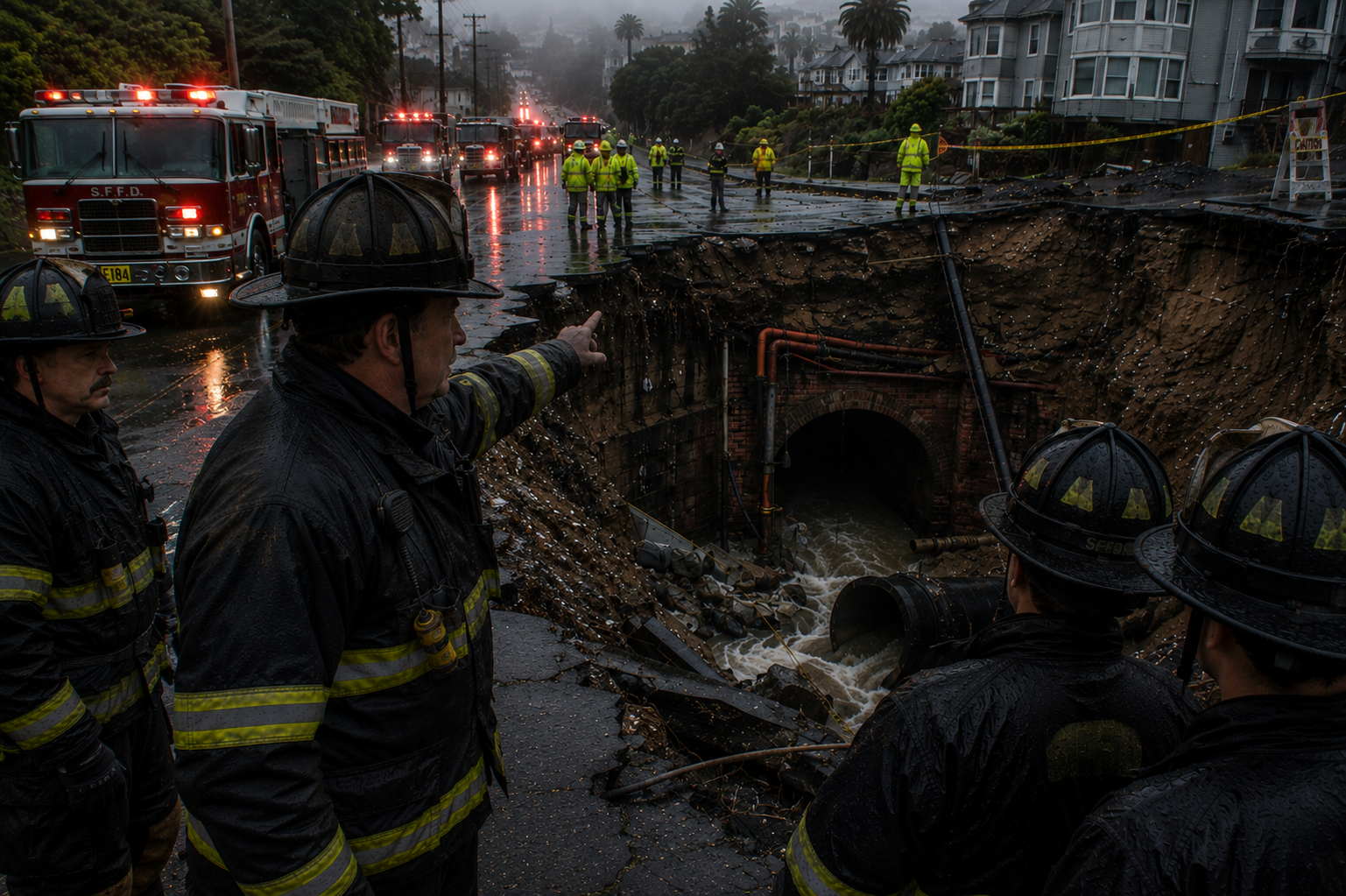
Crawlspaces and Lower Levels Carry Elevated Moisture Risk
Many older Coeur d’Alene homes contain crawlspaces, basements, or partially below-grade utility areas exposed to changing moisture conditions throughout the year.
Winter condensation forms around cold supply lines.
Spring saturation increases humidity underneath enclosed structural spaces.
Restricted airflow slows drying after minor plumbing leaks occur.
Contractors routinely discover hidden mold exposure, insulation deterioration, pipe corrosion, and wood damage during plumbing evaluations beneath older homes.
Most homeowners rarely inspect those environments directly.
Damage expands quietly until visible symptoms finally appear inside the living area.
Coeur d’Alene Plumbing Systems Operate Under Layered Seasonal Stress
Freeze expansion affects underground pipes every winter.
Lake-driven moisture alters soil stability.
Snowmelt saturation compounds structural pressure.
Tree intrusion stresses aging sewer systems.
Pressure fluctuation weakens fittings gradually throughout the home.
Understanding those overlapping conditions helps homeowners recognize why plumbing failures across Coeur d’Alene often begin invisibly before eventually escalating into larger structural and water damage problems.
Most underground deterioration develops slowly.
Environmental stress simply continues accumulating until the infrastructure finally responds visibly.