Idaho Plumbing Systems Under Freeze and Mineral Exposure Pressure
How This Helps Homeowners
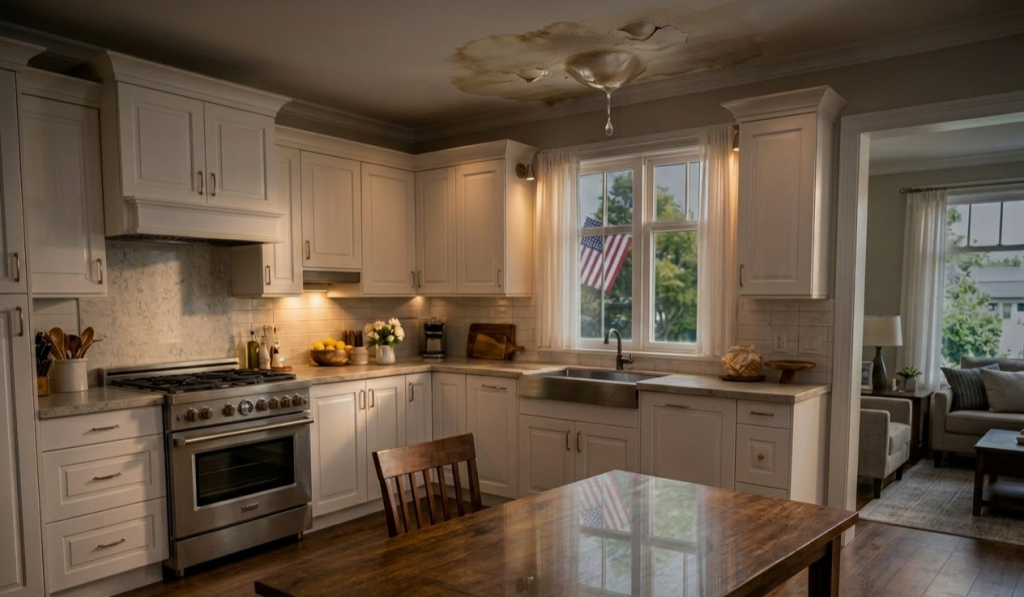
Many Idaho plumbing failures begin years before homeowners see visible water damage inside the home.
Pressure may weaken gradually.
Winter pipe noise sometimes increases seasonally.
Hot water recovery can slow over time.
Fixture performance often becomes inconsistent between rooms.
Hidden freeze stress and long-term mineral exposure quietly reshape plumbing systems underneath slabs, crawlspaces, basements, and underground utility corridors across Idaho. Understanding how statewide environmental conditions affect residential infrastructure helps homeowners recognize early warning signs before underground leaks, pipe restriction, freeze fractures, slab movement, and major repipe conditions become far more destructive and expensive.
Idaho Plumbing Systems Absorb Environmental Stress Year-Round
Idaho creates one of the most mechanically demanding plumbing environments in the western United States.
High-desert regions experience dramatic seasonal swings.
Mountain communities absorb prolonged freeze exposure.
Agricultural corridors reshape groundwater behavior and underground saturation conditions throughout the year.
Residential plumbing systems operate inside all of it simultaneously.
Early Idaho homeowners originally built around practicality and survival.
Many older systems were designed during periods when homes carried lower fixture demand, lighter municipal pressure, smaller irrigation loads, and far less year-round occupancy than modern residential conditions require today.
Current infrastructure now operates under entirely different environmental pressure.
Stress compounds quietly underneath that transition.
Freeze Expansion Slowly Weakens Underground Infrastructure
Winter conditions impact more than exposed pipes.
Subsurface movement creates long-term underground stress beneath residential properties statewide.
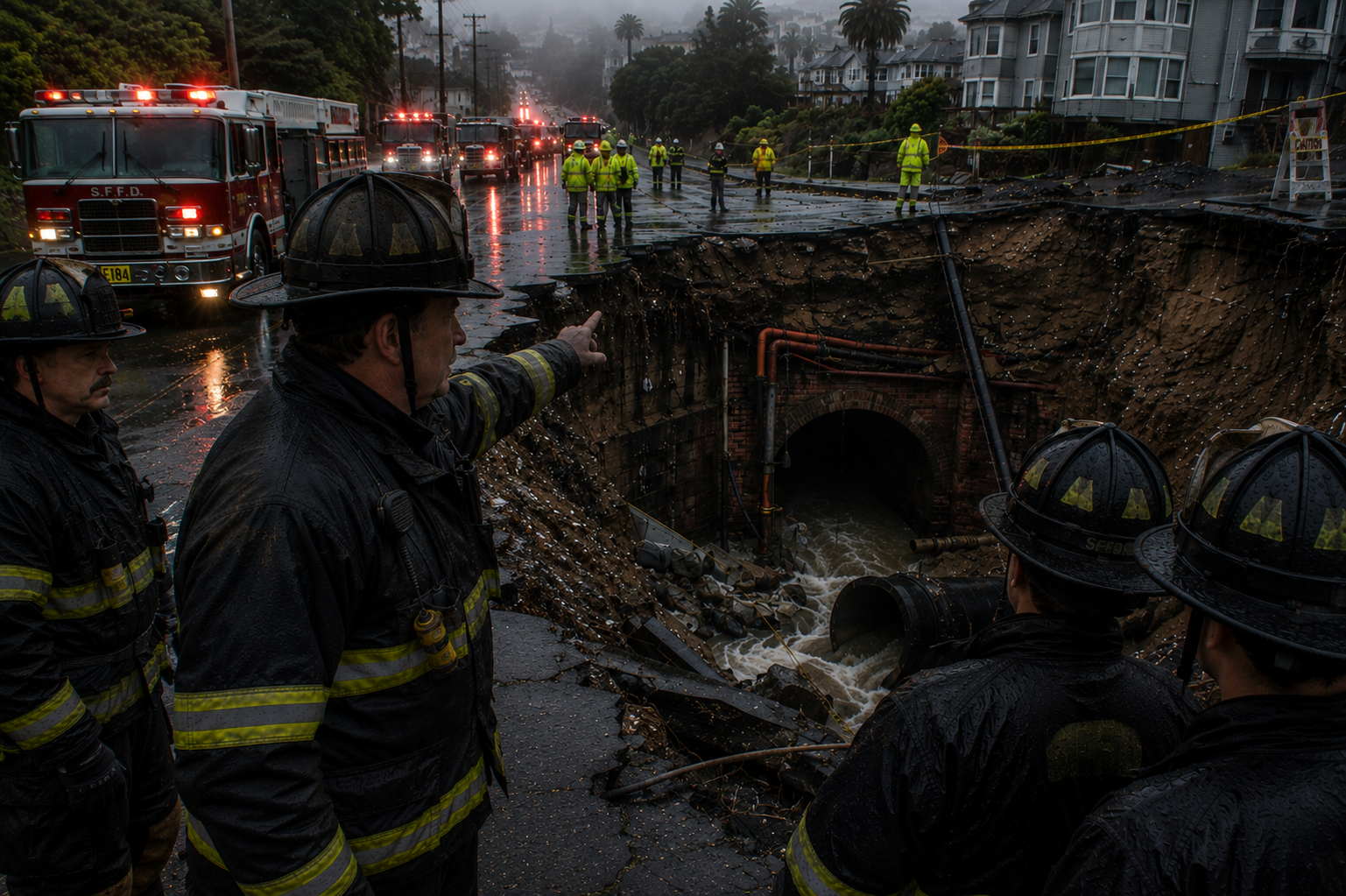
Moisture trapped inside surrounding soil expands aggressively during freezing periods and contracts again during thaw cycles. Underground utility lines absorb repeated tension underneath foundations, driveways, crawlspaces, and slab penetrations every season.
Pipe alignment shifts gradually.
Directional fittings weaken over time.
Small fractures often develop invisibly beneath the surface.
Contractors across Idaho routinely uncover underground service line failures that formed through decades of repeated freeze-thaw movement rather than one catastrophic weather event.
Minor leaks may remain hidden initially because frozen soil conceals moisture migration underground before visible symptoms appear indoors.
Mineral Exposure Quietly Restricts Pipe Interiors
Hard water conditions affect large portions of Idaho.
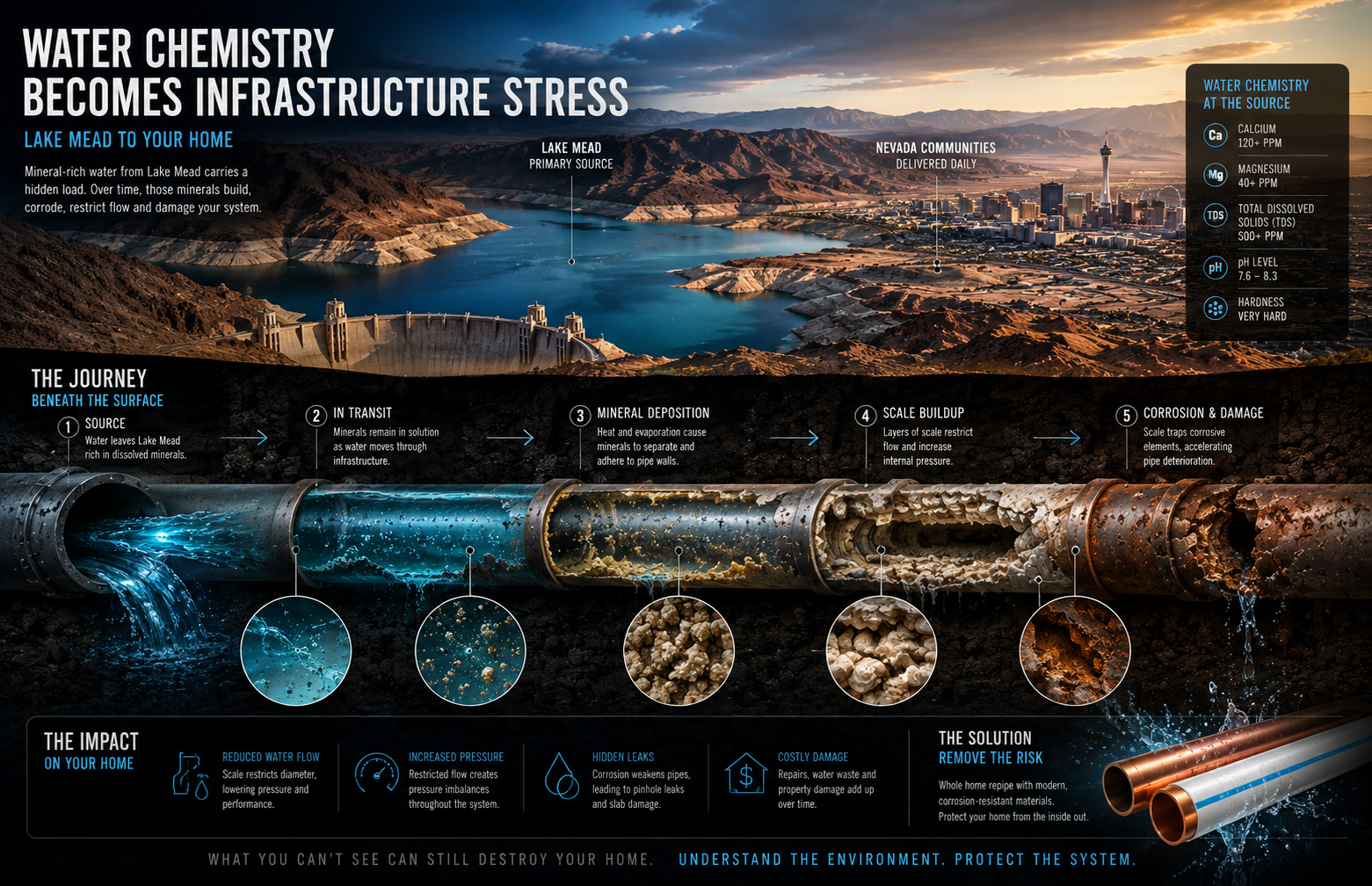
Calcium and magnesium deposits slowly accumulate inside residential plumbing systems year after year.
Scale buildup narrows interior pipe diameter gradually.
Water heaters absorb constant sediment exposure.
Flow restriction develops unevenly throughout the structure.
Contractors frequently cut open older Idaho pipes and discover heavy internal mineral accumulation dramatically reducing system capacity beneath otherwise ordinary-looking homes.
Many homeowners adapt slowly to declining performance.
Reduced fixture pressure begins feeling normal over time.
The plumbing system continues compensating quietly until larger failures eventually expose the broader deterioration pattern already developing internally.
Agricultural Irrigation Changed Underground Soil Behavior
Water management reshaped Idaho historically.
Large-scale irrigation systems transformed dry regions into productive agricultural and residential corridors across much of the state.
Former farmland eventually became suburban development throughout areas like the Treasure Valley, eastern Idaho, and expanding regional communities.
Long-term irrigation exposure altered underground moisture conditions beneath many residential properties.
Soil saturation patterns changed.
Drainage behavior shifted gradually.
Expansion pressure increased around buried utility infrastructure over decades of environmental adjustment.
Contractors often encounter underground plumbing instability tied directly to historical irrigation and groundwater movement conditions beneath modern subdivisions.
Environmental history continues influencing residential plumbing behavior today.
Contractors Frequently See Mixed-Era Plumbing Systems
Idaho housing stock spans multiple construction generations operating under very different standards and material expectations.
Older galvanized systems often remain partially active beneath newer remodel work.
Copper retrofits connect into aging infrastructure.
Modern PEX installations sometimes integrate with decades-old underground supply lines still carrying mineral-heavy water conditions.
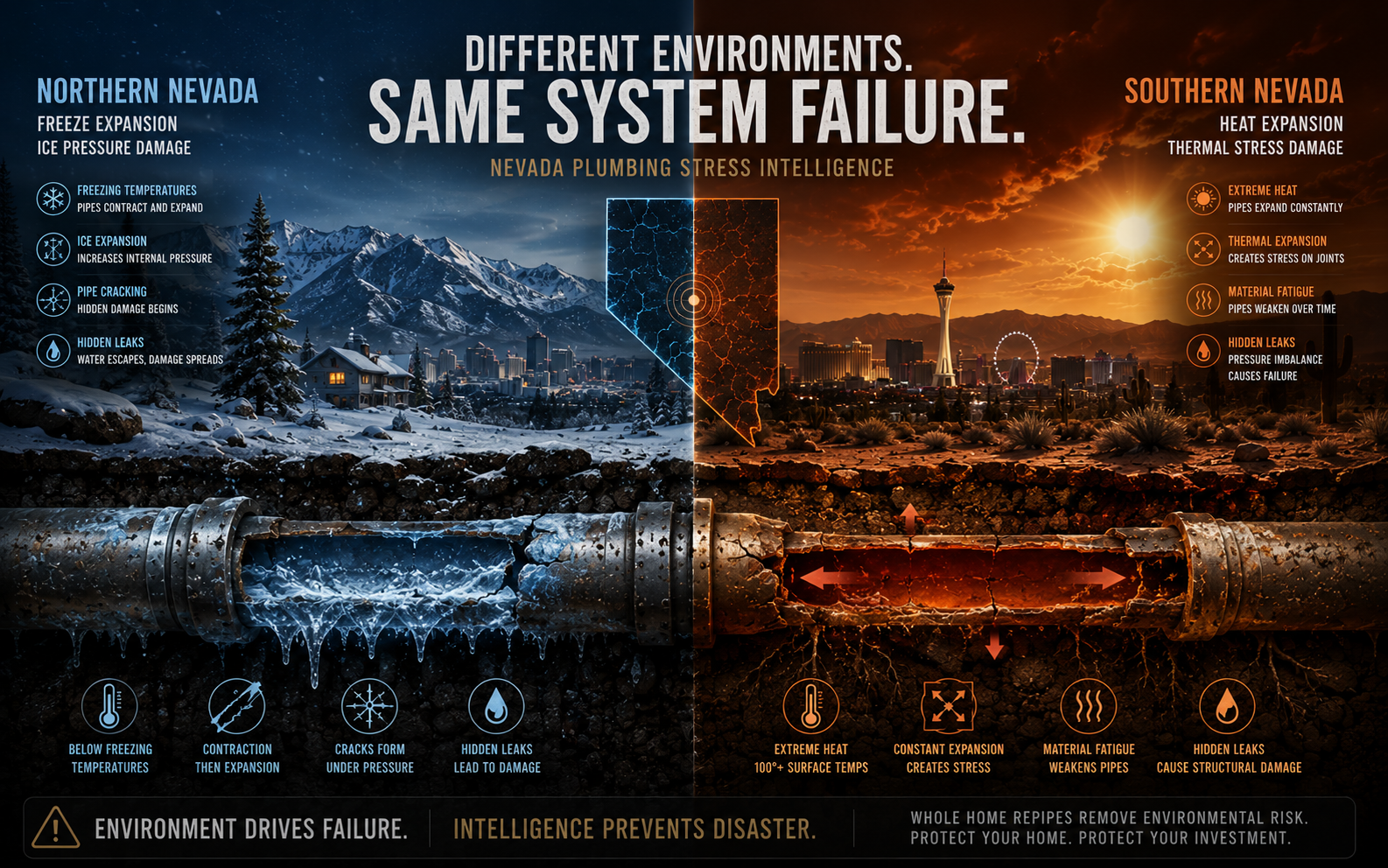
Mixed-material plumbing systems respond differently under freeze pressure and thermal cycling.
Expansion rates vary between components.
Connection points weaken gradually.
Contractors frequently discover hidden vulnerabilities extending well beyond the original service call location once evaluations begin inside older Idaho homes.
Snowpack and Spring Runoff Intensify Underground Stress
Winter does not end quickly across much of Idaho.
Heavy snow accumulation eventually transitions into widespread saturation conditions during spring thaw periods.
Groundwater movement increases substantially underneath residential neighborhoods during runoff season.
Drainage systems absorb additional environmental loading.
Underground plumbing experiences elevated soil pressure throughout the transition.
Small leaks often remain concealed because surrounding soil already contains significant moisture naturally during thaw cycles.
Contractors commonly trace foundation dampness, shifting slabs, and underground pipe instability back to repeated seasonal saturation patterns developing over decades.
Pressure Imbalance Develops Gradually Across Aging Systems
Water pressure problems rarely appear suddenly.
One bathroom fixture may weaken first.
Outdoor irrigation sometimes changes indoor flow behavior.
Upper-story pressure may fluctuate differently than lower-level plumbing systems.
Those small inconsistencies often indicate larger imbalance developing throughout the infrastructure network.
Elevation changes, municipal cycling, mineral restriction, thermal expansion, and aging regulators all contribute to uneven operating pressure across Idaho plumbing systems.
Repeated fluctuation weakens vulnerable fittings continuously.
Older supply lines absorb increasing stress underneath inconsistent operating conditions.
One higher-demand event frequently exposes weaknesses already forming quietly inside the system for years beforehand.
Mountain Terrain and Rural Infrastructure Add Additional Complexity
Idaho plumbing conditions vary dramatically depending on geography.
Mountain communities experience longer freeze exposure.
Rural properties often rely on aging wells and fluctuating groundwater conditions.
Older septic infrastructure introduces additional drainage stress across some regions.
Long supply runs create pressure balancing challenges underneath elevation changes and seasonal demand shifts.
Contractors throughout Idaho frequently encounter environmental plumbing conditions shaped directly by terrain, water source variability, and decades of infrastructure adaptation to difficult operating environments.
No two regions experience identical stress patterns.
Wildfire, Drought, and Weather Extremes Changed Water Conditions
Environmental shifts altered Idaho infrastructure behavior substantially over recent decades.
Drought periods increased irrigation demand and municipal pressure cycling across expanding communities.
Wildfire events changed runoff behavior and soil stability in surrounding regions.
Rapid snowmelt following dry periods intensified erosion and underground saturation movement underneath certain residential corridors.
Residential plumbing systems absorb those environmental changes continuously beneath the surface.
Long-term infrastructure fatigue often reflects years of accumulated environmental adjustment rather than one isolated event.
Crawlspaces, Basements, and Utility Areas Hide Ongoing Deterioration
Many Idaho homes contain plumbing routed through partially exposed environmental spaces.
Basements absorb seasonal condensation.
Crawlspaces experience fluctuating moisture conditions throughout freeze and thaw cycles.
Cold air infiltration creates localized stress around vulnerable supply lines.
Restricted airflow slows drying after minor leaks occur.
Contractors routinely uncover hidden corrosion, insulation collapse, deteriorating supports, microbial growth, and freeze-related cracking underneath homes where environmental exposure remained active for years unnoticed.
Visible damage upstairs usually arrives much later.
Idaho Plumbing Systems Operate Under Constant Mechanical Pressure
Freeze expansion stresses underground pipes every winter.
Mineral exposure narrows interior flow pathways slowly over time.
Agricultural saturation reshapes underground soil behavior.
Pressure cycling weakens fittings gradually throughout aging systems.
Environmental conditions overlap continuously across residential infrastructure statewide.
Understanding those combined forces helps homeowners recognize why Idaho plumbing failures often begin invisibly before escalating into major structural and water damage conditions later.
Most systems deteriorate incrementally.
The environment simply keeps applying pressure until the infrastructure eventually responds.