Why Boise Homes Develop Hidden Pipe Scale Damage
How This Helps Homeowners
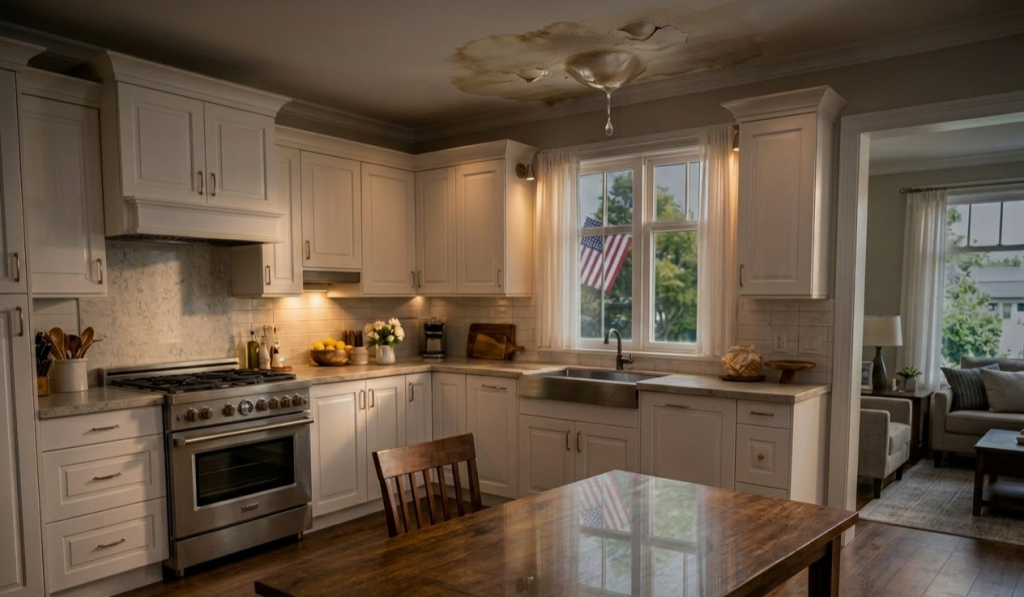
Pipe scale damage rarely appears all at once.
Most Boise homeowners first notice small changes that seem unrelated.
Lower shower pressure.
Longer hot water recovery times.
Uneven fixture flow.
White mineral residue around faucets.
Appliances wearing out earlier than expected.
Hidden scale buildup often develops inside the plumbing system for decades before visible leaks or major failures appear. Understanding how Boise water conditions, regional growth patterns, irrigation infrastructure, seasonal pressure changes, and mineral-heavy groundwater affect residential plumbing helps homeowners identify early warning signs before pipe restriction, pressure imbalance, slab leaks, or expensive repipe conditions escalate further.
Boise Water Built the Valley — and Slowly Reshaped the Pipes
The Treasure Valley exists because of water management.
Early Boise development depended heavily on irrigation expansion and groundwater infrastructure that transformed dry agricultural land into productive residential and farming corridors.
Original homeowners across older Boise neighborhoods experienced a much smaller city with lower fixture demand, simpler plumbing systems, and lighter year-round water usage patterns.
Modern Boise operates differently.
Population growth expanded municipal demand dramatically.
Large subdivisions spread across Meridian, Eagle, Kuna, and western Ada County while thousands of additional homes connected into aging infrastructure systems originally developed decades earlier.
Mineral-heavy water continued flowing through all of it.
Pipe interiors absorbed those conditions slowly over time.
Hard Water Quietly Changes Plumbing From the Inside
Scale buildup begins microscopically.
Minerals attach to pipe walls gradually as hard water repeatedly moves through the plumbing system year after year.
Calcium and magnesium deposits harden inside supply lines over time.
Interior pipe diameter slowly narrows.
Water flow becomes more restricted across different areas of the house.
Hot water systems experience the worst accumulation because elevated temperatures accelerate mineral separation inside water heaters and circulating plumbing components.
Contractors throughout Boise frequently cut open older pipes and discover thick internal scale buildup reducing flow dramatically beneath otherwise normal-looking plumbing systems.
Many homeowners remain unaware because the deterioration develops slowly enough to feel gradual rather than sudden.
Older Boise Neighborhoods Commonly Show Layered Scale Conditions
Hidden mineral buildup often reflects the construction era of the home itself.
Older Boise properties frequently contain aging copper or galvanized supply systems exposed to decades of mineral-heavy water conditions.
Some neighborhoods built during earlier growth periods now carry multiple generations of plumbing modifications layered together over time.
Partial upgrades complicate the system further.
Newer fixtures connect into older restricted piping.
Modern appliances operate against inconsistent flow conditions.
Pressure imbalance develops between newer and aging sections of the plumbing network.
Contractors regularly encounter homes where visible plumbing updates conceal heavily scaled infrastructure still operating underneath walls, slabs, and crawlspaces.
One fixture problem often reveals a much broader restriction issue already spreading across the entire system.
Water Heaters Become Mineral Collection Points
Scale accumulation heavily impacts Boise water heaters.
Sediment settles continuously at the bottom of storage tanks under hard water exposure.
Thermal efficiency decreases gradually.
Recovery times become longer.
Heating elements absorb additional stress underneath mineral insulation buildup.
Rumblings and popping noises commonly develop as trapped water interacts with hardened sediment layers inside the tank.
Older homeowners across the Treasure Valley often interpreted those sounds as ordinary aging rather than active mineral accumulation damaging the system internally.
Contractors now routinely identify scale-heavy water heaters operating far beyond optimal efficiency conditions throughout Boise-area homes.
Performance decline usually accelerates before visible leakage begins.
Pressure Changes Intensify Scale-Related Stress
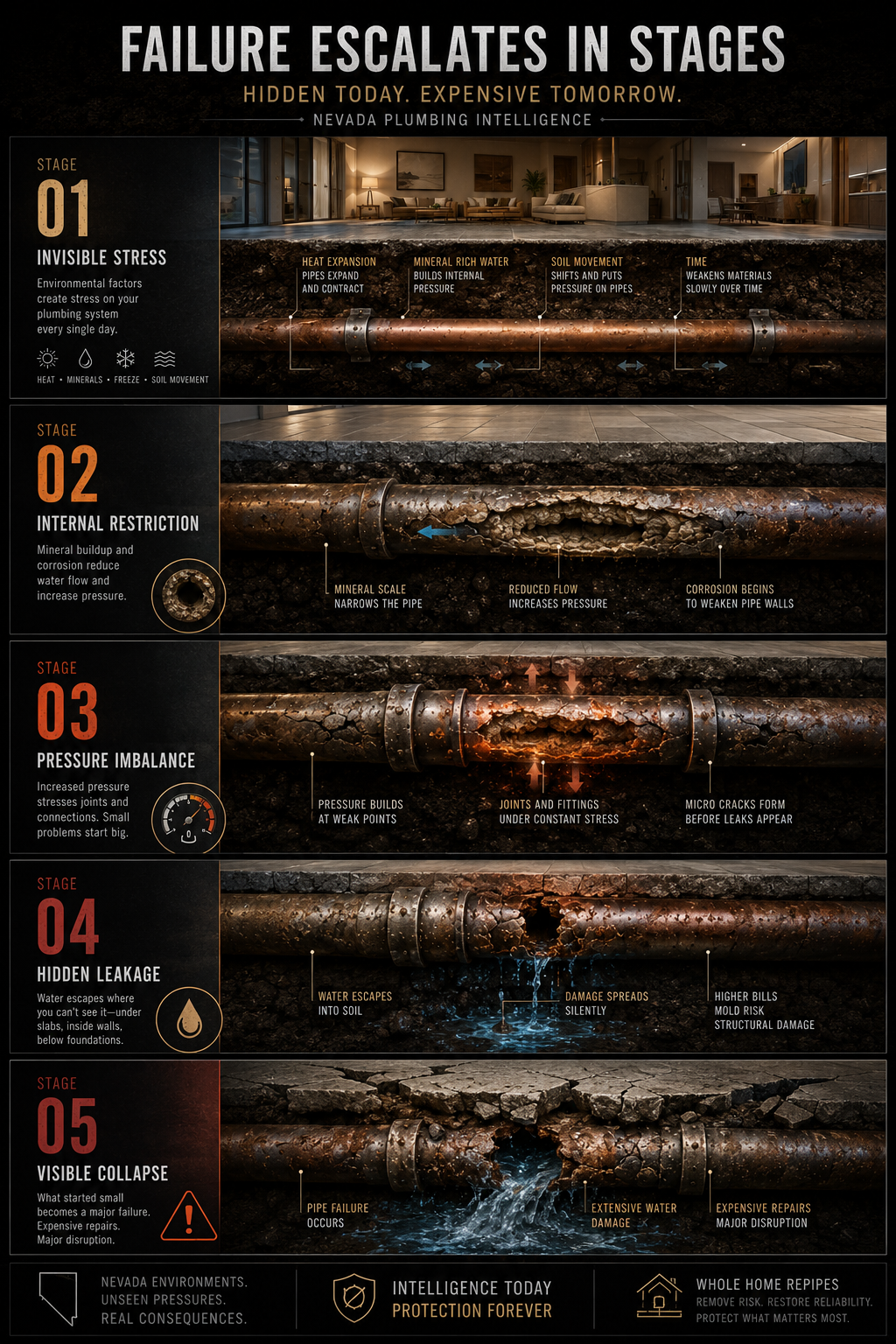
Mineral restriction affects more than simple water flow.
Pressure behavior changes throughout the plumbing system once pipe interiors narrow unevenly.
Some fixtures lose volume gradually.
Other sections absorb higher localized pressure due to restricted pathways elsewhere in the network.
Pressure regulators work harder under those conditions.
Valves experience additional strain.
Supply lines weakened by years of mineral exposure become increasingly vulnerable to pinhole leaks and fitting fatigue.
Repeated cycling compounds the stress quietly underneath the surface.
One higher-demand event often exposes weaknesses already developing inside scaled plumbing systems for years beforehand.
Contractors Frequently Discover Hidden Damage During Repipe Evaluations
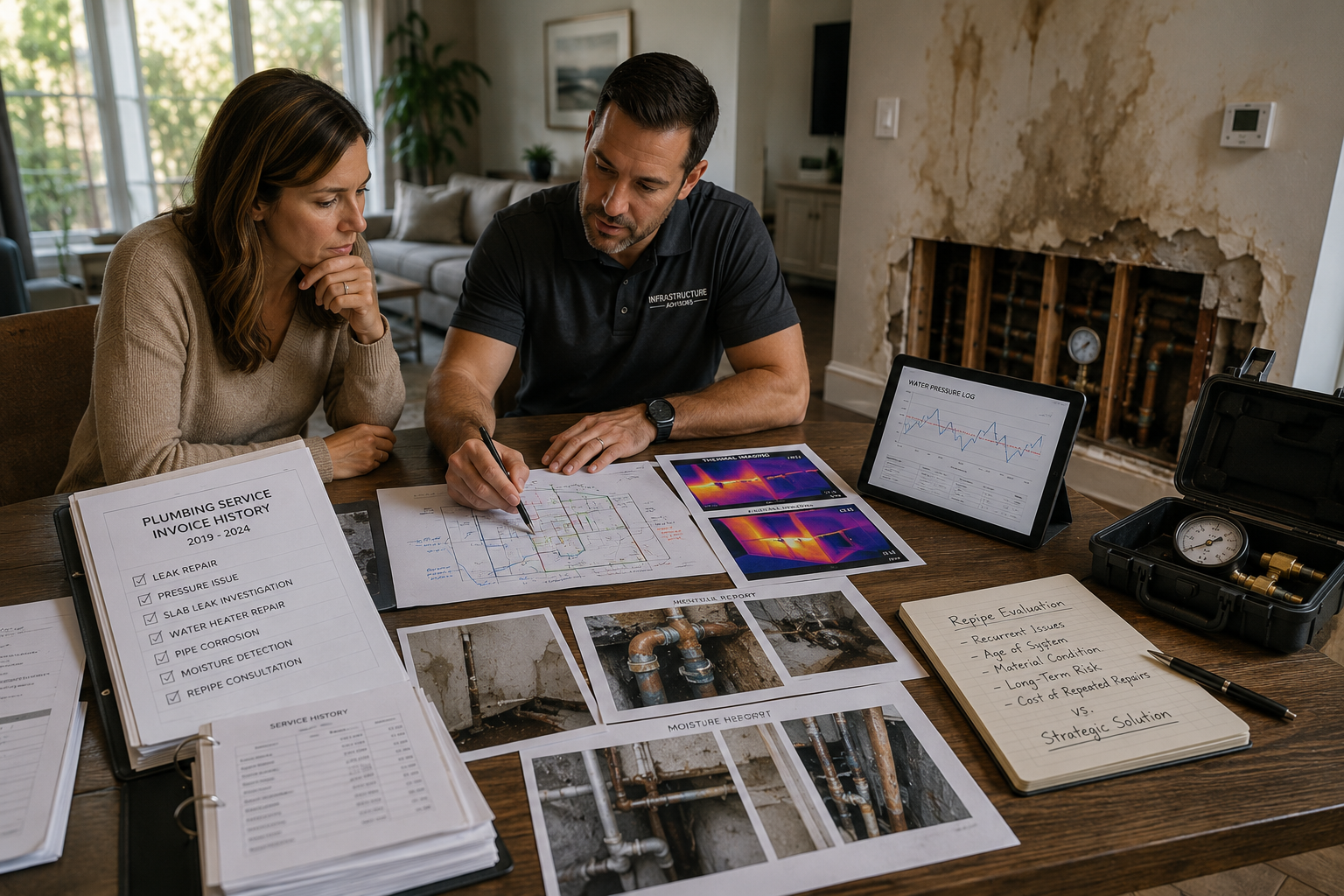
Boise plumbing contractors regularly encounter hidden deterioration patterns tied directly to long-term mineral buildup.
Pipe interiors sometimes resemble hardened stone channels instead of smooth copper or galvanized surfaces.
Flow restriction often appears uneven throughout the structure.
Kitchen lines may behave differently than bathroom branches.
Upper-story fixtures sometimes show entirely different pressure characteristics than lower-level plumbing systems.
Homeowners usually adapt slowly to those changes over time.
Reduced performance begins feeling normal.
Contractors often hear the same phrase during evaluations:
“We thought the pressure had always been like that.”
Hidden scale damage frequently remains active for decades before the broader system condition becomes fully visible.
Irrigation and Outdoor Demand Add Additional Pressure
Boise homes commonly operate under significant outdoor water demand during warmer seasons.
Large lawns, irrigation systems, gardens, and landscaping zones increase overall plumbing system usage across the Treasure Valley.
Higher flow demand exposes scale-related restrictions faster.
Pressure fluctuation increases during peak irrigation periods.
Older pipes already narrowed internally struggle to maintain balanced flow throughout the structure once outdoor usage intensifies.
Seasonal demand shifts sometimes reveal hidden weaknesses homeowners never noticed during lower-demand winter periods.
Contractors frequently diagnose plumbing imbalance issues during irrigation season when mineral restriction becomes more obvious across the broader system.
Freeze Cycles Compound Existing Restriction Problems
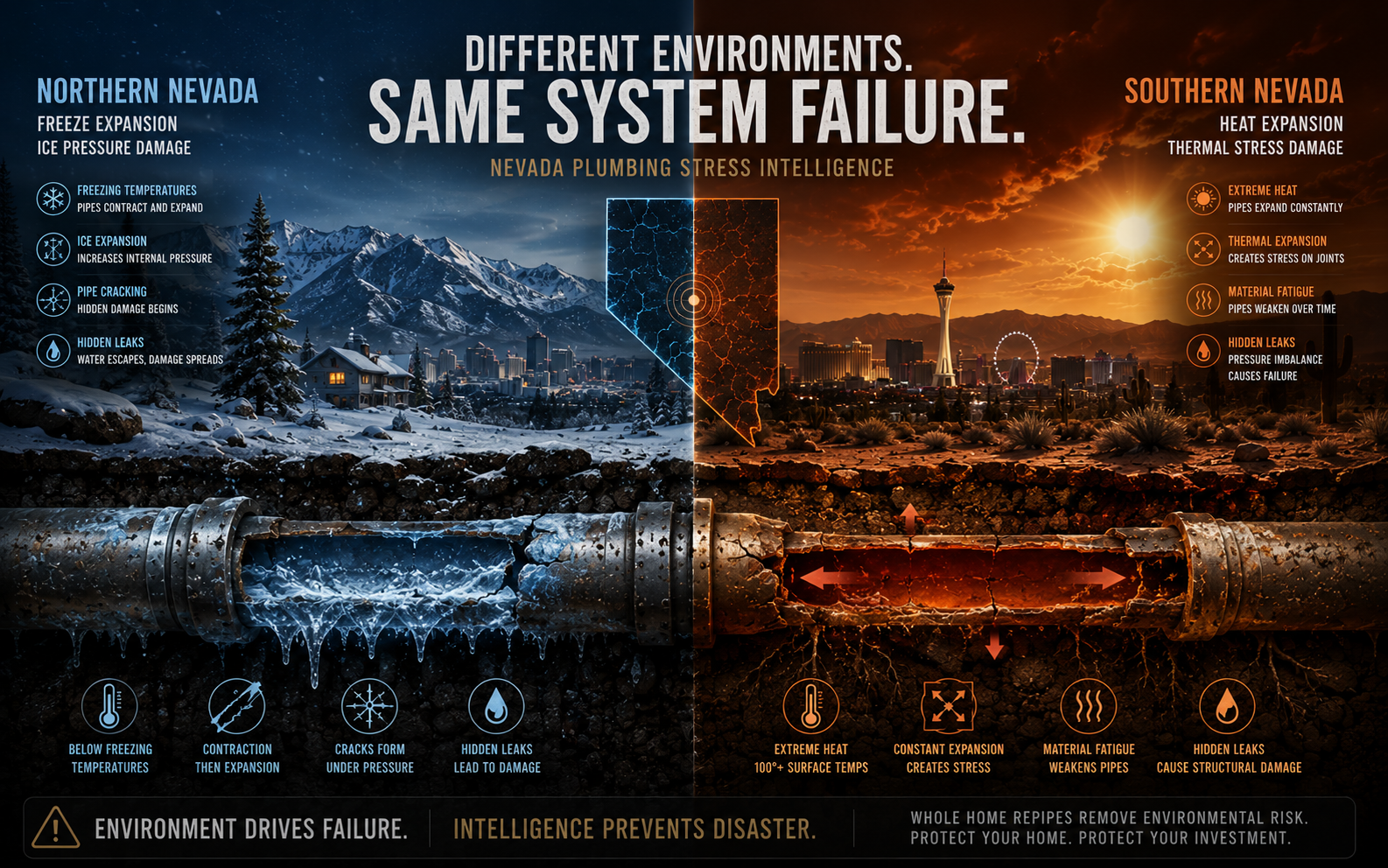
Winter conditions create another layer of stress.
Water expands differently inside partially restricted pipes during freezing conditions.
Scale-heavy sections become more vulnerable because internal buildup alters flow dynamics and structural flexibility inside the line itself.
Pressure concentrates unevenly around narrowed areas.
Older fittings absorb additional strain during freeze-thaw movement.
Small fractures may begin forming quietly around already compromised sections of the plumbing network.
Contractors across Boise often uncover freeze-related failures developing directly adjacent to heavily scaled pipe interiors.
Mineral buildup rarely operates alone.
Environmental pressure compounds the deterioration over time.
Appliance Wear Accelerates Under Hard Water Exposure
Dishwashers, washing machines, ice makers, and fixture cartridges all experience increased wear underneath sustained mineral-heavy water conditions.
Scale accumulation reduces efficiency inside appliance supply components.
Heating systems absorb additional operating stress.
Internal seals degrade faster.
Water flow inconsistency places more strain on moving mechanical parts throughout the home.
Homeowners frequently replace fixtures and appliances repeatedly without realizing the broader plumbing system itself continues feeding mineral-heavy conditions into every connected component.
The appliance failure often becomes the symptom rather than the root problem.
Boise Homes Develop Scale Damage Gradually — Not Suddenly
Pipe scale damage usually develops through accumulation rather than catastrophe.
Hard water interacts continuously with pressure, temperature, seasonal demand, aging infrastructure, and regional growth conditions throughout the Treasure Valley.
Mineral buildup narrows flow pathways slowly.
System imbalance spreads quietly.
Hidden stress expands underneath walls and slabs long before visible leaks finally emerge.
Understanding those patterns helps homeowners recognize why Boise plumbing systems often lose performance gradually before larger failures eventually appear.
Most pipe scale damage begins invisibly.
The system simply keeps adapting until it no longer can.