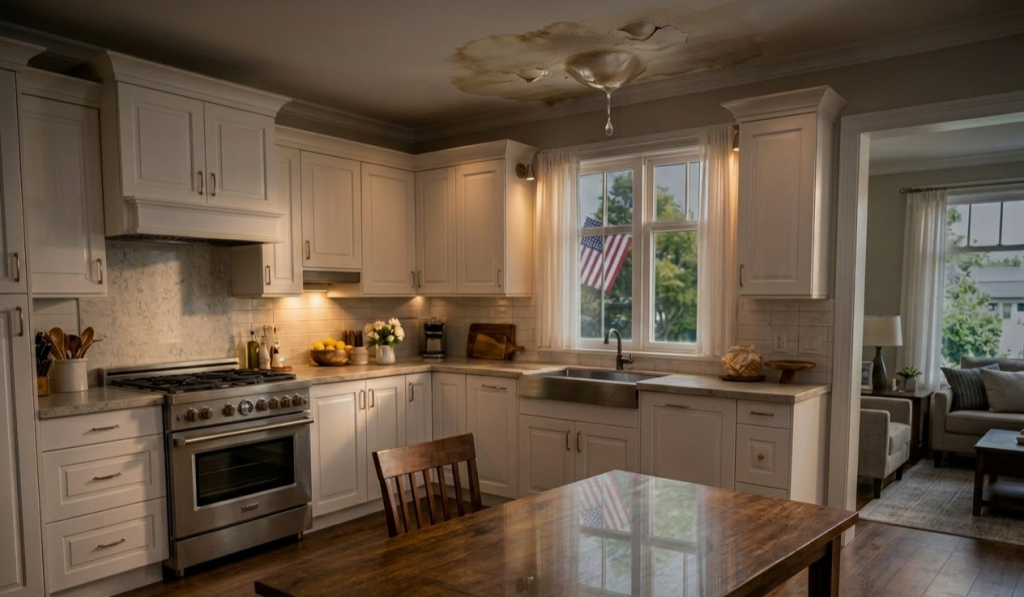
Hawaii Plumbing Systems Under Salt Air and Humidity Pressure
Hawaii homeowners benefit from understanding how island climate conditions slowly reshape plumbing performance beneath the surface over time. Across the Hawaiian Islands, environmental exposure does not arrive through one catastrophic event. Damage usually develops through constant atmospheric pressure on the system itself. Salt air, warm moisture, underground saturation, volcanic terrain instability, and year-round humidity exposure gradually weaken plumbing infrastructure long before visible warning signs appear. Early awareness helps reduce hidden corrosion, moisture migration, slab leak escalation, structural deterioration, and expensive emergency repair conditions tied to tropical environments.
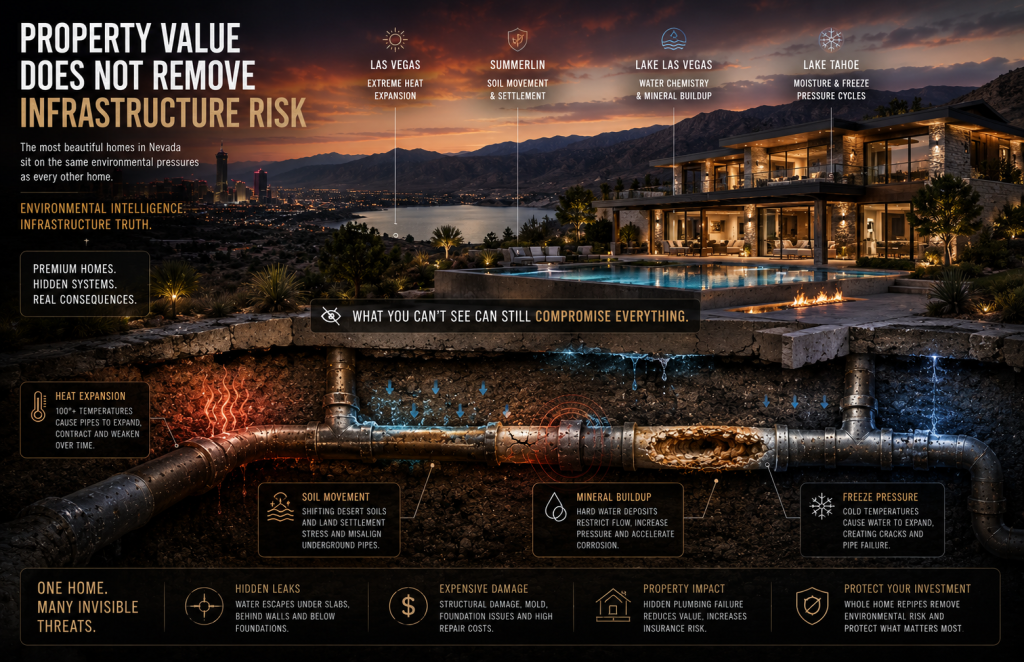
Hawaii Creates a Permanent Exposure Environment
Most mainland plumbing systems experience recovery periods.
Hawaii rarely does.
Environmental moisture remains active throughout the year across much of the state. Ocean air continuously carries salt particles and humidity through neighborhoods, utility corridors, crawlspaces, attics, garages, and wall cavities regardless of whether rainfall is occurring at the moment.
Mechanical systems absorb that exposure daily.
Pipe surfaces remain damp longer.
Metal components experience continuous oxidation pressure underneath enclosed structural spaces.
Small vulnerabilities accumulate slowly under those conditions because the environment itself constantly interacts with the plumbing system.
Time becomes a force multiplier.
Minor deterioration compounds quietly underneath the home for years before visible symptoms finally emerge.
Salt Air Attacks Plumbing From the Outside In
Corrosion does not always begin inside the pipe.
Coastal environments often initiate deterioration externally first.
Microscopic salt particles settle onto exposed plumbing infrastructure across the islands continuously. Valves, pipe supports, hose bibs, shutoff assemblies, fasteners, water heater fittings, and exposed utility penetrations all experience ongoing atmospheric corrosion exposure.
Protective finishes degrade earlier.
Connection points weaken gradually.
Exterior oxidation slowly penetrates deeper into vulnerable metal surfaces over time.
Copper lines may appear stable visually while hidden wall thinning develops underneath environmental stress conditions.
Steel hardware often deteriorates faster around joints and mounting locations where moisture remains trapped longer.
Surface rust frequently represents only a small portion of the broader system deterioration already underway.
Humidity Changes How Hidden Leaks Behave
Tropical moisture alters leak detection completely.
Dry climates expose plumbing failures faster because environmental contrast makes water intrusion easier to identify.
Hawaii behaves differently.
Condensation already exists naturally throughout many structures.
Damp surfaces feel less unusual.
Minor moisture exposure blends into surrounding humidity conditions inside enclosed areas of the home.
That delay changes damage progression.
Cabinet swelling may develop gradually.
Subfloor saturation sometimes expands unnoticed underneath finished flooring systems.
Wall cavities retain moisture longer after small leaks begin because drying cycles remain limited in tropical environments.
Mold conditions frequently emerge after extended hidden exposure rather than one isolated plumbing event.
Underground Infrastructure Faces Constant Geological Stress
Island terrain introduces another layer of pressure underneath residential plumbing systems.
Volcanic soil movement behaves differently than traditional mainland ground conditions.
Settlement patterns shift gradually through erosion, moisture saturation, lava-based geology, and changing subsurface stability conditions across different parts of Hawaii.
Buried pipes absorb those forces continuously.
Alignment changes over time.
Directional fittings experience repeated stress underneath slabs and landscaping.
Connection points weaken slowly under ongoing movement pressure.
Small underground leaks can remain concealed for long periods because saturated surrounding soil disperses escaping water before obvious surface symptoms appear.
Pressure irregularities often become the first detectable warning sign.
Structural moisture usually arrives later.
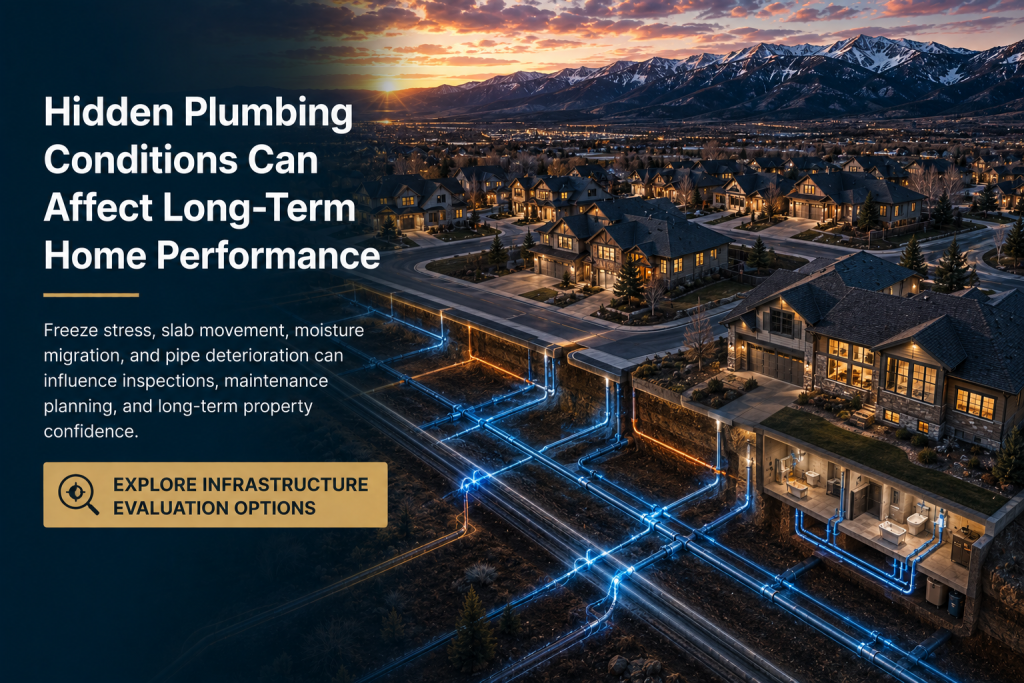
Warm Temperatures Accelerate Material Fatigue
Heat exposure changes plumbing behavior across tropical environments.
Expansion cycles remain active throughout the year.
Thermal movement repeatedly stresses joints, fittings, seals, and transition points as water temperatures and environmental conditions fluctuate daily.
Pipe materials expand differently depending on age and composition.
Mixed-material systems often experience uneven stress distribution underneath sustained thermal exposure.
Rubber components degrade faster in warm humid environments.
Seal integrity weakens gradually after years of continuous expansion and contraction cycles.
Mechanical fatigue spreads quietly across the system long before visible leakage begins.
Pressure Instability Quietly Escalates Weaknesses
Water pressure problems rarely operate alone in Hawaii.
Environmental exposure amplifies every fluctuation.
Elevation differences across island terrain create changing municipal pressure conditions between neighborhoods and structures. Aging regulators, thermal expansion, irrigation demand, and infrastructure inconsistency further increase system stress.
Repeated cycling fatigues vulnerable plumbing components over time.
Older copper lines become thinner.
Valve assemblies lose reliability.
Supply connections absorb additional strain underneath unstable operating conditions.
One higher-pressure event often exposes weaknesses that had already been developing quietly for years underneath the surface.
Drainage Systems Remain Under Constant Moisture Pressure
Wastewater infrastructure also operates inside an aggressive environmental cycle statewide.
Warm saturated soil increases biological activity around underground drain systems.
Root intrusion expands rapidly in moisture-rich conditions.
Organic buildup develops faster under elevated humidity and year-round heat exposure.
Slow drainage patterns may appear intermittent initially.
Backups often develop gradually before becoming severe enough to identify clearly.
Exterior groundwater pressure can also impact underground sewer alignment and long-term pipe stability beneath the property.
Continuous saturation weakens surrounding support conditions over time.
Older Homes Carry Layered Infrastructure Conditions
Many Hawaii homes contain plumbing systems installed during entirely different construction eras.
Legacy materials now operate inside decades of accumulated environmental exposure.
Galvanized piping frequently experiences internal restriction alongside exterior corrosion.
Aging copper systems may develop pinhole leak vulnerability after years of mineral interaction, salt exposure, and pressure cycling.
Partial repairs sometimes create additional stress points where old and new materials respond differently under tropical operating conditions.
Mechanical reliability becomes inconsistent across the broader system.
Visible leaks often appear only after multiple hidden vulnerabilities have already developed simultaneously.
Moisture Migration Creates Broader Structural Consequences
Water damage rarely remains isolated in tropical environments.
Humidity accelerates spread patterns once leaks begin.
Moisture travels into framing systems, insulation, drywall, cabinetry, flooring assemblies, and electrical penetrations underneath enclosed structural spaces.
Drying becomes slower after exposure occurs.
Organic materials retain moisture longer across island climates.
Secondary deterioration may continue quietly even after surface repairs appear complete.
Structural weakening often develops underneath finished materials while visible symptoms remain limited.
Long-term environmental exposure changes the entire recovery timeline after plumbing failures occur.
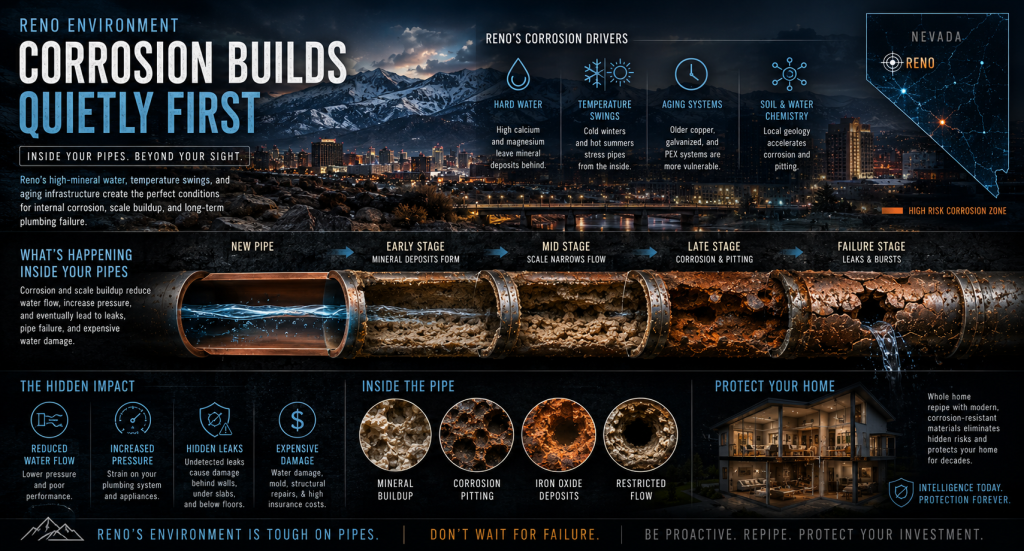
Hawaii Plumbing Systems Experience Continuous Environmental Loading
Island plumbing infrastructure faces overlapping stress conditions every day.
Salt exposure accelerates corrosion.
Humidity extends moisture retention.
Volcanic terrain increases underground instability.
Thermal expansion compounds material fatigue.
Pressure cycling escalates hidden vulnerabilities already developing inside the system.
Understanding those combined forces helps homeowners recognize why plumbing failures across Hawaii often emerge slowly before suddenly becoming highly destructive.
Most island plumbing problems begin quietly.
Environmental pressure simply continues building until the structure finally reacts.