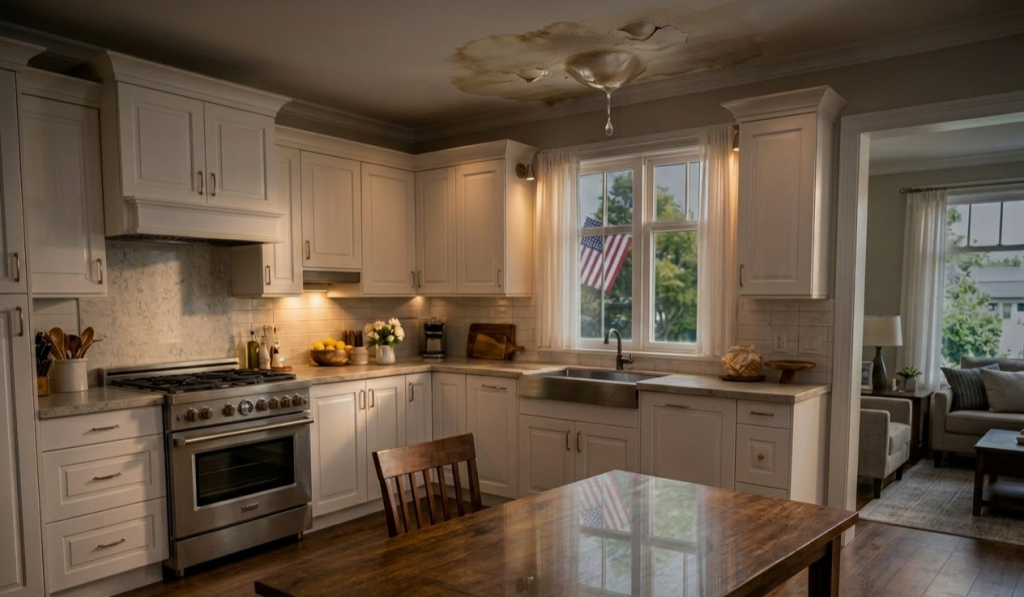
Little Rock Slab Leak Conditions Growing Across Arkansas Neighborhoods
How This Helps Little Rock Homeowners
Most slab leaks in Little Rock do not begin with a sudden break.
They begin with pressure building underneath the home.
Soil expanding and contracting.
Moisture saturating the ground.
Pipes shifting slightly over time.
By the time water becomes visible, the system has often been under stress for years.
Understanding Little Rock’s slab leak environment helps homeowners:
- recognize early-stage slab stress before leaks surface
- understand why underground pipes fail in repeating patterns
- identify how soil movement and moisture affect plumbing systems
- avoid repeated slab leak repairs that do not fix root conditions
- see why some neighborhoods experience more failures than others
- make better long-term decisions about rerouting, stabilization, or full-system upgrades
The goal is not to react to slab leaks.
The goal is to understand why they are forming beneath the structure.
Because in Little Rock, slab leaks are usually environmental system failures.
Not isolated plumbing issues.
Modeled from the national framework at Plumbing Whole Home Repipe Home Failure Intelligence.

Little Rock Is A Soil Movement + Moisture Environment
Little Rock plumbing systems operate inside a layered environment where soil and moisture interact continuously.
This environment includes:
- clay-heavy soil conditions
- frequent rainfall and saturation cycles
- humidity-driven ground moisture retention
- seasonal expansion and contraction
- mixed-age housing infrastructure
- slab-on-grade construction in many neighborhoods
These forces act underneath the home.
Often without visible signs.
The plumbing system is reacting to what the ground is doing.
Expansive Clay Soil Drives Slab Stress
Large portions of the Little Rock area contain clay-rich soils.
These soils behave dynamically:
- they expand when wet
- they contract when dry
This creates movement beneath slab foundations.
That movement transfers stress into:
- underground water lines
- sewer systems
- slab penetrations
- connection points
Over time, this leads to:
- pipe misalignment
- joint separation
- stress fractures
- eventual slab leaks
The pipe is not failing on its own.
It is responding to ground movement.
Moisture Saturation Extends Underground Pressure
Frequent rainfall and humidity keep soil conditions active.
Especially around foundations.
Saturated soil creates:
- continuous pressure against underground piping
- reduced soil stability
- increased friction around pipe surfaces
- prolonged moisture exposure
This environment accelerates:
- material weakening
- corrosion (especially in older systems)
- joint deterioration
Moisture allows damage to spread and remain hidden longer.
Slab Construction Hides Early Damage
Many Little Rock homes are built on slab foundations.
This places plumbing systems beneath the structure.
Which creates:
- limited visibility
- delayed detection
- hidden failure zones
- lateral water movement beneath the slab
When a leak begins:
- water spreads under the slab
- symptoms appear away from the origin
- damage expands before detection
This is why slab leaks often seem to appear suddenly.
Temperature Changes Add Secondary Stress
While not extreme like desert climates, Little Rock still experiences temperature variation.
Which contributes to:
- minor expansion and contraction in pipes
- additional stress at weak points
- interaction with soil movement cycles
When combined with moisture and clay soil, even moderate temperature shifts add to overall system pressure.
Aging Infrastructure Increases Vulnerability
Many Little Rock neighborhoods include homes with older plumbing systems.
Often including:
- copper supply lines
- cast iron drain systems
- mixed repair materials
- partial upgrades over time
As systems age:
- materials weaken
- connections degrade
- repair layering introduces inconsistencies
When environmental pressure is applied to an aging system, failure probability increases.
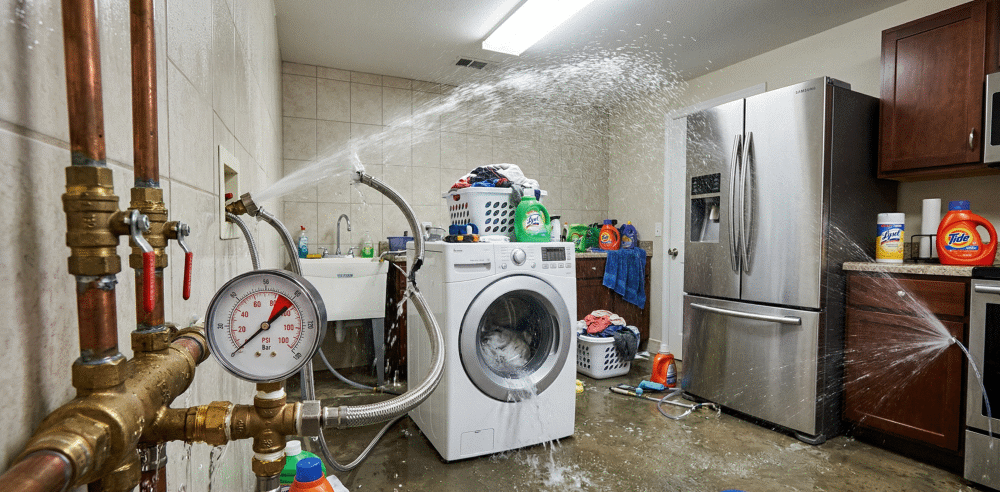
Why Slab Leaks Often Repeat
Many homeowners repair slab leaks at the visible failure point.
But the surrounding conditions remain:
- soil continues moving
- moisture conditions persist
- system-wide stress remains
This leads to:
- new leaks in adjacent areas
- repeated slab failures
- expanding repair zones
- increasing long-term cost
The system was patched.
Not stabilized.
Early Warning Signs In Little Rock Homes
Some slab leak conditions show early indicators.
Including:
- warm spots on floors
- unexplained water bill increases
- damp flooring or carpet edges
- sounds of running water
- minor foundation cracks
- reduced water pressure
These signs often appear before major failure.
But are frequently overlooked.
Why Failures Feel Sudden
Most slab leaks in Little Rock feel immediate.
But the system followed a progression:
- soil expansion and contraction
- moisture saturation
- underground pressure buildup
- material fatigue
- localized failure
- visible leak
The final stage is visible.
The buildup is hidden.
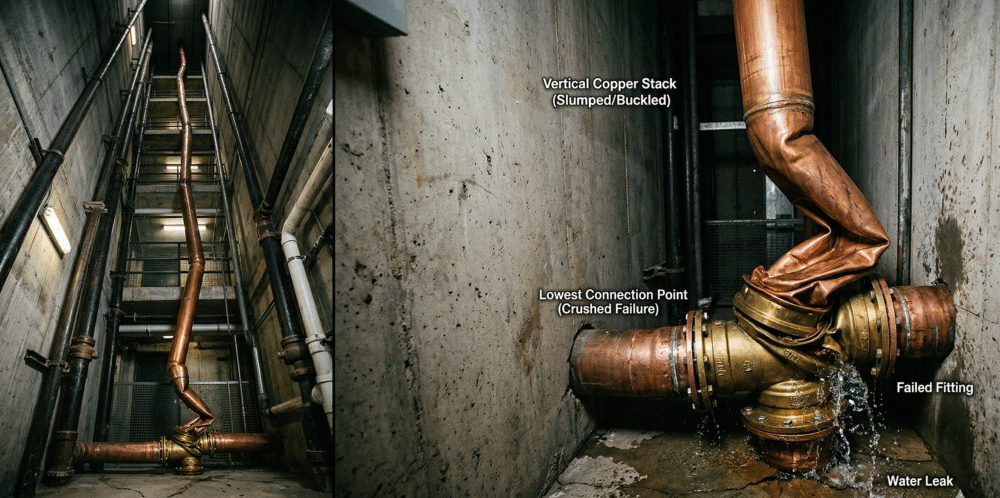
Human-System Acceleration Factors
Environmental pressure sets the baseline.
Human decisions influence how quickly failure develops.
Common factors include:
- delaying repair after early warning signs
- repeated spot fixes
- ignoring drainage issues
- improper material upgrades
- lack of system evaluation
- DIY modifications
In Little Rock, ground conditions continue acting whether addressed or not.
Final Positioning Statement
Little Rock slab leaks develop where soil movement, moisture saturation, and aging infrastructure overlap.
That pressure builds through:
- clay expansion and contraction
- saturated soil conditions
- hidden underground stress
- slab construction
- system aging
- delayed detection
The visible leak is only the final stage.
The real system stress builds underneath the home over time.
Understanding Little Rock’s slab leak environment helps homeowners recognize risk earlier, reduce repeat failures, and make better long-term decisions about their home’s plumbing system.