Why Little Rock Homes Experience Underground Pipe Movement
How This Helps Little Rock Homeowners
Most underground pipe problems in Little Rock do not begin with a break.
They begin with movement.
Soil shifting beneath the home.
Moisture changing ground conditions.
Pipes slowly losing alignment over time.
By the time a leak, backup, or slab issue appears, the system has often been moving for years.
Understanding underground pipe movement helps homeowners:
- recognize early-stage movement before pipes separate or crack
- understand why sewer and water line problems repeat
- identify how soil and moisture affect buried plumbing
- avoid repairs that fix symptoms but not alignment issues
- see why some homes experience recurring underground failures
- make better long-term decisions about stabilization vs replacement
The goal is not to react to pipe failure.
The goal is to understand why the system is shifting.
Because in Little Rock, underground movement is often the root condition.
Not the result.
Modeled from the national framework at Plumbing Whole Home Repipe Home Failure Intelligence.

Little Rock Is A Soil Movement-Driven Environment
Little Rock plumbing systems operate inside an active soil environment.
The ground beneath the home is not static.
It expands.
It contracts.
It shifts with moisture conditions.
This environment includes:
- clay-heavy soils
- seasonal rainfall patterns
- humidity-driven moisture retention
- drainage variability across neighborhoods
- mixed topography and elevation
These conditions create continuous movement beneath buried plumbing systems.
Clay Soil Expansion And Contraction Drives Movement
Clay soils behave differently than stable soil types.
They respond directly to moisture.
When wet:
- soil expands
- pressure increases against pipes
When dry:
- soil contracts
- gaps form around piping
This creates repeated cycles of:
- expansion
- contraction
- shifting pressure
Over time, this leads to:
- pipe displacement
- joint stress
- gradual misalignment
The system is constantly adjusting to the ground.
Moisture Saturation Changes Soil Stability
Little Rock experiences frequent rainfall and high humidity.
This keeps soil conditions active.
Saturated soil can:
- reduce structural stability
- increase pressure on buried pipes
- create uneven load distribution
- soften support around piping
As water moves through soil:
- it redistributes pressure
- it shifts support points
- it alters how pipes are held in place
This leads to gradual movement.
Even without visible surface change.
Underground Pipes Are Not Rigid Systems
Many homeowners assume underground plumbing is fixed in place.
It is not.
Pipes rely on surrounding soil for support.
When that soil moves, the pipe moves with it.
This creates:
- slight shifts in alignment
- stress at connection points
- increased load at weak sections
Over time, these small movements accumulate.
Leading to:
- joint separation
- cracks
- bellies in sewer lines
- flow restriction
Movement is often slow.
But constant.
Sewer Lines Are Especially Vulnerable
Gravity-driven sewer systems are highly sensitive to alignment.
Even minor movement can create:
- low spots (bellies)
- back-pitch conditions
- standing water in pipes
- increased debris buildup
This leads to:
- recurring clogs
- slow drainage
- backups during heavy use or rain
- repeated cleaning without resolution
The issue is not blockage alone.
It is structural misalignment.
Slab Foundations Transfer Movement Into Plumbing
Many Little Rock homes are built on slab foundations.
This creates a direct relationship between:
- foundation movement
- underground piping
- connection points
When soil shifts:
- slabs can move slightly
- pipes attached to the slab experience stress
- penetration points become vulnerable
This leads to:
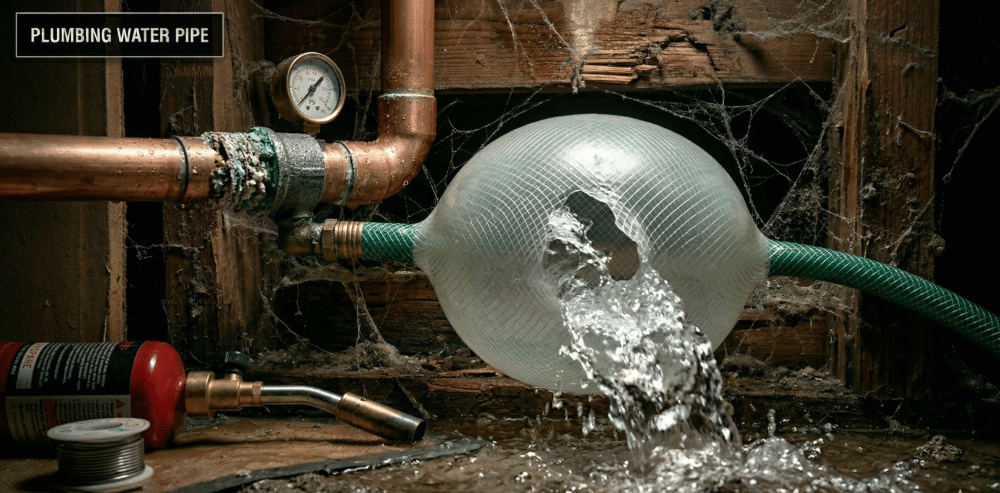
- slab leaks
- pipe cracking at entry points
- stress fractures near the foundation
Movement is transferred from soil to structure to plumbing.
Aging Systems Amplify Movement Effects
Older plumbing systems are less flexible.
They are more vulnerable to movement.
Especially:
- cast iron drains
- older clay sewer lines
- rigid copper systems
- mixed-material repairs
As materials age:
- they become brittle
- they lose tolerance for stress
- they fail more easily under movement
This increases failure probability in older neighborhoods.
Why Problems Often Repeat
Many homeowners repair symptoms:
- clearing a clog
- fixing a leak
- patching a section
But movement continues.
So the system continues shifting.
This leads to:
- recurring issues
- new failures near previous repairs
- expanding problem areas
- increasing repair frequency
The system was corrected locally.
But not stabilized structurally.
Early Warning Signs Of Underground Movement
Some systems show indicators before major failure.
Including:
- recurring sewer clogs
- slow drains across multiple fixtures
- gurgling sounds in plumbing
- wet areas in yard without clear source
- cracks in slab or foundation
- inconsistent drainage performance
These signs often point to alignment issues.
Not isolated problems.
Why Movement-Driven Failures Feel Sudden
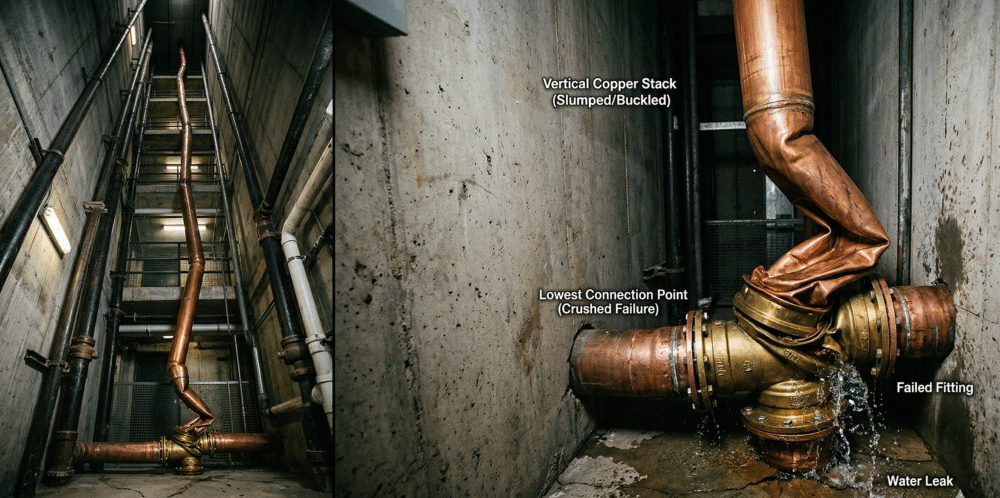
Most homeowners experience failures without warning.
But the system followed a progression:
- soil expansion and contraction
- moisture saturation
- gradual pipe displacement
- stress at joints and connections
- structural weakening
- visible failure
The final stage is visible.
The process is hidden.
Human-System Acceleration Factors
Environmental pressure drives movement.
Human decisions influence how quickly it becomes a problem.
Common factors include:
- ignoring early warning signs
- delaying inspection of sewer systems
- repeated spot repairs
- poor drainage management
- improper backfill during repairs
- lack of system evaluation
In Little Rock, soil movement continues daily.
Delay allows displacement to increase.
Final Positioning Statement
Little Rock homes experience underground pipe movement where soil conditions, moisture, and system age overlap.
That movement develops through:
- clay expansion and contraction
- saturated soil conditions
- shifting underground support
- slab interaction
- aging materials
- delayed detection
The visible plumbing problem is only the final stage.
The real system change begins underground over time.
Understanding pipe movement in Little Rock helps homeowners recognize risk earlier, reduce repeat failures, and make better long-term decisions about stabilizing their home’s plumbing system.