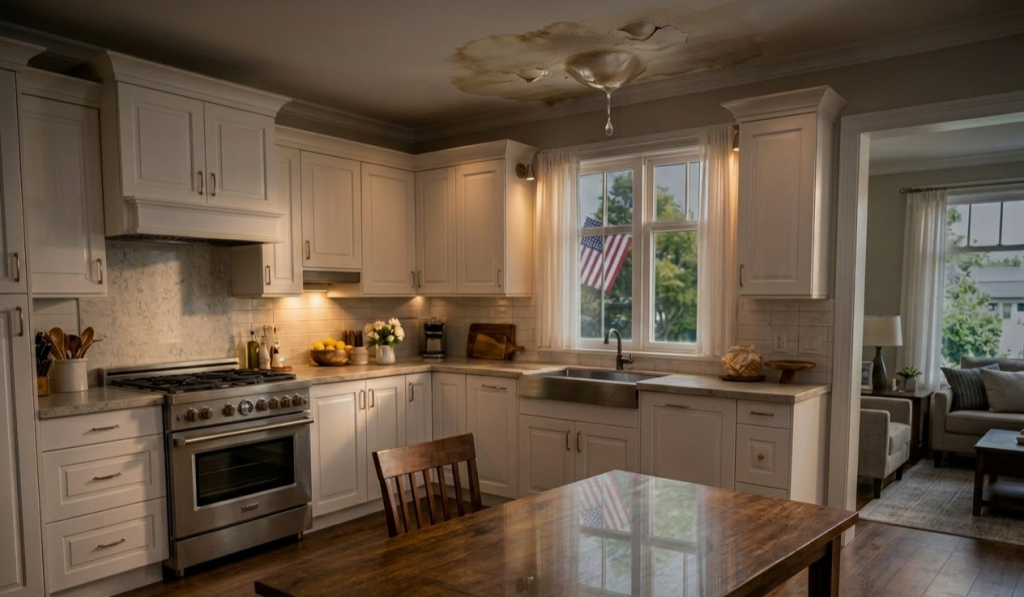
sinkholeSF10 — Urban Void Events: Emergency Protocol Breakdown
Command Disruption at Arrival
Initial report suggests structural instability.
Standard protocol activates.
Establish perimeter. Size up. Prepare access.
Then conditions change.
Ground movement is detected under apparatus approach.
Surface integrity cannot be confirmed.
At this point, protocol begins to break.
Not from error.
From environment.
Event Escalation Timeline
Phase 1: Infrastructure Failure (Unseen Initiation)
Aging sewer line loses integrity under pressure.
Heavy rain increases system load and internal flow.
Water exits containment into surrounding soil.
Failure begins below detection.
Phase 2: Subsurface Erosion (Hidden Expansion)
Water movement displaces soil rapidly.
Load-bearing capacity decreases unevenly.
Void begins forming beneath the structure and adjacent ground.
Surface appears mostly intact.
Phase 3: Load Transfer Instability (Critical Threshold)
Structural weight shifts onto unsupported sections.
Stress concentrates without visible warning.
Ground is holding, but no longer supporting.
Phase 4: Sudden Collapse (System Release)
Surface fails instantly.
Structure drops into the void.
No progressive warning phase.
Failure completes in seconds.
Phase 5: Dynamic Void Growth (Post-Failure Instability)
Erosion continues after collapse.
Void expands beyond initial footprint.
Perimeter ground degrades in real time.
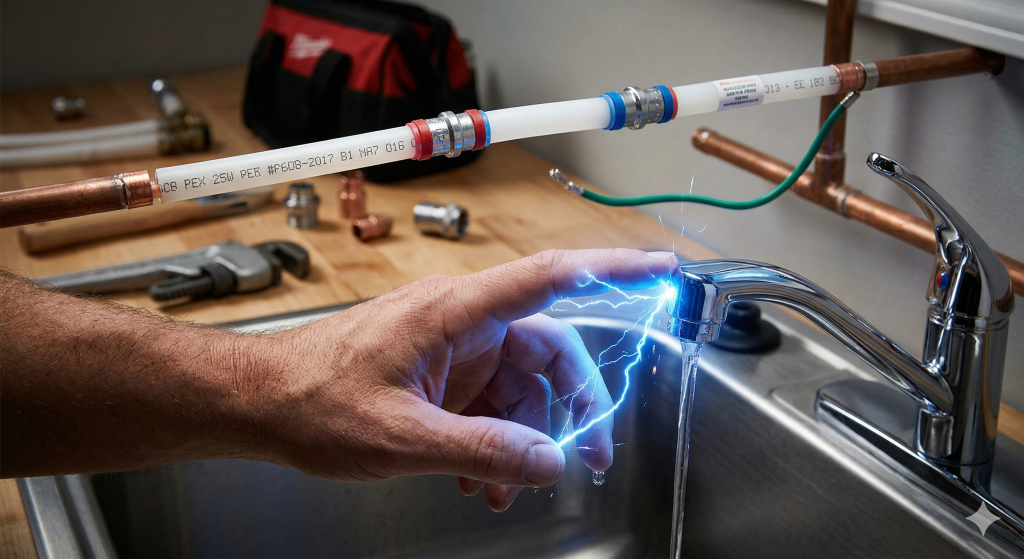
Collapse Zone Risk
The collapse zone is not fixed.
It moves.
Visible damage marks the center.
Instability extends beyond it.
Ground at the edge is transitional.
Not stable. Not failed.
This creates a shifting boundary.
Responder positioning inside this zone introduces:
- Additional load stress
- Increased likelihood of edge failure
- Expansion of the collapse footprint
There is no reliable perimeter early in the event.
Access Limitations for Responders
Urban protocol depends on controlled access.
This environment removes control.
Limitations include:
- No verified ground stability for apparatus placement
- Inability to approach structure directly
- Restricted visibility into subsurface conditions
- Risk of undermining surrounding infrastructure
Standard actions—advance, secure, stabilize—cannot be executed as designed.
Access becomes indirect.
Delayed.
Often observational.
Protocol Breakdown Points
Emergency response relies on sequence.
This event disrupts that sequence.
Break Point 1: Scene Stabilization
Cannot stabilize ground that is actively eroding.
Break Point 2: Safe Access Establishment
No confirmed safe path to the structure.
Break Point 3: Victim Reach and Extraction
Proximity increases collapse risk.
Break Point 4: Environmental Control
No mechanism to stop underground water movement during response.
Protocol does not fail.
Conditions exceed its operating range.
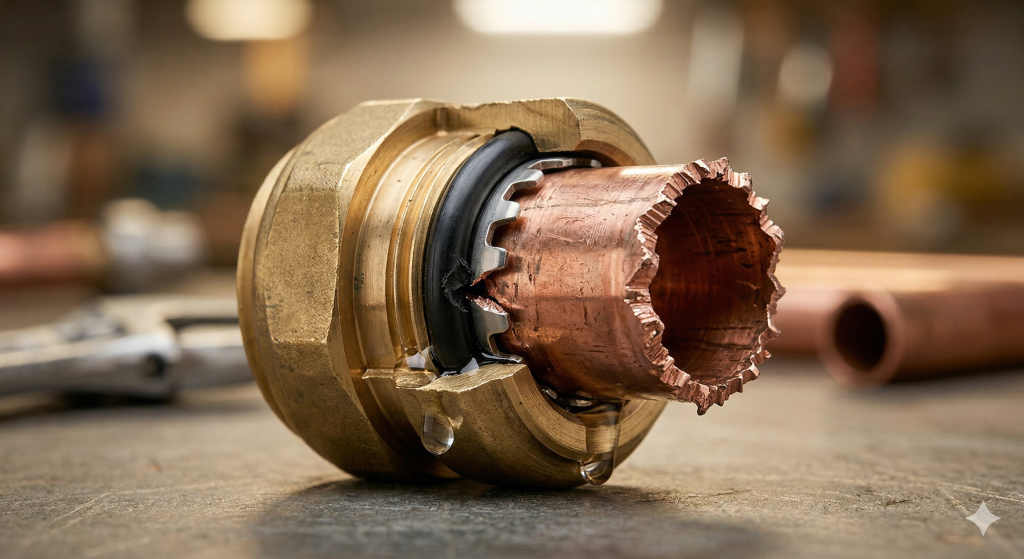
Why Intervention Often Comes Too Late
Failure is already advanced when detected.
Subsurface erosion has removed structural support.
Surface indicators appear only at the end stage.
By the time units arrive:
- Void is already formed
- Soil cohesion is lost
- Water movement is ongoing
There is no stabilization window.
Only a transition from hidden failure to visible collapse.
Instability Zones and Secondary Collapse
Post-collapse conditions are more dangerous than initial failure.
Edges remain unsupported.
Micro-failures continue along the perimeter.
Secondary collapse risk increases with:
- Added weight near the edge
- Continued water movement
- Time under unstable conditions
The scene does not settle.
It evolves.
Infrastructure-to-Residential Translation
The same failure sequence occurs at smaller scale.
- Pipe breach → hidden water release
- Soil erosion → loss of support under slab
- Pressure imbalance → system stress
- Sudden structural shift → damage or localized collapse
Residential systems rarely show early warning.
They follow the same pattern.
Hidden progression.
Rapid outcome.
Operational Constraints Summary
- No fixed collapse boundary
- No stable ground for close access
- Continuous subsurface movement
- Standard response sequence disrupted
- High secondary collapse probability
This is a non-static environment.
Response operates within instability.
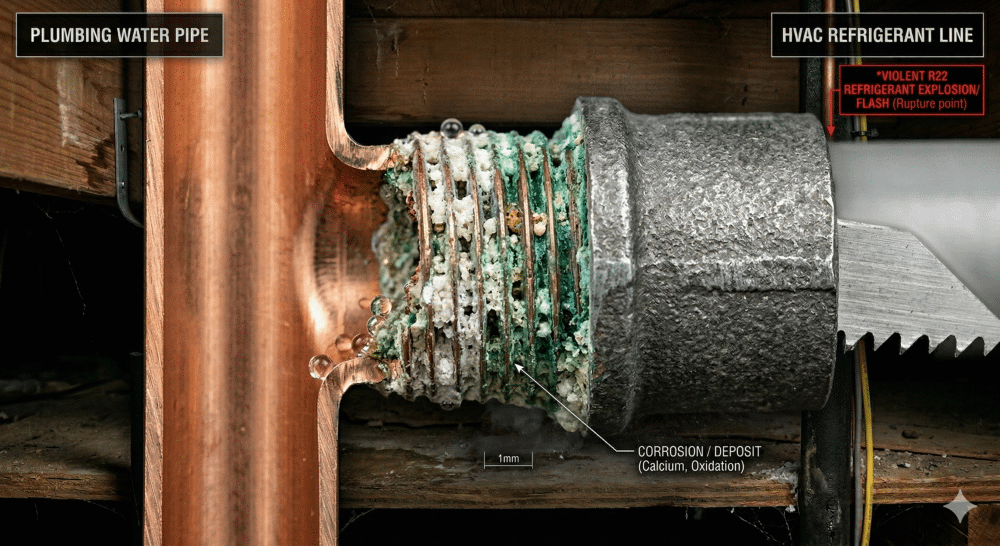
Why Prevention Outperforms Response
Response begins after system failure.
At that point:
- Access is limited
- Control is reduced
- Outcome is largely determined
Prevention acts before:
- Pressure exceeds system limits
- Water exits containment
- Soil integrity is compromised
That is the only stage where control exists.
CTA — Control the System Before Protocol Breaks
Emergency protocol depends on stable conditions.
Underground failure removes them.
Understand how plumbing systems are evaluated to prevent hidden water movement and soil erosion before collapse begins.
Learn how full-system repipe strategies eliminate the conditions that lead to void formation.