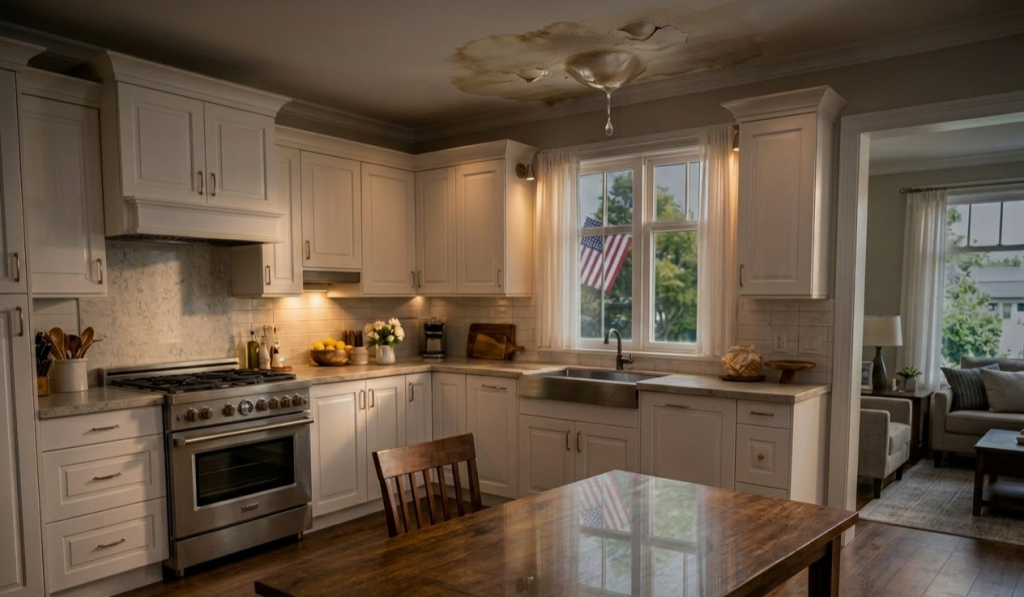
sinkholeSF09 — Rescue Risk: Stability, Access, Collapse Zones
Initial Dispatch Conditions
Call comes in as ground movement.
No fire. No visible structural collapse at first glance.
But reports mention shifting terrain and cracking surfaces.
Units arrive to a structure sitting on compromised ground.
No clear boundary. No defined failure zone.
That is the first problem.
Event Escalation Timeline
Phase 1: Subsurface Failure (Unseen)
Aging sewer infrastructure fails under load.
Water begins moving where it should not.
Soil cohesion starts to break down below grade.
No surface indicators strong enough to trigger evacuation.
Phase 2: Void Formation (Active Destabilization)
Water movement accelerates erosion.
Underground void expands laterally.
Load-bearing soil disappears in sections.
Surface still appears mostly intact.
Phase 3: Surface Compromise (Visible Instability)
Cracks form. Ground begins to settle unevenly.
Weight distribution shifts across the structure footprint.
Internal stress builds without release.
Phase 4: Structural Loss (Rapid Collapse)
Surface gives way without warning.
Structure drops into the void.
Collapse zone expands beyond original footprint.
Adjacent ground becomes unstable immediately.
Phase 5: Secondary Failure Risk (Ongoing Threat)
Void continues to grow after initial collapse.
Edges remain unstable.
Additional ground loss possible at any time.
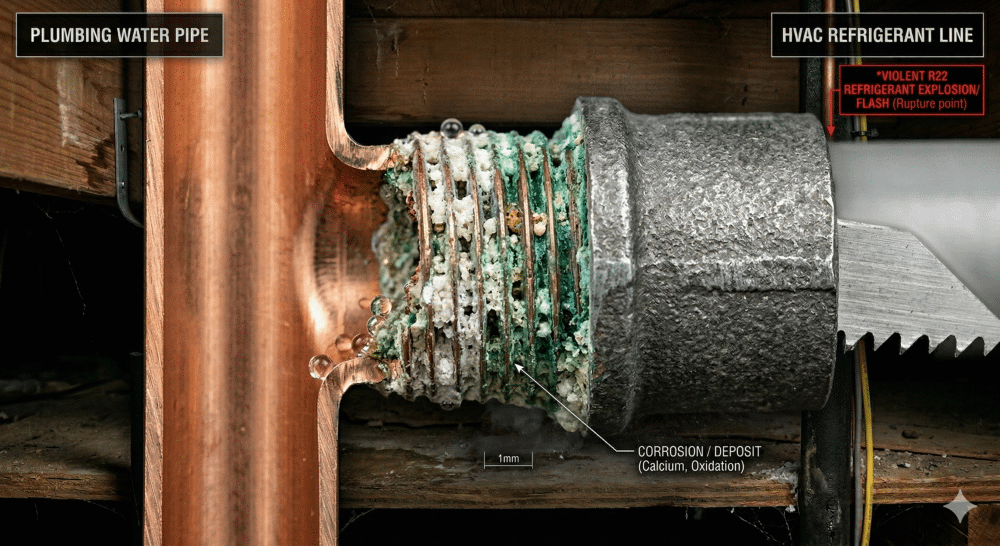
Collapse Zone Risk
The visible hole is not the hazard.
The hazard is everything around it.
Collapse zones extend beyond the point of failure.
Ground at the perimeter is already compromised.
Load transfer continues outward.
Responder weight adds stress.
Equipment adds more.
Every step near the edge introduces risk of secondary collapse.
No stable perimeter exists early in the event.
Access Limitations for Responders
Direct access is restricted immediately.
Standard approach paths are unsafe.
Ground integrity cannot be confirmed visually.
Heavy apparatus cannot be positioned close.
Staging must occur at distance.
Rescue attempts are delayed by uncertainty.
Entry requires:
- Soil stability assessment
- Load distribution evaluation
- Continuous monitoring of ground movement
Even then, conditions change faster than they can be measured.
Why Intervention Often Comes Too Late
Failure begins below visibility.
By the time surface indicators appear, the system has already lost integrity.
Response is reactive.
But the event is already in its final phase.
Water movement continues during response.
Soil continues to shift.
Void continues to expand.
There is no pause.
There is no stable window.
Intervention does not stop the underlying process.
It only operates within it.
System Reality: Speed of Escalation
This is not a slow event.
It is a delayed event followed by rapid failure.
Time compresses at the end.
What develops over months or years resolves in minutes.
That is the operational constraint.

Collapse Behavior Translation (Infrastructure → Residential)
Large-scale failure follows the same pattern as residential systems.
Different scale. Same mechanics.
- Underground erosion → soil loss beneath slab
- Pressure imbalance → pipe stress and rupture
- Hidden leaks → continuous ground saturation
- Sudden collapse → slab movement or structural damage
Most residential failures never reach this scale.
But they follow the same sequence.
Operational Constraint Summary
- No clear boundary at arrival
- No stable footing near collapse zone
- No immediate access to affected structure
- Continuous degradation during response
- High probability of secondary collapse
This is not a controllable environment.

Why Prevention Outpaces Response
Once the system fails, response is limited.
You cannot stabilize what you cannot access.
You cannot access what is still moving.
The only effective control point exists before failure begins.
Before water movement changes direction.
Before soil loses cohesion.
Before pressure escapes containment.
System Control Happens Before the Call
Emergency response operates after loss of control.
System evaluation happens before it.
Understand how underground plumbing systems are assessed before failure conditions develop.
Learn how full-system repipe strategies prevent hidden water movement and soil destabilization.