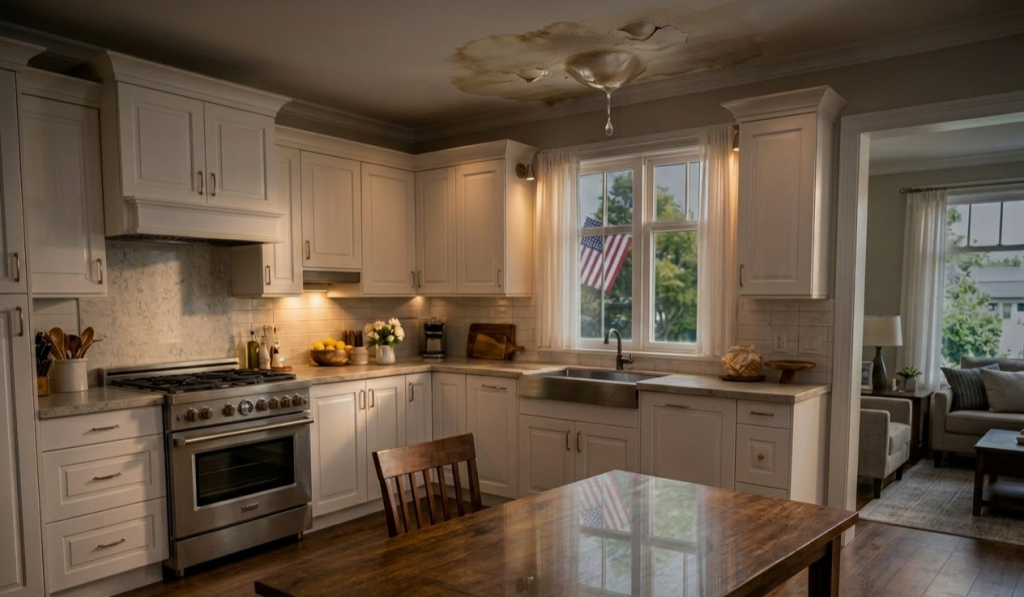
Why Wilmington Homes Experience Hidden Underground Pipe Damage
How This Helps Homeowners
This page helps homeowners in Wilmington understand why underground plumbing damage often develops without visible warning.
Most failures below the surface do not present immediate symptoms.
The system continues operating while instability forms underneath the home and surrounding property.
Recognizing these patterns allows homeowners to:
- detect early-stage underground issues before structural damage appears
- understand why recurring drain or moisture problems persist
- avoid repeated short-term fixes that miss subsurface conditions
- make informed decisions about inspection, repair, or replacement
- reduce the risk of sudden sewer or supply line failure
The purpose is visibility.
Because underground plumbing problems are rarely random.
They follow environmental patterns that can be understood in advance.
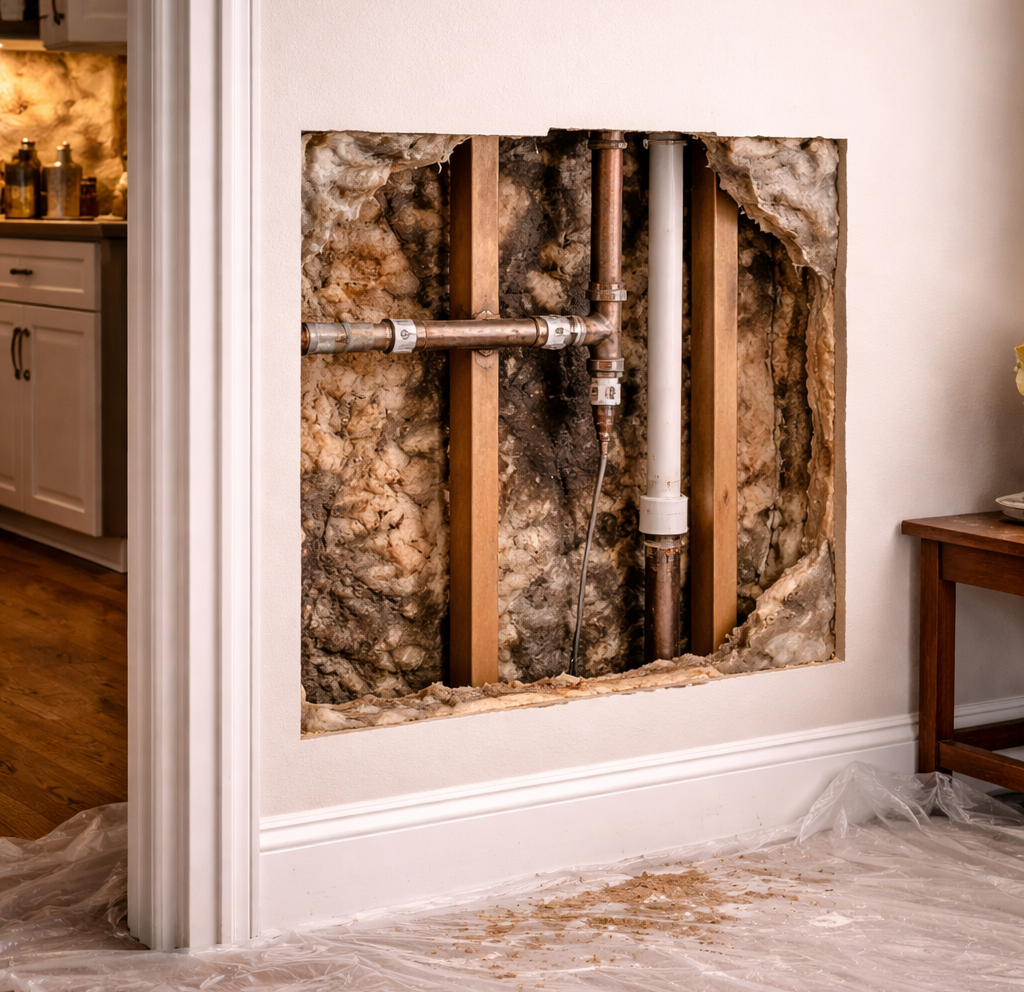
Wilmington — Subsurface Instability + Saturation Environment
Failure Stack
- Saturation / High Water Table
- Soil Movement / Settlement Instability
- Legacy Sewer and Supply Infrastructure
- Root / Vegetation Intrusion
- Stormwater and Drainage Overload
- Coastal Ground Moisture Retention
- Partial Repair Layering Over Aging Systems
Result
Wilmington homes develop underground plumbing damage where wet soil conditions, aging infrastructure, and ground movement combine.
Subsurface systems lose stability gradually.
Moisture hides early-stage leaks.
Drainage conditions shift during storms.
Older materials weaken over time.
This creates a hidden failure environment.
The system degrades below ground while the home above appears unaffected.
The Wilmington Subsurface Environment
Wet Ground Conditions Mask Early Damage
Large portions of Wilmington sit in moisture-influenced soil conditions due to proximity to the Delaware River, regional rainfall patterns, and naturally high groundwater levels.
Soil rarely remains fully dry.
This affects underground plumbing in critical ways.
Small leaks do not immediately surface.
Sewer line seepage blends into already damp ground.
Pipe bedding weakens without obvious signs above grade.
Because the environment already contains moisture, early failure signals remain concealed.
Detection is delayed.
By the time symptoms appear inside the home, the underlying issue has often progressed significantly.
Soil Movement and Pipe Misalignment
Subtle Ground Shifts Create Long-Term Structural Stress
Wilmington soils can shift over time due to:
- saturation and drying cycles
- minor settlement in older neighborhoods
- drainage pattern changes
- nearby construction or infrastructure activity
These shifts are rarely dramatic.
They occur gradually.
Even small movements can affect underground piping.
Drain lines may lose proper slope.
Connections begin to separate slightly.
Stress develops at joints and transition points.
This leads to performance issues before full failure.
Water may still flow, but not efficiently.
The system begins operating outside of its intended design.
Aging Underground Infrastructure
Older Sewer and Supply Lines Continue to Degrade
Many Wilmington properties rely on legacy underground systems, including:
- cast iron drain lines
- clay sewer laterals
- early-generation PVC installations
- older copper or galvanized supply lines
These materials deteriorate at different rates.
Cast iron can corrode and thin internally.
Clay pipes may crack or shift at joints.
Older connections weaken after decades of use.
Because these systems are buried, deterioration often goes unnoticed.
Functionality masks structural decline.
A drain may still carry waste while the pipe itself is compromised.
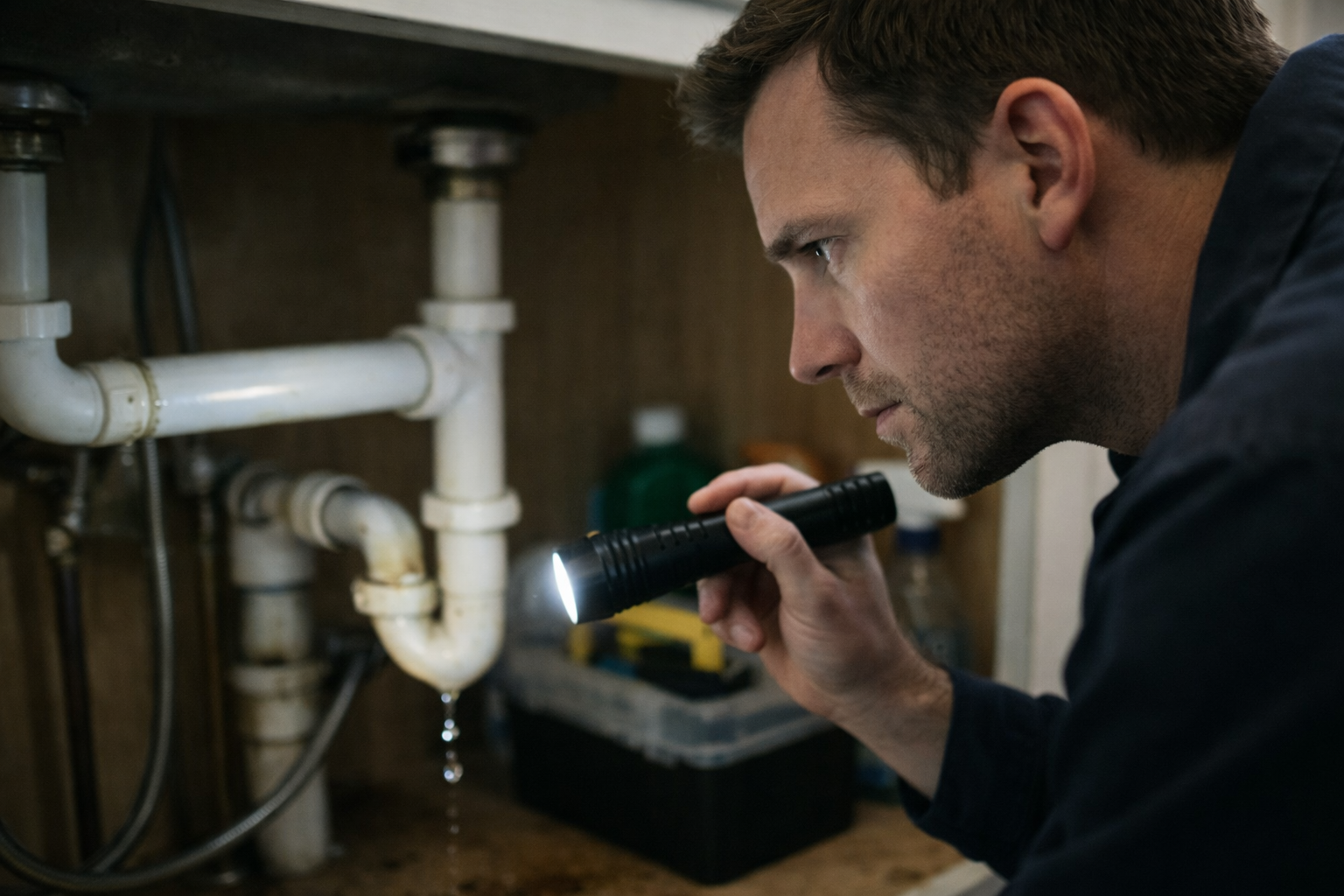
Root Intrusion and Structural Openings
Vegetation Exploits Existing Weaknesses
Mature landscaping in Wilmington neighborhoods introduces another underground risk.
Tree roots naturally seek moisture.
Small defects in sewer lines provide access points.
Once inside, roots expand and create obstruction patterns that worsen over time.
This leads to:
- recurring backups
- slow drainage that returns after clearing
- localized pipe stress
- eventual structural failure if left unaddressed
Root intrusion is not typically the origin of the problem.
It is a response to an existing opening in the system.
That distinction is critical.
Removing roots without addressing the pipe condition allows the cycle to continue.
Stormwater and Drainage Interaction
Heavy Rainfall Changes System Behavior
Wilmington experiences periodic storm events that introduce additional stress to underground systems.
Saturated ground conditions increase pressure on buried piping.
Stormwater may infiltrate compromised sewer lines.
Drain systems can become overloaded.
During these periods:
- weakened pipes are more likely to shift
- small cracks may expand
- infiltration increases system strain
- backups become more likely
After the storm passes, symptoms may temporarily improve.
The underlying damage remains.
This creates a pattern where issues appear tied to weather events but are rooted in structural conditions.
Hidden Leak Progression
Small Failures Expand Without Immediate Visibility
Underground leaks rarely present dramatic early signs.
Instead, they develop gradually.
Water escapes into surrounding soil.
Ground conditions soften over time.
Structural support diminishes.
Eventually, secondary effects appear.
Interior moisture increases.
Foundation areas may feel damp.
Flooring or lower-level spaces show subtle changes.
The visible issue is often far removed from the original leak location.
That makes accurate diagnosis more complex.
Partial Repairs and System Imbalance
Isolated Fixes Can Increase Stress Elsewhere
When underground issues are addressed in sections, the remaining system may continue to degrade.
Replacing a portion of pipe restores strength in one area.
Adjacent sections may already be weakened.
This creates imbalance.
Flow characteristics change.
Pressure distribution shifts.
Older segments absorb more stress.
Over time, new failures develop near recently repaired areas.
The pattern can repeat unless the broader system condition is evaluated.
Common Wilmington Underground Failure Signatures
Patterns That Indicate Subsurface Problems
Homeowners often encounter recurring behaviors that point to underground instability.
These may include:
- repeated drain slowdowns or backups
- sewer issues following heavy rainfall
- unexplained moisture near foundation areas
- soft or shifting ground outside the home
- recurring need for drain clearing services
- inconsistent drainage performance across fixtures
These signals are connected.
They reflect conditions developing below the surface rather than isolated plumbing events.
Why Underground Problems Are Frequently Missed
Visibility Is Limited Until Late-Stage Failure
Underground plumbing systems are out of sight by design.
Inspection typically occurs only after a problem becomes noticeable.
By that point:
- structural deterioration may be advanced
- multiple system areas may be affected
- repair scope becomes larger and more complex
Early detection requires understanding patterns rather than waiting for clear symptoms.
That is what makes underground plumbing issues particularly challenging for homeowners.
Final Positioning Statement
Wilmington homes experience hidden underground pipe damage because moisture-rich soil conditions, aging infrastructure, and gradual ground movement combine to conceal early-stage failure.
The system continues functioning while structural integrity declines below the surface.
What appears to be a sudden plumbing issue is often the result of long-term subsurface degradation that remained undetected until the system could no longer compensate.