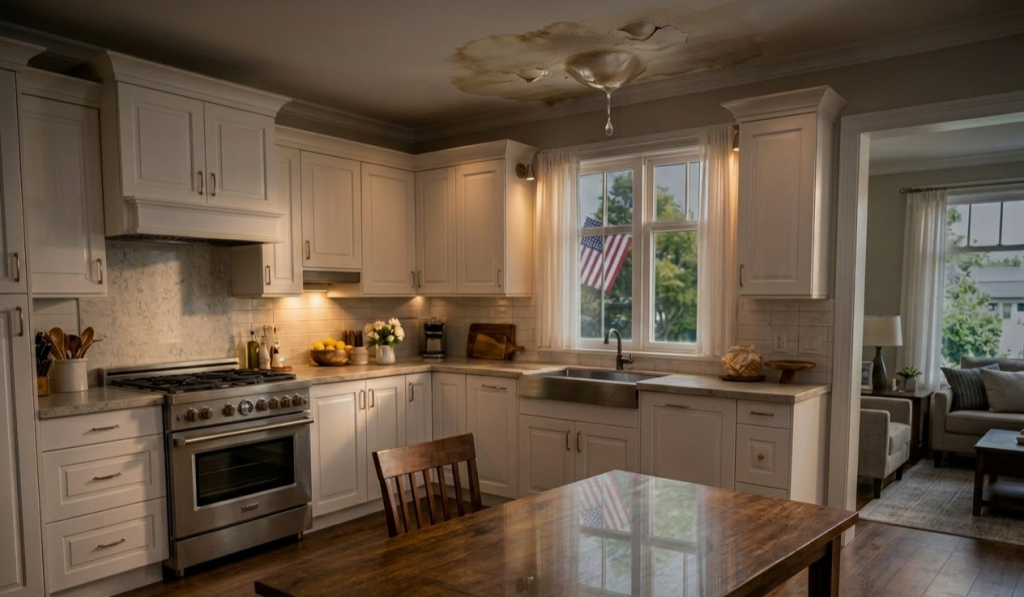
Delaware Plumbing Systems Under Coastal Moisture and Aging Infrastructure Stress
How This Helps Homeowners
This page helps homeowners across Delaware understand how coastal moisture and aging infrastructure combine to create long-term plumbing instability.
Most failures are not sudden.
They develop as environmental exposure interacts with older materials over time.
Understanding this overlap allows homeowners to:
- recognize early-stage system deterioration before visible damage appears
- understand why multiple plumbing issues seem unrelated but repeat
- avoid short-term fixes that ignore environmental stress conditions
- make informed decisions about repair, replacement, or system upgrades
- reduce the risk of hidden corrosion, leaks, and structural damage
The objective is pattern recognition.
Because once the environment is understood, the failure becomes predictable.
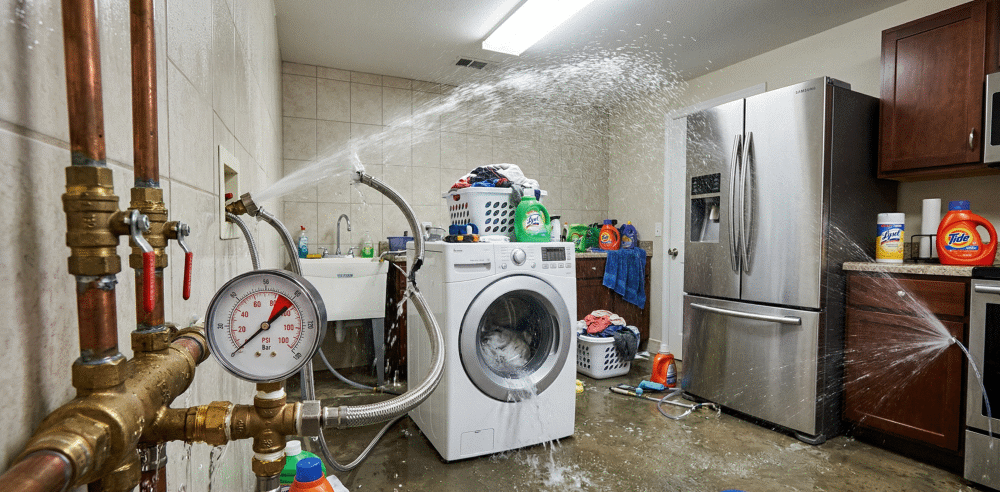
Delaware — Coastal Moisture + Infrastructure Aging Environment
Failure Stack
- Coastal Salt / Humidity Corrosion
- Saturation / High Water Table Conditions
- Legacy Material Degradation
- Freeze-Thaw Expansion (seasonal)
- Root / Vegetation Intrusion
- Internal Corrosion from Water Chemistry (localized)
- Demand Load Stress on Aging Systems
Result
Delaware plumbing systems degrade where continuous moisture exposure intersects with aging infrastructure.
Humidity affects exposed components.
Wet ground conditions influence underground systems.
Older materials weaken under sustained environmental stress.
This produces a layered failure pattern.
The system deteriorates both above and below ground while continuing to function.
Coastal Moisture as a Continuous Force
Humidity Extends Corrosion Across the System
Delaware’s proximity to coastal weather patterns introduces persistent humidity into residential environments.
Moisture does not remain outdoors.
It moves into crawlspaces, basements, wall cavities, and mechanical areas.
This creates a continuous corrosion environment affecting:
- exposed piping
- valves and shutoffs
- fasteners and supports
- water heater components
- connection points throughout the system
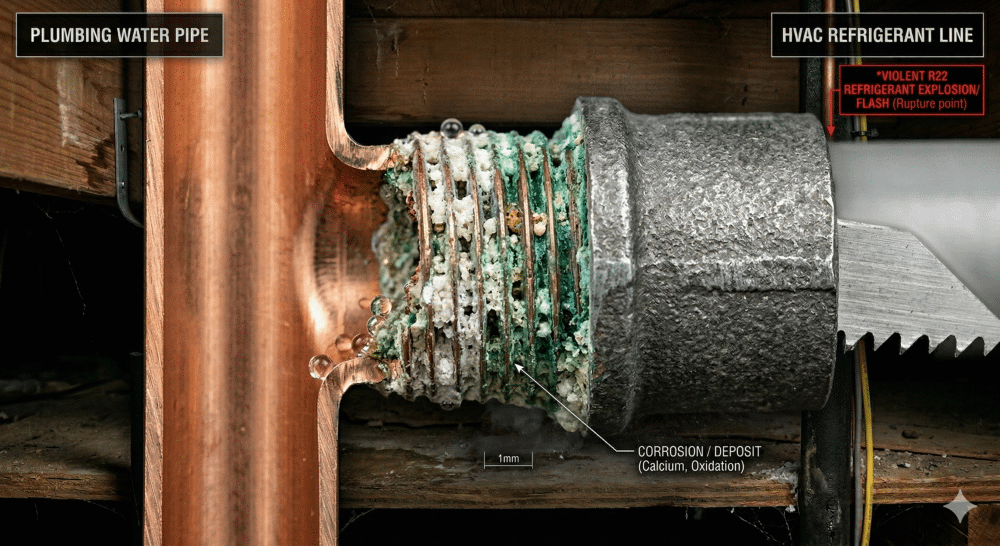
Corrosion develops gradually.
Surfaces oxidize while performance remains stable.
That delay hides the progression of damage.
Over time, multiple components weaken simultaneously.
Wet Ground Conditions and Subsurface Stress
Saturation Influences Underground Plumbing Behavior
Many areas of Delaware experience elevated soil moisture due to rainfall patterns, drainage conditions, and groundwater levels.
This affects underground plumbing in several ways.
Soil support around pipes becomes less stable.
Minor leaks remain undetected longer.
Drain lines may shift or lose proper alignment.
Moisture-heavy environments conceal early failure.
The system continues operating while structural integrity declines below the surface.
Aging Infrastructure and Material Degradation
Older Systems Continue to Operate While Weakening
A significant portion of Delaware homes rely on legacy plumbing materials.
Common systems include:
- galvanized supply piping
- aging copper lines
- cast iron drainage systems
- clay sewer laterals
- mixed-material retrofit sections
These materials degrade internally and externally over time.
Flow restriction increases gradually.
Corrosion expands across pipe walls.
Connections weaken at transition points.
Functionality persists.
Structural strength declines.
This disconnect creates delayed recognition of system-wide deterioration.
Freeze-Thaw Cycles and System Fatigue
Seasonal Changes Add Repeated Stress
Delaware experiences intermittent winter conditions that introduce freeze-thaw cycles.
Water inside pipes expands when frozen and contracts when temperatures rise.
This repeated movement creates stress at:
- joints
- fittings
- valves
- older pipe sections
Even when pipes do not burst, the cycle weakens connection points over time.
Combined with moisture exposure, this accelerates long-term system fatigue.
Root Intrusion and Underground Access Points
Vegetation Exploits Aging Infrastructure
Mature landscaping in many Delaware neighborhoods interacts with older sewer systems.
Roots naturally seek moisture.
Small defects in underground lines provide entry points.
Once inside, roots expand and disrupt flow.
This leads to recurring issues such as:
- slow drainage
- repeated backups
- localized pipe stress
- eventual structural failure
Clearing blockages does not resolve the underlying condition.
The pipe itself remains compromised.
Water Chemistry and Internal Corrosion
Some Systems Degrade From Within
In certain areas, water chemistry contributes to internal pipe deterioration.
Aggressive or low-pH water conditions gradually weaken pipe walls.
Unlike mineral buildup, which restricts flow, this process reduces structural integrity.
The system may appear normal until small leaks begin to develop.
These leaks often occur in multiple locations over time, reflecting system-wide degradation rather than isolated defects.
Demand Load and Modern Usage Patterns
Increased Usage Accelerates System Stress
Modern homes place greater demand on plumbing systems than older infrastructure was designed to handle.
Additional fixtures, higher-capacity appliances, and increased occupancy all contribute to higher daily load.
This creates continuous stress throughout the system.
Pressure cycles become more frequent.
Flow demand increases across longer runs.
Recovery time between usage decreases.
Aging systems under these conditions deteriorate more quickly.
Common Delaware Failure Signatures
Patterns That Appear Across Homes
Homeowners across Delaware often experience consistent system behaviors that reflect underlying environmental stress.
These may include:
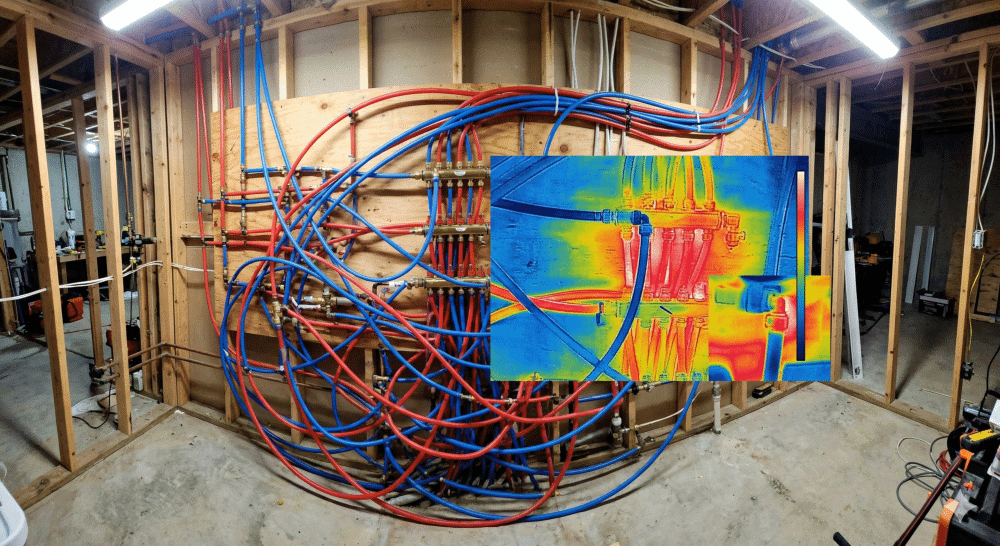
- recurring minor leaks in different locations
- visible corrosion on exposed components
- pressure inconsistency between fixtures
- sewer issues following heavy rainfall
- persistent crawlspace or basement moisture
- gradual decline in overall system performance
These patterns are connected.
They represent the combined effect of moisture exposure and infrastructure aging.
Why Problems Appear Unrelated
Multiple Forces Act on the System Simultaneously
Coastal moisture affects exposed components.
Ground saturation influences underground systems.
Aging materials weaken internally.
Demand load adds continuous operational stress.
Each force operates independently.
Together, they create overlapping failure conditions.
This makes individual issues appear isolated when they are part of a broader system pattern.
Final Positioning Statement
Delaware plumbing systems fail under the combined pressure of coastal moisture and aging infrastructure.
Environmental exposure accelerates corrosion while older materials lose structural integrity over time.
What appears to be a series of unrelated plumbing issues is often a single system responding to multiple long-term stress conditions acting simultaneously.