California Plumbing Systems Under Seismic, Pressure, and Aging Infrastructure Stress
How This Helps California Homeowners
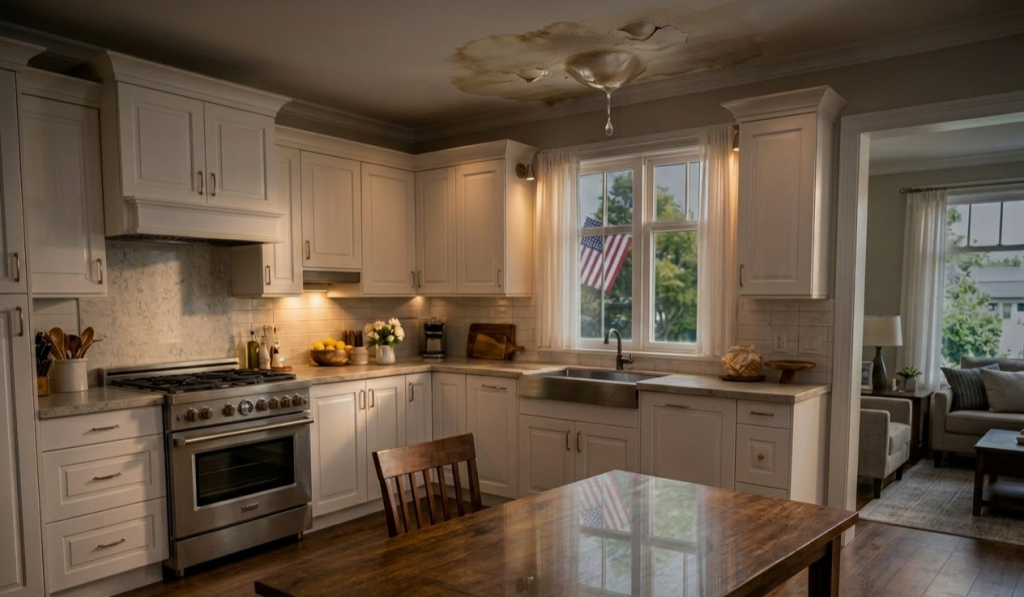
Most plumbing failures in California do not start with a leak.
They start with stress building inside the system.
Ground movement shifting pipes out of alignment.
Pressure fluctuations stressing joints and fittings.
Aging infrastructure losing tolerance over time.
By the time a homeowner sees water damage, the system has often been under layered stress for years.
Understanding California’s seismic + pressure + aging environment helps homeowners:
- recognize early-stage system fatigue before failure occurs
- identify hidden stress from ground movement and pressure changes
- understand why older systems fail faster under modern demand
- avoid repeated repairs that do not address root conditions
- see why failures often appear in multiple locations over time
- make better long-term decisions about stabilization vs full-system replacement
The goal is not to react to plumbing problems.
The goal is to understand the conditions creating them.
Because in California, plumbing systems fail where multiple structural forces overlap.
Modeled from the national framework at Plumbing Whole Home Repipe Home Failure Intelligence.
California Is A Seismic + Pressure + Aging System Environment
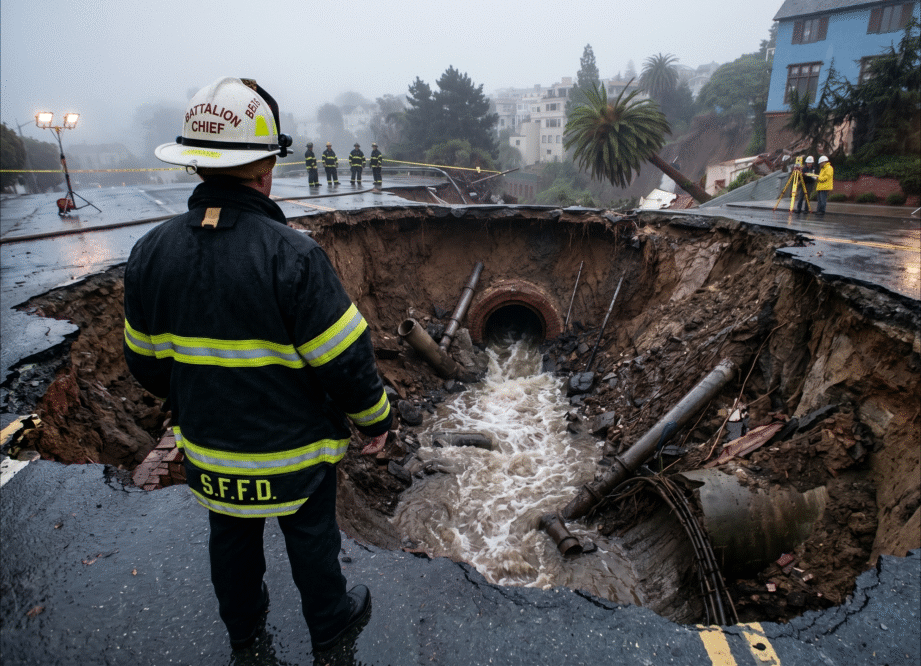
California plumbing systems operate inside one of the most complex structural environments in the country.
This environment includes:
- seismic ground movement
- elevation-driven pressure variability
- aging municipal infrastructure
- mixed-generation residential plumbing systems
- high population demand on water systems
Each factor applies stress.
Together, they accelerate system fatigue.
The system is not failing from one issue.
It is responding to layered pressure.
Seismic Movement Transfers Stress Into Plumbing
California is an active seismic region.
Even minor ground movement can impact plumbing systems.
This creates:
- shifting soil beneath homes
- slight foundation movement
- stress at slab penetrations
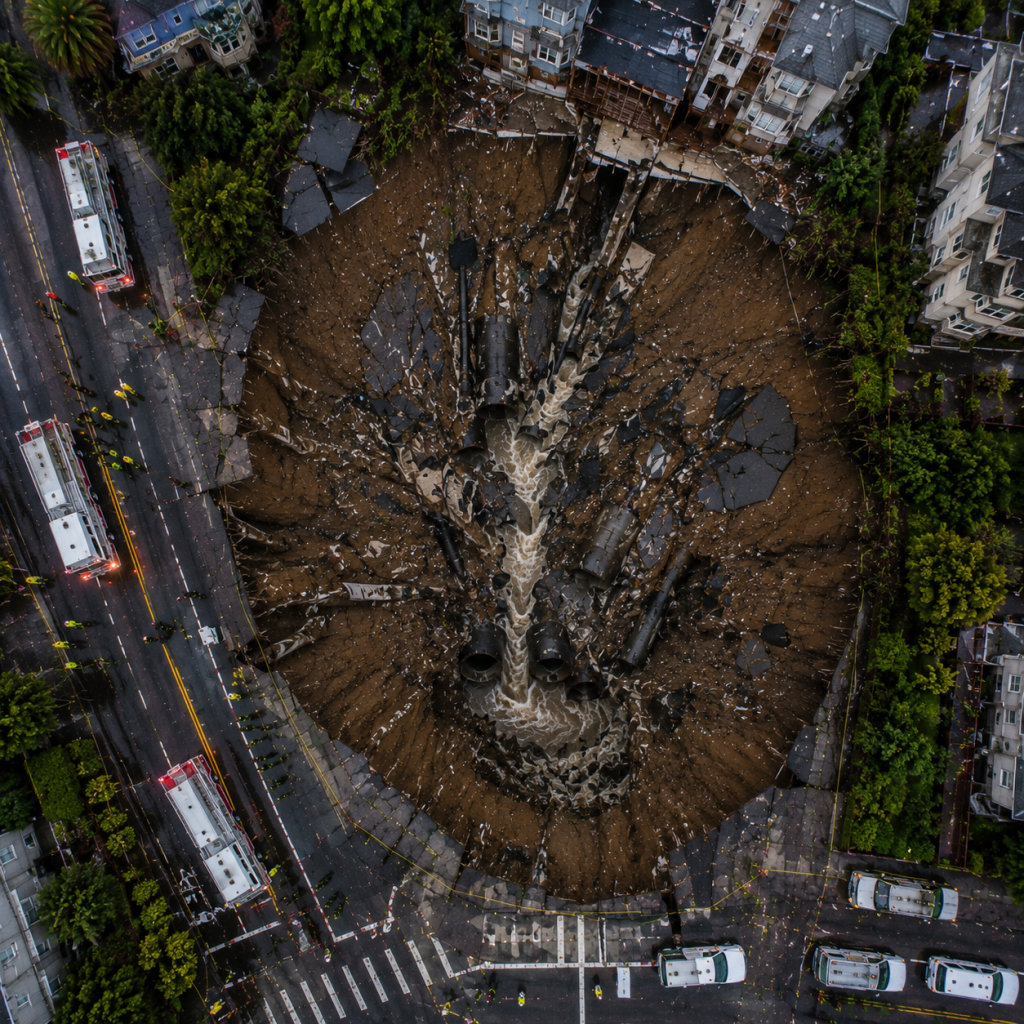
- underground pipe displacement
Over time, this leads to:
- pipe misalignment
- joint fatigue
- cracking
- recurring underground failures
Movement does not need to be catastrophic to cause damage.
Small shifts repeated over time are enough.
Pressure Variability Stresses Internal Components
California water systems operate across varied elevation and demand zones.
This creates:
- high pressure in lower elevation areas
- reduced pressure in elevated neighborhoods
- fluctuations during peak usage
- system adjustments during drought conditions
Homes may experience:
- pressure spikes
- inconsistent flow
- uneven distribution
This adds stress to:
- valves
- joints
- fittings
- aging pipe sections
Pressure acts as a multiplier of existing weaknesses.
Aging Infrastructure Reduces System Tolerance
Many California homes rely on older plumbing systems.
Often including:
- copper supply lines
- cast iron drains
- mixed-material repairs
- partial upgrades over time
As systems age:
- materials thin
- flexibility decreases
- tolerance for stress reduces
This makes them more vulnerable to:
- pressure cycling
- ground movement
- internal corrosion or scale
The same conditions that once had no effect now cause failure.
Mixed Materials Create Stress Points
Repair layering introduces different materials into the system.
Including:
- copper
- PEX
- PVC
- older metals
Each material responds differently to:
- pressure
- temperature
- movement
This creates mismatch conditions.
Which leads to:
- stress concentration at transitions
- joint instability
- increased failure probability
The system is no longer uniform.
Slab And Crawlspace Systems Concentrate Risk
California homes commonly include:
- slab-on-grade construction
- crawlspace foundations
Both create hidden plumbing environments.
Including:
- limited visibility
- delayed detection
- underground stress concentration
- lateral water movement
When failure occurs:
- symptoms appear away from origin
- damage expands before detection
This increases repair complexity.
Why Failures Often Appear In Multiple Locations
System fatigue affects the entire network.
Not just one section.
This leads to:
- leaks appearing in different areas over time
- repeated repairs in new locations
- expanding failure zones
These are not isolated issues.
They are connected through system-wide stress.
Why Repairs Often Do Not Last
Most repairs address visible failures.
But do not remove:
- seismic movement
- pressure variability
- system aging
- material mismatch
This leads to:
- new leaks after repairs
- shorter repair lifespan
- increasing repair frequency
- growing system instability
The system continues degrading.
Early Warning Signs In California Homes
Some systems show indicators before major failure.
Including:
- fluctuating water pressure
- recurring leaks in different areas
- noisy or vibrating pipes
- reduced flow in parts of the home
- visible corrosion or scale
- minor foundation movement
These signs often indicate system-wide stress.
Human-System Acceleration Factors
Environmental pressure sets the baseline.
Human decisions influence outcomes.
Common factors include:
- delaying maintenance
- ignoring pressure fluctuations
- repeated spot repairs
- improper material upgrades
- lack of system evaluation
- DIY modifications
In California, multiple forces act continuously.
Delay allows stress to compound.
Final Positioning Statement
California plumbing systems fail where seismic movement, pressure variability, and aging infrastructure overlap.
That stress develops through:
- ground movement
- pressure cycling
- material aging
- system layering
- hidden structural stress
- delayed detection
The visible plumbing problem is only the final stage.
The real system fatigue builds over time.
Understanding California’s structural plumbing environment helps homeowners recognize risk earlier, reduce repeat failures, and make better long-term decisions about their home’s plumbing system.