Why Chicago Homes Experience Hidden Freeze-Related Pipe Damage
How This Helps Homeowners
Winter plumbing failures across Chicago rarely begin during the moment homeowners notice water escaping into the house.
Most damage starts months or years earlier through gradual system weakening hidden behind walls, beneath foundations, inside crawlspaces, or underneath frozen soil conditions.
Repeated cold exposure slowly changes how aging plumbing behaves.
Metal contracts.
Ground shifts.
Pressure redistributes unevenly through narrowed piping.
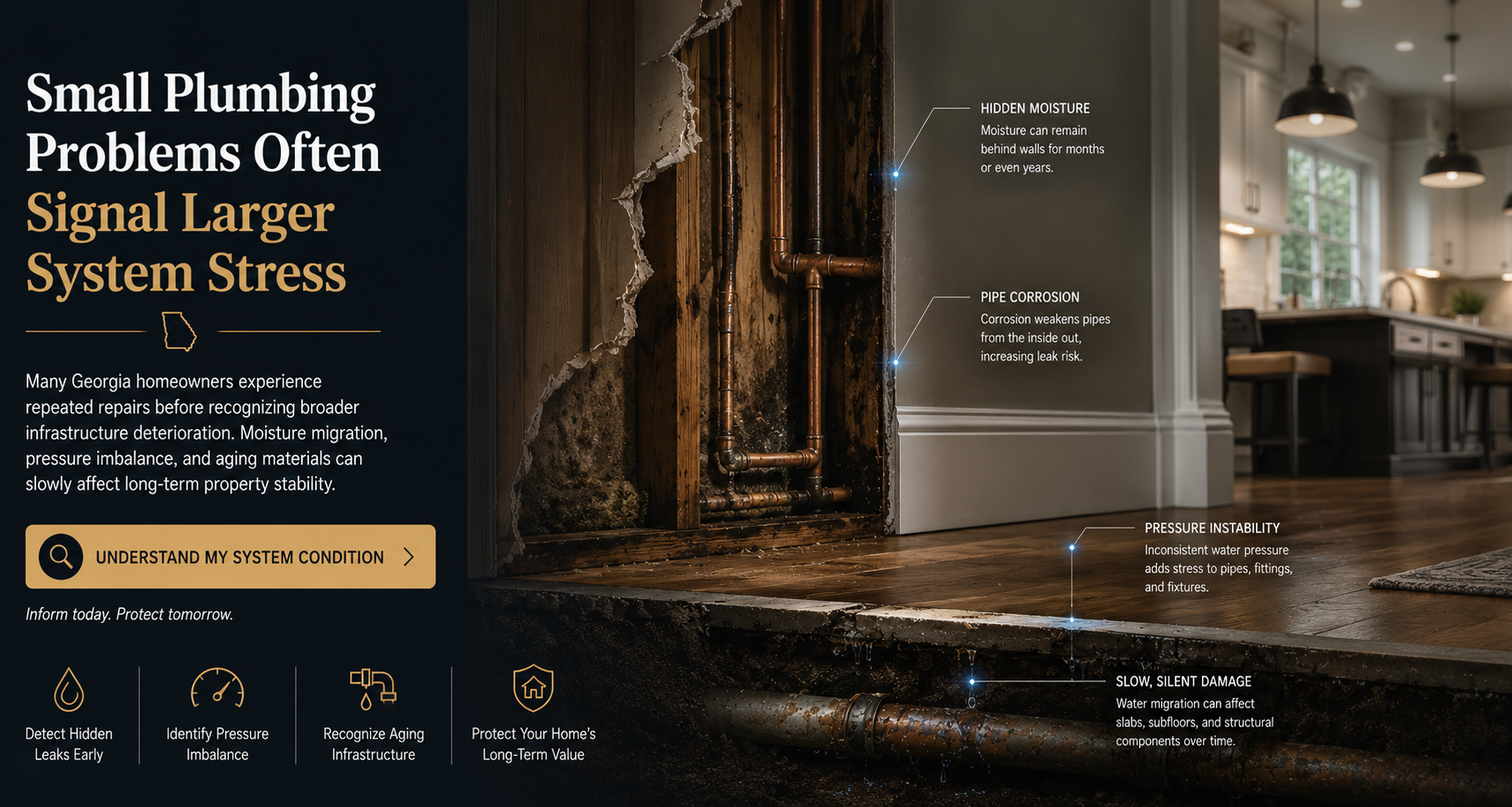
Moisture infiltrates structural cavities and reduces insulation performance over time.
Meanwhile, many Chicago homes continue operating with infrastructure originally installed generations ago under completely different construction standards.
Contractors throughout the city routinely discover freeze-related deterioration long before catastrophic leaks appear.
Small fractures form around stressed fittings.
Corrosion weakens interior pipe walls.
Drainage systems lose alignment after repeated freeze-thaw movement.
Underground lines absorb soil pressure changes year after year.
This research helps homeowners understand why visible winter plumbing emergencies often represent the final stage of a much larger infrastructure problem.
Better decisions happen earlier once hidden environmental stress becomes easier to recognize.
Chicago winters expose weaknesses that were already developing underneath the surface.
Chicago’s Climate Creates Long-Term Plumbing Fatigue
Lake-effect weather patterns shape winter conditions across the entire Chicago region.
Cold air moving across Lake Michigan introduces rapid temperature swings that place enormous stress on residential plumbing systems.
Subzero stretches may last for days before sudden warming cycles arrive unexpectedly.
Those transitions matter.
Repeated expansion and contraction gradually fatigue older plumbing materials.
Galvanized systems become increasingly brittle with age.
Copper joints weaken after decades of seasonal movement.
Cast iron drainage stacks absorb structural stress every winter.
Contractors often describe Chicago plumbing as infrastructure surviving constant environmental compression.
Nothing remains static for long.
Historic homes built before modern insulation standards face especially difficult conditions because many original plumbing routes pass through poorly protected structural cavities.
Exterior walls become high-risk freeze corridors.
Basement rim joists frequently allow cold infiltration directly beside active supply lines.
Attic bypasses create another vulnerability in older multi-story homes.
One severe winter rarely causes total system failure alone.
Long-term exposure usually creates the larger problem.
Older Chicago Neighborhoods Contain Hidden Freeze Vulnerabilities
Large sections of Chicago developed during industrial growth periods when housing density expanded rapidly.
Builders prioritized speed, affordability, and heating access differently than modern construction practices.
Many early homes relied on radiator systems that unintentionally warmed surrounding plumbing areas.
Later renovations often changed airflow patterns completely.
Finished basements blocked heat transfer.
Wall cavities became insulated unevenly.
Pipe routes shifted during remodels.
Mechanical systems modernized without fully redesigning freeze protection strategies.
Contractors regularly uncover vulnerable plumbing hidden inside enclosed areas that no longer receive adequate ambient warmth.
Greystone neighborhoods present one category of risk.
Brick bungalow districts create another.
Worker housing near older industrial corridors often reveals narrow plumbing chases squeezed into exterior framing assemblies.
Historic two-flats frequently contain aging supply systems running through unconditioned rear sections exposed to intense winter air infiltration.
Every construction era introduced different freeze-related weaknesses.
Chicago’s housing stock reflects all of them simultaneously.
Freeze Damage Often Begins Underground
Homeowners typically associate frozen pipes with exposed interior plumbing.
Underground movement creates equally serious damage beneath Chicago properties.
Frozen soil expands during severe cold periods.
Clay-heavy ground conditions shift laterally as moisture freezes and thaws repeatedly.
Buried supply lines absorb pressure from all directions.
Drainage systems lose alignment gradually beneath foundations and sidewalks.
Contractors throughout the region frequently trace recurring slab leaks back to long-term freeze movement rather than isolated installation errors.
Rapid thaw cycles intensify the issue further.
Melting snow saturates surrounding soil quickly.
Hydrostatic pressure rises against basement walls.
Foundation settlement behavior changes as moisture conditions fluctuate.
Older sewer laterals become increasingly unstable once surrounding support conditions deteriorate.
Some Chicago homes experience recurring winter plumbing issues because underground infrastructure has already been moving for decades.
Visible leaks simply emerge where stress concentration finally exceeds system tolerance.
Historic Winter Events Revealed Chicago’s Infrastructure Limits
Extreme cold has shaped Chicago’s infrastructure history repeatedly.
The brutal winter of 1979 exposed widespread vulnerabilities across transportation systems, municipal utilities, and residential housing throughout the city.
Frozen pipes became common across older neighborhoods where insulation performance and heating distribution could no longer keep pace with severe temperature exposure.
Additional winter storms over subsequent decades reinforced the same lesson.
Infrastructure fatigue accumulates gradually until environmental conditions suddenly reveal the weakness.
Contractors who worked through those freeze cycles often describe seeing identical patterns repeat across generations of homes.
Pipe bursts rarely occur inside the strongest sections of the system.
Failures typically emerge where prior stress already existed.
Corrosion concentrates pressure.
Improper retrofits create weak transitions.
Hidden moisture compromises insulation.
Movement fatigues older joints.
Winter simply accelerates what was already developing underneath.
Aging Plumbing Materials React Differently to Cold Exposure
Chicago homes contain plumbing materials from multiple construction eras operating simultaneously.
Some systems still rely on original galvanized supply lines.
Others contain mixed generations of copper, PVC, cast iron, and retrofit materials interconnected through decades of partial upgrades.
Cold exposure affects each material differently.
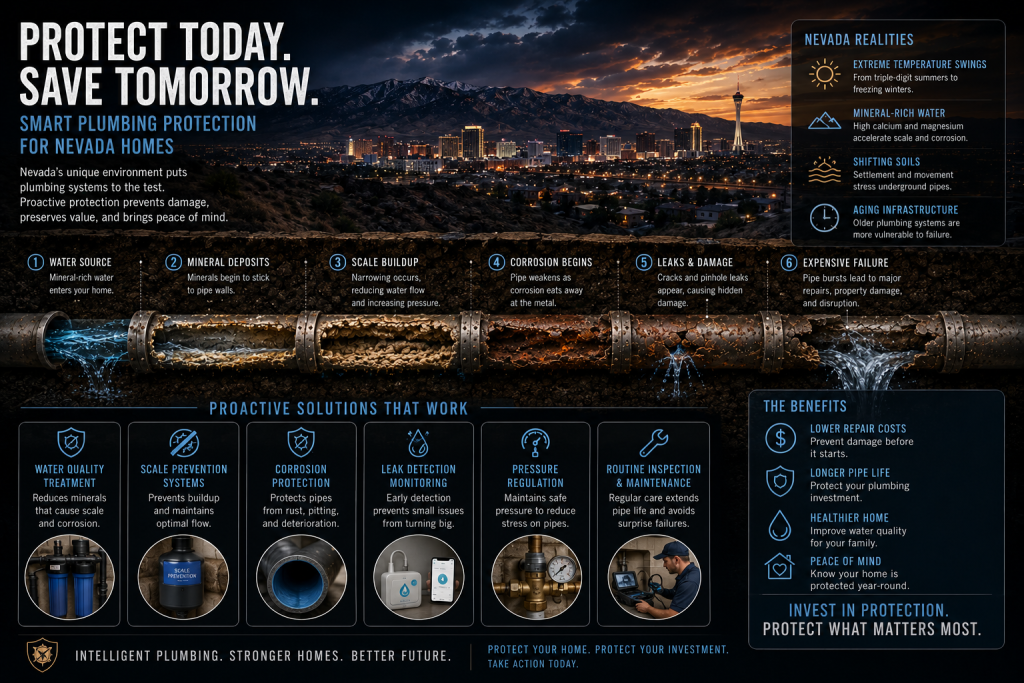
Galvanized interiors corrode gradually until water flow becomes restricted.
Pressure concentration increases inside narrowed sections during freezing conditions.
Copper expands and contracts repeatedly around soldered joints.
Cast iron absorbs structural vibration and temperature stress across long vertical drainage runs.
Modern PEX sections may flex more effectively, but transition points connecting newer materials into aging infrastructure frequently become instability zones.
Contractors commonly identify failures near those interfaces.
Partial repipes often leave older hidden sections active behind finished walls.
Homeowners assume the system was fully modernized.
Winter conditions eventually reveal otherwise.
Chicago Contractors Recognize the Warning Signs Early
Experienced plumbers across the city usually detect freeze-related infrastructure stress before catastrophic failure occurs.
Recurring warning indicators appear consistently throughout winter service calls:
- Uneven water pressure during cold mornings
- Pipe ticking or shifting sounds behind walls overnight
- Frost accumulation near basement penetrations
- Minor leaks appearing after rapid thaw periods
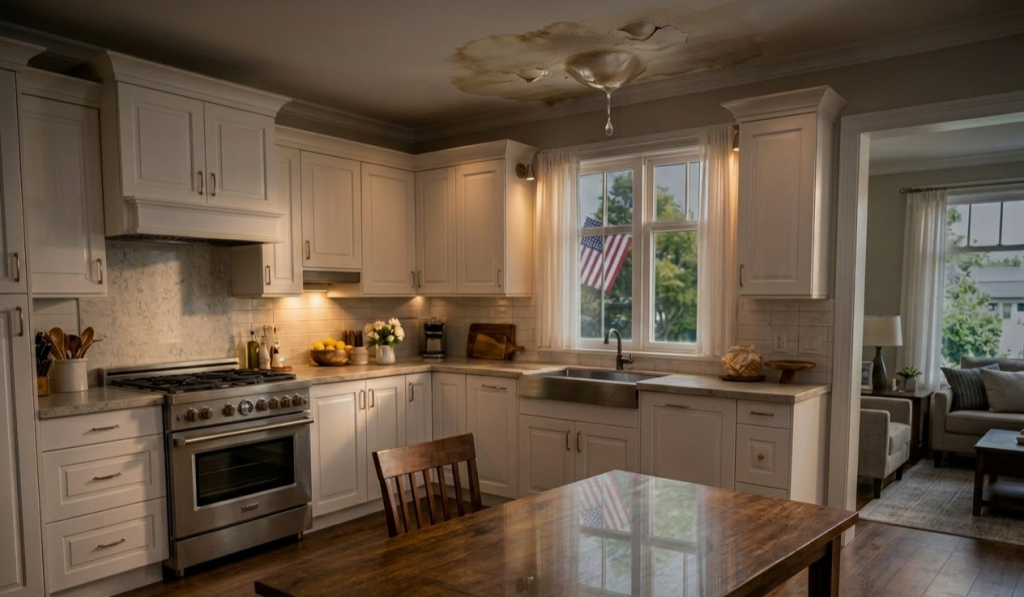
- Ceiling stains beneath upper-floor plumbing routes
- Water discoloration following extreme temperature swings
- Slow drainage during freeze-saturation cycles
- Basement moisture near utility corridors
- Recurring exterior hose bib failures
- Cracked shutoff valves in older mechanical rooms
Most homeowners focus only on the visible symptom.
Contractors often investigate the broader environmental behavior surrounding it.
Patterns matter more than isolated incidents.
Moisture and Freeze Conditions Often Work Together
Chicago winters create more than freezing temperatures alone.
Snow accumulation, basement humidity, condensation, and groundwater saturation frequently combine into layered infrastructure stress conditions.
Wet insulation loses thermal resistance.
Damp framing transfers cold faster.
Hidden condensation accelerates corrosion around fittings and supports.
Mechanical rooms inside older basements commonly experience decades of low-grade moisture exposure before winter freeze cycles intensify the damage further.
Contractors regularly uncover deteriorated structural materials surrounding freeze-damaged plumbing systems.
Some homes develop chronic winter pipe issues because environmental moisture quietly weakened the surrounding building envelope first.
The plumbing failure becomes secondary evidence of broader hidden deterioration.

Modern Demand Places Additional Stress on Older Systems
Original Chicago plumbing systems were never designed for current residential water demand patterns.
Luxury showers.
Tankless water heaters.
Second-floor laundry additions.
Large kitchen renovations.
High-capacity appliances.
Multi-bathroom expansions.
Every upgrade changes pressure distribution inside older infrastructure.
Freeze exposure magnifies those imbalances.
Contractors frequently encounter homes where modern plumbing loads operate through partially deteriorated legacy supply systems.
Pressure spikes become more severe during winter conditions.
Thermal expansion increases system instability.
Weak sections fail sooner once higher demand combines with cold-weather stress.
The issue is rarely temperature alone.
Infrastructure mismatch drives many hidden freeze-related failures across Chicago housing.
Freeze Damage Usually Builds Quietly Before Escalating
Most Chicago winter plumbing emergencies develop through gradual environmental stress accumulation rather than one isolated cold night.
Years of expansion cycles weaken older joints.
Soil movement slowly shifts buried infrastructure.
Corrosion narrows active water pathways.
Moisture degrades surrounding insulation systems.
Pressure behavior becomes less stable over time.
Eventually, severe weather exposes the weakest section first.
Water escapes where structural resilience already disappeared.
Drainage systems separate where underground movement had been progressing silently for years.
Interior damage spreads quickly once compromised infrastructure finally gives way.
Chicago homes exist inside overlapping environmental pressures shaped by climate, construction era, infrastructure age, groundwater behavior, and renovation history.
Understanding those layered conditions helps homeowners identify risk earlier.
Better plumbing decisions begin before winter turns hidden stress into visible damage.