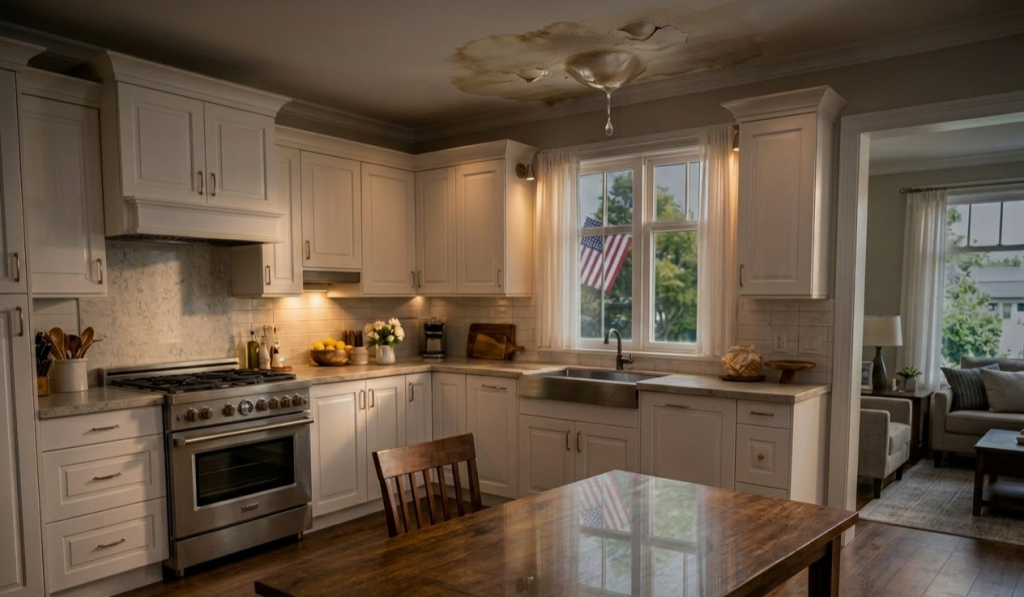
Rockford Underground Plumbing Fatigue and Pressure Problems
How This Helps Homeowners
Many plumbing failures in Rockford begin underneath the property long before homeowners notice visible warning signs inside the house.
Pressure instability develops gradually.
Underground pipe movement increases after repeated seasonal freeze cycles.
Aging water lines weaken internally while surrounding soil conditions continue shifting year after year.
Meanwhile, older neighborhoods throughout Rockford still rely on infrastructure installed during manufacturing expansion eras when plumbing standards, excavation methods, and long-term material expectations looked very different than they do today.
Contractors across the region routinely uncover hidden underground deterioration beneath homes that appeared stable from the surface.
Recurring drain backups often connect to deeper sewer fatigue.
Fluctuating water pressure may signal internal corrosion or municipal system inconsistency.
Foundation cracking sometimes traces back to long-term subsurface movement affecting buried plumbing corridors.
This research helps homeowners understand how underground stress conditions evolve slowly before finally surfacing through visible plumbing emergencies.
Better infrastructure decisions usually happen before collapse, rupture, or major water intrusion occurs.
Rockford plumbing systems often fail quietly first.
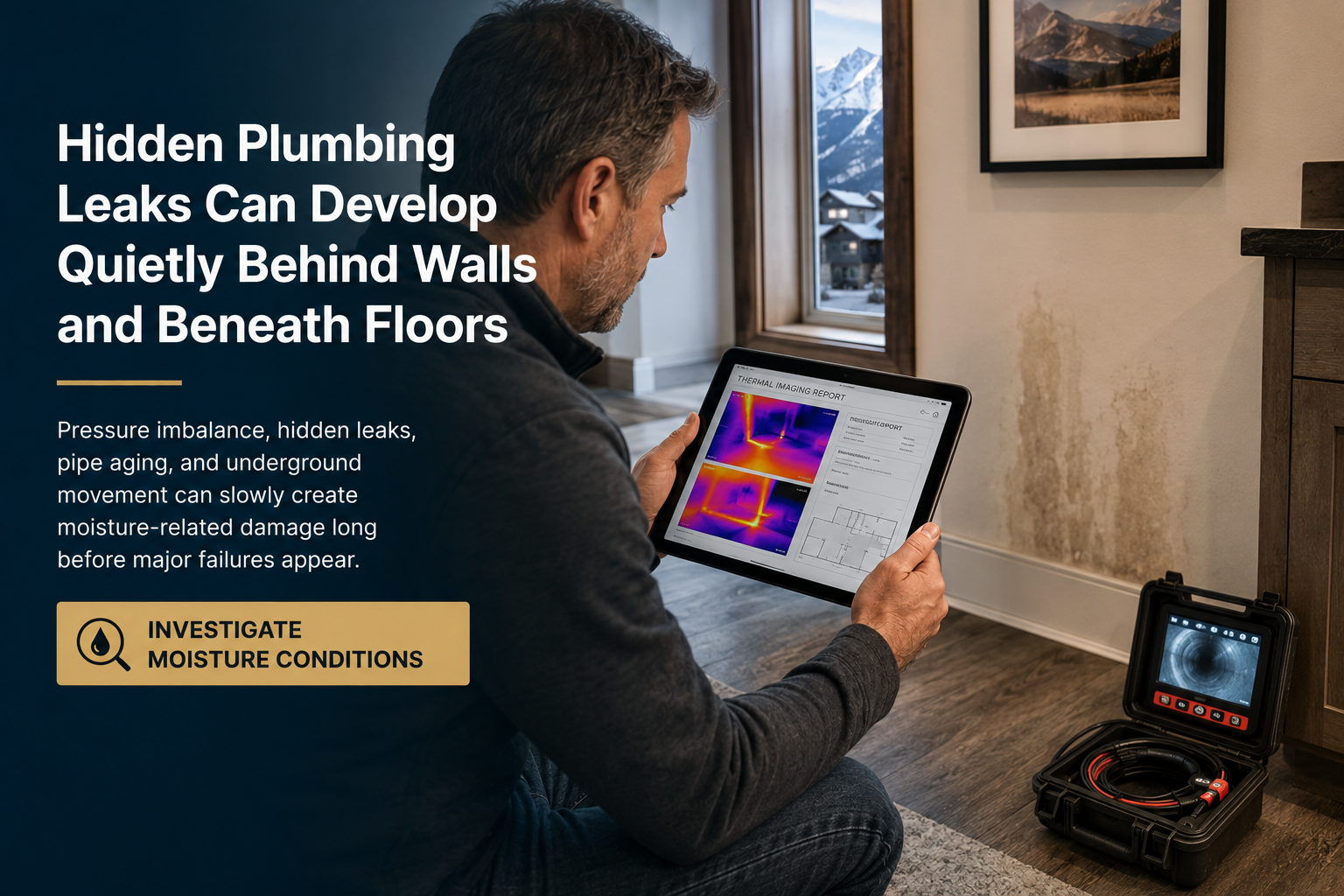
Rockford’s Industrial History Still Shapes Modern Plumbing Conditions
Large portions of Rockford expanded during periods of aggressive industrial and residential growth.
Manufacturing corridors drove housing development rapidly throughout the city during the twentieth century.
Neighborhoods built during those expansion eras often relied on plumbing materials now approaching the end of their functional lifespan.
Galvanized supply lines remain active in many older homes.
Cast iron drainage systems continue operating beneath properties constructed generations ago.
Contractors regularly uncover underground infrastructure that has already endured decades of freeze exposure, soil movement, mineral accumulation, and partial repair work.
Successive renovations layered newer plumbing sections onto older buried systems without fully replacing the original infrastructure underneath.
Pressure behavior changes every time modern materials connect into aging networks.
Some homes contain several plumbing generations operating simultaneously beneath the same property.
Underground instability usually develops where those transitions exist.
Freeze-Thaw Movement Constantly Stresses Buried Plumbing
Northern Illinois winters create continuous underground movement pressure across Rockford properties.
Frozen soil expands during severe cold periods.
Spring thaw cycles saturate surrounding ground rapidly.
Clay-heavy soil conditions shift laterally as moisture content changes throughout the year.
Buried water lines absorb those forces repeatedly.
Drainage systems gradually lose alignment beneath foundations and yards.
Contractors frequently identify recurring slab leak conditions tied directly to underground movement rather than isolated pipe defects.
Seasonal stress rarely damages infrastructure evenly.
Weakened sections deteriorate first.
Corroded fittings become vulnerable during pressure swings.
Older sewer laterals begin separating near joints after years of shifting soil exposure.
Many homeowners only notice the problem once backups, wet spots, or pressure loss appear inside the home.
Subsurface fatigue usually started much earlier.
Rockford Homes Commonly Experience Pressure Instability
Pressure-related plumbing problems develop quietly across many Rockford neighborhoods.
Internal pipe corrosion narrows active water pathways over time.
Municipal infrastructure fluctuations add another layer of inconsistency.
Older pressure regulators lose calibration after decades of operation.
Underground supply lines weakened by corrosion struggle to distribute water evenly during high-demand periods.
Contractors throughout Rockford regularly investigate complaints involving:
- Uneven fixture pressure
- Pulsing water flow
- Sudden temperature fluctuation in showers
- Pipe vibration sounds behind walls
- Delayed hot water delivery
- Pressure drops during simultaneous fixture use
- Repeated shutoff valve failures
- Water discoloration after municipal work
- Hidden slab seepage beneath flooring
- Seasonal pressure changes after freeze events
Most homeowners initially assume individual fixtures caused the issue.
Experienced plumbers often trace the problem back toward aging underground infrastructure instead.
Pressure instability rarely develops from one isolated condition alone.
Older Sewer Systems Create Hidden Fatigue Beneath Rockford Properties
Drainage infrastructure across many Rockford neighborhoods continues aging beneath homes built decades ago.
Tree root intrusion remains common near mature residential corridors.
Cast iron sewer systems corrode internally after long-term moisture exposure.
Freeze movement gradually separates buried joints.
Ground settlement alters drainage slope over time.
Contractors frequently discover underground sewer fatigue after homeowners report recurring slow drains or backups during heavy rain periods.
Storm saturation intensifies many of those conditions.
Rockford’s proximity to the Rock River introduces additional groundwater influence throughout portions of the region.
High moisture levels surrounding older sewer infrastructure accelerate deterioration beneath the surface.
Some homes experience hidden leakage from underground drain systems for years before visible symptoms emerge indoors.
Finished basements often conceal the earliest evidence.
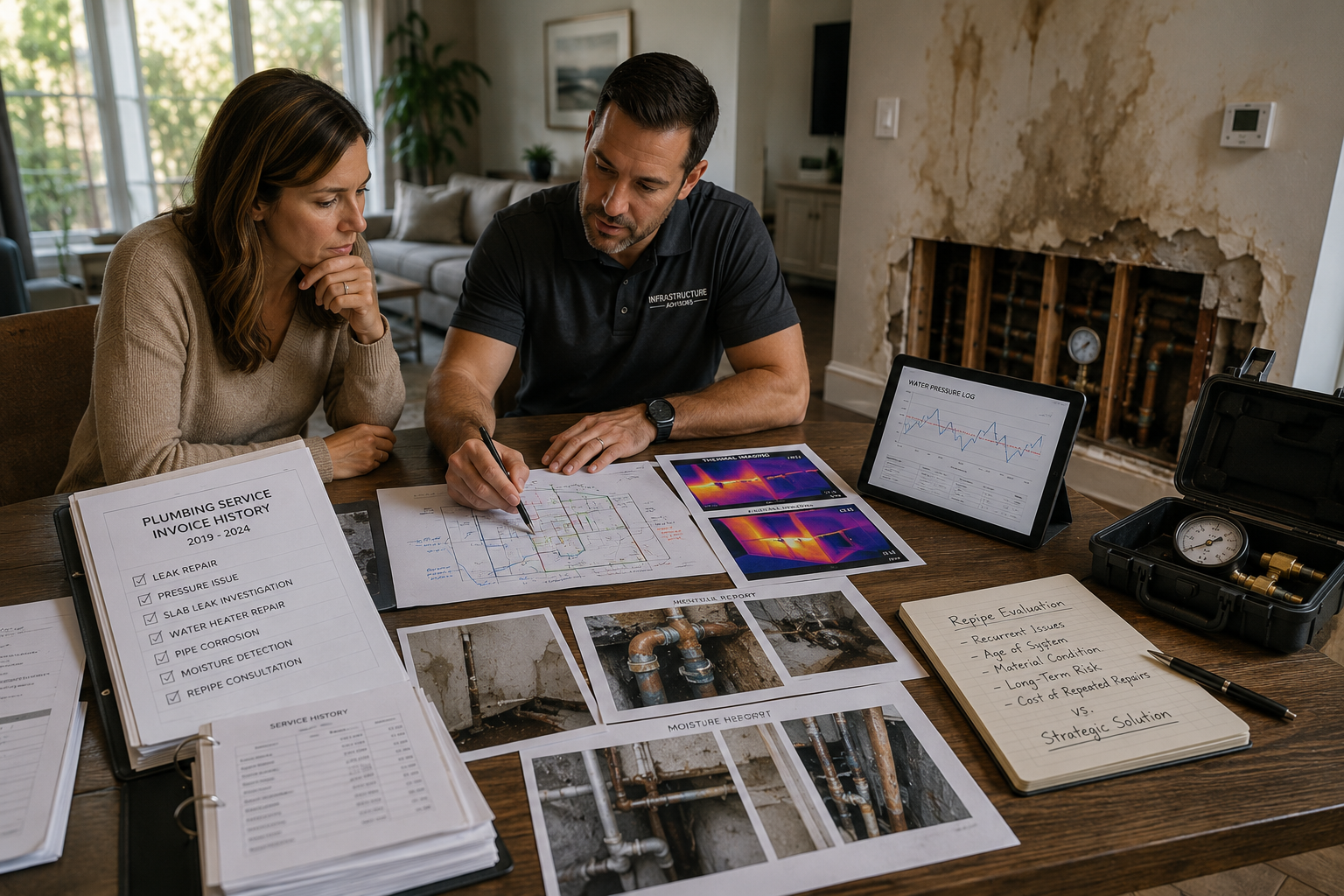
Historic Flooding and Water Events Shaped Regional Infrastructure Stress
Water has always influenced Rockford’s infrastructure behavior.
Major flood events along the Rock River repeatedly tested drainage systems, underground utilities, and residential foundations throughout the city’s history.
The 2008 Midwest flooding events exposed widespread vulnerability across northern Illinois infrastructure corridors after prolonged rainfall overwhelmed drainage capacity in many regions.
Residential plumbing systems absorbed smaller versions of those same environmental pressures.
Extended groundwater saturation weakens buried infrastructure gradually.
Drainage efficiency declines once sediment buildup, root intrusion, corrosion, and shifting soil conditions combine together underground.
Contractors who work extensively in older Rockford neighborhoods often describe seeing recurring infrastructure fatigue patterns near areas historically exposed to repeated saturation cycles.
Water movement changes underground systems permanently over time.
Aging Plumbing Materials Respond Poorly to Environmental Stress
Rockford homes frequently contain plumbing materials never intended to withstand modern demand loads combined with decades of environmental exposure.
Galvanized lines corrode internally while exterior pipe surfaces may still appear stable.
Copper joints fatigue after repeated thermal expansion and contraction cycles.
Older service connections weaken where underground movement applies continuous stress pressure.
Partial renovations create another category of instability.
Modern PEX or copper upgrades often connect into aging buried systems still operating underneath portions of the property.
Pressure behavior changes across every transition point.
Contractors commonly identify failures near those interfaces because different materials react differently to movement, moisture, and temperature changes.
Homeowners may believe the plumbing system was fully updated years earlier.
Underground infrastructure frequently tells a different story once excavation begins.
Contractors in Rockford Often Detect Broader Structural Patterns
Plumbing symptoms rarely exist independently from surrounding environmental conditions.
Experienced contractors throughout Rockford regularly connect underground plumbing problems with larger property movement indicators.
Basement wall cracking may align with buried line separation.
Recurring slab moisture sometimes traces back to underground supply fatigue.
Driveway shifting occasionally mirrors soil movement affecting sewer laterals beneath the yard.
Certain warning signs appear repeatedly across older Rockford homes:
- Basement seepage near utility penetrations
- Wet lawn sections without irrigation activity
- Water meter movement during inactive periods
- Drain backups after freeze-thaw cycles
- Foundation settlement near plumbing corridors
- Increased mineral buildup around fixtures
- Pipe noise during pressure transitions
- Sewer odor near basement drains
- Moisture beneath finished flooring
- Pressure inconsistency after municipal utility work
Most catastrophic failures begin with subtle environmental changes homeowners initially overlook.
Contractors usually recognize the pattern much earlier.
Modern Water Demand Creates Additional Stress
Original plumbing systems throughout Rockford were designed for entirely different household usage patterns.
Older infrastructure now supports modern appliance demand, larger bathrooms, expanded kitchens, water filtration systems, irrigation setups, and high-capacity fixtures that never existed when many neighborhoods were first developed.
Pressure loads increase substantially under those conditions.
Underground supply systems already weakened by corrosion or movement struggle to maintain stable performance.
Freeze exposure amplifies the imbalance further during winter demand peaks.
Contractors often encounter homes where modern remodeling projects unintentionally accelerated hidden infrastructure fatigue underneath the property.
The visible plumbing problem appears inside the home.
The larger stress usually exists underground.
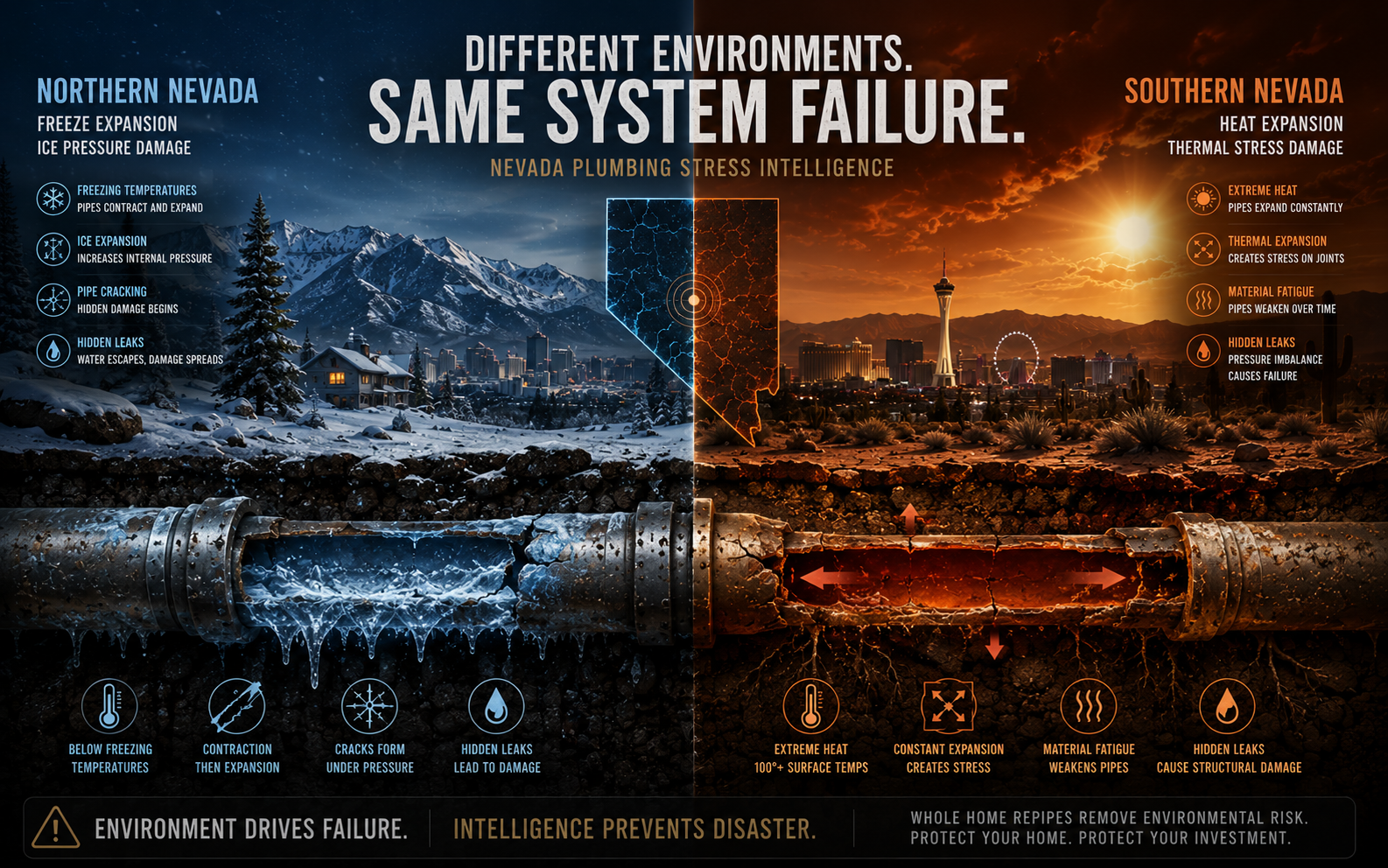
Underground Plumbing Fatigue Develops Slowly Before Escalating
Most major plumbing failures across Rockford begin through gradual infrastructure decline rather than sudden isolated events.
Seasonal soil movement weakens buried joints over time.
Corrosion slowly reduces pipe wall integrity.
Pressure instability develops across aging supply systems.
Drainage alignment shifts after repeated freeze cycles.
Groundwater saturation changes surrounding support conditions beneath foundations and yards.
Eventually, one stressed section reaches its limit.
Water escapes where structural resilience disappeared first.
Drain systems collapse where underground fatigue had already been progressing for years.
Visible damage often feels sudden to homeowners.
The environmental pressure behind it had usually been building silently underneath the property long beforehand.
Rockford homes operate inside overlapping infrastructure conditions shaped by industrial-era construction, freeze exposure, groundwater movement, soil expansion, and aging buried systems.
Understanding those patterns helps homeowners identify risk earlier.
Better plumbing decisions begin before underground fatigue becomes structural damage.