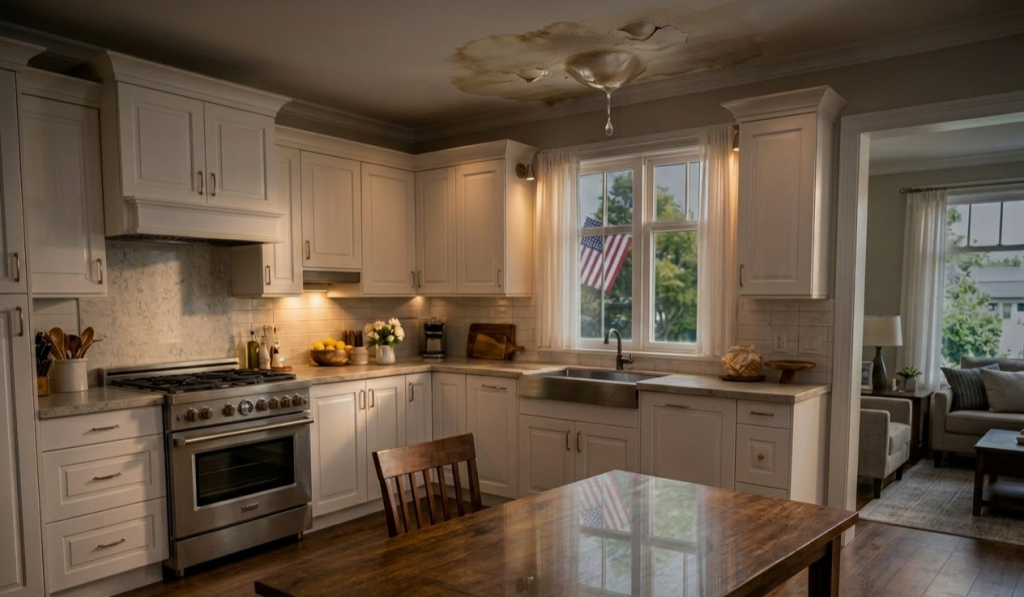
Chicago Plumbing Systems Under Aging Infrastructure Stress
How This Helps Homeowners
Chicago plumbing problems rarely begin with a single broken pipe.
Most failures develop slowly underneath homes, behind masonry walls, beneath streets, or inside aging utility corridors that have been operating for generations.
Historic neighborhoods across the city still contain plumbing infrastructure installed during entirely different construction eras.
Older supply lines interact with modern fixtures.
Legacy drainage systems operate beside partial renovations.
Century-old water pathways continue carrying pressure loads they were never designed to support long term.
This research helps homeowners understand why recurring plumbing issues often point toward larger infrastructure stress conditions instead of isolated repairs.
Contractors throughout Chicago repeatedly uncover hidden deterioration long before homeowners ever see visible damage.
Pressure instability.
Underground corrosion.
Drainage fatigue.
Freeze expansion.
Foundation settlement.
Layered modifications from multiple decades.
Awareness changes how homeowners evaluate risk.
Better decisions happen earlier when people understand the environmental conditions shaping plumbing behavior across Chicago neighborhoods.
Infrastructure age matters.
System interaction matters more.
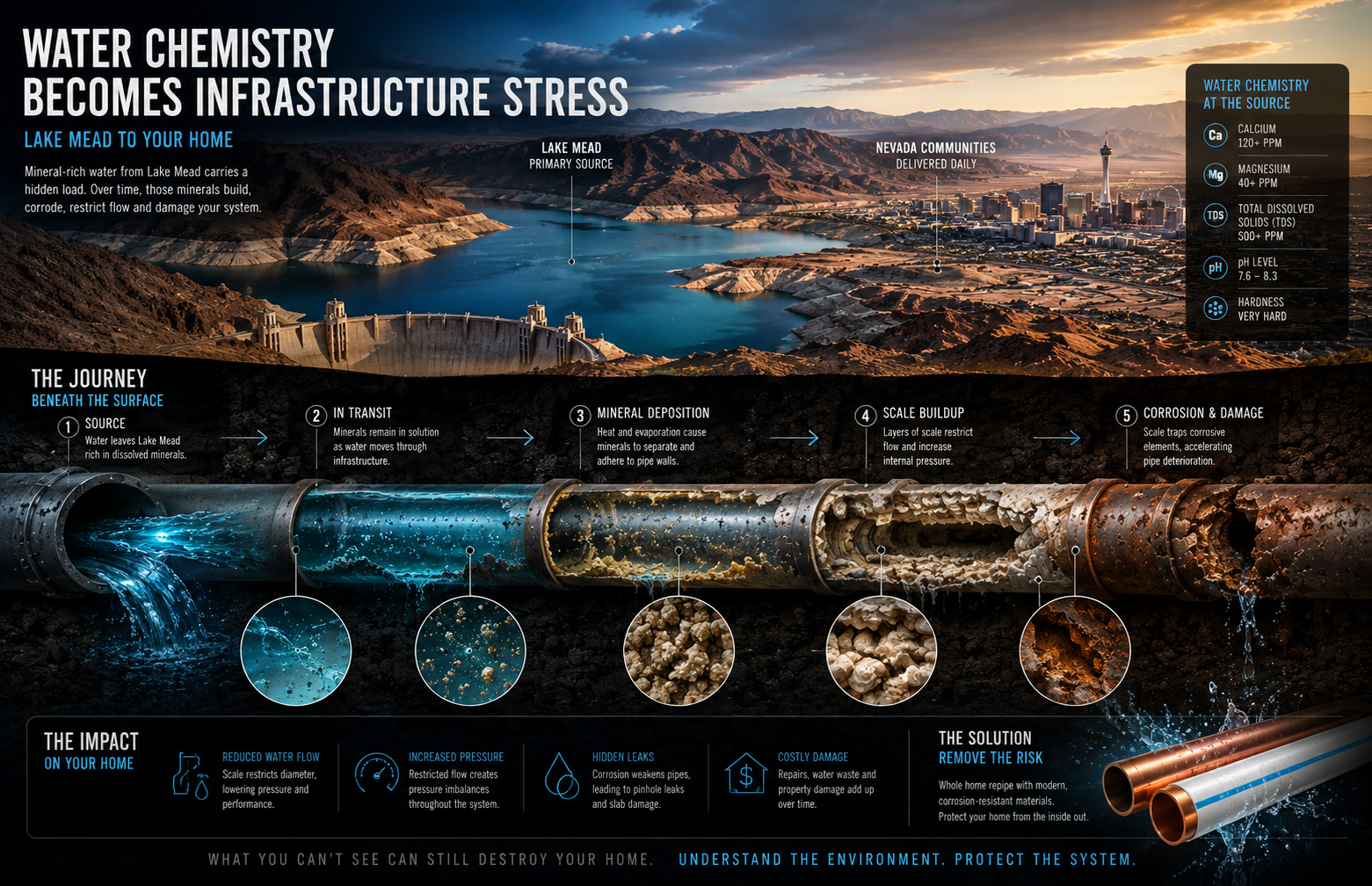
Chicago Was Built in Layers — Plumbing Systems Were Too
Chicago expanded rapidly during multiple industrial and population booms.
Entire neighborhoods emerged during different construction generations with entirely different material standards.
Some homes still contain original galvanized piping.
Others operate with cast iron drainage installed before modern sewer standards evolved.
Many properties contain combinations of copper, PVC, steel, lead-era remnants, and retrofit materials all functioning together simultaneously.
Contractors frequently discover evidence of partial repairs stacked across decades.
One section gets updated.
Another remains untouched.
Pressure behavior changes after every modification.
Drainage patterns shift once newer systems connect into older infrastructure.
Transitions become stress points.
Historic workers’ neighborhoods often reveal the most complex conditions because homes experienced repeated renovations without full infrastructure replacement.
Chicago plumbing systems rarely exist as one continuous installation.
Most function as layered timelines of construction history.
Freeze Cycles Continuously Stress Aging Chicago Infrastructure
Winter exposure remains one of the largest hidden pressures on Chicago plumbing systems.
Frozen ground expands around underground lines every year.
Temperature swings force metal systems through repeated contraction and expansion cycles.
Older materials weaken under that movement over time.
Galvanized pipe threads loosen gradually.
Cast iron joints separate slowly.
Valve assemblies fatigue after decades of seasonal pressure change.
Meanwhile, uninsulated sections inside older homes remain vulnerable to freeze exposure during extreme cold events.
Contractors throughout Chicago often trace recurring leaks back to long-term thermal stress rather than sudden isolated failures.
Deep winter conditions also expose weaknesses already developing beneath the surface.
Pipe walls narrowed by corrosion experience higher pressure resistance.
Water movement becomes less stable.
Pressure spikes intensify around compromised fittings.
A single freeze event may appear responsible for visible failure.
Usually, the underlying deterioration started years earlier.
Chicago’s Underground Infrastructure Creates Hidden Pressure Zones
Few cities in America rely on underground infrastructure networks as extensive as Chicago.
Water mains, sewer corridors, transportation tunnels, utility systems, and drainage networks intersect constantly beneath the city.
That complexity affects residential plumbing behavior directly.
Aging municipal systems create pressure inconsistencies across different neighborhoods.
Historic water main failures continue surfacing throughout older sections of the city.
Street vibration from trains, traffic, and heavy construction activity places additional stress on underground lines nearby.
Contractors frequently identify recurring plumbing movement near infrastructure corridors experiencing long-term vibration exposure.
Flood management history shaped many of these underground systems as well.
The reversal of the Chicago River in 1900 dramatically transformed regional water engineering and drainage behavior.
Large-scale drainage infrastructure solved major sanitation problems while simultaneously creating generations of interconnected underground dependency.
Residential systems eventually became tied into those broader infrastructure layers.
Modern homeowners often inherit the consequences decades later.
Basement Moisture Became Normalized Across Many Neighborhoods
Large numbers of Chicago homeowners grew accustomed to some level of basement seepage.
Older homes throughout the city were built during periods when moisture management expectations differed substantially from modern standards.
Brick foundations absorb water differently than newer construction systems.
Drainage tile systems deteriorate gradually beneath aging homes.
Hydrostatic pressure increases after prolonged rain exposure or snowmelt saturation.
Contractors repeatedly uncover hidden damage behind finished basement walls where long-term moisture remained undetected for years.
Mold growth becomes secondary evidence of broader infrastructure fatigue.
Drain line deterioration often develops simultaneously.
Cast iron stacks corrode internally while surrounding environments remain damp for extended periods.
Water intrusion accelerates structural aging across plumbing supports, mechanical spaces, and utility penetrations.
Finished basements frequently conceal the earliest warning signs.
Visible flooding usually arrives late in the sequence.
Historic Housing Stock Carries Legacy Material Risk
Chicago contains one of the nation’s largest inventories of aging residential housing.
Many neighborhoods still rely on plumbing materials installed generations ago.
Galvanized supply lines remain common throughout older homes.
Internal corrosion slowly restricts flow capacity over decades.
Water pressure declines gradually enough that homeowners often normalize the change.
Rust-colored water commonly signals advanced internal deterioration.
Lead service line concerns continue across portions of Chicago because infrastructure installation standards predated modern health regulations.
Partial replacements create additional complications.
Newer materials connected into aging systems may change pressure dynamics unexpectedly.
Electrolysis risk increases when incompatible metals interact improperly.
Contractors frequently encounter abandoned lines hidden inside walls or ceilings from previous retrofit attempts.
Some homes contain plumbing remnants from several different eras operating simultaneously.
Every transition introduces another possible failure point.
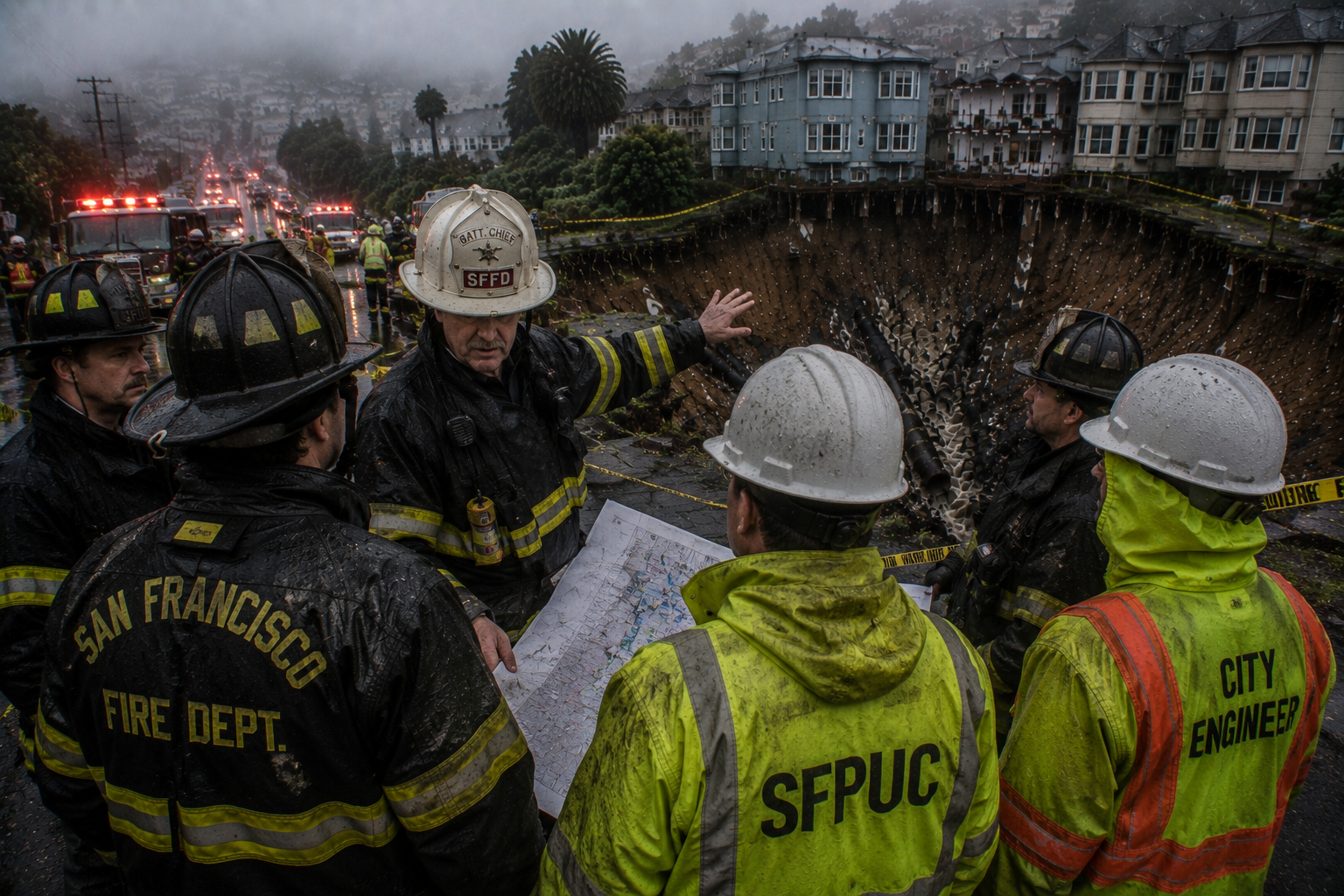
Chicago Contractors Often See Systemic Problems First
Experienced plumbers across Chicago rarely focus only on the visible symptom.
Recurring patterns usually reveal broader infrastructure behavior.
A homeowner notices fluctuating shower pressure after nearby street work.
Another discovers recurring backups during heavy rain periods.
Some properties develop foundation cracking near utility entry points.
Others experience persistent drainage odor from deteriorating venting systems.
Contractors consistently uncover hidden infrastructure fatigue underneath seemingly unrelated complaints.
Common warning indicators include:
- Slow pressure decline across multiple fixtures
- Basement seepage near utility penetrations
- Corroded shutoff valves and fittings
- Cast iron scaling inside drain systems
- Sewer backups after major storms
- Water discoloration from aging supply lines
- Pipe movement noises during winter temperature swings
- Uneven drainage performance between floors
- Moisture damage behind finished basement walls
- Hidden leaks beneath slab or masonry structures
Visible failure rarely represents the beginning of the problem.
Most Chicago plumbing systems communicate distress long before catastrophic damage occurs.
Industrial Growth Created Long-Term Plumbing Complexity
Chicago expanded aggressively during industrial growth eras when speed often mattered more than long-term infrastructure consistency.
Dense worker housing developed rapidly near manufacturing corridors.
Material availability shifted between decades.
Construction standards evolved unevenly.
Large apartment buildings introduced additional plumbing load complexity.
Commercial conversions later changed usage demands inside originally residential structures.
Contractors throughout Chicago commonly encounter buildings operating under entirely different pressure loads than they were initially designed to support.
Modern appliance demand also transformed system behavior.
Tankless systems.
Luxury showers.
Multi-bathroom renovations.
High-efficiency fixtures.
Water filtration systems.
Irrigation additions.
Each upgrade changes how pressure distributes across aging infrastructure.
Older plumbing rarely responds predictably once modern demand layers get introduced.
Infrastructure stress increases quietly until one section finally fails.
Flooding History Continues Shaping Chicago Plumbing Conditions
Chicago’s relationship with water has always influenced infrastructure behavior.
Lakefront exposure, river engineering, stormwater management, and urban drainage systems all shape residential plumbing conditions today.
Major rain events repeatedly test aging sewer infrastructure.
Combined sewer overflow conditions still affect portions of the metro region during extreme storms.
Backflow risk increases when overwhelmed drainage systems lose efficiency.
Contractors often discover root intrusion inside older sewer laterals throughout tree-dense neighborhoods.
Long-term saturation weakens underground pipe stability further.
Some of the city’s oldest homes sit inside areas that experienced repeated flood adaptation efforts across generations.
Every infrastructure modification created new interactions between groundwater, drainage behavior, and residential plumbing systems.
Modern homeowners frequently inherit those layered conditions without realizing it.
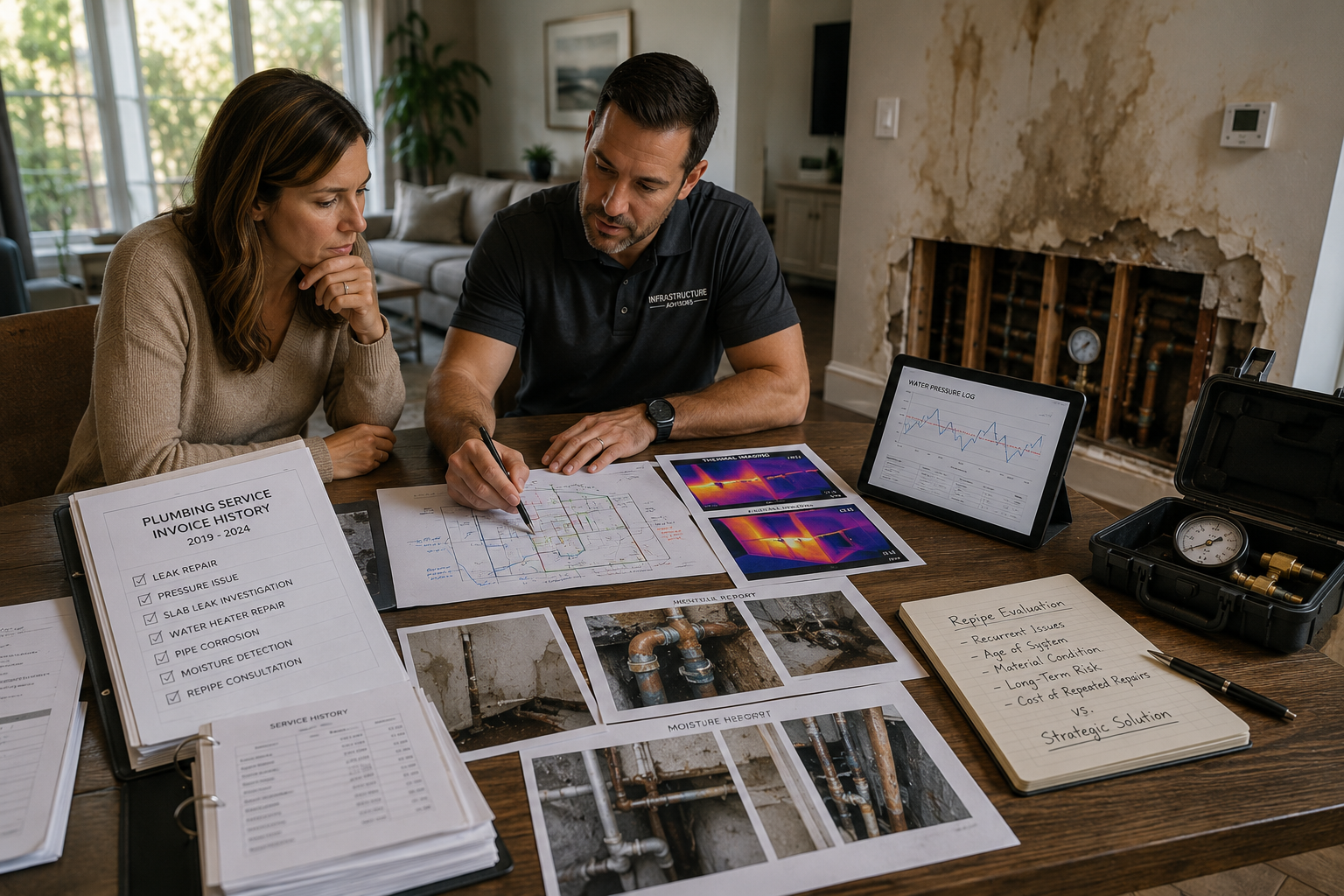
Chicago Plumbing Failures Usually Begin Quietly
Most catastrophic plumbing events across Chicago start with small invisible changes.
Pressure fluctuates slightly after years of corrosion buildup.
Minor seepage develops beneath basement flooring.
A drain slows during heavy rain.
Pipe vibration increases during winter temperature swings.
Then the system crosses a threshold.
An aging fitting separates.
A buried line collapses.
Freeze expansion ruptures weakened piping.
Storm saturation overwhelms deteriorating drainage systems.
Visible damage appears suddenly.
Infrastructure stress had usually been building for decades beforehand.
Chicago homes operate inside one of America’s most historically layered urban environments.
Construction era, municipal infrastructure age, freeze exposure, groundwater behavior, and renovation history all interact beneath the surface simultaneously.
Understanding those conditions helps homeowners identify risk earlier.
Better plumbing decisions begin before the emergency arrives.