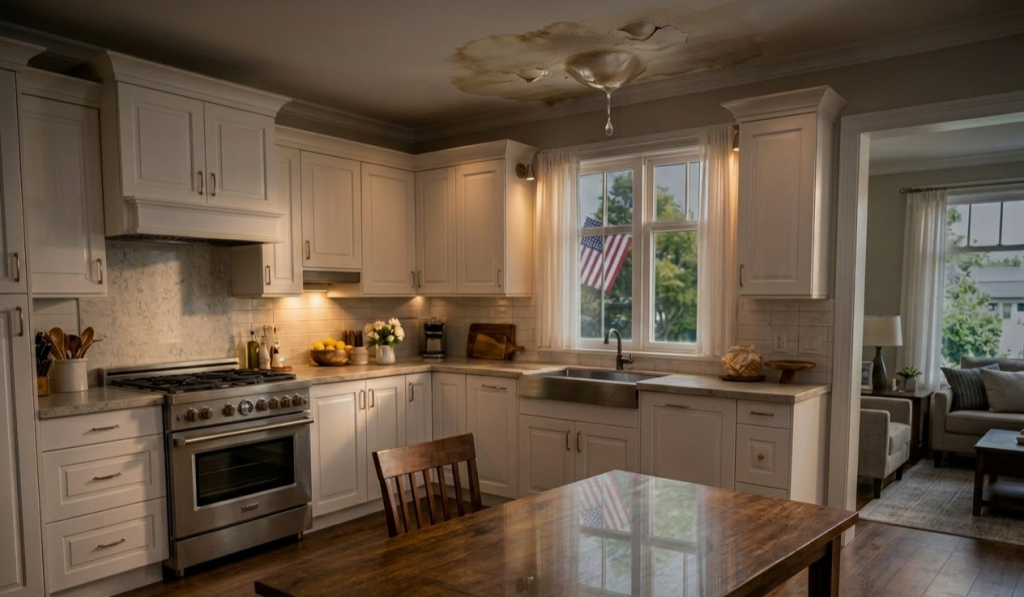
Newark DE Aging Plumbing Infrastructure and Water Pressure Problems
How This Helps Homeowners
This page helps homeowners in Newark understand why water pressure problems often signal deeper issues inside aging plumbing systems.
Pressure changes rarely originate from a single fixture.
They reflect how the entire system is performing under stress.
Recognizing these patterns allows homeowners to:
- identify whether pressure issues are localized or system-wide
- understand why flow declines even when no visible leak exists
- avoid repeated fixture replacements that do not solve the root cause
- make informed decisions about repair versus full system correction
- reduce the risk of hidden pipe failure tied to internal deterioration
The goal is system awareness.
Because pressure behavior is one of the earliest indicators of plumbing instability.
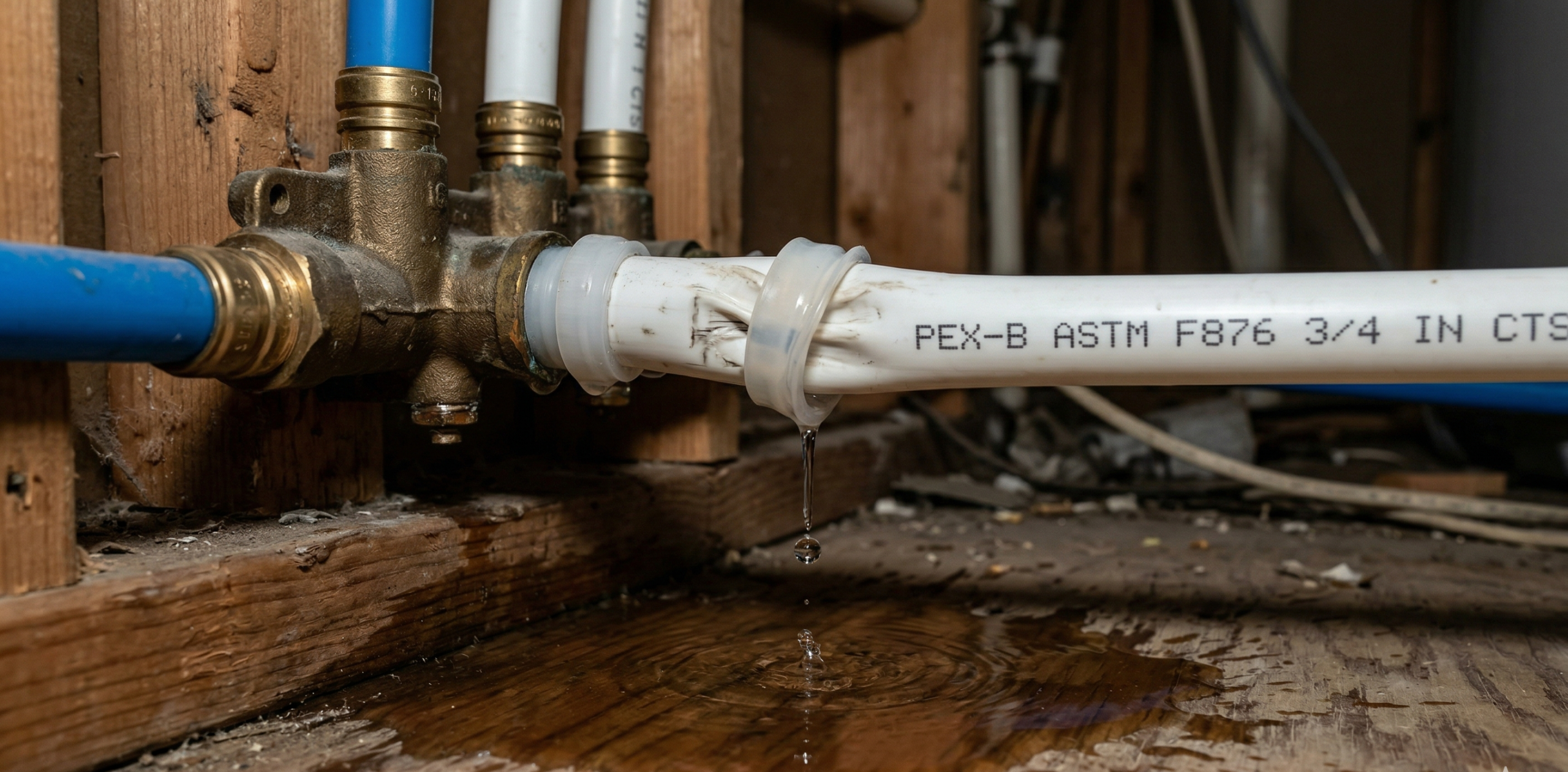
Newark — Aging Infrastructure + Pressure Imbalance Environment
Failure Stack
- Legacy Material Degradation
- Internal Flow Restriction (scale, corrosion)
- Municipal Pressure Variation
- Mixed-Material Retrofit Stress
- Demand Load Expansion
- Undetected Leak Influence
- Valve and Regulator Degradation
Result
Newark plumbing systems develop pressure problems where aging infrastructure meets modern demand.
Pipes restrict internally over time.
Pressure fluctuates across different areas of the home.
Older systems struggle to maintain consistent delivery.
This creates imbalance.
The system continues functioning, but no longer operates evenly.
The Newark Infrastructure Profile
Older Systems Continue Operating Beyond Design Limits
Many homes in Newark were built with plumbing systems designed for earlier usage patterns.
Those systems often remain in place today.
Common materials include:
- galvanized supply piping
- aging copper systems
- older valve assemblies
- mixed upgrades from past renovations
These systems rarely fail all at once.
Instead, they degrade internally while still delivering water.
That creates a misleading sense of reliability.
Flow remains present.
Performance declines quietly.
Internal Restriction and Flow Loss
Pressure Problems Often Begin Inside the Pipe
Over time, internal pipe conditions change.
Galvanized lines accumulate corrosion buildup.
Copper systems may develop mineral scale or internal wear.
Older fittings create friction points within the system.
These factors reduce the effective diameter of the pipe.
Water still moves through the system, but with increased resistance.
This results in:
- reduced flow at fixtures
- delayed pressure response
- uneven performance between different areas of the home
The issue is not always visible externally.
It develops within the system itself.
Pressure Imbalance Across the Home
Distribution Becomes Uneven as Systems Age
In a stable plumbing system, pressure is distributed consistently.
As infrastructure ages, that balance breaks down.
Some areas may receive adequate flow.
Other areas experience noticeable reduction.
Upper levels often show the first signs.
Fixtures located farther from the main supply line may lose pressure sooner.
This creates a pattern where performance varies depending on location within the home.
The system is no longer operating as a unified network.
Municipal Supply and Pressure Variation
External Supply Interacts With Internal Limitations
Water pressure entering the home may vary due to municipal system conditions.
In Newark, supply pressure can fluctuate based on:
- time of day usage patterns
- infrastructure load in surrounding areas
- system maintenance or changes
- neighborhood demand levels
A newer plumbing system can typically absorb these variations.
An aging system cannot.
Internal restrictions amplify external fluctuations.
Small changes in incoming pressure become more noticeable inside the home.
Mixed-Material Systems and Transition Stress
Partial Upgrades Create Performance Gaps
Many Newark homes have undergone partial plumbing updates.
New piping may connect to older sections of the system.
This introduces differences in:
- internal diameter
- material condition
- flow characteristics
- pressure tolerance
These differences create transition points where stress concentrates.
Water moving from a newer section into an older, restricted pipe experiences resistance.
That resistance affects pressure delivery downstream.
Localized improvements do not always translate into system-wide performance gains.

Hidden Leaks and Pressure Behavior
Small Losses Affect Overall System Performance
Not all leaks present as visible damage.
Minor leaks within walls, beneath floors, or underground can alter pressure conditions.
Even a small continuous loss affects system balance.
Pressure may drop more quickly during use.
Recovery time may increase after fixtures are turned off.
Because the leak is not visible, the issue may be misinterpreted as general pressure decline.
Understanding pressure behavior helps identify when hidden loss may be present.
Valve, Regulator, and Control Point Degradation
Mechanical Components Influence Pressure Stability
Pressure is not controlled by piping alone.
Valves, regulators, and shutoff points play a critical role.
Over time, these components degrade.
Internal seals wear out.
Adjustment mechanisms lose accuracy.
Flow restriction develops within the component itself.
When these elements fail, pressure may fluctuate unpredictably.
Replacing fixtures without addressing control components does not resolve the underlying issue.
Demand Load and Modern Usage
Higher Usage Increases System Stress
Today’s homes place greater demand on plumbing systems than when many Newark properties were built.
Additional fixtures, higher-capacity appliances, and increased daily usage all contribute to higher system load.
This amplifies existing weaknesses.
Restricted pipes struggle to deliver adequate flow under demand.
Pressure drops become more noticeable during simultaneous usage.
The system operates under continuous strain.
That accelerates the progression of underlying issues.
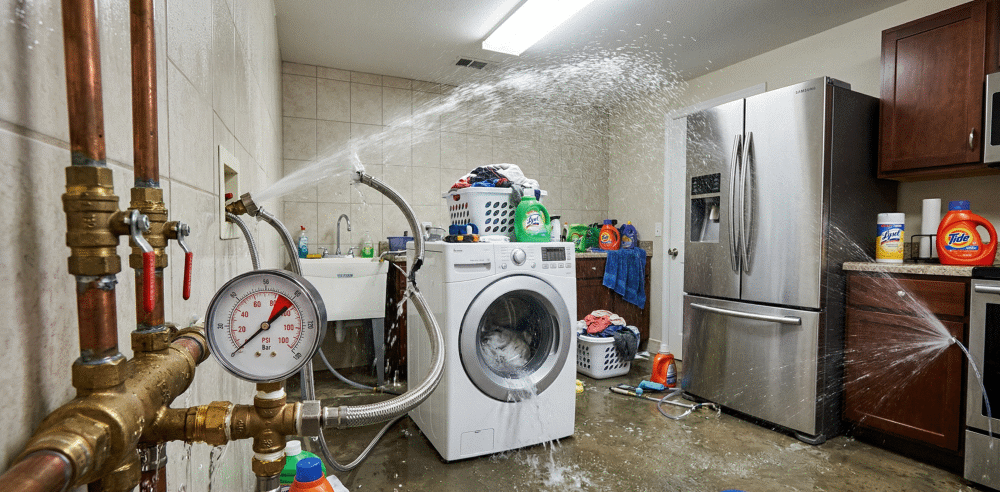
Common Newark Pressure Failure Signatures
Patterns Homeowners Typically Notice
Pressure-related issues in Newark often appear through consistent system behaviors.
Homeowners may experience:
- gradual loss of water pressure over time
- uneven flow between fixtures
- pressure drops when multiple fixtures are in use
- slow recovery after water usage
- inconsistent performance throughout the day
- recurring need to adjust or replace fixtures
These patterns reflect system-wide conditions rather than isolated fixture problems.
Why Fixture-Level Fixes Often Fail
The Problem Exists Upstream
Replacing a faucet or showerhead may temporarily improve performance.
However, fixture-level solutions do not address internal pipe conditions.
The restriction remains within the system.
Pressure imbalance continues to develop.
This leads to repeated frustration as symptoms return.
Effective resolution requires evaluating the entire plumbing network.
Final Positioning Statement
Newark homes experience water pressure problems because aging plumbing infrastructure gradually restricts flow and disrupts system balance.
As internal conditions change and demand increases, pressure becomes inconsistent across the home.
What appears to be a simple pressure issue is often the result of long-term system degradation occurring inside the plumbing network.