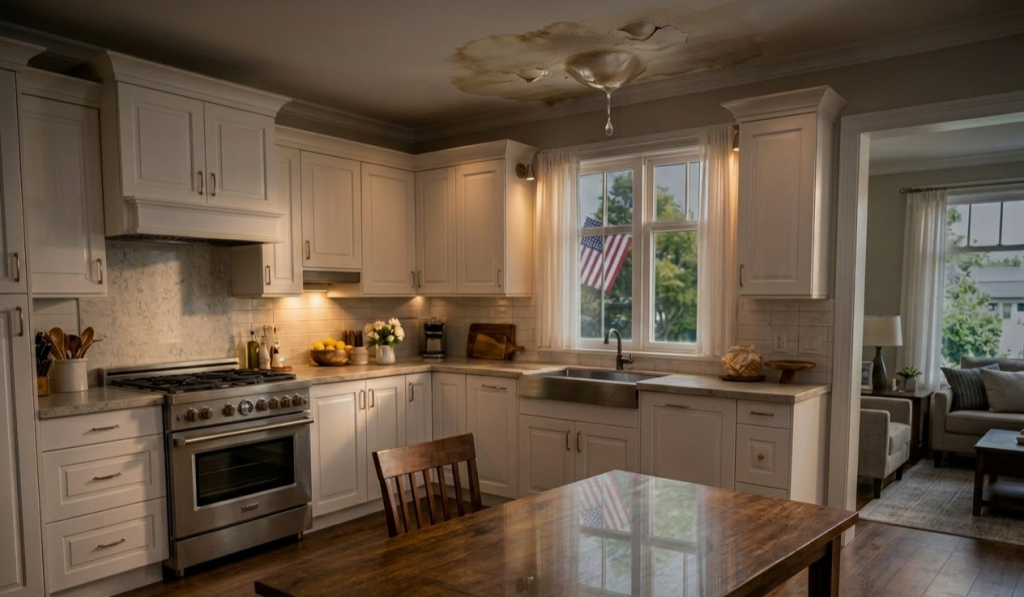
Colorado Springs Hard Water and Underground Pipe Damage Risks
How This Helps Homeowners
Most plumbing failures in Colorado Springs do not start where you can see them.
They start inside the pipe.
Or below the ground.
The drop in water pressure.
The water heater that keeps failing.
The recurring slab leak.
The pinhole leak that appears without warning.
The underground line that suddenly gives way.
These are connected.
This matters because most homeowners repair the visible issue without understanding the system conditions creating it.
A pipe repair may fix the leak.
But it does not stop:
- mineral scale buildup inside pipes
- underground soil movement and stress
- pressure imbalance from restriction
- corrosion acceleration inside the system
- long-term degradation of buried lines
- recurring stress at weak points
Colorado Springs plumbing systems operate under two constant forces:
Internal restriction.
External movement.
Understanding both changes how you evaluate repairs, replacements, and long-term risk.
The goal is not alarm.
The goal is visibility into what is happening beneath the surface.
Modeled from the national framework at Home Failure Intelligence.
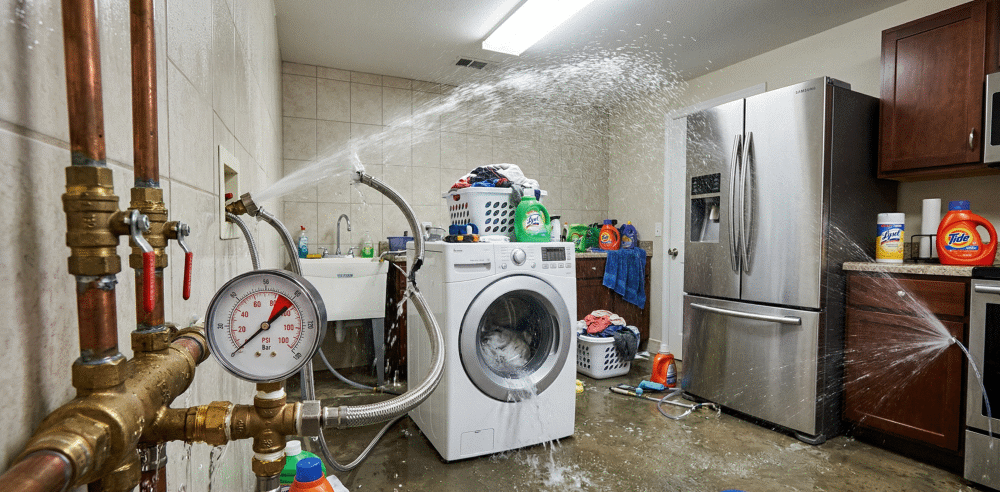
Colorado Springs Is A Dual-Stress Environment
Colorado Springs combines two high-impact plumbing conditions:
Hard water inside the system.
Ground movement outside the system.
Many regions experience one of these.
Colorado Springs experiences both at the same time.
This creates a compounding effect.
The pipe is being restricted from within.
While being stressed from the outside.
Over time, this reduces the system’s ability to handle normal pressure and demand.
The Colorado Springs Failure Stack
Homes in this region commonly experience:
- Hard Water / Scale Failure
- Underground Pipe Stress / Soil Movement
- Freeze-Thaw Expansion Pressure
- Elevation-Driven Pressure Variation
- Aging or Mixed Material Systems
- Installation Variability from Growth
This combination increases the likelihood of hidden failures developing long before visible symptoms appear.
Hard Water Builds Pressure From The Inside
Colorado Springs sits in a high mineral-content water region.
Hard water contains dissolved minerals that accumulate over time.
These minerals attach to pipe walls and internal components.
This creates scale.
Scale reduces internal diameter.
Flow becomes restricted.
Pressure behavior changes.
Instead of smooth distribution, the system develops resistance points.
This leads to:
- reduced water pressure at fixtures
- longer hot water delivery times
- increased strain on water heaters
- buildup inside valves and fittings
- localized pressure concentration
- accelerated wear at connection points
Hard water does not break pipes directly.
It changes how pressure moves through the system.
And that change creates weak points.
Underground Pipes Experience Constant Movement
Colorado Springs soil conditions introduce external stress to buried plumbing systems.
Expansive soils move with moisture variation.
Dry periods shrink the ground.
Wet periods expand it.
Winter adds freeze-thaw movement.
This movement affects:
- water service lines
- sewer laterals
- underground supply lines
- slab-embedded plumbing
- yard irrigation systems
The result is continuous micro-movement.
Over time, this creates:
- pipe misalignment
- joint stress
- cracking at fittings
- slow leak development
- eventual pipe failure
The underground system is rarely static.
It is constantly adjusting to environmental conditions.
When Internal Restriction Meets External Stress
Hard water and soil movement do not operate separately.
They interact.
A restricted pipe cannot handle pressure changes as effectively.
A stressed pipe cannot tolerate internal resistance as well.
When both conditions exist, the system becomes more fragile.
This creates:
- slab leaks
- pinhole leaks
- underground line breaks
- recurring leak zones
- pressure imbalance throughout the home
The failure is not caused by one force.
It is caused by the combination.
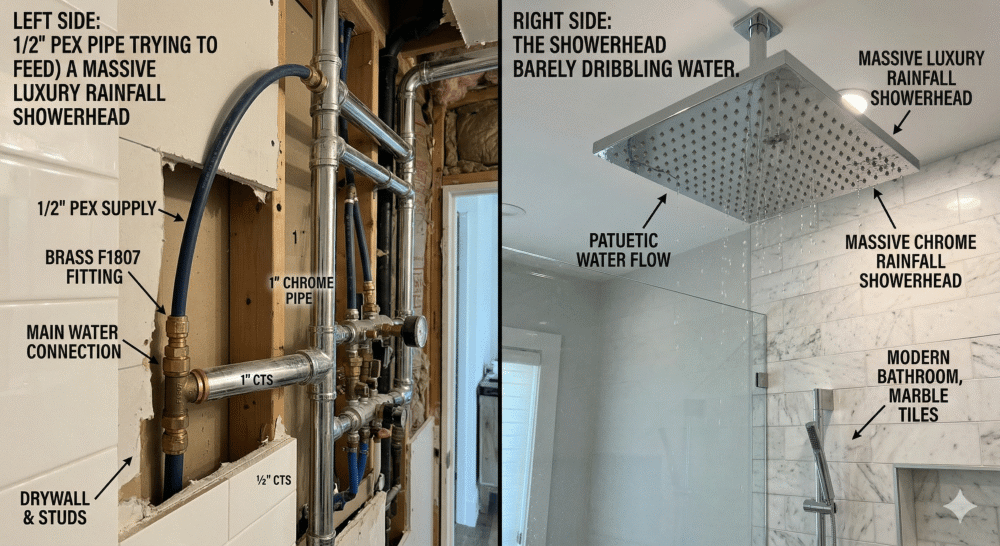
Freeze-Thaw Cycles Add Additional Pressure
Colorado Springs experiences regular freeze conditions.
Water expands when frozen.
That expansion increases internal pressure.
At the same time, frozen ground shifts the soil around buried pipes.
This creates dual stress:
- internal expansion pressure
- external ground movement
If the pipe is already restricted by scale or weakened by movement, freeze-thaw cycles accelerate failure.
Many underground leaks appear after winter because the system has been stressed repeatedly.
Elevation Changes System Behavior
Colorado Springs elevation introduces additional pressure complexity.
Water must move across vertical distance.
This creates uneven pressure distribution.
Systems rely on regulators and design balancing to compensate.
But when combined with:
- hard water restriction
- underground movement
- freeze exposure
pressure becomes less stable.
Variation increases wear.
Wear leads to failure.
Water Heaters And Appliances Take The First Hit
Hard water typically shows up first in appliances.
Especially:
- water heaters
- tankless systems
- recirculation loops
- dishwashers
- washing machines
Scale buildup reduces efficiency.
Heat transfer decreases.
Components overwork.
Failure cycles accelerate.
Homeowners often replace equipment repeatedly without addressing the underlying water condition.
The system continues degrading.
Underground Failures Are Often Hidden Until Late
One of the biggest risks in Colorado Springs is delayed visibility.
Underground plumbing can fail slowly.
Leaks may develop without immediate surface signs.
By the time symptoms appear, damage may already include:
- foundation moisture intrusion
- soil destabilization
- slab cracking
- water loss
- structural impact
This is why underground failures often feel sudden.
But they are usually the result of long-term system stress.

Colorado Springs Plumbing Failures Are Layered
A homeowner may think:
“The pipe just failed underground.”
But the full system condition may include:
- mineral scale restricting internal flow
- soil movement stressing the pipe externally
- freeze-thaw cycles increasing pressure
- elevation creating imbalance
- prior installation limitations
The visible failure is the final stage.
Not the origin.
The Real Colorado Springs Plumbing Pattern
Colorado Springs plumbing systems operate under constant dual pressure:
Internal restriction from hard water.
External stress from soil movement.
Layer in:
- freeze-thaw cycles
- elevation variation
- system demand
- installation quality
And the result is a high-risk environment for hidden plumbing failure.
Understanding this changes how homeowners approach:
- water treatment decisions
- underground leak evaluation
- repipe considerations
- pressure management
- long-term system planning
Because in Colorado Springs, the biggest plumbing risks are not always visible.
They are developing quietly inside the pipe.
And beneath the ground.