Denver Plumbing Systems Under Freeze-Thaw and Elevation Stress
How This Helps Homeowners
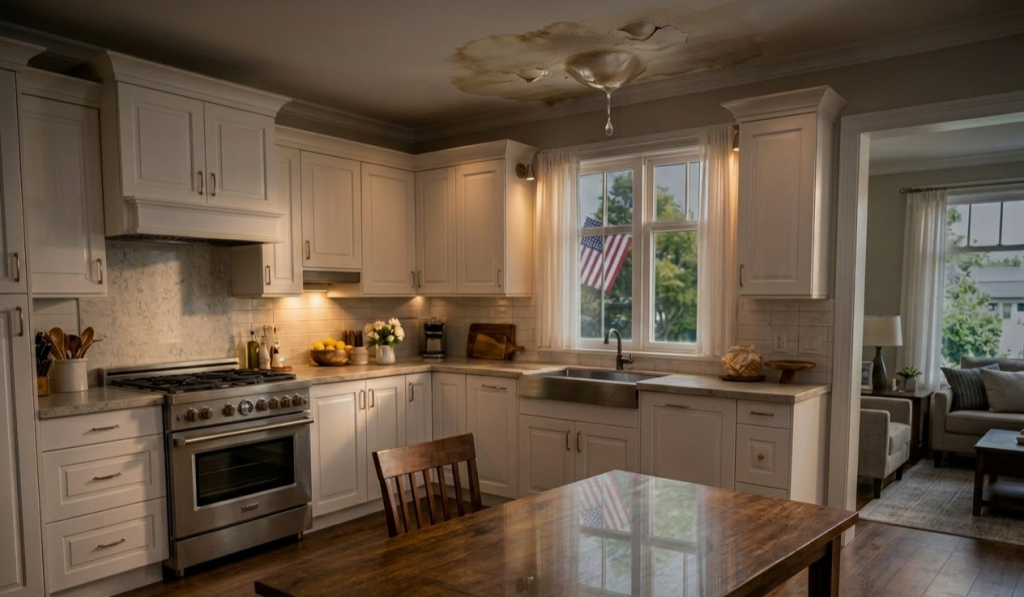
Most Denver plumbing failures are not sudden.
They are built over time by environmental pressure.
The frozen pipe in winter.
The pressure fluctuation in a multi-level home.
The recurring leak near the foundation.
The inconsistent hot water.
The cracked underground line after a cold season.
These issues are usually connected.
Not isolated.
This matters because most homeowners fix the visible problem without seeing the system creating it.
A repair may stop the leak.
But it does not stop:
- freeze-thaw expansion cycles
- elevation-driven pressure variation
- expansive soil movement
- mineral scale buildup
- long-run system stress
- construction-era installation weaknesses
Denver homes operate inside a repeatable stress pattern.
Once you understand the pattern, decisions become clearer.
Repair vs replace.
Short-term fix vs long-term system stability.
Symptom vs source.
The goal is not urgency.
The goal is clarity.
Modeled from the national framework at Home Failure Intelligence.

Denver Is A Layered Stress Environment
Denver sits at the intersection of multiple failure forces.
Cold winters.
High elevation.
Expansive soils.
Hard water.
Rapid population growth.
Mixed-age infrastructure.
Each of these introduces stress into a plumbing system.
Together, they create compounding pressure.
Most plumbing systems are not designed for all of them at once.
Denver plumbing failures often occur when these forces overlap — not when a single component fails.
The Denver Failure Stack
Denver homes commonly experience:
- Frost Heave / Deep Freeze Failure
- Elevation / Pressure Variation Stress
- Expansive Soil / Slab Stress Failure
- Hard Water / Scale Restriction
- Boom-Build Installation Pressure
- Complex-System / Multi-Level Load
This stack mirrors national failure patterns but intensifies them through elevation and seasonal extremes.
Freeze-Thaw Cycling Creates Internal Pressure
Denver winters regularly push plumbing systems into freeze conditions.
Water expands when it freezes.
That expansion creates internal stress inside the pipe.
But the larger issue is repetition.
Freeze.
Thaw.
Freeze again.
Each cycle loads and unloads the system.
Over time, this creates:
- micro-fractures in piping
- weakened joints
- stressed fittings
- brittle failure points
- delayed leaks after winter ends
Many failures do not occur during the freeze.
They appear weeks later when pressure returns to normal.
That delay makes diagnosis harder.
And it leads to repeated repairs instead of system-level correction.
Elevation Changes How Pressure Behaves
Denver sits at high elevation compared to most U.S. cities.
That changes how plumbing systems perform.
Pressure behaves differently across vertical distance.
Multi-level homes increase that complexity.
Common outcomes include:
- pressure imbalance between floors
- regulator strain
- inconsistent fixture performance
- valve fatigue
- recirculation instability
- long-term component wear
Homes with basements, multiple stories, or hillside positioning often experience uneven distribution across the system.
The issue is not just pressure.
It is pressure variation.
And variation creates long-term stress.
Expansive Soil Adds Structural Movement
Denver’s soil conditions introduce another layer of instability.
Expansive clay soils move with moisture changes.
Wet periods cause expansion.
Dry periods cause contraction.
Winter adds freeze-driven ground movement.
This movement transfers into the structure.
Then into the plumbing system.
This creates:
- slab leaks
- pipe misalignment
- underground cracking
- shifting sewer laterals
- recurring failure zones
The pipe is not failing on its own.
It is reacting to ground movement around it.
That movement is continuous.
Which is why failures often repeat in the same areas.
Hard Water Restricts Flow Over Time
Denver water contains mineral content that gradually builds inside plumbing systems.
This is not a fast failure.
It is a slow restriction process.
Mineral accumulation reduces internal pipe diameter.
Flow decreases.
Pressure behavior becomes inconsistent.
Common signs include:
- reduced water pressure
- longer hot water delivery times
- fixture clogging
- water heater inefficiency
- noise in pipes
- repeated maintenance cycles
Hard water does not usually cause the first failure.
It weakens the system so other forces can finish the job.
Rapid Growth Introduces Installation Risk
Denver has experienced significant construction growth.
Fast growth environments introduce predictable risks.
Not necessarily poor contractors.
But compressed timelines.
Speed changes installation quality.
This can lead to:
- insufficient pipe support
- improper expansion allowance
- rushed trench work
- inconsistent material transitions
- undersized systems for modern demand
These issues may not appear immediately.
They show up years later under environmental stress.
Denver’s growth overlaps directly with freeze-thaw, soil movement, and elevation complexity.
That combination increases long-term failure probability.
Multi-Level Homes Increase System Load
Denver housing often includes:
- basements
- multi-story layouts
- large square footage
- extended plumbing runs
- modern fixture demand
These designs increase system complexity.
Longer runs increase friction loss.
Vertical distribution increases pressure variation.
Demand increases load on the system.
Complex systems are harder to stabilize.
They are more sensitive to:
- pressure changes
- temperature swings
- mineral buildup
- installation quality
This increases the likelihood of localized failure turning into system-wide stress.

Denver Plumbing Failures Are Rarely Isolated
A homeowner may think:
“A pipe froze.”
But the full system picture may be:
- freeze expansion stressed the pipe
- soil movement shifted alignment
- hard water restricted flow
- elevation created pressure imbalance
- installation tolerances were already tight
The visible failure is the final stage.
Not the starting point.
That is why repairs often repeat.
The underlying system conditions remain unchanged.
The Real Denver Plumbing Pattern
Denver plumbing systems operate inside a constant balancing act:
- temperature swings
- elevation-driven pressure variation
- soil movement
- mineral buildup
- rapid construction expansion
- modern demand load
This creates an environment where small issues often indicate larger system stress.
Understanding that pattern changes how homeowners approach:
- repairs vs full-system upgrades
- pressure regulation
- water treatment
- long-term infrastructure planning
- contractor selection
Because in Denver, the leak is rarely the real problem.
It is the signal.
And the system underneath is what determines whether it happens again.