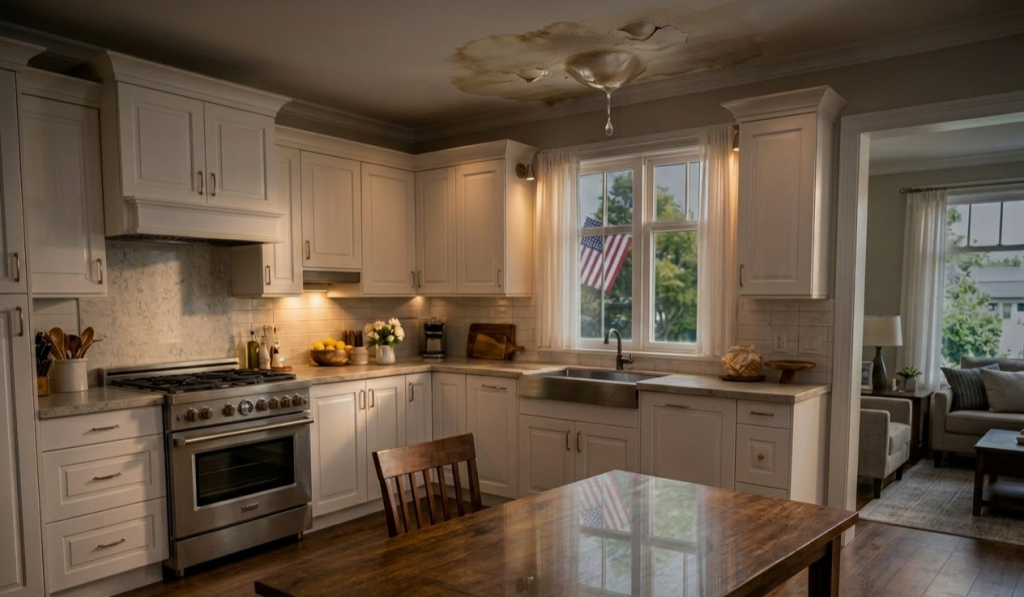
Colorado Home Failure Intelligence
How This Helps Homeowners
Most Colorado plumbing problems are not random.
They are environmental.
The leak under the slab.
The frozen pipe during a cold snap.
The pressure fluctuation in a mountain property.
The recurring water heater issue.
The cracked underground line after winter.
These problems usually come from the same repeating forces attacking Colorado homes year after year.
This matters because homeowners often repair the symptom instead of understanding the environment creating the failure.
A pipe repair may stop the leak.
But it does not stop:
- expansive soil movement
- freeze-thaw pressure
- mineral scale buildup
- elevation-related pressure instability
- long plumbing runs
- rapid-growth construction weaknesses
Colorado homes operate inside a layered stress environment.
Once homeowners understand the pattern, they can make better decisions before failures become structural, expensive, or recurring.
The goal is not fear.
The goal is pattern recognition.
Modeled after the national framework from

Colorado Is Not A Simple Plumbing Environment
Colorado combines multiple national failure systems into one state.
Cold weather.
Expansive soil.
Rapid elevation changes.
Hard water.
Mountain terrain.
Long service runs.
Boom-growth construction.
Many states experience one or two of these conditions.
Colorado stacks them together.
That stacking effect matters because plumbing systems rarely fail from one force alone.
A pipe may survive cold weather.
It may survive hard water.
It may survive soil movement.
But when all three pressures interact together over time, the system weakens faster.
Colorado plumbing failures often come from overlapping environmental stress — not isolated defects.
The Colorado Failure Stack
Colorado homes commonly experience:
- Expansive Soil / Slab Stress Failure
- Frost Heave / Deep Freeze Failure
- Hard Water / Scale Failure
- Boom-Build Installation Failure
- Complex-System / Luxury Load Failure
- Mountain and elevation pressure variation
This exact Colorado stack appears within the national failure framework.
The result is a state where plumbing systems are constantly adapting to movement, pressure, minerals, temperature swings, and infrastructure expansion.
Expansive Soil And Foundation Movement
Large portions of Colorado contain expansive clay soil.
When moisture changes, the soil changes size.
Wet periods expand the ground.
Dry periods shrink it.
Freeze cycles increase movement stress even further.
The foundation absorbs that movement.
Then the plumbing absorbs the movement from the foundation.
This creates:
- slab leaks
- pipe stress near penetrations
- shifting sewer lines
- cracked underground fittings
- recurring leak zones
- drain slope instability
The visible plumbing failure often starts underground long before water appears inside the home.
Colorado’s version of expansive soil failure is especially aggressive because freeze-thaw cycling repeatedly loads and unloads the ground beneath the structure.
Freeze-Thaw Plumbing Pressure
Colorado plumbing systems experience repeated freeze exposure.
Not just during extreme storms.
During normal winter operation.
Water expands when frozen.
That expansion creates internal pipe pressure.
At the same time, frozen ground can shift buried plumbing infrastructure underneath the home.
This combination creates two simultaneous threats:
- Internal pressure stress
- External ground movement stress
Colorado’s freeze environment becomes even more complex in:
- mountain communities
- rural properties
- exposed crawlspaces
- long exterior runs
- vacation homes
- homes with intermittent occupancy
Many freeze failures begin in areas homeowners rarely inspect:
- crawlspaces
- exterior walls
- attic routing
- garage branches
- buried service lines
- irrigation crossover systems
In many Colorado homes, the pipe is fighting ice inside the system while the ground shifts around it outside the system.
Hard Water Slowly Restricts The System
Colorado also operates inside a major hard water region.
Hard water does not usually create dramatic overnight failures.
It creates slow restriction.
Minerals accumulate inside:
- water heaters
- recirculation systems
- valves
- fixtures
- branch lines
- tankless systems
Over time, flow decreases while pressure imbalance increases.
The homeowner may notice:
- inconsistent water pressure
- long hot-water waits
- fixture clogging
- reduced appliance lifespan
- noisy plumbing systems
- repeated water heater servicing
This becomes more severe in larger homes with long pipe runs and higher demand loads.
Colorado’s hard water environment combines with heat, pressure variation, and modern plumbing complexity to accelerate wear across the entire system.
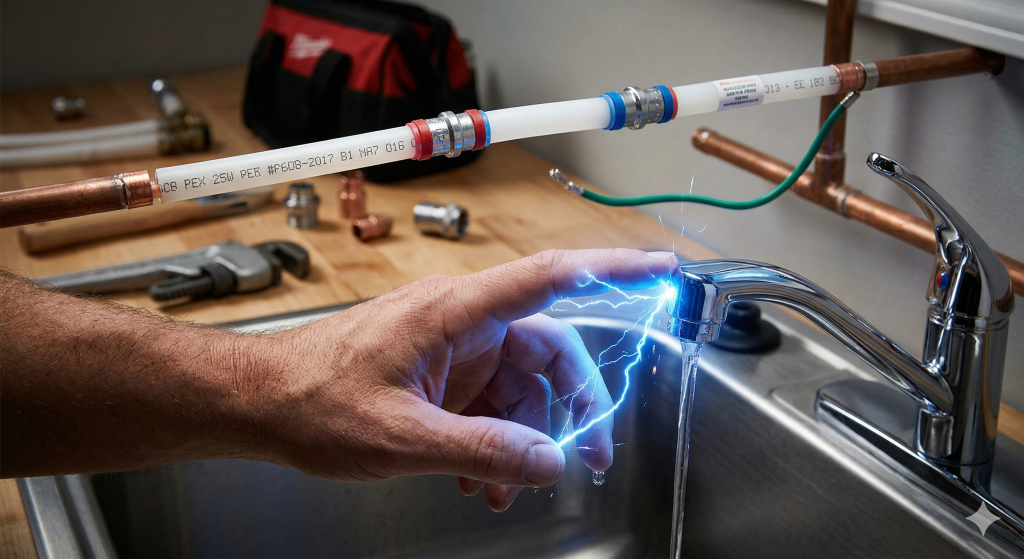
Elevation Creates Pressure Complexity
Colorado plumbing systems often operate across dramatic elevation variation.
Pressure behaves differently at altitude.
Mountain properties frequently require:
- booster systems
- pressure regulation
- long vertical runs
- well systems
- storage systems
- freeze-protection infrastructure
Large elevation changes increase mechanical stress across the plumbing network.
Pressure inconsistency can create:
- valve fatigue
- fixture wear
- expansion issues
- recirculation instability
- pressure regulator failure
- long-term fitting stress
The problem becomes worse in larger custom homes where the plumbing system behaves more like a small infrastructure network than a simple residential layout.
Boom-Growth Construction Pressure
Colorado has experienced major construction expansion across many regions.
Rapid-growth environments create repeatable installation risks.
The issue is not necessarily intentional negligence.
The issue is speed.
Production pressure changes decision-making.
That can create:
- weak trench preparation
- poor pipe support
- improper expansion control
- inconsistent transitions
- undersized systems
- rushed installation sequencing
Some homes inherit plumbing stress the day construction finishes.
Colorado’s boom-build environment becomes particularly vulnerable because rapid growth overlaps with soil movement, freeze conditions, and elevation complexity.
Large Homes Create Large Failure Networks
Colorado also has significant exposure to complex-system plumbing environments.
Especially in:
- mountain properties
- luxury homes
- multi-level homes
- custom builds
- large-lot developments
- rural properties
These homes commonly include:
- recirculation systems
- long hot-water runs
- pressure zones
- radiant heating integration
- irrigation systems
- outdoor plumbing
- booster pumps
- water treatment systems
Every added component creates another pressure point.
Convenience increases system complexity.
Complexity increases failure exposure.
Many Colorado plumbing systems fail because the network becomes too large, too layered, or too difficult to stabilize over time.
Colorado Plumbing Failures Are Usually Layered
A homeowner may think:
“The pipe froze.”
But the full system story may actually be:
- expansive soil shifted the line
- hard water restricted flow
- pressure fluctuated with elevation
- freeze expansion stressed a weakened fitting
- prior installation shortcuts reduced tolerance margins
The visible leak is often the final stage of a much larger environmental pattern.
That is why recurring repairs are common in high-stress Colorado environments.
The symptom gets repaired.
The environmental stack remains active.

The Real Colorado Plumbing Pattern
Colorado plumbing systems are constantly balancing:
- movement
- freeze exposure
- mineral restriction
- pressure variation
- growth-construction quality
- modern demand load
That combination creates a state where plumbing failures are rarely isolated events.
They are environmental reactions.
Understanding the environment changes how homeowners evaluate:
- repairs
- repipes
- water systems
- pressure management
- infrastructure upgrades
- long-term risk
Because the real problem is usually larger than the visible leak.
And in Colorado, small plumbing symptoms often point to larger system stress underneath the surface.