Why Los Angeles Homes Experience Accelerated Plumbing System Fatigue
How This Helps Los Angeles Homeowners
Most plumbing systems in Los Angeles do not fail all at once.
They wear down.
Small stresses repeating over time.
Pressure fluctuations.
Water chemistry slowly attacking materials.
Ground movement transferring force into the system.
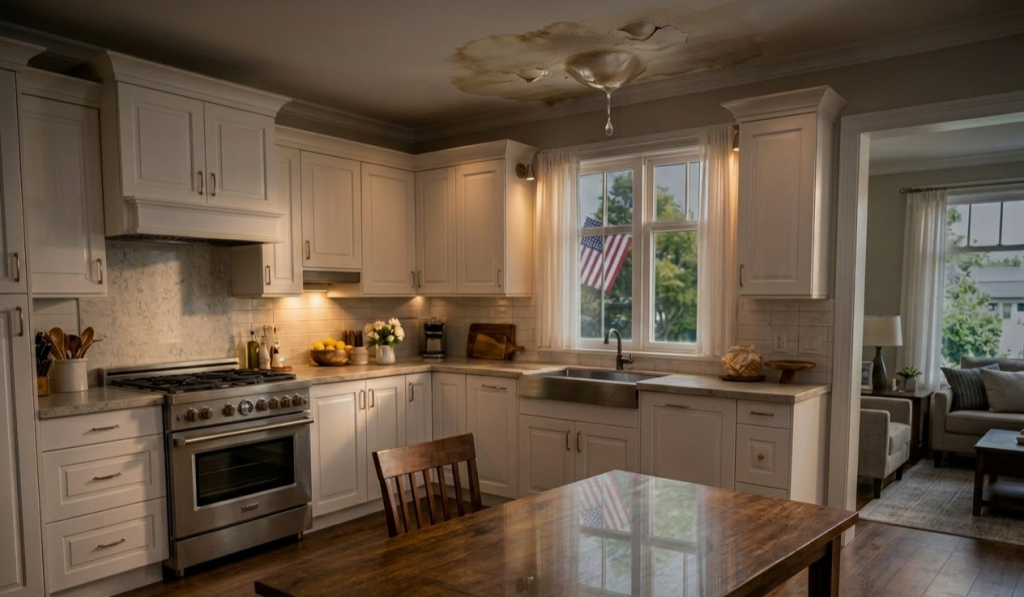
By the time a leak appears, the system has often been degrading for years.
Understanding system fatigue helps homeowners:
- recognize early-stage wear before major failure occurs
- understand why leaks appear in different areas over time
- identify how pressure, water quality, and movement interact
- avoid repeated repairs that do not address full-system degradation
- see when a system has reached instability—not just a single failure point
- make better long-term decisions about repiping vs ongoing repairs
The goal is not to fix isolated problems.
The goal is to understand how the entire system is wearing down.
Because in Los Angeles, plumbing failure is often fatigue-driven.
Not event-driven.
Modeled from the national framework at Plumbing Whole Home Repipe Home Failure Intelligence.

Los Angeles Is A Multi-Stress Fatigue Environment
Los Angeles plumbing systems operate under continuous, overlapping stress.
This environment includes:
- pressure variability across municipal systems
- mineral-heavy water in many areas
- ground movement and seismic influence
- temperature variation across structures
- aging housing infrastructure
- mixed-material plumbing systems
Each factor applies small stress.
But repeated over time, these stresses accumulate.
This is how fatigue develops.
Pressure Cycling Wears Down The System
Water pressure in Los Angeles is not always constant.
Homes may experience:
- elevated pressure
- pressure drops
- rapid fluctuations
Each change creates stress inside the system.
Especially at:
- valves
- fittings
- joints
- transitions between materials
Over time, repeated pressure cycling leads to:
- joint loosening
- seal degradation
- micro-fractures
- reduced structural integrity
The system weakens gradually.
Water Chemistry Contributes To Internal Degradation
Many Los Angeles homes operate with mineral-heavy water.
This leads to:
- scale buildup inside pipes
- restricted flow
- increased pressure in certain sections
- uneven system performance
Over time:
- pipe walls thin
- internal stress increases
- weak points develop
The system is being worn down from the inside.
Even when it appears functional.
Ground Movement Transfers External Stress
Southern California ground conditions are active.
Movement occurs due to:
- expansive soil behavior
- drought and rehydration cycles
- seismic activity
- hillside settlement
This movement transfers stress into:
- underground piping
- slab penetrations
- connection points
Over time, this leads to:
- pipe misalignment
- joint fatigue
- cracking
- repeated stress at specific locations
The system is constantly adjusting to external movement.
Thermal Variation Adds Repeated Expansion Stress
Los Angeles environments include temperature variation across:
- interior vs exterior walls
- attic spaces
- slab-adjacent piping
These variations create:
- expansion during heat
- contraction during cooling
This introduces additional cycles of movement inside the system.
Over time, this leads to:
- material fatigue
- stress at joints
- weakening of pipe walls
Thermal stress adds to pressure and movement stress.

Aging Systems Lose Tolerance For Stress
Many Los Angeles homes include older plumbing systems.
Often with:
- copper supply lines
- cast iron drains
- partial upgrades
- mixed materials
As systems age:
- materials become thinner
- flexibility decreases
- tolerance for pressure reduces
This makes them more vulnerable to:
- pressure cycling
- ground movement
- internal scale buildup
The same stress that once had no effect now causes failure.
Mixed Materials Create Mismatch Stress
Repair layering introduces different materials into the system.
Including:
- copper
- PEX
- PVC
- older metals
Each material responds differently to:
- pressure
- temperature
- movement
This creates mismatch conditions.
Which leads to:
- stress concentration at transitions
- joint instability
- increased failure probability
The system is no longer uniform.
Why Failures Appear In Multiple Locations
Fatigue does not affect only one point.
It affects the entire system.
This leads to:
- leaks in different areas over time
- recurring repairs in new locations
- expanding failure zones
Homeowners may believe these are separate issues.
They are often connected through system fatigue.
Why Repairs Do Not Stop The Cycle
Many repairs address visible failures.
But do not remove:
- pressure variability
- water chemistry
- ground movement
- thermal cycling
- system aging
This leads to:
- new failures after repairs
- shorter intervals between issues
- increasing repair frequency
The system continues degrading.

Early Warning Signs Of System Fatigue
Some systems show indicators before major failure.
Including:
- recurring leaks in different locations
- inconsistent water pressure
- noisy pipes
- reduced flow in parts of the home
- repeated fixture issues
- visible corrosion or scale
These signs often indicate system-wide wear.
Not isolated problems.
Human-System Acceleration Factors
Environmental pressure sets the baseline.
Human decisions influence how quickly fatigue develops.
Common factors include:
- delaying maintenance
- ignoring early warning signs
- repeated spot repairs
- improper material upgrades
- lack of system evaluation
- DIY modifications
In Los Angeles, stress is continuous.
Delay allows fatigue to compound.
Final Positioning Statement
Los Angeles homes experience accelerated plumbing system fatigue where pressure, water chemistry, ground movement, and aging infrastructure overlap.
That fatigue develops through:
- pressure cycling
- internal scale buildup
- external movement
- thermal variation
- material aging
- system layering
The visible leak is only the final stage.
The real system wear builds over time.
Understanding plumbing system fatigue helps homeowners recognize risk earlier, reduce repeat failures, and make better long-term decisions about their home’s plumbing system.