Fort Smith Moisture Saturation and Hidden Drain Line Damage
How This Helps Fort Smith Homeowners
Most drain line failures in Fort Smith do not begin with a clog.
They begin with moisture.
Soil staying wet longer than expected.
Pipes sitting inside saturated ground.
Small weaknesses expanding over time.
By the time a backup or collapse occurs, the system has often been under pressure for years.
Understanding Fort Smith’s moisture environment helps homeowners:
- recognize early-stage drain line damage before backups occur
- understand why sewer problems repeat after cleaning
- identify how saturated soil affects underground plumbing
- avoid repairs that fix blockages but not structural issues
- see why some yards and neighborhoods experience more failures
- make better long-term decisions about repair vs full line replacement
The goal is not to react to sewer backups.
The goal is to understand why the system is failing underground.
Because in Fort Smith, moisture saturation often drives hidden drain line damage.
Modeled from the national framework at Plumbing Whole Home Repipe Home Failure Intelligence.

Fort Smith Is A Moisture Saturation Environment
Fort Smith plumbing systems operate inside a moisture-heavy environment.
Rainfall patterns.
Humidity.
Soil conditions that retain water.
These factors create continuous interaction between underground plumbing and saturated ground.
This environment includes:
- frequent rainfall events
- high humidity levels
- slow-draining soil in some areas
- seasonal saturation cycles
- vegetation and root activity
The system is not operating in dry, stable conditions.
It is operating in active soil.
Saturated Soil Reduces Structural Support
Drain lines depend on surrounding soil for support.
When soil becomes saturated:
- it loses density
- it shifts more easily
- it applies uneven pressure to pipes
This creates:
- stress at joints
- minor alignment changes
- increased load on weak sections
Over time, this leads to:
- pipe sagging (bellies)
- joint separation
- cracking
- gradual structural failure
The pipe is not just carrying waste.
It is relying on the ground to hold it in place.
Moisture Accelerates Material Breakdown
Constant exposure to moisture affects pipe materials.
Especially in older systems such as:
- cast iron
- clay sewer lines
- older PVC installations
- mixed-material repairs
Moisture contributes to:
- corrosion
- material softening (in certain materials)
- joint degradation
- seal failure
This weakens the system over time.
Even without heavy usage stress.
Drain Lines Fail Structurally Before They Clog
Many homeowners experience recurring clogs.
But the clog is often a symptom.
Not the cause.
Saturated conditions create:
- low spots in the pipe
- standing water zones
- debris accumulation points
This leads to:
- frequent backups
- slow drainage
- repeated cleaning cycles
Clearing the line removes the blockage.
But the structural issue remains.
Root Intrusion Follows Moisture
Moisture-rich environments attract root systems.
Especially in Fort Smith neighborhoods with:
- mature trees
- older sewer infrastructure
- long-term soil saturation
Roots do not create the first failure.
They enter where weakness already exists.
Once inside, they:
- expand
- trap debris
- widen cracks
- accelerate pipe failure
This creates a repeating cycle:
- clog
- clearing
- regrowth
- worsening damage
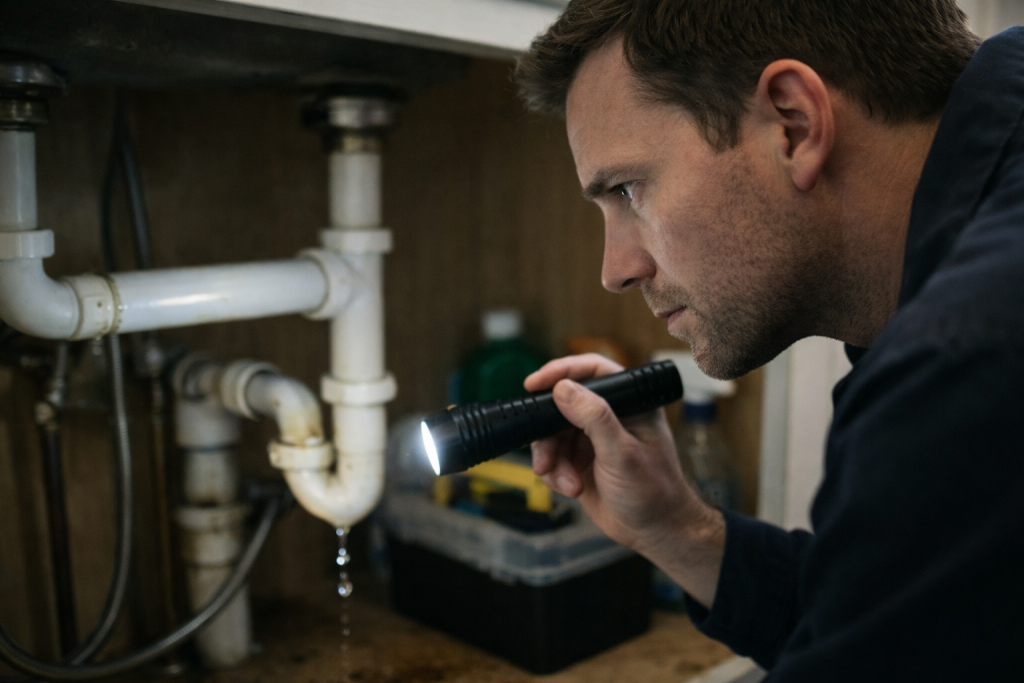
Underground Movement In Saturated Conditions
Moisture does not just soften soil.
It allows it to move.
Water flow through soil can:
- shift support points
- redistribute pressure
- create voids or uneven compaction
This leads to:
- pipe misalignment
- stress at connections
- gradual displacement
Movement is often slow.
But continuous.
Why Problems Often Remain Hidden
Drain lines are buried.
Out of sight.
Moisture conditions reduce visible warning signs.
This leads to:
- delayed detection
- larger damage zones
- failure appearing suddenly
Homeowners often notice:
- backups
- slow drains
- yard saturation
after the system has already degraded.
Why Repairs Often Do Not Last
Many repairs focus on clearing the blockage.
But do not address:
- saturated soil conditions
- structural misalignment
- material degradation
- root entry points
This leads to:
- recurring backups
- repeated service calls
- expanding failure zones
- increasing repair costs
The system was cleaned.
Not corrected.
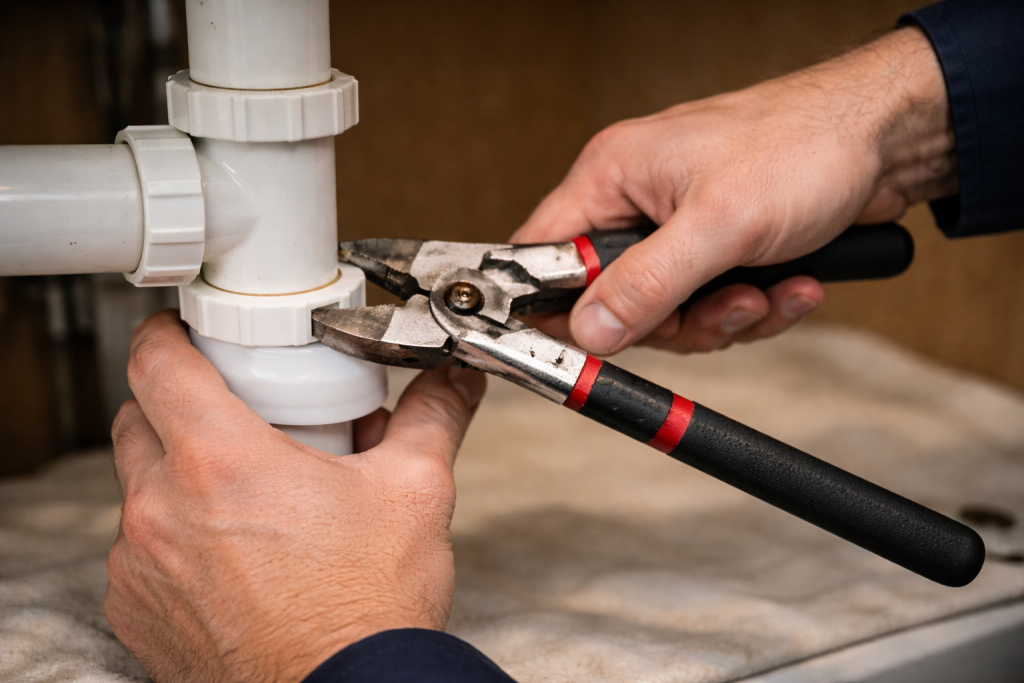
Early Warning Signs In Fort Smith Homes
Some systems show indicators before major failure.
Including:
- recurring drain clogs
- slow drainage across multiple fixtures
- gurgling sounds
- wet or soft areas in the yard
- sewage odors outside
- backups during heavy rain
These signs often point to structural issues.
Not isolated problems.
Human-System Acceleration Factors
Environmental pressure drives the baseline.
Human decisions influence how quickly failure develops.
Common factors include:
- delaying inspection after recurring clogs
- ignoring drainage issues around the home
- repeated temporary fixes
- improper repair methods
- lack of system-wide evaluation
In moisture-heavy environments, delay allows damage to expand.
Final Positioning Statement
Fort Smith drain line failures develop where moisture saturation, soil movement, and aging infrastructure overlap.
That pressure builds through:
- saturated soil conditions
- reduced structural support
- material degradation
- root intrusion
- underground movement
- delayed detection
The visible backup is only the final stage.
The real system damage begins underground over time.
Understanding Fort Smith’s moisture-driven plumbing environment helps homeowners recognize risk earlier, reduce repeat failures, and make better long-term decisions about their home’s drainage system.