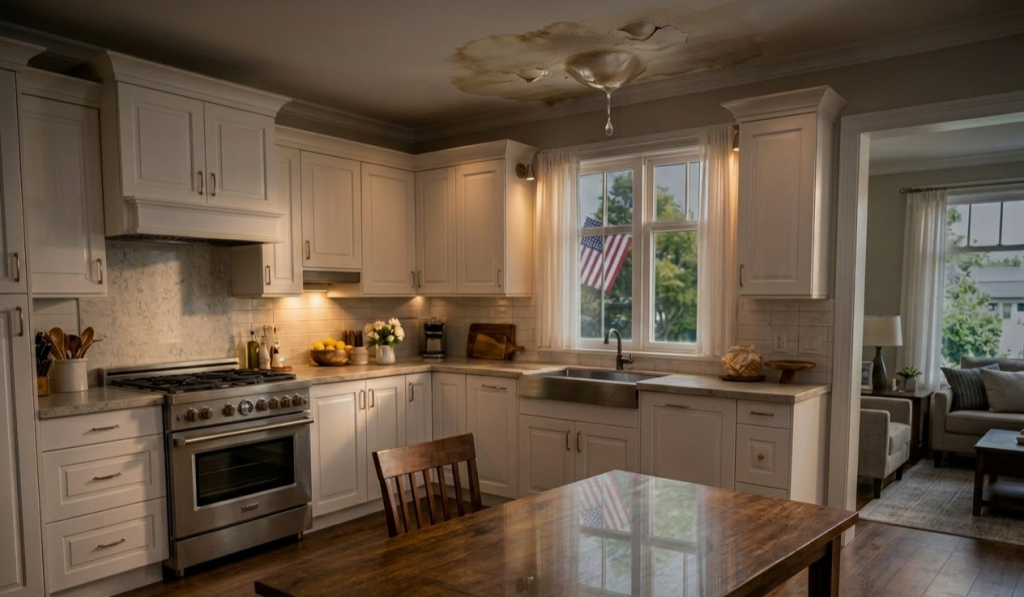
Alaska Plumbing Systems Under Freeze and Remote Infrastructure Pressure
How This Helps Alaska Homeowners
Most plumbing failures in Alaska do not come from a single cause.
They come from overlap.
Freeze pressure building inside the pipe.
Limited access to repair when systems fail.
Long exposure times increasing damage before correction.
By the time a homeowner sees water, the system has often been under stress for an extended period without intervention.
Understanding Alaska’s freeze + remote infrastructure environment helps homeowners:
- recognize why small issues become major failures faster
- identify freeze-related stress before rupture occurs
- understand how delayed repair timelines increase damage
- see why systems must be more resilient than in urban regions
- avoid repeated failures caused by incomplete fixes
- make better long-term decisions about insulation, routing, and system design
The goal is not just to fix plumbing problems.
The goal is to understand the conditions that make them harder to control.
Because in Alaska, failure is not just about the pipe.
It is about the environment and the distance between failure and repair.
Modeled from the national framework at Plumbing Whole Home Repipe Home Failure Intelligence.

Alaska Is A Freeze + Access-Constrained Environment
Alaska plumbing systems operate under two simultaneous pressures:
- extreme cold conditions
- limited infrastructure access
Freeze pressure stresses the system internally.
Remote infrastructure delays the response externally.
This creates a unique failure environment where:
- pipes are more likely to fail
- failures last longer
- damage spreads further before correction
- system recovery takes more time
The plumbing system must survive both the event and the delay that follows.
Freeze Pressure Drives Internal System Stress
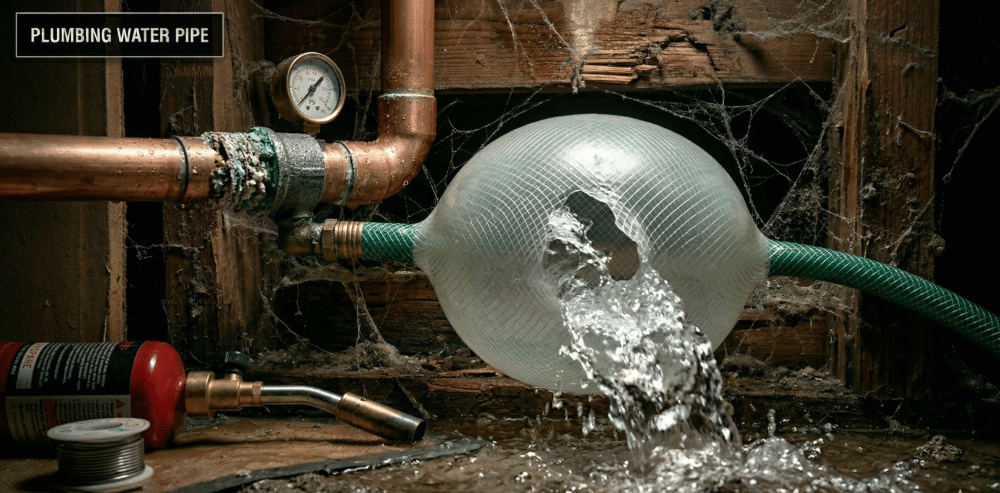
Water expansion during freezing creates internal pressure inside pipes.
This pressure builds until it finds a release point.
Failure commonly occurs at:
- fittings
- valves
- elbows
- weakened material sections
- previous repair zones
But in Alaska, freezing is not always isolated.
It can affect:
- multiple sections simultaneously
- long pipe runs
- entire system segments
This increases the likelihood of:
- multiple failure points
- widespread system stress
- complex repair conditions
Remote Locations Extend Exposure Time
In many parts of Alaska, access to plumbing services is limited.
This includes:
- rural communities
- remote properties
- weather-restricted access zones
- limited contractor availability
When a failure occurs, repair may not be immediate.
This creates extended exposure:
- leaks continue longer
- water damage expands
- freezing conditions persist
- structural materials absorb moisture
A small failure can become a major event due to time alone.
Freeze–Thaw Events Continue During Delays
Even after initial damage occurs, environmental conditions continue acting on the system.
During repair delays, systems may experience:
- repeated freeze–thaw cycles
- additional expansion stress
- further cracking
- new failure points
The system is not static while waiting for repair.
It continues degrading.
This compounds the original problem.
System Design Must Account For Delay
In Alaska, plumbing systems must be built with the expectation that immediate repair may not be possible.
This changes design priorities:
- higher insulation standards
- heat trace integration
- protected routing
- redundancy in critical areas
- accessible shutoff control
- simplified repair pathways
Systems that rely on quick repair response are more vulnerable.
Systems designed for resilience perform better under delay conditions.

Above-Ground And Exposed Systems Increase Risk
Remote and rural properties may rely on:
- above-ground piping
- utility corridors
- minimally buried lines
- exposed transitions
These systems are highly sensitive to:
- temperature drops
- insulation performance
- power availability for heat systems
If protection fails, freezing can occur quickly.
And without immediate repair, damage escalates.
Infrastructure Gaps Create Pressure Instability
Remote systems may also experience variability in water delivery conditions.
Including:
- inconsistent pressure
- system cycling
- localized supply variations
- independent water systems
This introduces additional stress on plumbing components.
Especially when combined with freeze conditions.
Pressure variation increases the likelihood of failure at weakened points.
Why Failures Often Expand Beyond The Initial Break
In Alaska, a single pipe failure rarely remains isolated.
Because:
- repair delays extend exposure
- freezing continues
- moisture spreads
- structural materials absorb water
- adjacent pipes experience similar stress
This leads to:
- multiple leaks
- expanded damage zones
- system-wide instability
The first failure is often the beginning.
Not the end.
Human-System Acceleration Factors
Environmental pressure is constant.
But human decisions influence system outcomes.
Common acceleration factors include:
- delayed response after freeze events
- insufficient insulation maintenance
- neglecting heat trace systems
- lack of monitoring during extreme weather
- improper temporary repairs
- shutting down heat in parts of the system
In remote environments, early action matters more.
Because delays carry higher consequences.
Final Positioning Statement
Alaska plumbing systems fail where freeze pressure overlaps with remote infrastructure limitations.
That pressure develops through:
- sustained freezing conditions
- internal expansion stress
- extended repair timelines
- continued environmental exposure
- system design dependency
- access constraints
The visible pipe break is only the first stage.
The real damage continues while the system waits for repair.
Understanding Alaska’s freeze and remote infrastructure pressure helps homeowners anticipate risk, reduce expanded damage, and make better long-term decisions about protecting their home’s plumbing system.