sinkholeSF05 — Small Warning Signs Before Total Collapse
False Stability
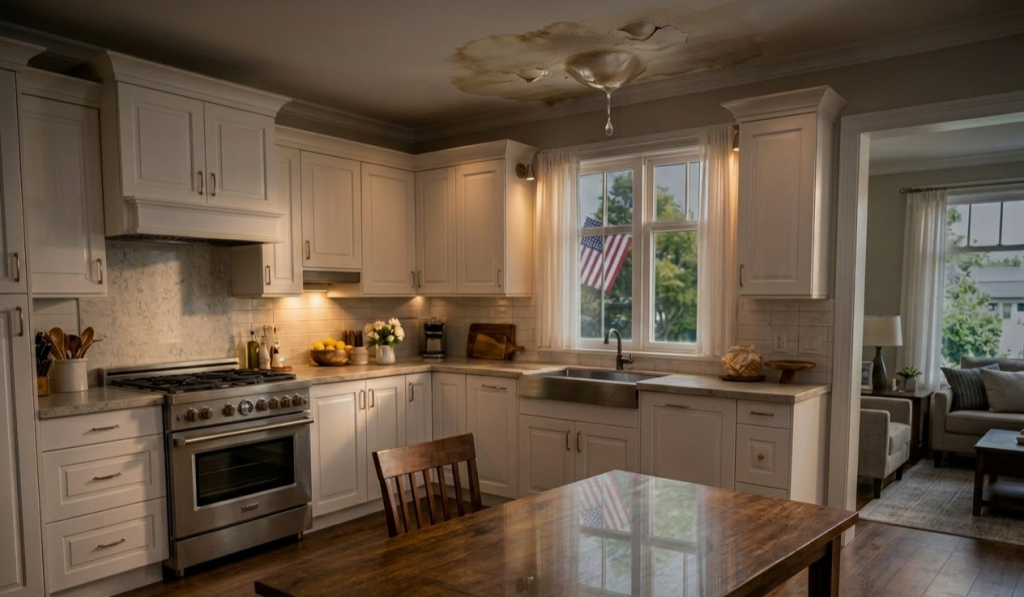
Nothing about the home suggested risk.
It felt settled.
It operated normally.
There were no visible defects drawing attention.
From the surface, the system appeared complete and stable.
Hidden Failure Trigger
The failure did not start at the surface.
It started in the system below it.
In 1995, in Sea Cliff, San Francisco, a sewer line that had been in place for nearly a century failed during a period of sustained rain.
The system had aged.
Internal wear had accumulated over time.
Increased water flow introduced additional pressure.
The pipe ruptured.
Water moved into surrounding soil.
That movement reduced the strength of the ground beneath the home.
Support began to disappear slowly.
Above ground, nothing immediately changed.

The Stage Before Collapse
There is a period where systems are compromised but still functioning.
The structure holds.
The ground appears intact.
The damage remains hidden.
This is when risk is highest.
Because the system is no longer stable—but still looks like it is.
Early Warning Signs Most Homeowners Miss
Small signals often appear before major failure.
They are easy to dismiss:
- Slight changes in how quickly drains clear
- Minor cracks forming near doors, windows, or corners
- Areas of soil that feel softer after normal moisture exposure
- Occasional musty smells without a clear source
- Subtle variations in water pressure during everyday use
These are not isolated issues.
They are early indicators of imbalance within the system.
Pattern Translation — Infrastructure → Home
The Sea Cliff event reflects a repeatable failure pattern.
Aging Sewer Line Breakdown → Deteriorating Residential Plumbing
Time reduces system integrity even without visible damage
Heavy Rain Load → Increased Internal Pressure
Higher volume stresses already weakened components
Water Escaping Into Soil → Subsurface Erosion
Soil loses density and structural support
Void Formation Beneath Structure → Loss of Stability
The surface remains intact until support is no longer sufficient
The scale differs.
The sequence remains consistent.

Residential Examples of the Same Pattern
This pattern exists in everyday residential conditions:
- A slow leak under a slab gradually washing away supporting soil
- Corroded piping allowing continuous moisture into surrounding areas
- Pressure fluctuations weakening joints over extended periods
- Drainage issues saturating soil near the foundation
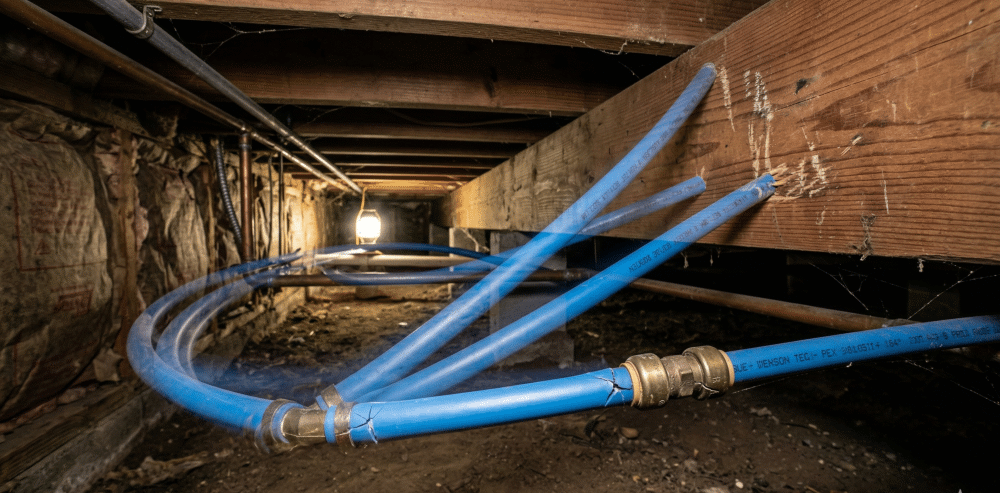
- Crawlspace moisture softening ground beneath structural load
Each condition develops quietly.
Each contributes to long-term structural risk.
Why Warning Signs Are Missed
Most homeowners look for obvious damage.
The problem is that early-stage failure is not obvious.
Before visible signs appear:
- Soil stability may already be reduced
- Structural alignment may begin to shift
- Water may be moving beyond intended pathways
This gap between cause and visibility allows failure to expand.
Bay Area Conditions That Increase Risk
Homes in the Bay Area operate under consistent environmental pressures:
Ground movement
Moisture variation
Aging infrastructure systems
These conditions increase the likelihood of hidden failure developing beneath the surface.
A Preventative Approach
Reactive repair addresses what has already failed.
System evaluation focuses on what is beginning to fail.
It looks at:
- The condition and lifespan of piping systems
- Pressure behavior across the home
- Indicators of hidden moisture movement
- Interaction between plumbing systems and soil stability
This approach identifies risk earlier.
Before Small Signs Become Structural Problems
The Sea Cliff sinkhole followed a predictable progression.
Time weakened the system.
Pressure exposed it.
Water movement accelerated failure.
Structural support was lost.
The same sequence exists in residential systems.
Recognizing small warning signs early changes the outcome.
Learn how your home’s system can be evaluated before failure becomes visible:
👉 https://plumbingwholehomerepipe.com/ca/san-francisco-sinkhole-that-swallowed-a-mansion-san-francisco-california-1995/