



🚨 Pulgas Water Pipeline — Full Breakdown Report
Peninsula Corridor & San Mateo County (Ongoing Risk Profile)
Why This Matters to Homeowners in San Mateo County:
When a major supply line fails, entire neighborhoods can lose water or face sudden pressure shifts that damage home plumbing.
San Mateo Creek Flood (1955): System Overload Event
El Niño Flooding (1998): Countywide Drainage Failure
Pulgas Pipeline Risk: Critical System Vulnerability
Pacifica Sewer Failures (Recurring): Coastal System Breakdown
Drought System Stress (2014–2015): Pressure Instability
Atmospheric River Flooding (2023): System Overload
San Bruno Pipeline Explosion (2010): Underground Failure
Belmont Creek Flooding (Recurring): Drainage Bottlenecks
Hillside Drainage Failures (Recurring): Gravity Overload
Water Main Failures (Recurring): Aging System Breakdown
📍 Geographic + Structural Context (Pre-Event Environment)
The Pulgas transmission corridor runs along the Peninsula spine, supplying treated water to large portions of San Mateo County.
Primary regions and cities affected (for scale + search relevance):
- Core corridor: Redwood City, San Carlos, Belmont
- North Peninsula: San Mateo, Burlingame
- South Peninsula: Menlo Park, East Palo Alto
- Hillside/adjacent communities: Hillsborough, Woodside
Critical preconditions:
- Single critical artery: Large-diameter transmission line carrying bulk supply
- High-pressure operation: Needed to move water across elevation changes
- Aging segments: Portions of system decades old
- Seismic exposure: Crosses areas influenced by the San Andreas Fault and Hayward Fault
- Limited redundancy: Backup routing exists but can be capacity-constrained
🌊 Environmental + System Conditions
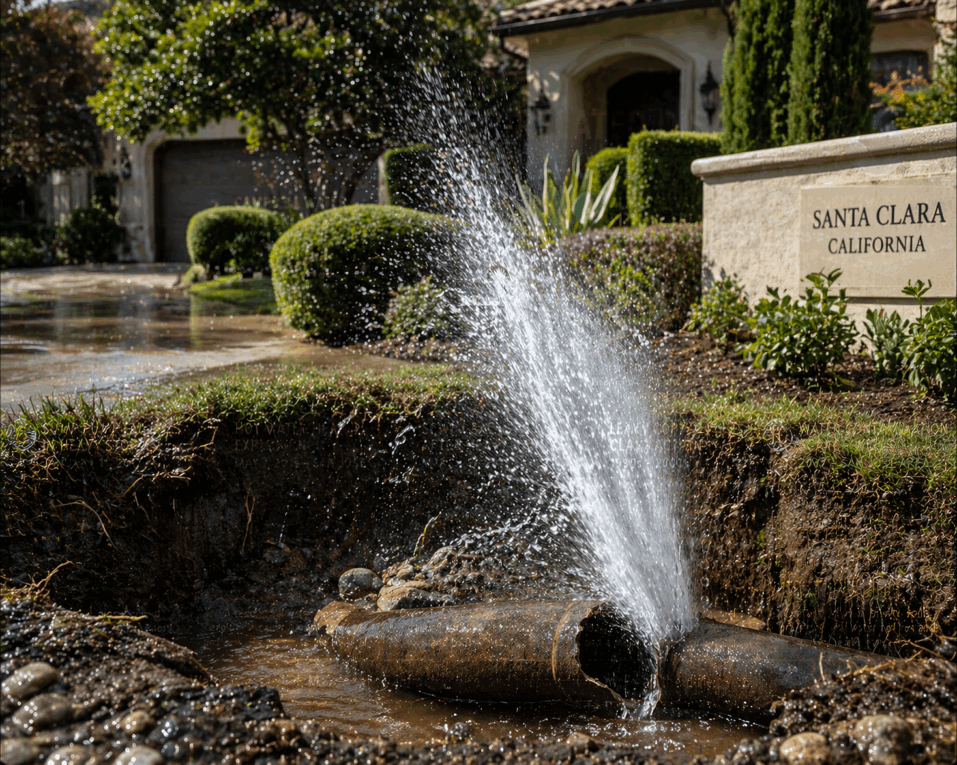
This is a critical infrastructure vulnerability scenario rather than a single event.
- Continuous operation under pressure
- Exposure to:
- seismic movement
- soil shift
- long-term material fatigue
👉 Key dynamic:
A single high-capacity line carries risk for a large service area
⚙️ Failure Mechanics (What Could Break)
Step-by-Step Breakdown
- Material Degradation (Long-Term Setup)
- Internal corrosion or fatigue weakens pipe wall
- Joints and fittings become vulnerable
- External Stress Factors
- Ground movement (seismic or soil creep)
- Temperature and pressure fluctuations
- Stress Concentration at Weak Points
- High-pressure flow amplifies minor defects
- Cracks or joint failures begin
- Rupture or Major Leak (Trigger Event)
- Pipe fails at weakest section
- High-volume, high-pressure water release
- Pressure Shock Through Network
- Sudden pressure drop or surge travels through system
- Downstream zones affected immediately
- Service Disruption + Secondary Damage
- Water service lost in multiple cities
- Potential for:
- localized flooding
- road undermining
💥 The Event (Risk Scenario)
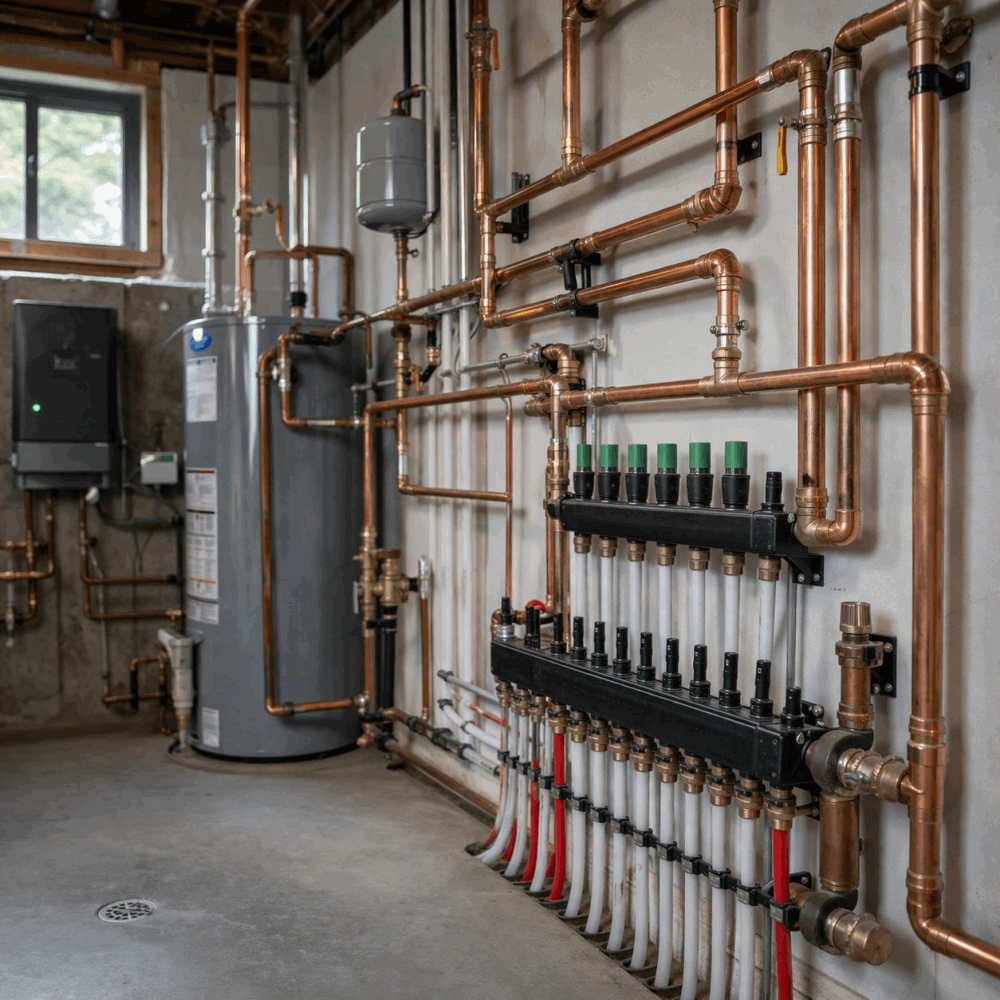
- Timeline: Instantaneous if rupture occurs
- Warning signs:
- pressure fluctuations
- unexplained leaks
- maintenance alerts
Collapse Dynamics
- System transitions from:
- stable → stressed → rupture
👉 Failure would be sudden, high-impact, and region-wide
🏚️ Immediate Damage Profile
- Potential impacts across multiple cities
Damage characteristics:
- Water outages affecting thousands of residents
- Localized flooding near rupture point
- Infrastructure damage (roads, utilities)
System impacts:
- Emergency shutdown required
- Redistribution of water supply
🧠 System-Level Failure Analysis
1. Single-Point Failure Risk
- One line supplies many areas
👉 failure impacts entire region
2. Pressure System Sensitivity
- High-pressure systems:
- amplify both failures and consequences
3. Network Dependency
- Downstream systems rely on upstream stability
👉 disruption cascades quickly
🔁 Direct Aftermath (Short-Term)
- Emergency repairs and isolation of damaged section
- Water service interruptions
- Use of backup supply routes

🧱 Indirect Effects (Long-Term Changes)
🏗️ 1. Infrastructure Reinforcement
- Replacement or strengthening of vulnerable segments
🌊 2. Redundancy Improvements
- Development of alternate supply pathways
📡 3. Monitoring + Detection Systems
- Enhanced pressure and leak monitoring
🏘️ 4. Regional Water Planning
- Increased focus on system resilience
🧩 Hidden Insights (What Most People Miss)
⚠️ 1. “Big Systems Fail at Small Points”
A tiny defect can take down a massive system
⚠️ 2. Pressure Is Both Strength and Risk
It keeps water moving
👉 but also drives failure
⚠️ 3. Supply Failure Feels Like Plumbing Failure
Homeowners experience:
- low pressure
- no water
🧠 Contractor / System Thinking Translation
Infrastructure System | Residential Equivalent |
Transmission line | Main water supply line |
High pressure | Household pressure system |
Rupture | Main line break |
Pressure shock | Pressure surge/drop |
👉 Same equation:
High pressure + weak point = sudden system-wide failure
🏠 What This Means for Your Home
- Pressure changes can damage fixtures and pipes
- Sudden outages can indicate upstream failures
- Main line issues affect entire homes instantly
- Older plumbing is more vulnerable to pressure shocks
🎯 Final Takeaways (Mechanical Framing)
- Root Cause: Aging infrastructure + external stress factors
- Trigger: Weak point failure under high pressure
- Failure Type: Major rupture → pressure disruption + service loss
- Impact Multiplier: single-line dependency + high system load
- Lesson: When critical supply lines fail, the impact spreads far beyond the break point.